Introducing Our Dental Lab Team
At Veenstra Family Dental in Midland Park, NJ, our state‑of‑the‑art in‑house laboratory works hand‑in‑hand with our clinicians to craft crowns, bridges, dentures, veneers, and implant‑supported prosthetics that fit each patient’s mouth perfectly. Our certified dental technicians blend digital CAD/CAM design, 3‑D printing, and hand‑finishing techniques, using biocompatible zirconia, lithium disilicate, and high‑strength porcelain to achieve natural colour and durability. We keep patients informed at every step—explaining impressions, digital scans, shade matching, and quality‑control checks—so they understand how their personalized restoration is made. By integrating the lab directly into our practice, we reduce turnaround time, offer same‑day provisional restorations, and maintain a warm, welcoming environment for patients of all ages.
The Heart of the Lab: Our Skilled Technicians
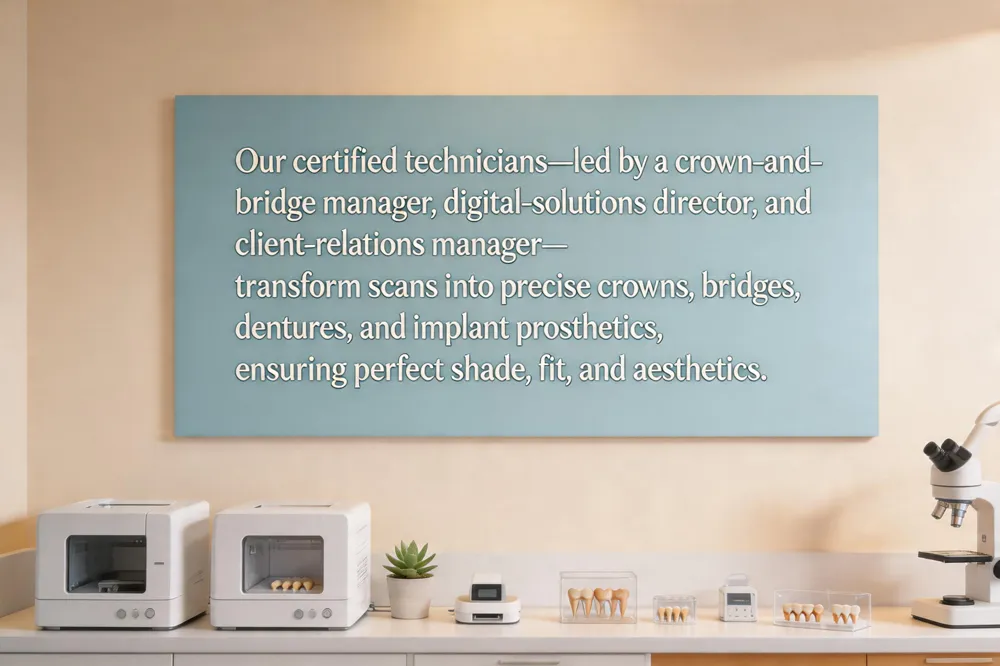 At Veenstra Family Dental’s in‑house laboratory, a dedicated team of certified dental technicians turns digital scans and impressions into crowns, bridges, dentures, and implant‑supported prosthetics. The crew includes specialists such as a crown‑and‑bridge manager, a digital‑solutions director, and a client‑relations manager, each coordinating closely with Dr. Eric and Dr. Doug Veenstra to ensure every restoration matches the patient’s shade, occlusion and aesthetic goals.
What qualifications do you need to work in a dental lab? Technicians typically complete a two‑year associate degree or certificate program accredited by CODA, with many pursuing a four‑year bachelor’s degree for deeper study. Hands‑on internships and clinical rotations are highly valued, and most states or employers require the Certified Dental Technician (CDT) credential. Ongoing continuing‑education keeps staff current with evolving materials—zirconia, lithium disilicate, high‑strength porcelain—and digital workflows such as CAD/CAM, 3D printing, and intra‑oral scanning.
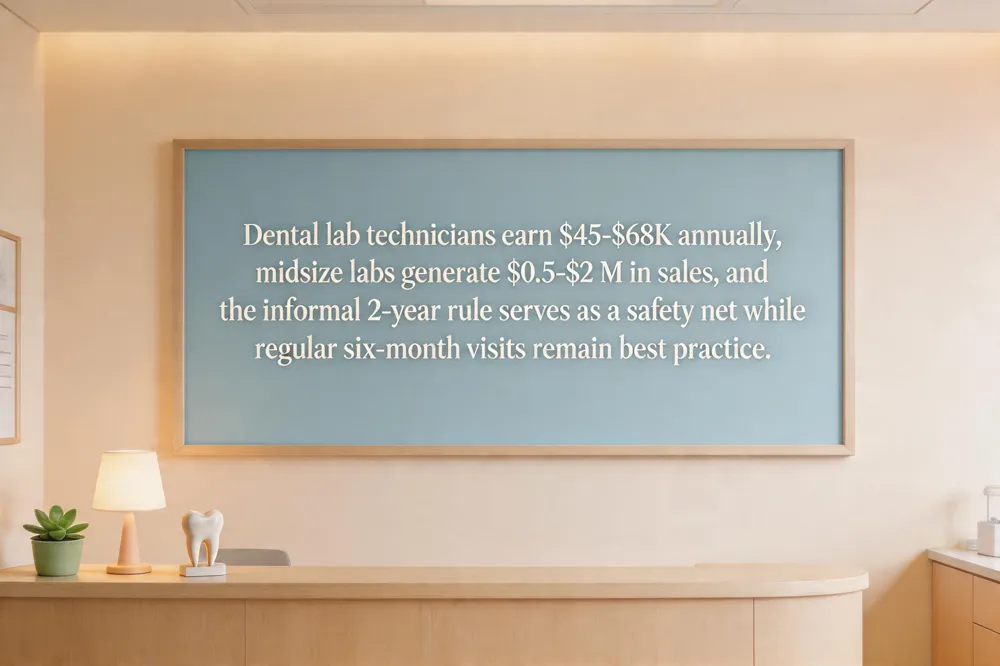
Do dental lab techs make more than dental assistants? Yes. Median annual wages for dental assistants range from $37,000‑$40,000, whereas dental lab technicians typically earn $45,000‑$68,000. The higher pay reflects the specialized design and fabrication skills, material knowledge, and digital‑technology expertise required in the lab setting.
Beyond their technical expertise, the lab team’s collaborative approach, state‑of‑the‑art equipment, and a commitment to patient education ensure that every restoration is precise, comfortable, and naturally beautiful for patients of all ages.
From Impression to Restoration: The Precise Workflow
 Digital imaging and scanning
Precise dentistry relies on advanced digital imaging to see what the naked eye cannot. High‑resolution digital X‑rays provide detailed views of teeth, roots, and bone structures while delivering up to a six‑fold reduction in radiation compared with traditional film. Intra‑oral cameras capture magnified, real‑time images of the gums and tooth surfaces, allowing the dentist to pinpoint cavities, cracks, or early lesions instantly. these images are stored electronically, enabling rapid sharing with specialists, labs, and insurance providers for coordinated care.
Digital imaging and scanning
Precise dentistry relies on advanced digital imaging to see what the naked eye cannot. High‑resolution digital X‑rays provide detailed views of teeth, roots, and bone structures while delivering up to a six‑fold reduction in radiation compared with traditional film. Intra‑oral cameras capture magnified, real‑time images of the gums and tooth surfaces, allowing the dentist to pinpoint cavities, cracks, or early lesions instantly. these images are stored electronically, enabling rapid sharing with specialists, labs, and insurance providers for coordinated care.
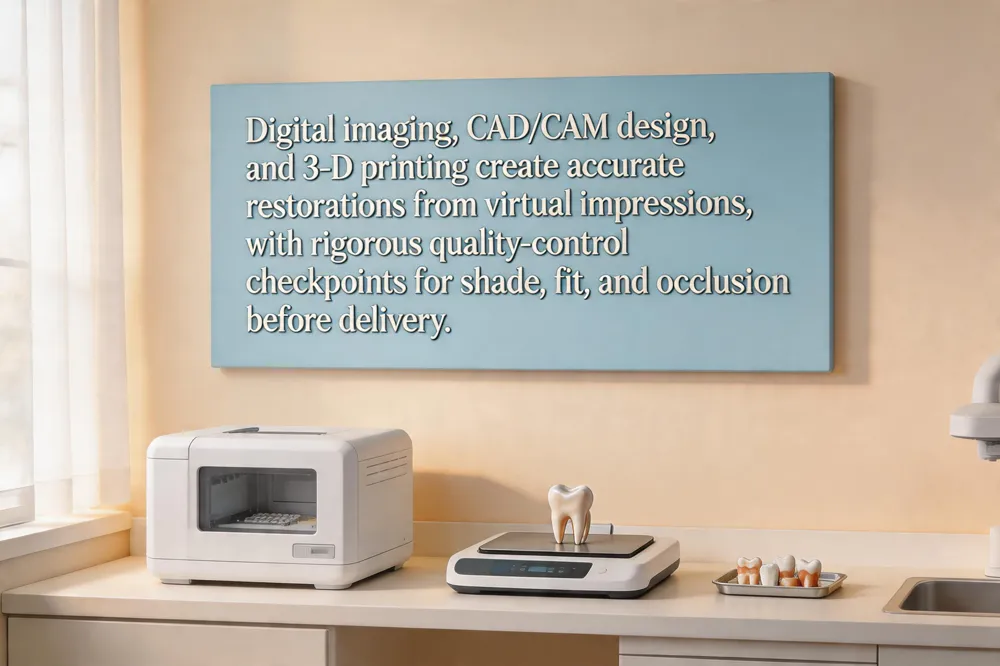
CAD/CAM design and 3‑D printing Once the digital impression is captured, the case is uploaded to a secure cloud portal (e.g., DDX). CAD software lets the laboratory technician sculpt the restoration virtually, adjusting shape, occlusion, and shade. The final design is then milled from a solid block of zirconia or lithium disilicate, or printed layer‑by‑layer with a 3‑D printer for temporary crowns, surgical guides, or dentures. This digital workflow shortens turnaround time and ensures a perfect fit.
Materials used for crowns, bridges, and dentures Modern labs work with a palette of biocompatible materials: solid and layered zirconia, IPS e.max lithium disilicate, porcelain‑fused‑to‑metal, gold, high‑strength acrylic, and titanium for implant abutments. Each material is selected for durability, aesthetics, and compatibility with the patient’s bite.
Quality‑control checkpoints Before a restoration leaves the lab, it passes multiple checks: shade matching using digital guides, fit verification on a physical or virtual model, occlusion testing, and surface‑finish inspection. Certified technicians document each step, ensuring the final piece meets FDA‑approved standards and the dentist’s specifications.
What is the role of a dental laboratory? The lab turns the dentist’s prescription into a finished prosthetic, collaborating closely for feedback and adjustments until the restoration fits comfortably, functions reliably, and looks natural.
Benefits of precise dental work Precision reduces diagnostic errors, preserves healthy tooth structure, shortens treatment time, and delivers long‑lasting, aesthetically pleasing results that enhance patient confidence and overall oral health.
Financial Insights: Earnings, Revenue, and the 2‑Year Rule
 Understanding the financial side of dental care helps patients feel confident about their treatment plans.
Dental technician wages and regional differences In the United States, dental laboratory technicians earn an average of about $52,000 per year, with median earnings around $47,700. Salaries vary by state—California technicians average $59,500, New York $53,650, Florida $54,190, and Texas $48,580. Government and specialized health‑practitioner offices often pay the most, exceeding $68,000 annually.
Typical revenue range for midsize labs A mid‑size dental lab that fabricates crowns, bridges, dentures, and orthodontic appliances generally generates $500,000 to $2 million in annual sales. Profitability hinges on balancing labor costs (reflected in technician wages) with high‑quality, timely product delivery.
The informal 2‑year dental visit guideline The “2‑year rule” is an informal insurance guideline suggesting patients should not go longer than two years without a dental visit. However, most dentists recommend check‑ups every six months—or more frequently if you have active issues—to catch problems early. Think of the 2‑year rule as a safety net, not a substitute for regular care.
Highest‑paid dentist specialty Dental anesthesiologists top the earnings chart, with an average annual salary of about $393,215. Their role in managing pain and sedation during complex procedures commands the highest compensation, followed closely by private‑practice owners earning around $374,999 per year.
Patient‑Centric Care: Materials, Restorations, and Lifestyle Choices
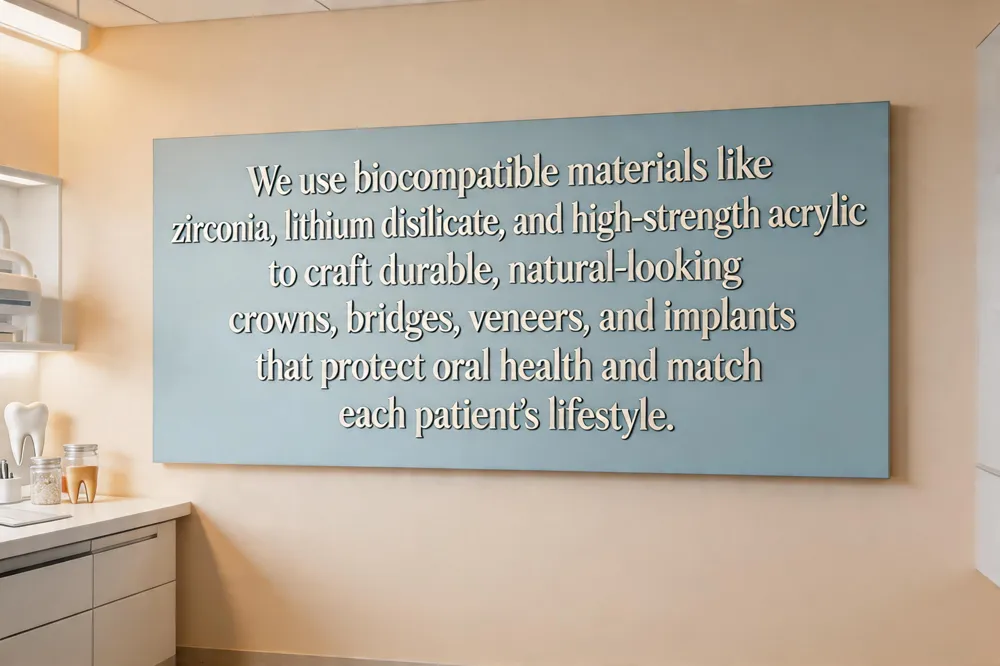 Modern restorative dentistry is a proven way to bring damaged or missing teeth back to full function and a natural look. Dental labs such as Rutherford Dental Lab and Veenstra Family Dental’s in‑house team use state‑of‑the‑art CAD/CAM design, 3‑D printing, and high‑quality materials—zirconia, lithium disilicate (e.max), porcelain‑fused‑to‑metal and biocompatible composites—to craft crowns, bridges, veneers and implant‑supported prosthetics that match the shape, shade and translucency of your own teeth. This technology ensures durable, comfortable restorations that protect surrounding teeth and restore confidence in speaking and eating.
Does tooth restoration really work? Yes—restorations such as tooth‑colored fillings, crowns, bridges and implants are designed to be virtually invisible and to function like healthy teeth for many years. By reinforcing weakened structures and replacing lost ones, they improve bite strength, speech and overall oral health.
Why do dentists advise against veneers? Veneers require the irreversible removal of enamel, which can increase sensitivity and weaken the tooth. They do not address underlying decay or gum disease and can chip in patients who grind their teeth. Because they are costly and may need replacement, many clinicians prefer more conservative options like bonding, whitening or crowns when the tooth’s condition or lifestyle makes veneers less suitable.
Which culture has the healthiest teeth? Denmark consistently ranks among the nations with the best oral health, thanks to strong public dental care, preventive habits and widespread use of modern dental technologies.
By combining personalized care, advanced materials and a welcoming environment, practices like Veenstra Family Dental ensure that each restoration meets both functional and aesthetic goals for patients of all ages.
Collaboration with Veenstra Family Dental: Delivering Seamless Care
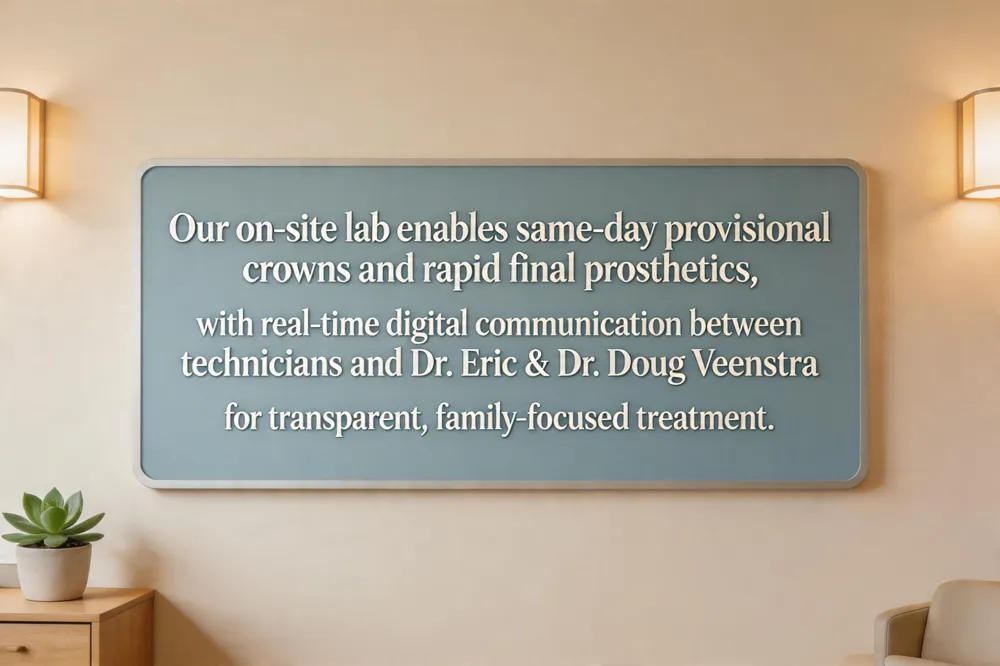 Veenstra Family Dental’s on‑site lab in Midland Park gives patients a clear advantage: restorations are crafted right in the practice, eliminating the delays of external outsourcing. Because the lab uses state‑of‑the‑art CAD/CAM, 3‑D printing, and digital shade matching, the team can produce same‑day provisional crowns and bridges, often delivering final prosthetics within one to two days. This rapid turnaround is paired with transparent communication—technicians review digital scans, discuss shade and occlusion with Dr. Eric and Dr. Doug Veenstra, and keep patients informed through easy‑to‑understand explanations. The result is a family‑focused environment where modern technology meets personalized care, strengthening the local community’s trust in high‑quality, comfortable dental solutions.
Putting Precision Behind Every Smile
At Veenstra Family Dental, our in‑house laboratory blends artistry with cutting‑edge technology to craft restorations that fit each patient perfectly. Led by Dr. Eric and Dr. Douglas Veenstra, the lab team includes certified technicians who master CAD/CAM design, 3‑D printing, and digital shade matching, using premium materials such as zirconia and lithium disilicate. Every crown, bridge, or denture undergoes rigorous quality checks to ensure comfort, durability, and a natural look. Our patient‑first philosophy means we communicate clearly, adjust plans in real time, and aim for same‑day or rapid turnaround when possible. Discover how our personalized approach can enhance your smile—call or visit us today to schedule a free consultation.