Welcome to a Patient‑Centered Dental Experience
At Veenstra Family Dental, every visit is designed around the whole family, from curious toddlers to seniors, ensuring a calm, supportive atmosphere. Our state‑of‑the‑art digital scanners, laser tools and computer‑controlled anesthesia eliminate uncomfortable impressions, noisy drills and painful injections, making treatment quicker and gentler. Behind the technology, our team prioritizes clear, simple explanations, active listening and genuine empathy, inviting questions and using hand signals so patients feel in control. By blending family‑focused care, cutting‑edge comfort technology, and compassionate communication, we create a welcoming environment where patients of all ages can relax and receive the highest quality dental care.
Creating a Calm Environment: Communication and Non‑Verbal Cues
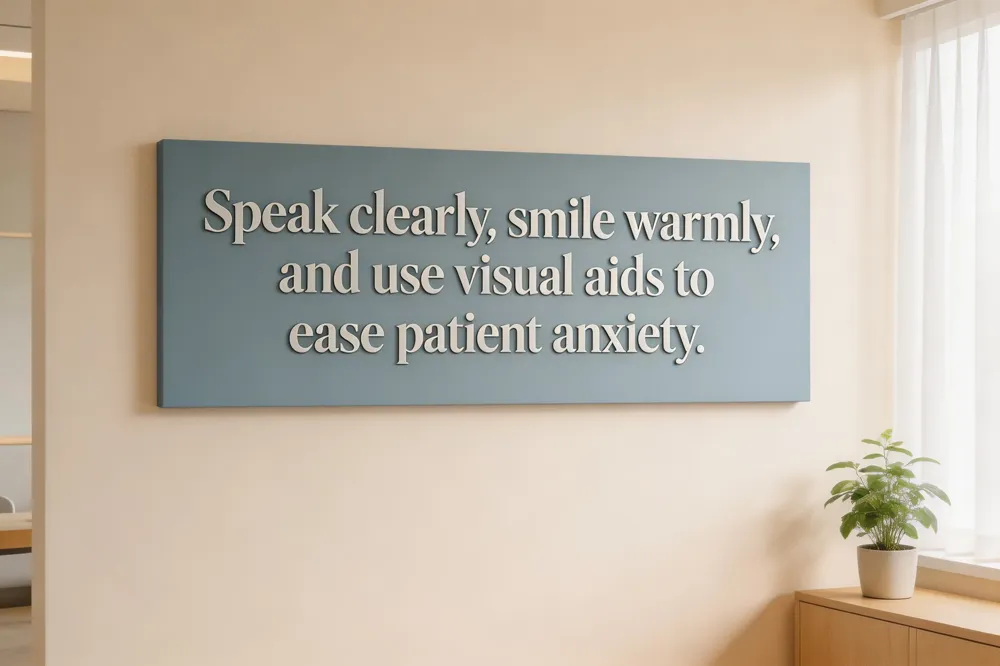 Effective communication is the cornerstone of comfort dentistry. Using clear, simple language—like saying "germ" instead of "bacteria"—helps patients of procedures without feeling overwhelmed. Active listening and genuine empathy empower patients to voice concerns; a dentist who repeats back a patient’s fear shows they are heard and reduces stress. Positive non‑verbal cues—steady eye contact, a warm smile, open posture, and gentle hand gestures—signal safety and build trust before any word is spoken. Visual aids such as tooth models, intra‑oral scans, or radiographs turn abstract explanations into concrete images, easing uncertainty and allowing patients to ask informed questions.
Why is communication important in dental hygiene? Clear communication builds trust, encourages patients to share worries, and ensures they understand preventive instructions, leading to better oral‑health outcomes and reduced anxiety.
Non‑verbal communication in dentistry eye contact, facial expressions, and relaxed body language convey compassion and calm; clinicians should watch patients’ breathing and tension to address hidden fear.
What is a needle‑phobia dentist? A needle‑phobia dentist specializes in treating patients with intense needle fear, using topical anesthetics, distraction, deep‑breathing, and optional mild sedation to make injections tolerable while maintaining high‑quality care.
Managing Dental Anxiety: Techniques, Sedation, and Phobia Care
 What can I take for anxiety before dental work?
Dentists may prescribe a low‑dose benzodiazepine such as diazepam or lorazepam taken the night before or the morning of the visit. For rapid, short‑acting relief, nitrous‑oxide (laughing gas) is inhaled during treatment. Options like valerian tea can help, but discuss your medical history with the dentist.
How to stay calm during a dental procedure?
Slow deep breathing or a counting technique shifts focus away from the drill. Progressive muscle relaxation and guided imagery create a soothing mental scene. Listening to music through noise‑cancelling headphones or watching a calming video provides distraction. Let the team know a hand‑signal you can use for a brief pause.
Dental anxiety symptoms include rapid heartbeat, sweating, trembling, nausea, shortness of breath, and a feeling of dread. Patients may experience intrusive thoughts about needles, drills, or pain, and may avoid or delay appointments. Emotional signs are heightened fear, crying, or aggression, while cognitive signs involve difficulty concentrating. Recognition of these cues lets the dental team tailor overall communication, visual aids and sedation to keep you patient comfortable.
Effective Pain Management: From OTC to Prescription
 Modern dental care at Veenstra Family Dental uses a step‑wise, evidence‑based approach to keep you comfortable after any procedure.
First‑line NSAID therapy – The most reliable first‑line treatment for acute dental pain is a non‑steroidal anti‑inflammatory drug such as ibuprofen (200‑400 mg every 4‑6 hours) or naproxen sodium (440 mg every 8‑12 hours). NSAIDs reduce inflammation and often provide better relief than opioids.
Acetaminophen and combination therapy – When an NSAID alone is insufficient or contraindicated, acetaminophen (500 mg) can be added. The combination of ibuprofen + acetaminophen offers superior analgesia without extra side‑effects.
Opioid stewardship and tramadol dosage – Opioids are reserved for severe pain that does not respond to the above measures. Tramadol, if needed, is prescribed at 50‑100 mg every 4‑6 hours (max 400 mg/day) and only for the shortest duration. We discuss risks, provide tapering plans, and avoid routine “just‑in‑case” prescriptions.
Post‑operative pain protocols – After most procedures, patients are instructed to use NSAIDs (ibuprofen 400‑600 mg) or the NSAID + acetaminophen combo, take ice packs, rest, and maintain gentle oral hygiene. If pain persists, a brief low‑dose opioid course may be added for no more than three days.
Frequently asked questions
- What is the best pain management for dental pain? NSAIDs first, acetaminophen or NSAID + acetaminophen combo next, opioids only as a last resort.
- Tramadol for dental pain dosage – 50‑100 mg every 4‑6 hours, max 400 mg/day, lower for seniors or renal/hepatic impairment.
- Post‑operative pain management in dentistry – Start with NSAID (ibuprofen 400‑600 mg) or NSAID + acetaminophen; add a short‑term low‑dose opioid only if needed, and avoid alcohol or over‑use.
Our team tailors each plan to your health history, ensuring safe, compassionate relief for patients of all ages.
Practical Home Strategies: Oral Hygiene, the 3‑3‑3 Rule, and Remedies
 A solid daily oral‑care routine—brushing twice a day, flossing, and rinsing with fluoride—lays the foundation for a calm dental experience. To make it even more effective, many dentists recommend the 3‑3‑3 rule: brush three times daily, spend a full three minutes each session, and replace your brush (or power‑head) every three months. This simple cadence keeps plaque at bay and reduces the inflammation that often fuels anxiety about future visits.
When sudden tooth pain strikes, gentle home remedies can provide quick relief while you schedule an appointment. A warm salt‑water rinse, a cold compress on the cheek, or a dab of clove oil can soothe discomfort. A cooled tea bag or over‑the‑counter ibuprofen/acetaminophen (as directed) further eases pain without masking the underlying issue.
Regular preventive check‑ups are a powerful anxiety‑buster. Knowing your oral health status, receiving clear explanations, and experiencing a welcoming, modern office environment build trust and diminish fear. When patients feel informed and supported, they are more likely to maintain home‑care habits, keep pain at bay, and visit the dentist with confidence.
Bridging Gaps: Language Barriers, Patient Signals, and Follow‑Up Care
 Effective communication is the foundation of comfort dentistry. When language barriers arise, patients may miss crucial diagnoses, treatment options, or home‑care instructions, leading to poorer outcomes. Veenstra Family Dental provides professional interpreters—by phone, video, or in‑person—and supplements spoken dialogue with illustrated brochures and simple written guides in the patient’s primary language. Staff greet patients with basic greetings in their language and verify understanding by asking patients to repeat key points.
Patient‑controlled stop signals give individuals a sense of control during treatment. A clear hand‑signal or word is agreed upon before the procedure starts, allowing patients to pause work if discomfort or anxiety spikes. This simple tool reduces fear and builds trust.
Post‑appointment follow‑up is equally essential. A brief phone call, secure message, or email within 24‑48 hours checks on recovery, answers lingering questions, and gathers feedback through a short survey. Insights guide continuous improvement and reassure patients that their comfort matters.
Finally, regular staff education on cultural competence, communication skills, and new comfort technologies ensures the whole team remains adept at reducing anxiety and enhancing the patient experience for all ages.
Your Comfort Is Our Commitment
At our practice we design personalized care plans that match each patient’s fears, preferences, and pace—whether you’re a child, an adult, or a senior. Our entire team undergoes regular training in empathy, clear communication, and the latest comfort‑focused techniques such as visual aids, noise‑cancelling headphones, and gentle anesthesia delivery. By continuously reviewing patient feedback and staying current with evidence‑based anxiety‑reduction strategies, we ensure every visit feels safe and welcoming. Ready to experience dentistry that truly puts you at ease? Call or message us today to schedule your appointment and discover how we make comfort a priority for every smile.