A Personal Introduction
When I first learned about full‑mouth reconstruction, I was drawn by the promise of a functional, natural‑looking smile that could finally let me eat, speak, and laugh without hesitation. Years of worn crowns, intermittent pain, and a misaligned bite left me worried about the cost, the length of treatment, and whether the final result would look realistic. I hesitated, wondering if digital imaging and CAD/CAM technology could truly capture my smile goals and if a multidisciplinary team could address both aesthetics and function. My expectations were clear: a comfortable, pain‑free process, a durable restoration, and a confidence boost that would last for years.
Understanding Full Mouth Reconstruction
 Full‑mouth reconstruction is a comprehensive, personalized treatment plan that restores every tooth in both arches when they are severely damaged, missing, or misaligned. The scope can include custom crowns, bridges, veneers, dental implants, orthodontic adjustments, and periodontal therapy, all aimed at improving chewing efficiency, speech clarity, facial aesthetics, and overall oral health.
Modern dentistry makes this complex work possible with cutting‑edge technology. Digital imaging and cone‑beam CT scans create a three‑dimensional view of the bite and bone structure, while CAD/CAM software and 3‑D printing fabricate precise, lifelike restorations in a fraction of the time traditional methods require. These tools allow the dentist to design a smile that fits perfectly, match the natural tooth color, and ensure optimal occlusion before any permanent work is placed.
Before the final prosthetics are cemented, temporary mock‑ups are crafted so patients can "test drive" the new bite, appearance, and function. This step, combined with a multidisciplinary team—including prosthodontists, restorative dentists, oral surgeons, and dental laboratory technicians—ensures that functional needs and aesthetic goals are met in harmony.
Is full mouth reconstruction worth it? Yes, for patients whose teeth are extensively compromised, a full‑mouth reconstruction can be a worthwhile investment. It restores proper chewing, speech, and facial support while delivering a healthier, more attractive smile. By addressing multiple problems in a coordinated plan, it often prevents future complications and improves long‑term oral stability. The procedure is extensive, may require several appointments, surgeries, and a considerable financial commitment that isn’t always fully covered by insurance. Success also depends on diligent after‑care and good oral‑hygiene habits to maintain the results. Ultimately, if you have extensive dental issues and are prepared for the time, cost, and maintenance, full‑mouth reconstruction is generally worth it; otherwise, a less invasive, phased approach may be more appropriate.
Choosing the Right Dental Team
 Finding the best dentist starts with practical considerations. Look for a practice that’s close to home or work, offers flexible office hours (many Midland Park offices, for example, are open evenings and Saturdays), and accepts your insurance or provides financing options such as CareCredit, Lending Club, or in‑office payment plans. Verify that the dentist is a member of the American Dental Association (ADA) – the ADA’s Find‑A‑Dentist tool and local dental societies are reliable resources for vetted providers. Personal referrals from friends, family, or your primary care physician add another layer of confidence.
When you narrow your list, schedule a brief “meet‑and‑greet” visit. Observe the welcoming, family‑focused atmosphere, ask about the use of modern technology (digital imaging, CAD/CAM, 3‑D printing), and discuss how emergencies are handled after hours. Bring your dental records and inquire about preventive care strategies, hygiene protocols, and how your medical history will be protected. Choose the team that communicates clearly, makes you feel comfortable, and positions itself as a long‑term partner in your oral health.
My Experience with Veenstra Family Dental
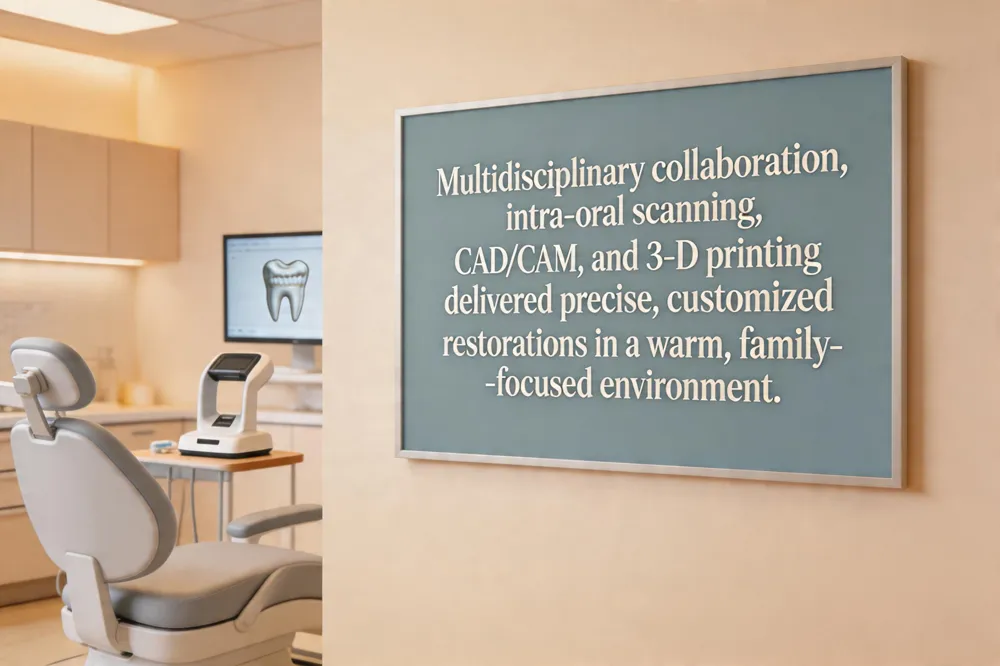 From the first consultation, Veenstra Family Dental demonstrated true multidisciplinary collaboration—prosthodontists, restorative dentists, and an expert dental lab worked together to design my full‑mouth reconstruction. Using intra‑oral scanners, CAD/CAM milling, and 3‑D printed models, the team created precise, custom crowns that matched my natural bite and smile line, allowing me to preview the final result before any permanent work was placed. The office feels like a welcoming family home: the staff greet you by name, explain each step in plain language, and provide gentle, pain‑free care that eases any anxiety.
How do you compliment a good dentist? A sincere compliment should highlight both the dentist’s skill and the caring atmosphere they create. Mention specific moments, such as “Your gentle technique made my root canal painless” or “You took the time to explain every step, which eased my anxiety.” Acknowledge the whole team, noting how the staff’s friendliness and professionalism added to the positive experience. Express gratitude for the dentist’s dedication and how it made a real difference in your oral health. End with a personal note of appreciation, like “I’m lucky to have such expert and compassionate care.”
Implants and Their Challenges
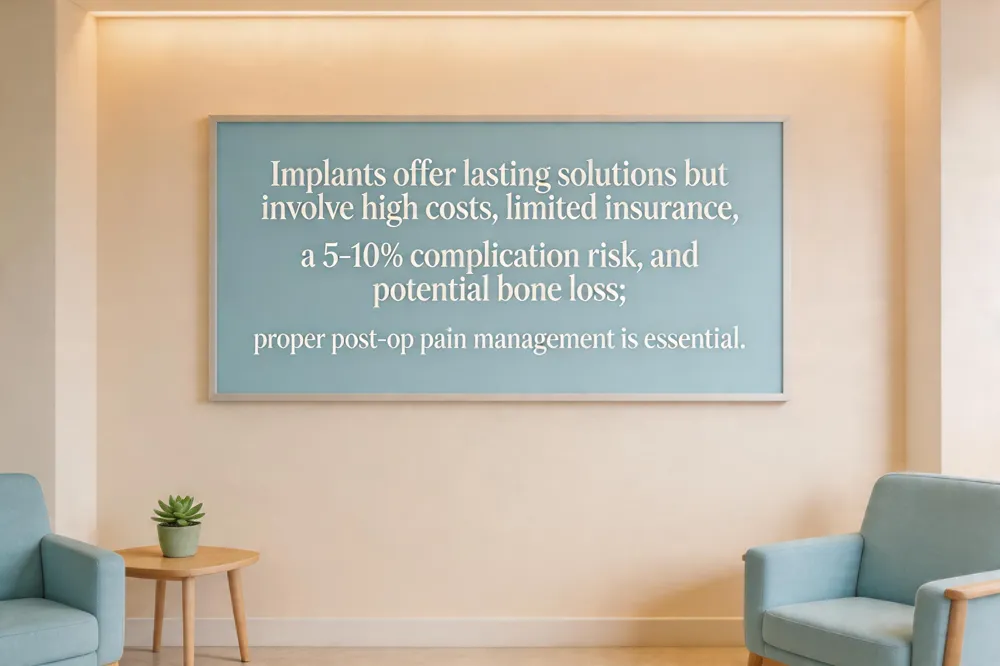 Potential downsides include a significant financial investment—often tens of thousands of dollars—and limited insurance coverage for the implants and their restorations. Surgical placement carries a 5‑10 % complication rate, with risks like infection, nerve injury, prolonged bleeding, delayed bone healing, or, rarely, jaw fractures. Over time, prosthetic crowns may need replacement, and some patients experience gradual bone loss around the fixtures.
Post‑operative pain can be managed with the 3‑3‑3 rule: take three 200‑mg ibuprofen tablets every three hours, for no more than three days. Discuss these considerations with your dentist to determine if full‑mouth implants are right for you.
Lessons Learned and Final Thoughts
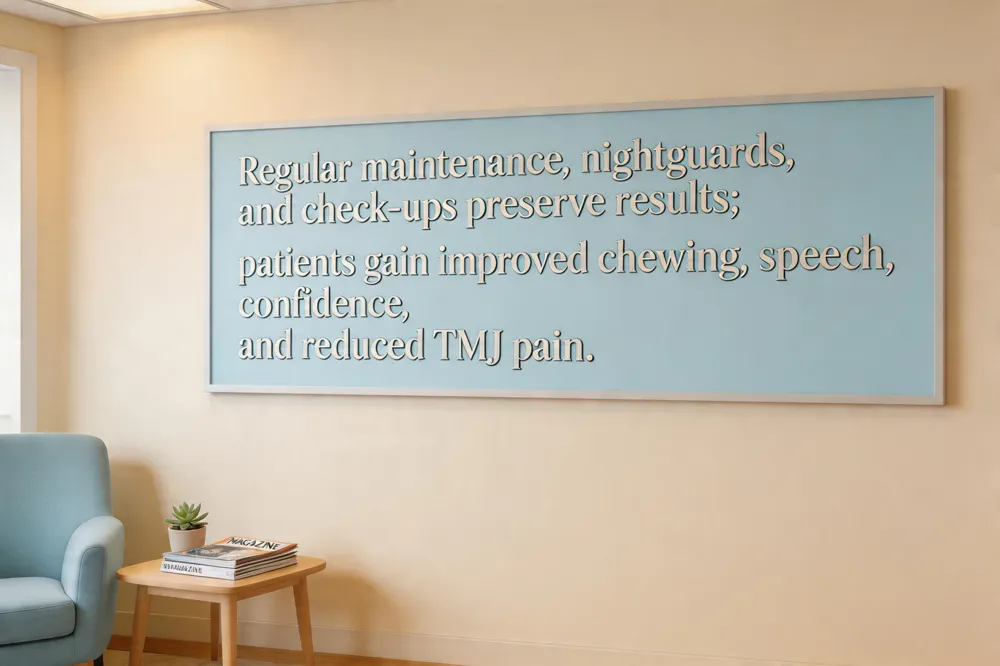 Post‑treatment maintenance and long‑term care – Regular cleanings, proper oral hygiene, and a nightguard when needed protect the restorations.
going check‑ups catch issues early and preserve the implant‑supported smile for decades.
Emotional and functional benefits after completion – Patients report restored chewing efficiency, clearer speech, and a dramatic boost in confidence. A natural‑looking smile reduces self‑consciousness, improves nutrition, and even alleviates TMJ‑related pain, leading to a healthier, happier life.
Looking Ahead
Choosing a full‑mouth reconstruction can feel daunting, but the stories of patients like Teri, Nancy, and many others prove that a confident, functional smile is within reach. If you’re considering this journey, talk openly with a compassionate team—your personalized plan will address both health and aesthetics. After treatment, regular dental cleanings, proper brushing, flossing, and possibly a nightguard are essential to protect restorations. Schedule check‑ups every six months, and keep up with any recommended imaging or adjustments. By maintaining diligent oral hygiene and following professional guidance, your new smile can stay bright, comfortable, and durable for years to come and happiness.