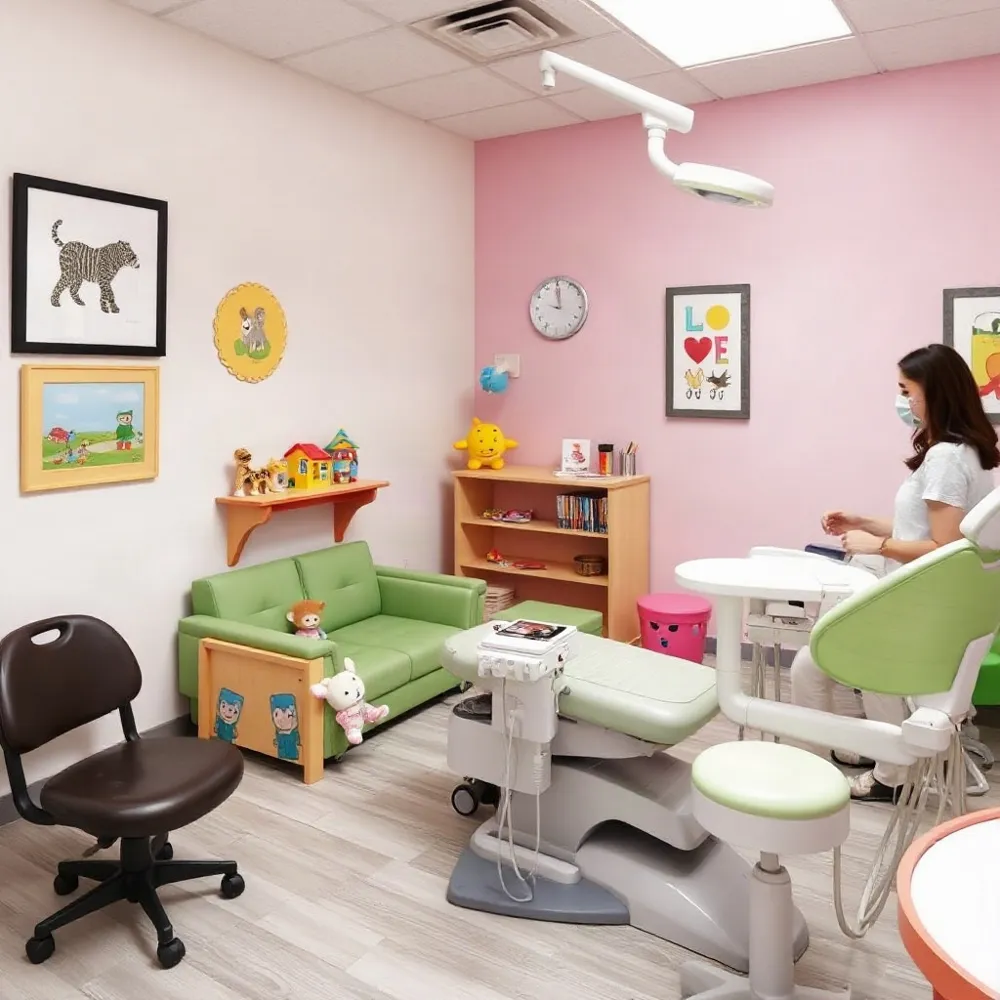
Understanding Preventive Dentistry: The Foundation of Oral Health
What is Preventive Dentistry?
Preventive dentistry focuses on practices designed to maintain oral health and prevent dental diseases before they develop. It plays a vital role in ensuring a healthy smile by reducing the likelihood of cavities, gum disease, and other oral health problems.
Core Practices Involved
Key preventive services include routine dental exams, professional cleanings, fluoride treatments, and dental sealants. These interventions help strengthen tooth enamel, protect hard-to-clean areas like molars, and remove plaque and tartar that everyday brushing can miss.
Importance of Early Intervention
Early detection through regular check-ups allows for prompt treatment of decay or gum issues, preventing complex procedures later. Preventive care is not only more effective but also more cost-efficient, often avoiding the need for costly restorations.
Coverage under Dental Insurance Plans
In the United States, many dental insurance plans cover preventive services fully or with minimal out-of-pocket expenses. These typically include two dental cleanings and exams per year, encouraging consistent care.
Role of Good Oral Hygiene Habits
Maintaining oral health requires daily habits such as brushing twice with fluoride toothpaste, flossing, and limiting sugary foods. These home care routines complement professional preventive care and are essential for long-term oral health.
Regular preventive dentistry helps individuals of all ages maintain healthy teeth and gums, contributing to overall well-being and confidence.
Routine Dental Care: Essential Visits for a Healthy Smile
What is routine dental care and why is it important?
Routine dental care, often called Preventive Care, consists of scheduled visits to the dentist, typically every six months. These appointments include comprehensive examinations, Professional dental cleanings, and diagnostic X-rays. Their primary goal is to preserve oral health and overall health by identifying problems early before they escalate into more severe issues.
What does routine dental care include?
Routine care generally features:
- Dental exams: Screening for cavities, gum disease, oral cancer, and other dental abnormalities.
- Professional cleanings: Removing plaque and tartar that routine brushing and flossing cannot reach.
- Routine dental X-rays: Detecting hidden tooth decay, bone loss, or other structural concerns.
- Fluoride Treatments and Dental Sealants: Strengthening Tooth Enamel and Protecting Teeth from decay, especially in children.
Why are regular visits important and how often should you go?
Regular dental visits play a pivotal role in Early Detection of Issues such as cavities and gum disease. The American Dental Association recommends visits every six months for most patients, though frequency may vary depending on individual oral health needs.
What procedures are performed during check-ups?
Procedures include thorough oral examinations, Plaque and Tartar Removal, Oral cancer screenings, and personalized oral hygiene guidance. If early issues are detected, treatments like Fluoride Treatments, fillings, or deep cleanings can be promptly provided to prevent progression.
How does home care complement professional dental visits?
Daily oral hygiene — Brushing teeth twice a day with fluoride toothpaste, flossing, and using mouthwash — supports preventive visits by controlling plaque and minimizing risk factors. Maintaining a balanced diet and avoiding tobacco further enhances oral health outcomes.
Consistent Routine dental care fosters a healthier and brighter smile while also contributing to overall oral health and overall health by reducing risks linked to oral infections. Engaging in both Preventive dentistry services and routine dental visits and effective Home Oral Care essentials ensures the best defense against Dental Problems throughout life.
Distinguishing Routine Care from Basic Dental Care: Prevention Versus Treatment
What is the difference between routine dental care and basic dental care?
Routine dental care is centered on Preventive Dentistry. This includes Regular dental check-ups, Professional dental cleanings, Fluoride treatments, and Oral cancer screening. The goal is to Maintain Oral Health, detect early signs of decay or gum disease, and avoid more complex problems.
Basic dental care refers to the treatment of dental problems once they arise, such as fillings for cavities, extractions of damaged teeth, or root canal therapy. These procedures address existing conditions rather than preventing them.
Focus on prevention versus correction
Routine care focuses on prevention and early diagnosis, helping to keep teeth and gums healthy through early interventions. Basic care is corrective, involved when preventive measures haven’t fully succeeded or issues are found too late for simple treatment.
Examples of services in each category
-
Routine dental care services:
- Routine dental exams, Dental hygiene appointments to Remove Plaque and Tartar
- Digital X-rays to detect hidden problems
- Fluoride Treatments to Strengthen Tooth Enamel
- Dental Sealants as Protective Coatings on Molars
- Oral cancer screenings
-
Basic dental care services:
- Fillings to repair cavities
- Tooth extractions
- Root canal treatments
- Crowns or bridges to restore damaged teeth
Benefits of prioritizing preventive visits
Prioritizing routine dental visits lowers the risk of developing serious dental issues, reduces treatment costs, and preserves natural teeth longer. Early diagnosis through routine care facilitates less invasive treatments and improves overall health, as oral health and overall health are linked, with poor oral hygiene associated with systemic conditions such as heart disease and diabetes.
Role of technology in early diagnosis
Modern Preventive Dentistry benefits from technologies like digital radiography, CAD/CAM same-day crowns, and intraoral cameras. These advancements enable dentists to detect dental problems earlier and provide efficient, comfortable care, enhancing the effectiveness of routine dental visits.
Daily Habits for Optimal Oral Hygiene: The Best Routine
What is the best daily routine for dental care?
A comprehensive daily oral care routine begins with Brushing teeth twice a day using fluoride toothpaste. This helps remove plaque, Strengthen Tooth Enamel, and prevent cavities. Proper brushing technique involves gently angling the Soft-bristled toothbrush benefits toward the gumline and using circular motions to clean all tooth surfaces thoroughly.
Why is flossing and interdental cleaning important?
Cleaning between teeth daily with dental floss or interdental brushes removes food particles and plaque buildup in areas a toothbrush can't reach. This practice is critical to Reduce Cavities and Reduce the risk of gum disease, tartar formation, and cavities developing between teeth.
How do sugar and acidic foods impact oral health?
Limiting sugary snacks and drinks, especially between meals, significantly curbs the acid production by oral bacteria that erodes enamel and causes cavities. Likewise, reducing acidic food intake protects enamel from erosion. When consuming acidic foods or drinks, waiting at least an hour before brushing helps preserve enamel. These are important aspects of Proper oral hygiene practices.
What roles do mouthwash and tongue cleaning play?
Using an antibacterial mouthwash can help control plaque and balance oral bacteria. Regularly brushing or scraping the tongue removes bacteria that cause bad breath and supports overall oral health. These steps are essential Proper oral hygiene practices.
How does avoiding tobacco benefit your teeth?
Tobacco use contributes to staining, gum disease, tooth loss, and increases risk for oral cancer. Avoiding tobacco for oral health protects your smile and supports systemic health.
How do these habits complement professional dental care?
Daily hygiene habits complement Routine Dental Cleanings by controlling plaque and Maintain Oral Health between appointments. Professional care detects early signs of decay or gum disease and applies treatments like Fluoride Treatments and Dental Sealants to Prevent Dental Problems.
Maintaining these simple, effective daily habits paired with Routine dental care builds a strong foundation for a healthy, confident smile at any age.
Common Oral Health Conditions and Their Prevention
What are common oral health diseases?
Common oral diseases include tooth decay, gum diseases like gingivitis and periodontitis, oral cancer, dental abscesses, and enamel erosion.
Tooth decay and cavity formation
Tooth decay happens when bacteria in the mouth feed on sugars, producing acids that damage the enamel and create cavities. This common condition may cause pain and tooth loss if untreated. Fluoride Treatments and Dental Sealants provide protective barriers and Strengthen Tooth Enamel, reducing decay risk.
Gum diseases: gingivitis and periodontitis
Gingivitis is the early stage of gum disease, causing gum inflammation and bleeding. Without treatment, it may progress to periodontitis, involving gum infection, bone loss, and possible tooth loss. Regular Plaque and Tartar Removal through cleaning and good Proper Oral Hygiene Practices prevents these conditions.
Oral cancer detection and risk factors
Oral cancer can be detected during Routine Dental Checkups through Oral Cancer Screenings. Tobacco use, excessive alcohol, and poor hygiene increase risk. Early Detection of Issues improves treatment outcomes significantly.
Enamel erosion and dental sensitivity
Acidic foods and drinks erode enamel over time, leading to sensitivity and an increased cavity risk. Advising patients to wait at least an hour after acidic consumption before brushing helps protect enamel. Enamel Protection Tips and Oral Health Diet Recommendations are essential in managing dental sensitivity.
Preventive strategies for common diseases
Maintaining oral health involves Brushing Teeth Twice a Day with fluoride toothpaste, daily flossing, Teeth Cleaning Services every six months, Fluoride Treatments, and Dental Sealants for vulnerable teeth surfaces. A balanced diet low in sugar, avoiding tobacco, and Regular Dental Visits allow Early Detection of Issues, reducing the need for complex procedures and supporting overall health.
Benefits of Comprehensive Preventive Dental Care: Beyond Just Teeth
What are the benefits of comprehensive dental care?
Comprehensive dental care offers a holistic approach to maintaining and enhancing oral health by seamlessly combining Preventive Dentistry, restorative, and cosmetic dental services in one place. This approach ensures that patients can receive Dental sealants for cavity prevention, alongside prompt restorative treatments such as fillings and crowns when needed, and cosmetic procedures to improve smile aesthetics.
Having preventive and restorative options available under one roof promotes personalized care; your dental team becomes familiar with your unique dental history, enabling tailored treatment plans that support long-term oral health. This continuity reduces the risk of overlooked issues and streamlines care strategies, ultimately enhancing treatment effectiveness.
Moreover, this integrated model increases convenience and cost-effectiveness. Patients save time by coordinating appointments for multiple services in a single visit and often benefit from financial savings by avoiding complicated treatments through early intervention. For families, it simplifies oral health management by addressing the needs of all ages within one practice.
Importantly, maintaining good oral health through comprehensive preventive care contributes to better oral health and overall health outcomes. Effective management of dental diseases reduces risks linked to systemic conditions such as heart disease, diabetes, and pregnancy complications.
In summary, comprehensive Preventive Dentistry supports a healthier smile, enhanced comfort, and improved quality of life through a patient-focused, efficient, and professionally coordinated approach.
Maximizing the Impact of Preventive Dentistry: Professional Care Meets Technology and Education

What types of dentists provide preventive dental care?
Preventive dental care is mainly delivered by general dentists, often called family dentists, and pediatric dentists who focus on children's oral health. They provide essential services such as check-ups, professional cleanings, fluoride applications, sealants, and routine X-rays—typically every six months. Maintaining good oral hygiene habits at home complements these professional services, helping prevent cavities and gum disease.
How does advanced technology enhance preventive care?
Modern dental practices incorporate advanced technology to improve diagnosis and treatment comfort. Digital X-rays reduce radiation exposure by about 70% compared to traditional methods while offering precise imaging for early detection of hidden cavities and gum disease. Tools like intraoral cameras and CBCT scans allow dentists to identify oral problems accurately and explain conditions in an accessible way. Minimally invasive devices such as laser treatments provide effective cleaning and reduce patient discomfort during dental procedures.
Why are dental sealants, fluoride treatments, and cleanings important?
Dental sealants are clear, protective coatings applied mainly on molars to shield vulnerable biting surfaces from plaque and food debris, significantly reducing cavity risk. Fluoride treatments help strengthen tooth enamel and can reverse early signs of decay, offering protection for up to six months. Professional routine dental cleanings remove plaque and hardened tartar that daily brushing and flossing cannot eliminate, maintaining oral health and preventing disease progression.
What role do public health initiatives like community fluoridation play?
Community water fluoridation is a proven, cost-effective public health measure that lowers the occurrence of tooth decay across all age groups. By maintaining optimal fluoride levels in drinking water, it supports enamel protection tips and complements individual oral care routines. This widespread initiative benefits populations by reducing cavities and dental treatment needs.
How do patient-centered approaches and modern treatment tools improve care?
Dental practices emphasize patient comfort and personalized treatment plans, fostering a welcoming environment for individuals of all ages. Using tools such as the Solea CO2 laser and the WaveOne endodontic system, dentists provide less invasive and more efficient care. Additionally, programs like in-house Care Plus plans help patients without insurance access preventive services and discounts, ensuring broader oral health maintenance.
How does insurance coverage affect access to preventive care?
Many dental insurance plans cover preventative services fully or with minimal copayments, including two professional cleanings and exams annually. This coverage encourages regular dental visits, enabling early detection and treatment of dental issues, which reduces costly interventions later. Understanding individual plan details helps patients maximize benefits and maintain optimal oral health.
| Aspect | Details | Benefit |
|---|---|---|
| Dentists Providing Care | General and pediatric dentists performing check-ups, cleanings, fluoride, and sealants | Early detection and consistent care |
| Advanced Technology | Digital X-rays, intraoral cameras, lasers, CBCT imaging | Safer diagnostics, less discomfort, improved outcomes |
| Preventive Treatments | Fluoride treatments, dental sealants, routine dental cleanings | Stronger tooth enamel, cavity prevention, gum disease control |
| Public Health Initiatives | Community water fluoridation | Population-wide reduction in cavities |
| Patient-Centered Care | Personalized treatments, Care Plus plans, minimally invasive tools | Increased comfort and access, tailored preventive plans |
| Insurance Coverage | Coverage of biannual cleanings and exams | Encourages regular visits, lowers out-of-pocket costs |
Investing in Your Smile: The Long-Term Value of Preventive Dentistry
Essential Preventive Practices
Maintaining your oral health begins with regular dental check-ups, professional cleanings, fluoride treatments, and the use of dental sealants. These practices strengthen enamel, prevent cavities, and remove plaque and tartar build-up that home care alone cannot eliminate.
Impact on Oral and Overall Health
Preventive care helps avoid serious dental issues like gum disease, which is linked to systemic conditions including heart disease and diabetes. Early detection during routine visits also allows treatment of oral cancer and manages risks to overall health.
Cost Savings and Quality of Life
Investing in preventive dentistry reduces the need for complex, costly treatments later on. Maintaining healthy teeth and gums supports proper nutrition, speech, and self-confidence, enhancing daily quality of life.
Encouraging Routine Care
Committing to professional dental visits alongside diligent daily brushing, flossing, and a balanced diet establishes a foundation for lifelong oral health. This combined approach ensures a healthy, confident smile that lasts.