Opening the Door to a Fear‑Free Dental Experience
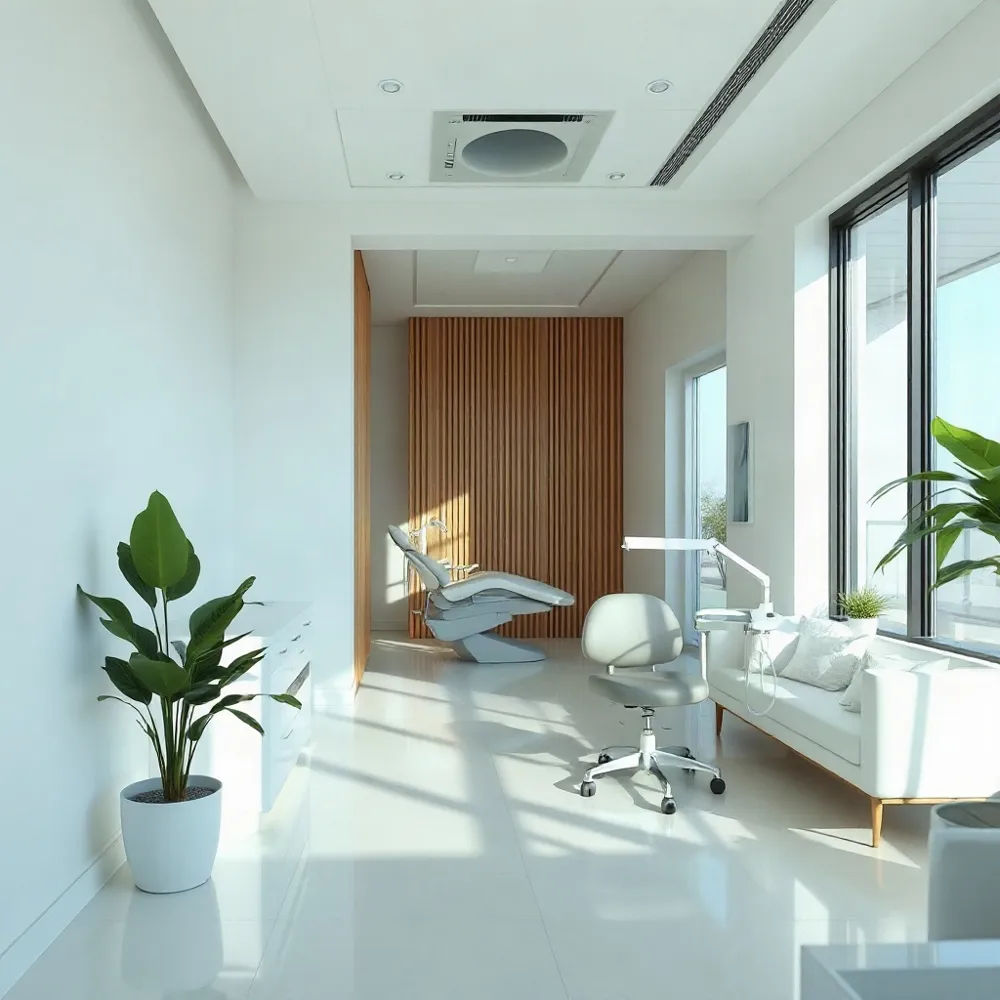
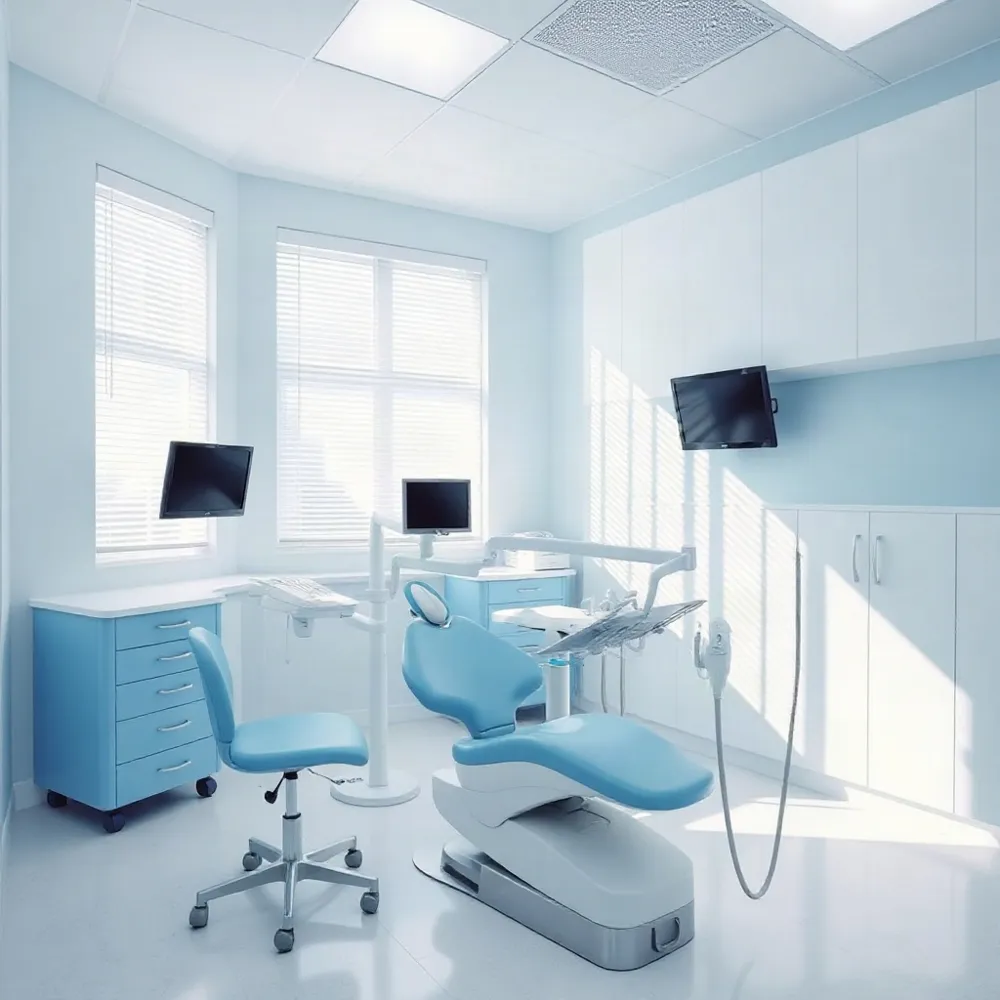
Approximately 15‑20 % of U.S. adults experience dental anxiety, and many avoid routine care, leading to cavities, gum disease and tooth loss. At Veenstra Family Dental in Midland Park, NJ, the team turns that statistic into a story of confidence. From the moment a patient steps through the door, staff listen attentively, explain each step in plain language and offer a signal system to pause treatment if needed. The practice equips the office with digital X‑rays, intra‑oral cameras, 3‑D imaging and computer‑controlled anesthesia delivery, which shorten appointments and reduce needle discomfort. Options such as nitrous‑oxide “laughing gas,” oral sedatives and IV sedation are tailored to each patient’s fear level, creating a calm, spa‑like environment where every age group feels safe and respected.
Understanding Dental Anxiety and Its Symptoms
 Dental anxiety can manifest both physically and emotionally. Common physical signs include a racing heartbeat, sweating, trembling, shortness of breath, nausea, dizziness, light‑headedness, or even fainting and low blood pressure. Emotionally, patients often feel an overwhelming sense of dread or panic, may cry, become visibly distressed, or use humor or aggression to mask their fear. The “butterflies” feeling in the stomach and a strong urge to avoid the appointment are also typical. These symptoms frequently lead to missed check‑ups, which can worsen oral health over time.
Dental anxiety often stems from previous painful or traumatic dental experiences that create a lasting fear of treatment. The innate fight‑or‑flight response and a genetic predisposition to heightened pain sensitivity can amplify that fear. Feeling a loss of control or vulnerability when a provider works inside the mouth, the sounds and smells of the dental office, negative media portrayals, stories from friends or family, and embarrassment about oral health all contribute. A family history of anxiety disorders can further increase the likelihood of dental anxiety.
Family Dentistry vs. General Dentistry
 Is family dentistry the same as general dentistry? While both share the same core education and provide essential services such as cleanings, fillings, crowns and preventive care, family dentistry is an age‑inclusive model that treats everyone from infants to seniors under one roof. General dentists may focus on a specific demographic, whereas a family dentist offers coordinated scheduling, a single dental record, and consistent preventive strategies for the whole household.
What is a family dental practice? A family dental practice is a modern, compassionate office that delivers comprehensive oral health care for patients of all ages. It typically incorporates advanced tools like digital X‑rays, intra‑oral cameras, laser dentistry and sedation options (nitrous oxide, oral or IV) to reduce anxiety and improve comfort. At Veenstra Family Dental in Midland Park, NJ, families benefit from a one‑stop team of specialists, flexible financing, and a welcoming atmosphere that makes routine visits, orthodontics, implants, and cosmetic treatments stress‑free for every member of the family.
Types of Dental Phobia and Specific Fears
 Dental phobia can manifest in several distinct forms. The most common is general dental anxiety (odontophobia), where the mere thought of a dental visit triggers panic. Specific fears include the of pain, needles (trypanophobia), the loud sound of drills, loss of control, gagging, and even the smell of the office. Some patients feel embarrassed about the condition of their teeth or recall past traumatic experiences. Identifying the exact fear helps the dental team choose the right coping tools—relaxation techniques—gentle communication, or targeted sedation.
The fear of teeth falling out is often called odontophobia or “teeth‑loss anxiety.” It can cause rapid heartbeat, sweating, and avoidance of care because patients dread losing their teeth. At Veenstra Family Dental we address this concern with compassionate explanations, digital smile simulations, and calming sedation options such as nitrous oxide or IV sedation.
Dentophobia, also known as dental phobia, is an intense, irrational fear of dental settings, procedures, or the dentist. Symptoms may include nausea, intrusive catastrophic thoughts, and an urge to flee the chair. Management combines gradual exposure, deep‑breathing or guided imagery, and when appropriate, mild sedation administered by a caring, trained dentist.
Extreme dental phobia (severe dentophobia) can trigger panic attacks, fainting, or severe avoidance, leading to worsening oral health. Effective care blends cognitive‑behavioral therapy, compassionate communication, and short‑duration sedation (laughing gas, oral or IV sedation. Veenstra Family Dental creates a calm, trust‑building environment and tailors each visit to the patient’s comfort level, ensuring even the most fearful patients receive the preventive care they need.
Managing Fear in the Dental Chair
Can dentists practice on their family?
While the American Dental Association’s ethics code does not forbid treating relatives, most dentists avoid it to keep professional boundaries clear. Providing objective recommendations on treatment options, costs, or referrals can become difficult when personal relationships are involved. In practice, many dentists will handle routine cleanings or emergencies for close family members but will refer them to a trusted colleague for complex or elective work. If you are a family member of a dentist, discuss their comfort level and consider a second opinion for major procedures to ensure both high‑quality care and healthy family dynamics.
Scared to go to the dentist because of bad teeth?
Feeling anxious about the state of your teeth is normal, but you don’t have to face it alone. At Veenstra Family Dental we create a judgment‑free, compassionate environment. Using modern, pain‑free technology such as digital imaging, intra‑oral scanners, and gentle laser dentistry, we build a step‑by‑step treatment plan that lets you see progress without feeling overwhelmed. A friendly consultation provides clear explanations, reassurance, and a personalized roadmap to restore your oral health and confidence.
Patient‑centered communication and sedation options
Effective communication begins before you sit in the chair. Our team listens to your fears, explains each step in plain language, and offers a signal system so you can pause if needed. For anxiety relief, we provide nitrous oxide (laughing gas), oral sedatives, and IV sedation, all tailored to your comfort level. By combining transparent dialogue with safe sedation, we transform dental visits from stressful events into positive, confidence‑building experiences.
Patient Success Story: All‑on‑4 Transformation
 When dental anxiety kept her from regular check‑ups, Andrea’s oral health deteriorated to the point of tooth loss. At Veenstra Family Dental in Midland Park, NJ, she chose the All‑on‑4/All‑on‑X implant system—a full‑arch solution that uses four to six titanium implants to anchor a permanent, fixed bridge. Before any surgery, the team employed digital simulation technology, showing Andrea a realistic 3‑D preview of her future smile. Seeing the expected result reduced her fear and built trust in the treatment plan.
One of the greatest advantages for anxious patients is that the entire All‑on‑4 procedure can be completed in a single session. By consolidating implant placement, provisional bridge fitting, and final prosthetic installation into one appointment, the practice minimized the number of visits, cut time off work, and eliminated the stress of multiple appointments.
After the same‑day treatment, Andrea reported an immediate boost in confidence. She no longer hides her smile and enjoys everyday activities—eating, speaking, and socializing—without anxiety. Her story illustrates how modern implant techniques, digital planning, and compassionate, efficient care can transform fear into a lasting, confident smile.
Your Path to a Confident, Healthy Smile Starts Today
Dental anxiety can be managed with clear communication, gentle "tell‑show‑do" explanations, soothing music, aromatherapy, and calming amenities such as blankets and eye masks. Modern tools—digital X‑rays, intra‑oral scanners, computer‑controlled anesthetic delivery—reduce discomfort and procedure time. Sedation options like nitrous oxide, oral tranquilizers, and IV sleep give patients a relaxed, pain‑free experience. Veenstra Family Dental invites you to schedule a personalized consultation where we’ll discuss your fears, review a digital smile simulation, and tailor a treatment plan that fits your comfort level. Our team is dedicated to compassionate, patient‑centered care, using the latest technology in a warm, family‑focused environment to help you achieve a healthy, confident smile.