Introduction to Restorative Dentistry
What Is Restorative Dentistry?
Restorative dentistry is a branch of dental care focused on repairing or replacing damaged and missing teeth. The main goal is to improve oral health, restore natural tooth function, and enhance appearance, which in turn supports overall well-being and self-confidence.
Why Restore Oral Health?
Damaged or missing teeth can disrupt chewing, speech, and even facial structure. Restorative treatments help maintain jawbone health, prevent shifting teeth, and reduce the risk of further dental problems. This preserves natural smile aesthetics and supports daily functions vital to quality of life.
Common Restorative Procedures
Restorative dentistry includes a variety of treatments tailored to patient needs:
- Fillings: Repair cavities with tooth-colored composite materials.
- Crowns: Caps that protect and strengthen damaged or decayed teeth.
- Bridges: Replacement of missing teeth by anchoring artificial teeth to adjacent natural teeth.
- Dental Implants: Titanium posts inserted in the jawbone to replace missing tooth roots, supporting crowns or dentures.
- Dentures: Removable or implant-supported prosthetics for multiple missing teeth.
- Inlays and Onlays: Custom restorations preserving more tooth structure than crowns.
- Root Canal Therapy: Treatment for infected tooth pulp to save natural teeth.
Each procedure aims to restore full function, comfort, and natural appearance with modern techniques and patient-focused care.
Key Restorative Procedures and Their Applications
Dental Fillings for Cavities
Dental fillings are a common restorative dental treatment used to repair cavities caused by tooth decay. The procedure involves removing the decayed tissue and filling the resulting hole with durable composite resin material in dental fillings. Composite fillings are popular because they closely mimic the natural color of teeth, providing both functionality and aesthetic appeal. Fillings typically last 10 to 15 years with proper care.
Crowns and Their Role in Protecting Damaged Teeth
Crowns, also known as caps, are custom-made restorations that cover damaged or weakened teeth entirely. They protect teeth after large cavities, fractures, or root canal treatments by restoring their size, strength, and appearance. Crowns are usually made from porcelain, ceramic, or metal alloys, blending seamlessly with natural teeth. They require the removal of some tooth enamel and can last 5 to 15 years depending on materials and care.
Bridges for Replacing Missing Teeth
Dental bridges fill the gaps left by missing teeth by anchoring artificial teeth to adjacent natural teeth or dental implants. The supporting teeth are reshaped to hold crowns that secure the bridge. Bridges prevent neighboring teeth from shifting, preserve bite alignment, and restore the ability to chew and speak comfortably. Bridges typically last 10 to 15 years with proper oral hygiene.
Inlays and Onlays as Conservative Restoration Options
Inlays and onlays are custom restorations used when a cavity is too large for a filling but not extensive enough for a full crown. These restorations are made to fit precisely over the damaged area, preserving more natural tooth structure compared to crowns. They are durable and can last a decade or more, making them an effective conservative treatment.
Root Canal Therapy to Save Infected Teeth
Root canal therapy treats infection or damage reaching the pulp of a tooth. The infected tissue is removed, and the space is cleaned and sealed with a biocompatible material called gutta-percha. This treatment eliminates pain and prevents infection spread, often followed by crown placement to protect the tooth. Root canals help retain natural teeth and maintain oral function.
Dentures as Removable Solutions for Multiple Missing Teeth
Dentures replace multiple missing teeth and can be either full or partial. Traditional dentures are removable and made to fit snugly over the gums, restoring chewing and speech. Implant-supported dentures offer enhanced stability by anchoring to dental implants. Regular maintenance and proper fit ensure comfort and functionality.
| Procedure | Purpose | Benefits | Typical Longevity |
|---|---|---|---|
| Dental Fillings | Repair cavities | Restores function and appearance | 10-15 years |
| Crowns | Protect damaged teeth | Strengthens teeth, improves aesthetics | 5-15 years |
| Bridges | Replace missing teeth | Prevents teeth shifting, restores function | 10-15 years |
| Inlays/Onlays | Conservative restorations | Preserves tooth structure | 10+ years |
| Root Canals | Treat infected pulp | Saves natural teeth, eliminates pain | Long-lasting |
| Dentures | Replace multiple missing teeth | Restores chewing, speech, removable | 5-10 years (traditional) |
Dental Implants: The Gold Standard in Tooth Replacement
What Are Dental Implants and Their Components?
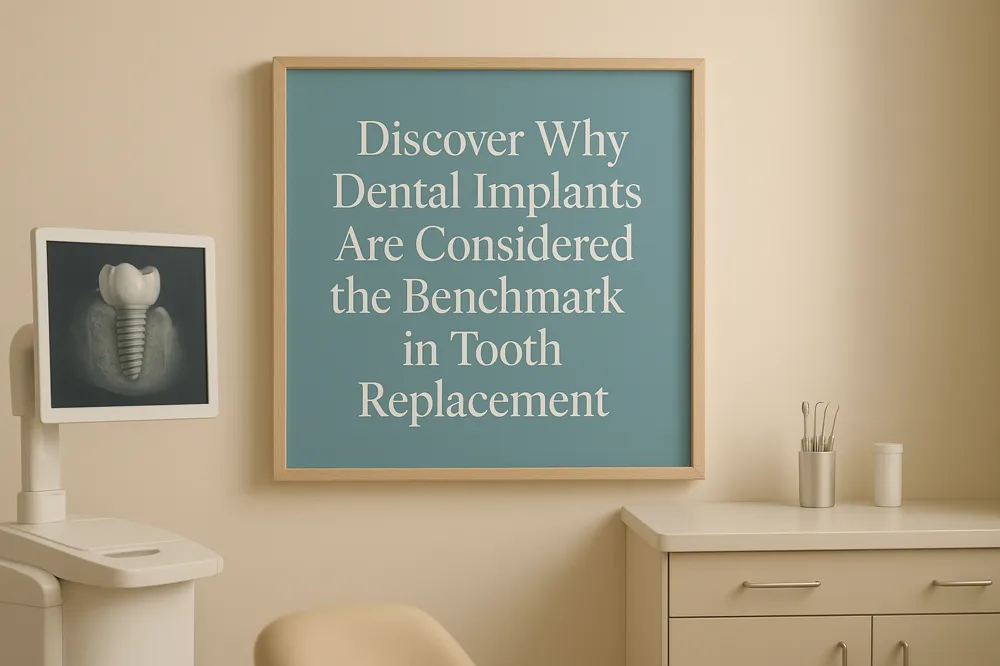
Dental implants are titanium dental implants surgically placed into the jawbone to serve as artificial tooth roots. This anchor supports prosthetic teeth such as crowns, bridges, or dentures. The three main components of dental implants include the titanium post embedded in the jawbone, an abutment which connects the post to the restoration, and the custom-made crown or prosthetic tooth that mimics the appearance of a natural tooth.
What Does the Surgical Procedure and Healing Involve?
The implant process begins with an evaluation of jawbone health and may include bone grafting if needed. During surgery, the titanium post is carefully inserted into the jawbone. A healing period follows to allow the implant to fuse securely with the bone, a process called osseointegration. This healing phase can take several months, after which the crown or other prosthesis is attached, restoring tooth function and appearance. For more details on the Dental Implant Procedure and Recovery Time After Dental Implant Surgery, see the linked resources.
How Do Implants Benefit Jawbone Health and Natural Function?
Unlike bridges or dentures, dental implants stimulate the jawbone just like natural tooth roots. This stimulation helps prevent bone loss and preserves facial structure to avoid the sunken look often seen with missing teeth. Implants restore full chewing ability, speech clarity, and offer a natural look and feel that closely matches real teeth. Learn more about Dental Implants Benefits and Dental Implants for Missing Teeth.
What Is the Longevity and Success Rate of Dental Implants?
Dental implants are highly durable and can last 15 to 25 years or longer with proper care. They have a success rate exceeding 98% when maintained with good oral hygiene and regular dental visits. Their longevity often surpasses other tooth replacement options, making them a cost-effective long-term solution. Additional information on the Success Rates of Dental Implants and maintenance can be found through the resources provided.
How Do Implants Compare With Other Tooth Replacement Options?
Compared to Dental Bridges and Implants and dentures, implants preserve surrounding tooth structure without requiring adjacent teeth to be shaved down. Bridges typically last 10 to 15 years and dentures need replacement every 5 to 10 years. Implants offer superior stability, do not shift or slip, and help maintain jawbone integrity. While the initial procedure for implants is more involved, their benefits in function, comfort, and aesthetics make them the preferred choice for many patients seeking permanent tooth replacement. For more on Dental Bridges Explained and Traditional and Implant-Supported Dentures, please see the linked resources.
Modern Technologies Enhancing Restorative Dentistry
How are technologies like CEREC and CAD/CAM transforming restorative dental treatments?
Modern restorative dentistry has embraced advanced technologies such as CEREC Technology in Dentistry and digital technology in dental prosthetics like CAD/CAM systems to improve treatment speed and quality. These technologies allow dentists to create crowns, bridges, inlays, and onlays in just one visit, eliminating the need for multiple appointments. Patients can often watch their personalized restoration being designed and milled right in the office, ensuring a precise fit and quick turnaround.
What role do digital impressions and 3D modeling play in restorative procedures?
Digital impressions and 3D modeling in dental procedures enhance the precision of restorative treatments by capturing detailed images of a patient's teeth and bite. This technology replaces traditional molds, offering a more comfortable experience. Accurate 3D scans streamline the design and fabrication of restorations, enabling custom fittings that preserve natural tooth structure and enhance long-term durability.
How do minimally invasive techniques like CO2 laser fillings benefit patients?
CO2 laser technology is being used for anesthesia-free fillings in restorative procedures. This minimally invasive dentistry technique reduces discomfort, often eliminates the need for needles, and shortens recovery time. Laser fillings also help preserve more healthy tooth tissue, promoting better oral health while minimizing patient anxiety during treatment.
In what ways have these technology advancements improved patient comfort and procedure efficiency?
The incorporation of digital and laser technologies in restorative dentistry has greatly enhanced patient comfort by reducing procedure invasiveness and time spent in the dental chair. Same-day restorations lower visit frequency, and painless treatment options reduce anxiety. Overall, these advancements lead to more efficient care, quicker recovery, and excellent aesthetic results tailored to individual patient needs.
Benefits and Impact of Restorative Dentistry on Patients’ Lives
Improved chewing, speech, and oral function
Restorative dentistry plays a critical role in restoring the natural function of teeth. Treatments such as dental crowns, dental bridges, dentures, and dental implants rebuild damaged or missing teeth, allowing patients to chew food effectively and speak clearly. These procedures help maintain proper bite alignment and jaw function, preventing discomfort and difficulty with eating or talking.
Enhanced appearance and self-confidence
Modern restorative dental materials closely mimic the natural look of teeth, offering aesthetic improvements that boost patients’ self-esteem. Restorations like tooth-colored fillings, porcelain crowns, and natural-looking Dental Implants Explained contribute to an attractive smile. This enhancement often results in a positive impact on mental health by reducing social anxiety and improving confidence in daily interactions.
Prevention of future dental issues and jawbone deterioration
Timely restorative treatments prevent further tooth damage by protecting weakened or decayed teeth. Dental implants benefits not only replace lost teeth but also stimulate the jawbone, preventing bone loss that can lead to facial collapse and shifting of adjacent teeth. Advantages of Dental Bridges and dentures help maintain the proper positioning of remaining teeth, reducing the risk of bite imbalance and gum disease.
Contribution to overall health and reduction of systemic risks
Restorative dental treatments eliminate sources of infection such as decayed or damaged teeth, which can otherwise contribute to systemic health problems. Maintaining good oral health through restorative care has been linked to decreased risks of heart disease, diabetes, and respiratory conditions. Ultimately, restoring oral function supports nutrition and overall well-being.
Restorative dentistry offers comprehensive benefits to oral and general health, improving quality of life by combining function, aesthetics, and disease prevention.
Considerations, Risks, and Aftercare in Restorative Treatments
What are common risks associated with restorative dentistry?
Restorative dental procedures are generally safe and effective, but some risks can occur. These include temporary tooth sensitivity, mild discomfort, and potential infection. In rare cases, restorations such as crowns or fillings may chip or loosen over time. Rare allergic reactions to materials are also possible, though uncommon. For more detailed information, see Risks Associated with Restorative Procedures.
How long is the recovery period after restorative treatments?
Recovery time varies depending on the procedure. Simple treatments like fillings often allow immediate return to normal activities. More complex treatments such as dental implants may require a few days of mild discomfort, with complete healing and integration taking several months. Root canals and crown placements typically involve short recovery periods with minimal discomfort. Learn more about Recovery Time After Restorative Procedures.
Why is oral hygiene and dental follow-up important?
Maintaining good oral hygiene — including regular brushing, flossing, and routine dental check-ups — is vital after restorative treatments. Proper care prevents decay and gum disease around restored teeth, ensures restorations remain secure, and helps identify any early complications. Patients should contact their dentist if restorations feel uncomfortable or cause unusual symptoms. For guidance on Maintaining Restorative Dental Work visit the resource.
What role does insurance and affordability play?
Many restorative procedures receive partial coverage from dental insurance, with common treatments like fillings and crowns often included. More advanced treatments such as implants may have limited coverage. Practices may offer in-house plans or financing options to improve affordability. Discussing costs and coverage with your dental provider helps ensure personalized, affordable care. More about Dental Insurance Coverage for Restorative Procedures.
This attentive approach to potential risks, recovery, and aftercare supports the long-term success of restorative treatments, enhancing both function and appearance while safeguarding overall oral health.
Choosing Restorative Dentistry: A Path to Lasting Oral Health
Understanding Your Restorative Dentistry Options
Restorative dentistry offers a variety of effective solutions to repair and replace damaged or missing teeth. Common procedures include dental fillings to treat cavities, crowns to protect and strengthen weakened teeth, bridges to fill gaps left by missing teeth, and dental implants which serve as durable, natural-like tooth replacements. Dentures provide options for those with multiple missing teeth, while inlays and onlays preserve tooth structure for moderate damage.
Each treatment is designed to restore chewing function, improve speech, alleviate pain, and enhance smile aesthetics.
The Importance of Early Intervention and Professional Care
Early restorative treatment can prevent further tooth decay, shifting of adjacent teeth, and jawbone deterioration. Timely care reduces risks of oral infections and supports long-term oral health. Patients are encouraged to seek professional evaluation promptly when experiencing tooth damage or loss to ensure tailored and effective solutions.
Personalized Modern Treatments for Better Outcomes
Advancements in dental technology allow for customized restorative plans that emphasize comfort and lasting results. Techniques like digital imaging, CAD/CAM same-day crowns, and minimally invasive procedures ensure treatments fit individual needs. Skilled dentists use materials that closely mimic natural teeth, resulting in restorations that look natural and function efficiently.
Together, early intervention and personalized care in restorative dentistry pave the way for healthier smiles and improved quality of life.