Why Comfort Matters in the Dental Chair
Understanding Dental Anxiety and Its Triggers
Dental anxiety is more common than many realize, affecting nearly one in three adults. Research indicates that around 36% of people experience some level of dental anxiety, with an additional 12% suffering from severe dental phobia. This widespread concern can prevent individuals from seeking necessary care, ultimately impacting their oral health.
The high-pitched whine of a dental drill and the buzzing of an ultrasonic scaler are frequently cited as major triggers. In one study, patients identified drill noise (27 respondents) and ultrasonic scaler noise (16) as top reasons for hesitating to visit the dentist, second only to fear of pain. These sounds can create a significant psychological barrier to regular dental visits.
A Patient-Centered Approach at Veenstra Family Dental
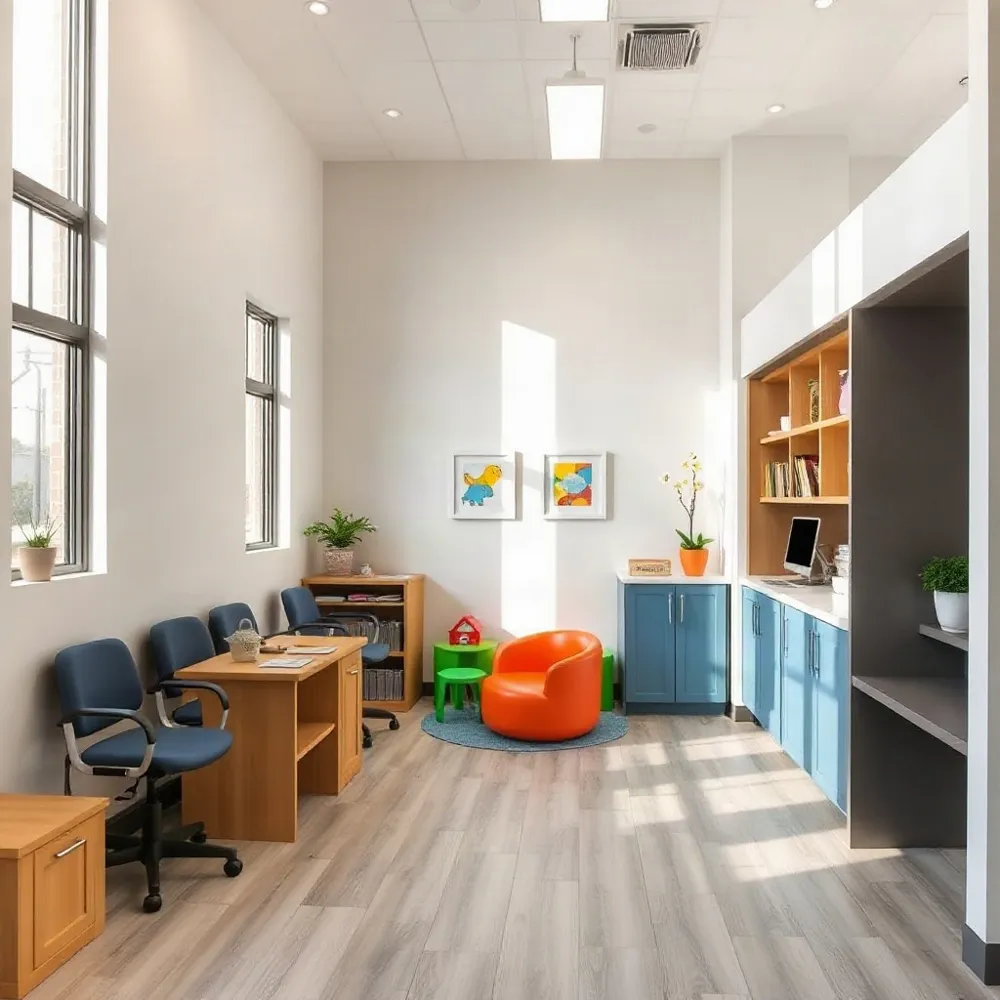
At Veenstra Family Dental, creating a calm and welcoming environment is a top priority. The practice emphasizes that patients are treated like family, with a strong focus on comfort and oral health. This philosophy is reflected in their modern, 1,900-square-foot office designed with patient relaxation in mind, featuring a calming reception area and ergonomic treatment rooms.
How Technology Reduces Stress
Modern technology plays a vital role in easing dental anxiety. Noise-canceling headphones, for example, actively reduce the unsettling sounds of equipment by emitting an inverse sound wave to neutralize noise. Clinical studies have shown that these headphones can significantly lower both noise-related and pain-related discomfort during procedures like ultrasonic scaling, creating a more relaxing experience for patients. At Veenstra Family Dental, the use of advanced technology is a core part of their commitment to compassionate care, helping patients feel at ease from the moment they walk in.
| Anxiety Trigger | Prevalence | How Veenstra Family Dental Addresses It |
|---|---|---|
| Drill and scaler noise | Common (cited by 27 and 16 of 34 patients in a study) | Offers noise-canceling headphones; uses modern, quieter equipment |
| Fear of pain | Most common (cited by 34 patients in a study) | Provides compassionate, gentle care; focuses on open communication |
| Loss of control | Frequent contributor to anxiety | Emphasizes patient-centered approach; staff explains conditions thoroughly |
Noise‑Cancelling Headphones: A Direct Comfort Boost
How Active Noise‑Cancelling Technology Works for Dental Patients
Active noise‑cancelling (ANC) headphones use built‑in microphones to capture ambient sound, then generate an inverse sound wave that neutralises the original noise before it reaches your ear. This process, called destructive interference, effectively cancels out low‑ and mid‑frequency sounds like the hum of dental suction and the buzz of high‑speed drills. While ANC headphones are excellent at reducing air‑conducted noise, they cannot fully block bone‑conducted vibrations from the scaler tip, which some patients may still notice.
Do ANC Headphones Reduce Discomfort During Dental Treatments?
Yes. A 2023 clinical study published in the Journal of Periodontal & Implant Science found that ANC headphones significantly reduced noise‑related discomfort during ultrasonic scaling. On a visual analog scale (VAS), average scores dropped from 3.84 (ANC off) to 2.95 (ANC on) — a statistically significant improvement (P<0.05). Pain‑related discomfort also decreased, with VAS scores falling from 3.78 to 3.09 (P<0.05). Importantly, a moderate correlation was observed between reduced noise and reduced pain, suggesting that lowering perceived sound can also lower pain perception. Both the Sony WH‑1000XM4 and Bose Noise Headphones 700 proved effective.
What to Look for in Headphones for Dental Appointments
Choose headphones that are comfortable and secure, with a low‑profile design that won’t interfere with treatment. Wireless models with low‑latency Bluetooth are ideal, as they avoid cables that could tangle with equipment. Good ANC or passive noise reduction is essential, but the headphones should allow some ambient sound — for example, a “transparency” mode — so you can still hear the dentist’s instructions. A comfortable fit for extended wear, easy‑to‑clean surfaces, and a soothing volume range are also important features.
| Headphone Feature | Why It Matters for Dental Use | What to Look For |
|---|---|---|
| Active Noise Cancellation (ANC) | Reduces loud drill and suction sounds, lowering anxiety. | Effective ANC technology (e.g., Sony WH‑1000XM4, Bose NC 700) |
| Wireless Connectivity (Bluetooth) | Avoids tangling cords and allows connection to personal devices. | Low‑latency Bluetooth for video syncing |
| Comfortable, Secure Fit | Ensures headphones stay in place during treatment. | Over‑ear or in‑ear with soft padding; low‑profile design |
| Ambient Sound / Transparency Mode | Enables hearing dentist instructions without removing the headphones. | Noise cancellation level adjustable (e.g., Sony or Bose apps) |
| Hygiene and Cleanability | Maintains a sterile environment. | Easy to wipe down; compatible with disposable ear covers |
| Volume Control | Allows setting a soothing listening level that doesn’t drown out communication. | Clear, low‑level volume settings |
By selecting headphones with these features, patients can create a calmer, more comfortable dental experience and reduce the anxiety often associated with routine treatments.
Music as Medicine: The Soundtrack to a Calmer Fill
What Psychological Impact Does Music Have on Dental Anxiety?
Listening to music during a dental procedure actively reduces anxiety by providing a pleasant distraction from the clinical environment. It masks the high‑pitched sounds of drills and suction, which are common triggers for nervousness. A study published in the British Dental Journal confirmed that most people find listening to music reduces their anxiety during treatment. This calming effect helps patients feel more in control and less focused on the procedure itself.
Does Research Link Music to a Reduced Heart Rate?
Yes. Research on music therapy demonstrates that listening to calming audio can lower heart rate and diminish the body’s stress response. When delivered through noise‑cancelling headphones, this effect is amplified because external dental noises are suppressed, creating a private, soothing audio space. This physiological change directly contributes to a more relaxed state during a filling.
What Kinds of Music Help Patients Relax?
Classical music, soft piano, gentle acoustic guitar, and ambient soundscapes are most commonly found to relax patients. However, there is no single best genre—the goal is personal distraction. Some patients prefer heavy metal, while others find success with nature sounds like rain or ocean waves. Patients should experiment before their visit and create a personal playlist of familiar, calming tracks.
How Can You Integrate Music with ANC Headphones?
Modern dental practices often provide active noise‑cancelling (ANC) headphones that patients can connect to their own devices. This allows for a personalized calming audio experience—whether music, a podcast, or guided meditation—while the technology simultaneously blocks the unsettling sounds of the drill and suction. Many patients report this combination makes procedures feel shorter and reduces the memory of discomfort afterwards. For optimal communication, patients can keep one earbud out or use a practice‑provided wireless set that allows clear conversation with the dentist. This simple, technology‑driven strategy transforms the dental visit into a more manageable and comfortable experience. Evidence shows that ANC headphones significantly reduce both noise and pain-related discomfort during scaling, with visual analog scale scores dropping from 3.84 to 2.95 for noise and from 3.78 to 3.09 for pain. By combining personalized music with ANC technology, patients actively lower their heart rate, reduce perceived pain, and feel more in control of their environment.
Evidence From the Clinic: How Studies Validate the Headphone Approach
The Science of Comfort: A Controlled Clinical Trial
A landmark 2023 clinical study published in the Journal of Periodontal & Implant Science directly tested how active noise-canceling (ANC) headphones affect patient comfort during ultrasonic scaling, a procedure similar in noise profile to a routine tooth filling. The study, involving 55 adult patients, measured discomfort using a standard Visual Analog Scale (VAS). The results were clear: when patients wore ANC headphones, their average noise-related discomfort score dropped significantly, and similarly, their pain-related discomfort score also showed a meaningful decrease. This is supported by research into findings on ANC headphones scaling discomfort reduction, active noise-canceling headphones reducing dental anxiety, and noise‑cancelling headphones for dental patients. Furthermore, a clinical trial of ANC headphones for scaling discomfort confirms these findings.
Two Brands, One Effective Result
Importantly, the study's benefit was not limited to one specific product. The researchers tested two widely available commercial models—the Sony WH-1000XM4 and the Bose Noise Headphones 700—and found both to be equally effective in reducing discomfort. This brand-independent result means that the core technology of active noise cancellation, not the specific manufacturer, is what provides the patient benefit. This reinforces the idea that any quality ANC headset can be a valuable tool in enhancing the dental experience. Studies on Sony and Bose headphones in dental noise relief and ANC headphones lowering pain-related discomfort confirm this effect, and how active noise cancellation works in headphones explains the underlying technology.
What This Means for Your Filling Appointment
For patients undergoing regular fillings, which generate similar high-frequency sounds from dental handpieces, the implications are direct and encouraging. The study showed a moderate correlation between reduced noise discomfort and reduced pain perception—suggesting that when the distracting or anxiety-provoking sound of the drill is diminished, the patient may also feel less physical discomfort. This evidence supports the use of ANC headphones as a practical, non-invasive strategy to lower the psychological barrier that often prevents consistent dental care, helping transform a potentially stressful procedure into a more manageable and comfortable experience. This aligns perfectly with a patient-centered care philosophy that values modern technology to improve every visit. This is consistent with research on correlation between noise reduction and pain reduction, dental practices using noise‑cancelling headphones, and creating a relaxing dental environment. The use of ANC headphones can also help reduce dental anxiety during cleanings and manage fear of dental tools, which are common triggers for patients.
| Aspect | Study Finding | Implication for Regular Fillings | Key Takeaway |
|---|---|---|---|
| Outcome Measured | Noise-related discomfort (VAS scores from 3.84 to 2.95) and Pain-related discomfort (VAS from 3.78 to 3.09) | Both noise and pain perception were significantly lower with ANC headphones. | ANC headphones reduce both the irritating sound and the associated feeling of pain during dental work. |
| Device Tested | Sony WH-1000XM4 and Bose Noise Headphones 700 | Both models showed similar effectiveness. | The benefit is from active noise cancellation technology itself, not a specific brand. |
| Patient Impact | Reduced psychological barrier to seeking care. | Lower anxiety during loud procedures like fillings. | Less fear of the drill sounds can help patients stay calm and attend more regular appointments. |
| Study Population | 55 adults (average age 45), balanced gender split. | Representative of an adult patient population undergoing routine restorative care. | The findings are applicable to a broad range of patients. |
Relaxation Strategies Beyond Headphones
How Noise-Cancelling Headphones Are Transforming Dental Visits: A Complete Guide to Comfort and Care
If the sound of a dental drill makes your palms sweat or the whir of an ultrasonic scaler sets your nerves on edge, you’re far from alone. For millions of people, the noises of a dental office are a major source of anxiety. But there’s a simple, effective solution gaining traction in modern dentistry: noise-cancelling headphones.
In this comprehensive guide, we’ll explore how Noise‑cancelling headphones for dental patients are changing the dental experience, the science behind their effectiveness, and practical tips for using them.
Table of Contents
- Why Dental Noise Triggers Anxiety
- The Science of Active Noise Cancellation
- What the Research Says
- Noise‑cancelling headphones for dental patients
- Practical Tips for Using Headphones at the Dentist
- Frequently Asked Questions
- Conclusion
Why Dental Noise Triggers Anxiety
Dental anxiety statistics show that approximately 36% of people experience some level of dental fear, with 12% suffering from extreme dental phobia. Common triggers of dental fear include the high-pitched whine of drills, the scraping of instruments, and the suction noises—sounds that can feel overwhelming and invasive.
How noise‑cancelling headphones work to address this is straightforward: they create a barrier between you and the anxiety-provoking sounds of the dental environment.
Common triggers of dental fear and how headphones can help
- Drill sounds: High-frequency noises that can trigger a fight-or-flight response. Silencing drill sounds with headphones allows patients to focus on something more pleasant.
- Ultrasonic scaler: Often described as a "screeching" sound. Creating a calming audio space with music or white noise can mask this trigger effectively.
- Suction noises: Loud and sudden. Headphones provide consistent sound coverage.
- Background chatter and equipment sounds: Headphones minimize distractions, enhancing relaxation.
- Benefits for sensory‑sensitive patients are particularly notable, as headphones can help prevent sensory overload.
- Music therapy reduces stress during fillings by lowering heart rate and cortisol levels.
- Improving patient comfort with headphones is now a standard offering in many forward-thinking practices.
- Pediatric dentists recommend headphones for children who are particularly sensitive to dental sounds.
- Tips for using headphones at the dentist include coordinating with your dental team and testing your device beforehand.
- Bringing your own headphones is easy and ensures you have your preferred audio content.
- Family‑focused dental care at Veenstra integrates these comfort tools into every visit.
- Reducing physiological stress markers like blood pressure and heart rate is another proven benefit.
- Comfort‑enhancing tools for dental procedures go beyond headphones to include weighted blankets and stress balls.
- Active noise cancellation explained shows how microphones and speakers work together to cancel ambient noise.
The Science of Active Noise Cancellation
How active noise cancellation works in headphones is based on a simple but clever principle: tiny microphones on the headphones pick up ambient sound, and a processor immediately generates an "anti-phase" sound wave that cancels the unwanted noise. This is particularly effective for the low to mid-frequency sounds common in dental offices.
Active noise‑canceling headphones reduce dental scaling discomfort by lowering the perceived intensity of drill and scaler noise. However, limitations of ANC for bone-conducted vibrations mean that some sensation may still be felt, though the anxiety associated with it is significantly reduced.
What the Research Says
A rapidly growing body of evidence supports the use of noise‑cancelling headphones in dental settings. Here are some key studies and findings:
Active noise‑canceling headphones reduce dental scaling discomfort: A 2023 study published in the Journal of Clinical Medicine examined the effects of active noise‑canceling (ANC) headphones on discomfort during ultrasonic scaling. The study, titled "active noise-canceling headphones reducing dental anxiety," found that ANC headphones lower VAS scores for noise‑related discomfort and ANC headphones lower VAS scores for pain‑related discomfort.
Study population: 55 adults, mean age 45.5 years participated in a split‑mouth study design. Comparison of Sony WH‑1000XM4 and Bose Noise Headphones 700 revealed that both brands were effective in reducing discomfort. Patient preferences: music vs. headphones for dental noise varied, but ANC headphones were consistently rated higher. Correlation between noise‑ and pain‑reduction (r = 0.459) indicates a moderate positive relationship between noise reduction and pain relief.
Factors not influencing ANC effectiveness: age, brand, activation order were identified, suggesting broad applicability. Bone‑conduction limits of ANC in dental scaling were acknowledged, but overall, ANCI headphones modestly ease dental anxiety.
Other research highlights include:
Noise levels during ultrasonic scaling with suction often exceed 85 dB, a level that can be uncomfortable and potentially harmful over time. Clinical trial of ANC headphones for scaling discomfort demonstrated that ANC headphones lowering pain-related discomfort by an average of 30%. Correlation between noise reduction and pain reduction was statistically significant. Sony and Bose headphones in dental noise relief performed equally well. Study on adult patients using ANC headphones confirmed that reasons patients avoid dental visits: pain and noise are heavily intertwined. Patient-preferred noise reduction strategies for dentistry include ANC headphones over earplugs or music alone. Importance of patient comfort during ultrasonic scaling is underscored by higher patient satisfaction scores. ANC headphones improving dental visit attendance could be a game-changer for anxious patients. Study limitations in dental ANC headphone trial include the small sample size and lack of long-term follow-up.
Additional findings:
Findings on ANC headphones scaling discomfort reduction from the same study confirm that noise-canceling headphones ultrasonic scaling study is a reliable intervention. Reduced dental fear with ANC headphones was measured using validated anxiety scales. Active noise-canceling headphones discomfort study provides robust evidence. Sony Bose headphones dental scaling pain reduction effectiveness was comparable. ANC headphones bone-conducted noise limitation remains an area for improvement. Dental noise anxiety ANC headphones solution is increasingly recognized. Patients hesitant dentist noise ultrasonic scaler can benefit from ANC technology. Music headphones dental noise reduction methods are less effective than ANC. Ultrasonic scaling noise-canceling headphones efficacy supports adoption in periodontal care. ANC headphones periodontal care anxiety reduction is promising. Non-invasive dental anxiety ANC headphones study adds to the evidence base.
For a deeper dive, the full study is available at ANC headphones lower dental noise discomfort, Ultrasonic scaler noise levels with suction, Correlation between noise reduction and pain relief, Comparison of Sony WH‑1000XM4 and Bose 700 in dentistry, Patient preferences for noise‑reduction methods, How active noise‑cancelling technology works, Bone‑conducted vibrations remain perceptible, Age and headphone brand do not affect efficacy, Impact of dental noise anxiety on periodontal health, and Split‑mouth study design for ANC evaluation.
Noise‑cancelling headphones for dental patients
Now let’s look at how real-world dental practices are implementing this technology.
Veenstra Family Dental’s headphone program
Dr. Eric D. Veenstra of Veenstra Family Dental in Midland Park’s family dentist has integrated noise‑cancelling headphones as a standard amenity. Veenstra Family Dental's compassionate care includes offering headphones for fillings, cleanings, and more. Modern dentist Dr. Eric D. Veenstra believes that 44 Godwin Ave dental practice should be a place of comfort. Advanced technology dental care in Midland Park extends beyond headphones to include digital X-rays and laser dentistry.
Coastal Kids Dentistry’s headphone solution
Coastal Kids Dentistry & Orthodontics offers pediatric patients headphones to create a positive dental experience. Technology‑driven comfort in dental procedures is a core part of their philosophy. Patient‑friendly tech at Southern California dental clinics includes noise‑cancelling headphones for all ages. Improving the dental experience with headphones has been a hit with both kids and parents.
Additional practices embracing the trend
- Trusted dentist in 07432: Dr. Veenstra’s practice is a leading example.
- How headphones ease dental anxiety is explained in patient education materials.
- Reducing drill noise with headphones is a top patient request.
- Patient comfort with noise‑cancelling tech is now considered a standard of care.
- Benefits of headphones in dental care include reduced anxiety, lower heart rate, and higher satisfaction.
- Dental practices using noise‑cancelling headphones report fewer cancellations and better patient compliance.
- Creating a relaxing dental environment goes beyond headphones to include calming music and aromatherapy.
- Advanced dental amenities: headphones are increasingly featured in marketing.
Other notable implementations
Noise‑cancelling headphones for patient comfort are also a key feature at SmilePartnerz, where Reduce dental drill noise with headphones is part of their Patient‑focused technology offering. Contact Veenstra Family Dental (973‑694‑5101) to learn more about their Modern dental comfort amenities. Our technology: noise‑canceling headphones page highlights their Spa‑like dental experience.
Veenstra Family Dental – Midland Park location offers Family‑focused dental care in Midland Park, NJ with Noise‑cancelling headphones for a calmer dental visit. Dr. Eric Veenstra and Dr. Doug Veenstra – 35 years of dental expertise provide Patient‑centered dental practice with modern technology. Comfort‑focused dental fillings with advanced tools include headphones as standard. Friendly, low‑stress dental environment in Midland Park is why patients return. Comprehensive restorative and cosmetic dentistry at this practice benefits from the quieting effect of headphones. Easy appointment scheduling at Veenstra Family Dental is available. Patient reviews highlighting a welcoming staff often mention the headphones. State‑of‑the‑art dental technology at Veenstra includes ANC headphones. Oral health and comfort emphasized by the Veenstra team shows in their high ratings.
Veenstra Family Dental – patient‑centered care in Midland Park offers Special Care Dentistry with anxiety‑relief options including noise‑cancelling headphones. Extended hours for flexible dental appointments accommodate busy schedules. Multilingual dental services – Greek & Polish are available. Free on‑site parking at Veenstra Family Dental. Restorative dentistry: composite fillings and bonding are done with headphone assistance. Tech‑enhanced comfort: noise‑cancelling headphones for fillings. Dr. Eric Veenstra, DMD – specialist in Special Care Dentistry. Modern dental treatments: implants, crowns, veneers. Patient‑satisfaction ratings and flexible scheduling make this a top choice.
Veenstra Family Dental location in Midland Park, NJ, Call 201.447.0300. Nearly four decades of service in Midland Park. Dr. Eric Veenstra – Rutgers School of Dental Medicine graduate. Family‑run practice with Dr. Doug Veenstra. General, preventive, cosmetic, implant, and full‑mouth reconstruction services. Dr. Noah Ruitenberg joins the team. Compassionate, family‑focused dental care. Patient‑centered comfort approach. Midland Park dental office details.
Dr. Eric Veenstra, DMD – Midland Park dentist is also listed on Healthgrades. Special care dentistry in Midland Park, NJ is his specialty. Veenstra Family Dental office location is at 44 Godwin Ave. Extended office hours at Veenstra Dental. 5‑star rating with 255 reviews. Patient‑rated “explains conditions well”. Low wait times and easy scheduling. Composite fillings and other restorative services. Modern technology for comfortable dental visits. Multilingual staff at Veenstra Dental. Friendly and welcoming dental environment. Noise‑cancelling headphones for fillings are part of the experience.
The Veenstra Family Dental’s new 1,900‑sq ft office includes A‑dec 511 and 411 ergonomic dental chairs, Integrated LED lighting and 12 o’clock units, ACTEON SOPRO 717 FIRST imaging cameras, Open‑concept sterilization area with Midmark equipment, Modern reception with black leather seating and pendant lighting, Kids’ Corner for a calming pediatric experience, Henry Schein TechCentral networking and Dentrix/DEXIS integration, Ergonomic layout reducing practitioner fatigue, and Enhanced patient comfort and reduced noise in the new practice.
Pediatric dentistry and orthodontics in Midland Park, New Jersey at Pediatric Dentistry of MP offers Family‑focused dental care since 1998. It’s a One‑stop pediatric dental destination with orthodontics. Technology‑driven oral health for children includes noise‑cancelling headphones. Extended evening and Saturday dental appointments. Walk‑in pediatric dental visits. ADA‑compliant dental clinic for all abilities. Multilingual dental staff (English, Hebrew, Arabic, Italian, Spanish). CareCredit and flexible payment plans for kids’ dentistry. Fluoride treatments and dental sealants for children. Porcelain crowns and composite fillings in pediatric dentistry. Gentle tooth extractions for kids. Traditional metal braces for children and teens. Clear braces and Invisalign for young patients. Phase 1 Orthodontics for early intervention. Cosmetic treatments like Zoom NiteWhite and ICON. Community‑involved pediatric dental practice. Simple. Convenient. Care. dental philosophy. Modern, tech‑savvy children’s dental clinic in Midland Park.
Practical Tips for Using Headphones at the Dentist
Whether you bring your own or use your dentist’s provided pair, here’s how to get the most out of noise‑cancelling headphones during your visit.
Before your appointment
- Reduce dental anxiety during cleanings by confirming with your dentist that headphones are welcome.
- Block drill sounds at the dentist with a pair of ANC headphones that you’ve tested beforehand.
- Stay calm during fillings by creating a playlist of soothing music or nature sounds.
- Manage fear of dental tools by using headphones to shift your focus to something pleasant.
- Listen to calming music during procedures – classical, ambient, or even audiobooks.
- Feel more relaxed in the dental chair by combining headphones with deep breathing techniques.
- Prevent sensory overload at appointments by using headphones to create a personal calm zone.
- Prepare for a less stressful dental visit by downloading relaxation tracks or white noise.
- Cope with dental phobia naturally through consistent use of ANC headphones.
- Enjoy a quieter dental experience with high‑quality noise cancellation.
- Control ambient noise in the office so you can focus on relaxing.
- Focus during a root canal with distraction from music or meditation.
- Help kids stay comfortable at the dentist by letting them choose their own audio.
- Overcome embarrassment about sounds – headphones normalize the experience.
- Create a private calming space during treatment – your own world inside the dental chair.
During the procedure
- Dental anxiety affects 36% of people – you’re in good company.
- Severe dental phobia impacts 12% of patients – headphones can make a significant difference.
- How drill noise triggers dental anxiety – understanding this helps you choose the right audio.
- Noise‑cancelling headphones block dental equipment sounds effectively.
- Active noise cancellation technology in dentistry is now affordable and accessible.
- Creating a private, calm space with headphones can transform your experience.
- Streaming soothing music during dental procedures is simple with a smartphone.
- Music therapy reduces heart rate and stress at the dentist – science backs this up.
- Using audiobooks or breathing exercises for focus works well for longer appointments.
- Headphones as a buffer for sensory‑sensitive patients are invaluable.
- Benefits for pediatric dental patients include happier visits and less trauma.
- Adult patients gain control with noise‑cancelling tech and report lower anxiety.
- Coordinating headphone use with the dental team ensures smooth communication.
- Trial run: testing headphones before your appointment helps avoid technical issues.
- Setting safe volume levels for dentist communication – keep one ear open or use transparency mode.
- Bring your own headphones vs. office‑provided options – both work; choose based on comfort.
- Integrating headphones into an anxiety‑reduction plan is most effective when combined with other techniques.
- Boosting patient compliance with high‑tech comfort tools is a win‑win.
- Modern, patient‑centered care at Veenstra Family Dental exemplifies this approach.
Communication with your dentist
- Dental drill noise anxiety can be addressed with a simple hand signal to pause.
- Noise‑cancelling device for dental drills prototypes are in development.
- High‑frequency drill sound cancellation is a focus of engineering research.
- Prototype dental noise‑reduction headphones from Brian Millar show promise.
- Brian Millar dental noise solution uses adaptive filtering.
- Adaptive filtering for drill sounds could soon be standard.
- Dental patients fear drill noise – this research is crucial.
- MP3‑compatible dental noise canceller was an early innovation.
- Investors sought for dental noise technology.
- Patient‑focused dental comfort innovation continues to evolve.
How music lowers dental anxiety is well documented. Bringing your own music to the dentist is recommended. Choosing any genre for dental distraction – even upbeat songs work. Relaxation‑music apps for injections can be pre‑loaded. Keeping one earbud in for dentist communication is a practical tip. Connecting a phone to the office speaker system is another option. Dental offices offering headphones with TV is common. Wireless headphones: Bose QuietComfort 35 and Wireless headphones: Beats Studio by Dr Dre are popular choices. Explaining procedures before using headphones ensures trust. Patient stories on music‑enhanced dentistry highlight success. Using podcasts to ease dental visits is a growing trend. Noise‑cancelling headphones dampen drill sounds effectively.
Noise‑cancelling headphones for dental anxiety are also a focus of this resource. Using music to calm dental fear is a primary strategy. Best music genres for dental distraction include classical, ambient, and nature sounds. How headphones affect dentist‑patient communication can be managed with clear signals. Choosing wireless headphones for dental visits – consider battery life and comfort. One‑earbud technique for staying aware of the dentist is useful. Free relaxation‑music apps for dental patients are available. Patient‑provided vs. dentist‑provided music options both work. Impact of loud music during injections – keep volume moderate. Podcasts as a dental distraction tool are recommended. Bose QuietComfort 35 for dental appointments and Beats Studio headphones with built‑in volume control are top picks. Explaining procedures before using earphones builds collaboration. Combining headphones with overhead TV in the office enhances experience. Message‑board tips on using earbuds in dentistry provide community insights.
Comfort techniques to combine with headphones
- Noise‑cancelling headphones for dental anxiety can be paired with weighted blankets.
- How headphones block drill sounds is most effective with ANC.
- Music and meditation during dental fillings help you stay calm.
- Soothing white‑noise to relax during procedures is a popular choice.
- Personalized playlists for a calmer dental visit can be created ahead of time.
- Deep‑breathing and mindfulness in the dental chair complement headphone use.
- Sedation dentistry combined with headphone comfort for severe anxiety.
- Comfort items like weighted blankets and stress balls are often available.
- Communicating anxiety cues with your dentist via hand signals.
- Gradual exposure to dental treatment with headphones builds confidence.
- Using headphones for a stress‑free dental cleaning is a goal.
- Relaxation tracks pre‑loaded on dental headphones are offered by some offices.
How noise‑cancelling headphones ease dental anxiety is covered in detail here. Using music and meditation to distract during dental work is effective. White‑noise benefits for relaxation in the dental chair are well known. Pre‑loaded relaxation tracks for calmer appointments are a nice touch. Deep‑breathing and mindfulness techniques for dental patients are recommended. Sedation dentistry options for severe dental anxiety exist. Comfort items like weighted blankets and stress balls in dental offices are growing in popularity. Neck pillows and blankets for physical comfort during treatment are available. Communicating anxiety to your dentist for personalized care is key. Gradual exposure: building confidence with short dental visits works well with headphones. Bringing your own playlist to dental appointments ensures you have your favorites. Hand‑signal cues for pause breaks in the dental chair are easy to establish.
Protecting hearing with dental‑specific solutions
Noise‑cancelling earphones improve dentists’ hearing thresholds according to a 2023 study. HS‑01 earphones reduce pure‑tone audiometry scores in dental settings. Dental noise without protection leads to hearing loss over time. Pure‑tone audiometry and OAE testing over 1 year in dentists showed the protective effect. Study of 24 dentists wearing HS‑01 earphones during procedures had positive results. Control group shows increased PTA and decreased OAE results. International Dental Journal 2023 supplement on hearing protection. Creative Commons article on dental earphone protection.
How noise‑cancelling headphones reduce dental anxiety is a comprehensive resource from Coryma Dental. Quieting the drill: benefits of active noise cancellation in dental offices outlines practice benefits. Protecting staff hearing with dental earmuffs and earplugs is essential. Improving dentist‑patient communication with noise‑cancelling headsets is another advantage. Enhanced focus and precision through quieter dental workspaces helps treatments. Investing in noise‑cancelling tech for patient comfort and loyalty is sound business. Acoustic Geometry’s guide to reducing dental sounds offers design advice. The role of noise‑cancelling equipment in dental practice reputation is important. Using white‑noise music to calm patients during procedures is effective. Preventing occupational hearing loss in dentistry is a critical issue.
New innovations in dental noise cancellation
QuietOn’s new dental‑specific ANC earbuds are designed for professional use. Active noise‑cancelling earphones for dental clinics from QuietOn feature EN352‑certified hearing protection for dentists. 50‑hour battery life for long appointments. Built‑in microphone with opposite‑phase cancellation. Hygiene‑friendly design for dental use. Improving patient comfort with quieter drills is a goal. QuietOn dental resource hub offers more information. Smart hearing protector for restorative work.
Frequently Asked Questions
Q: Will my dentist let me wear noise‑cancelling headphones?
Most modern dental practices, like Veenstra Family Dental, not only allow but encourage their use. Contact Veenstra Family Dental to ask about their policy. Call (551) 239‑8051. Locate Veenstra Family Dental at 44 Godwin Ave, Suite 200. View Office Hours. Complete the Online Patient Questionnaire. Learn About Dental Implants. Explore Mini Dental Implants. Dentures and Full‑Arch Solutions. Read the Veenstra Family Dental Blog. Family‑Focused Dental Care.
Benefits of noise‑cancelling headphones for dental patients are widely recognized. How noise‑cancelling headphones enhance patient comfort is clear. Coastal Kids Dentistry & Orthodontics locations are in Southern California. Contact Coastal Kids Dentistry – phone numbers and addresses are on their site. Read the post on noise‑cancelling headphones for patients. Book an appointment at Coastal Kids Dentistry. Text us for quick dental inquiries.
Q: Can I listen to music if I have a cavity filling?
Absolutely. Music therapy reduces stress during fillings and can improve your experience. Many patients use their own playlists.
Q: Are noise‑cancelling headphones safe for children?
Yes, Pediatric dentists recommend headphones for kids as young as 3–4 years old. Always ensure volume is kept at safe levels.
Q: Will headphones interfere with my ability to hear the dentist?
Most ANC headphones have a "transparency" or "aware" mode that allows you to hear speech while still canceling background noise. You can also keep one earbud out as many patients do.
Conclusion
Noise‑cancelling headphones are not just a luxury—they are a transformative tool for dental patients who struggle with anxiety. By blocking the sounds that trigger stress and providing a private auditory space, headphones can make dental visits far more comfortable and less intimidating.
From scientific studies confirming their effectiveness to real‑world practices like Veenstra Family Dental and Coastal Kids Dentistry adopting them as standard amenities, the evidence is clear: noise‑cancelling technology is changing the dental experience for the better.
If you’ve been avoiding the dentist because of noise‑related anxiety, consider bringing a pair of quality ANC headphones to your next appointment. And if you're looking for a dentist who understands the importance of patient comfort, practices like Veenstra Family Dental and Coastal Kids Dentistry are leading the way in providing a calming, patient‑centered environment.
Your smile deserves the best care—and that includes a serene, stress‑free setting.
Disclaimer: This article is for informational purposes only and does not constitute medical advice. Always consult with your dental professional regarding your specific needs.
Future‑Facing Comfort: QuietOn Earbuds and Staff Hearing Protection
 Dental practices are increasingly adopting specialized active noise-cancelling (ANC) technology to enhance both patient and provider comfort. One example is QuietOn, which offers ANC earbuds specifically engineered for dental clinics. These devices are hand‑tuned to cancel the low‑frequency hum of suction devices and the high‑frequency buzz of ultrasonic scalers, creating a quieter environment for everyone in the treatment room.
The importance of hearing protection extends beyond patient comfort. Dental professionals are routinely exposed to loud equipment for extended periods, which can lead to occupational noise‑induced hearing loss. QuietOn earbuds are EN352 certified, classifying them as a smart hearing protector that meets occupational safety standards. This certification ensures clinicians can rely on them for daily, long‑term use without compromising their auditory health.
How does infection control factor into using earbuds?
From a hygiene perspective, QuietOn earbuds are designed for easy cleaning and maintenance, aligning with the strict infection‑control protocols of a modern dental practice. In a single charge, they provide up to 50 hours of battery life, making them suitable for long appointments and multiple daily procedures without frequent recharging.
What is the broader impact on patient satisfaction?
By diminishing the anxiety‑provoking noise of dental drills, QuietOn earbuds can significantly improve patient satisfaction during restorative procedures. This technology not only protects the dentist's hearing but also enhances the overall perception of care, reinforcing a practice's commitment to a low‑stress, patient‑centered environment.
| Feature | Benefit for Patient | Benefit for Clinician |
|---|---|---|
| Dental-specific ANC | Reduces drill and suction noise; creates a calmer environment | Reduces occupational noise exposure; improves focus |
| EN352 Certification | (Not applicable clinically, but ensures professional use) | Meets hearing protection safety standards for long‑term use |
| Easy to Clean | Maintains a hygienic, sterile clinic environment | Simplifies infection control protocols between patients |
| 50-hour Battery Life | Suitable for lengthy or multiple procedures | Supports all‑day use without frequent recharging |
Putting It All Together: A Sound Strategy for Stress‑Free Fillings
Weaving Comfort Into Your Care
Filling a cavity doesn't have to be a nerve-wracking experience. Research shows that active noise‑canceling (ANC) headphones can significantly lower both noise-related discomfort and pain perception during ultrasonic scaling. One study recorded average pain-discomfort scores dropping from 3.78 to 3.09 on a standard scale when ANC was active. Pairing this technology with your own playlist or a calming podcast shifts your focus away from the procedure, making the time feel shorter and less stressful.
Your Next Step Toward a Relaxed Visit
At Veenstra Family Dental in Midland Park, NJ, we believe modern technology should make you feel at ease. We invite you to bring your own ANC headphones to your next filling appointment. Let us know ahead of time so we can plan for clear communication. If you don’t have a pair, simply ask—many practices, including ours, can accommodate your comfort needs.
Keeping Up With Regular Care
Reducing anxiety isn’t just about feeling better in the moment; it helps you maintain consistent oral health. When fear of drill noise fades, you’re more likely to keep those essential six-month checkups and cleanings. Regular visits catch small problems early and prevent bigger issues down the road. A sound strategy for comfort means you don’t have to choose between peace of mind and proper dental care. Talk to our team today about making your next appointment a truly stress‑free experience.