Introduction to Family Dentistry and Its Role in Oral Health
What Is Family Dentistry?
Family dentistry is a specialized branch of dental care that provides comprehensive oral health services to patients of all ages—from young children to seniors—within one convenient practice. This approach ensures that every family member receives tailored dental care suited to their unique health needs.
Care Across All Life Stages
A family dentist manages a wide range of treatments, including routine cleanings, fluoride applications, fillings, crowns, orthodontic evaluations, and gum disease management. By addressing the evolving dental challenges that arise at different stages of life, family dentists foster lifelong oral health habits in a comfortable and familiar setting.
Continuous and Personalized Care
Regular visits to a trusted family dentist allow for early detection and prevention of dental issues, reducing the risk of complex treatments later. Maintaining continuity of care supports better treatment outcomes, builds patient trust, and simplifies scheduling for families by consolidating all dental needs in one place.
By embracing this comprehensive and ongoing approach, family dentistry plays a crucial role in promoting healthy smiles for individuals throughout their lives.
Comprehensive and Preventive Care Tailored for Every Generation

Preventive Care Services Provided by Family Dentists
Family dentistry offers a wide range of preventive dental care services designed for patients of all ages. These services include routine dental exams and professional dental cleanings that help maintain oral health by removing plaque and tartar buildup. Fluoride treatments and dental sealants are commonly offered to strengthen teeth and prevent cavities, especially in children and teens. Preventive care is essential in establishing good oral hygiene habits from an early age and reducing the risk of more complex dental problems later in life.
Early Detection of Dental Issues
Regular dental checkups with a family dentist enable early identification of dental concerns such as early detection of cavities, gum disease management, and oral cancers. Advanced diagnostic tools, including digital X-rays and intraoral cameras, assist dentists in spotting problems before they become severe. Early detection allows for less invasive treatments and better outcomes, safeguarding long-term oral health across all ages.
Management of Age-Specific Oral Health Challenges
Family dentists are skilled in managing unique oral health challenges associated with different life stages. For children, this includes monitoring children's dental development, managing teething, and providing dental sealants to protect newly erupted teeth. Adolescents and adults benefit from preventive dental care and treatments for orthodontic evaluations concerns and gum disease. For seniors, family dentists address issues like tooth loss, dry mouth, and age-related oral health issues, customizing care plans to maintain function and comfort.
Importance of Routine Checkups and Cleanings
Regular dental visits every six months are vital to maintaining oral health for the entire family. These visits allow for professional dental cleanings that remove plaque deposits unreachable by home care. They also provide an opportunity to update personalized care plans and educate patients about proper brushing, flossing, and dietary choices that support oral health. Friendly, consistent care encourages patients to attend appointments regularly, fostering lifelong healthy smiles.
Building Lifelong Healthy Habits and Reducing Dental Anxiety

Early dental visits for children
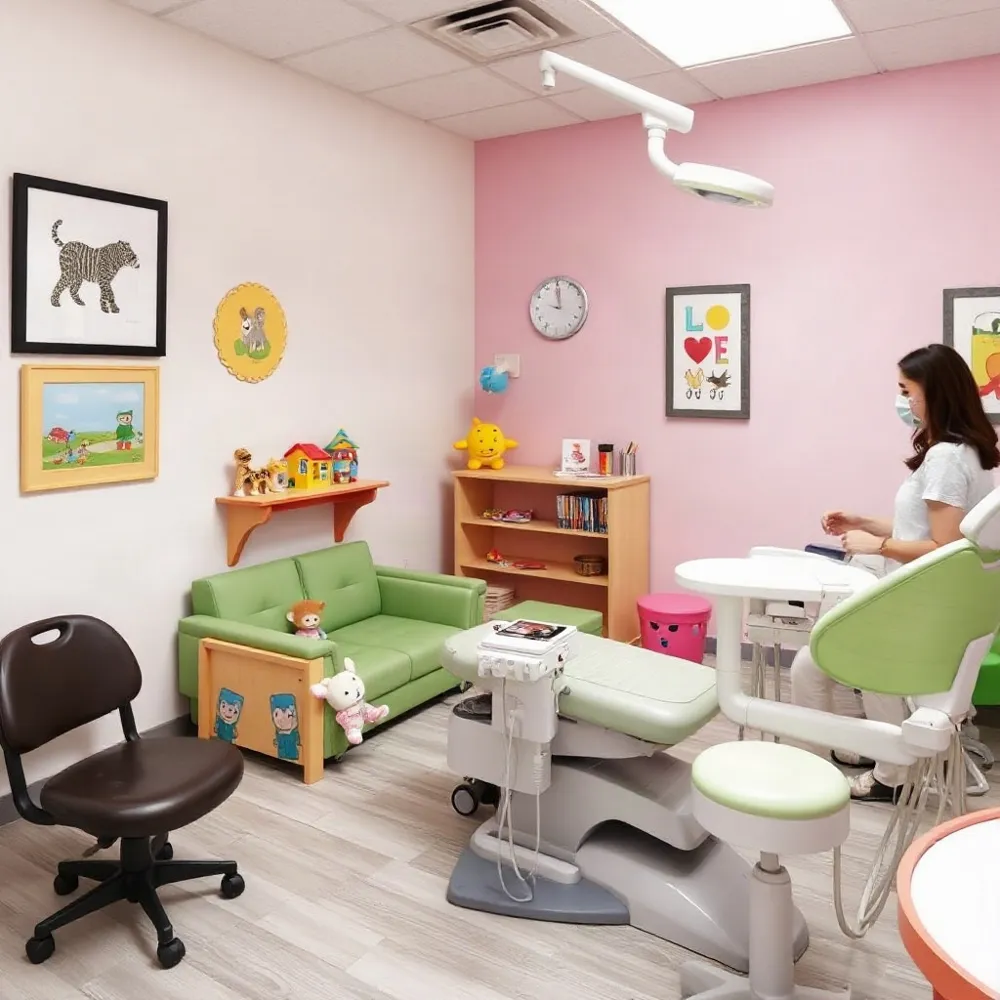
Starting dental care early, ideally by a child's first birthday, helps reduce dental anxiety and builds a positive association with dental visits. family dentistry benefits create a gentle and welcoming environment to ease fears and foster trust from the beginning.
Establishing positive dental experiences
Consistent care from the same Family dentistry for all ages promotes comfort and confidence, encouraging children and adults alike to maintain regular appointments. This familiarity diminishes anxiety and supports a proactive approach to oral health throughout life.
Education on daily oral hygiene and diet
Home Oral Care emphasize teaching effective daily habits such as brushing twice daily with fluoride toothpaste and flossing once daily. They also provide guidance on a balanced diet that limits sugary snacks and beverages, which helps prevent cavities and gum disease.
Family dentists' role in patient education and trust
By building long-term relationships, family dentist services tailor oral health education to each patient's age and needs, promoting awareness of proper oral care and dietary choices. This personalized approach nurtures trust, empowering families to take charge of their oral health and reduces the likelihood of complex dental problems in the future.
Advanced Technology and Personalized Treatment in Family Dentistry
How Does Advanced Technology Benefit Family Dentistry?
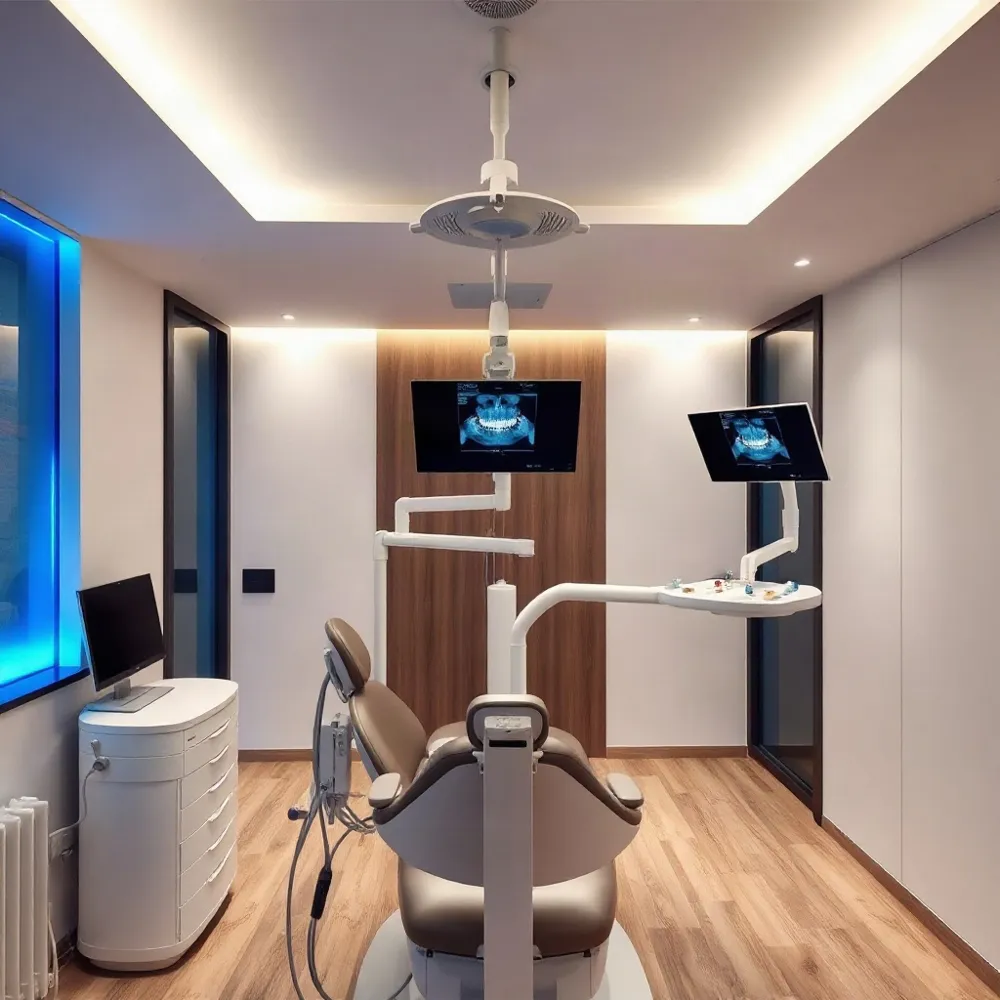
Family dentistry practices today increasingly rely on Advanced Dental Technology to provide high-quality, personalized care for patients of all ages. Digital X-rays are a key tool, offering clearer, faster images compared to traditional methods while reducing radiation exposure. This safety and clarity help dentists accurately assess tooth and gum health during Routine dental exams importance.
Intraoral cameras further enhance diagnostics by capturing detailed, real-time images inside the mouth. These images enable the early detection of issues such as cavities, cracks, and plaque buildup, often before symptoms appear. 3D imaging technologies such as digital CT scans provide comprehensive views of teeth, jaws, and surrounding structures, facilitating precise treatment planning for complex procedures, including implants or orthodontics.
What Minimally Invasive Technologies Are Used?
Minimally invasive techniques like laser dentistry offer treatments that are gentler and often more comfortable than traditional drills or scalpels. Laser procedures can reduce pain, swelling, and recovery time, making dental visits less stressful—especially beneficial for children and anxious patients.
Same-day crown technology utilizing CEREC CAD/CAM same-day crowns allows dentists to design, fabricate, and place durable dental crowns during a single appointment. This not only saves time but also eliminates the discomfort of temporary restorations and additional visits.
How Does Technology Enhance Patient Comfort and Treatment Outcomes?
These technological innovations contribute to a more positive dental experience by reducing procedure duration, discomfort, and the need for multiple appointments. With detailed visual aids from intraoral cameras and Advanced Dental Technology, dentists can better educate patients about their oral health, empowering informed decisions.
Improved diagnostic accuracy leads to earlier treatment of dental issues, preventing more extensive procedures later and supporting Lifelong oral health habits. Altogether, integrating advanced dental technology in family dentistry services Midland Park fosters precise, effective, and comfortable treatments tailored to each patient’s needs.
Convenience, Continuity, and Emergency Care in Family Dentistry

Scheduling appointments for multiple family members
Family dentistry benefits offers a unique convenience by coordinating dental visits for multiple family members in a single appointment. This approach saves time and simplifies logistics for busy households, allowing parents to manage their schedules more efficiently without needing to arrange separate visits for each person.
Maintaining detailed dental records over time
A significant advantage of having a single family dentist is the continuity of care. Family dentists maintain comprehensive dental records that track oral health across different life stages and even generations. This centralized information helps detect hereditary dental issues and monitor treatment progress, leading to more personalized and effective care.
Emergency dental services for families
Family dentists provide prompt emergency dental care for all ages, addressing urgent issues like severe tooth pain, broken teeth, or other dental traumas. Having access to immediate treatment builds confidence and reduces stress for families, as they know help is available when unexpected dental problems arise.
Simplicity and trust building through a single provider
Seeing the same trusted dentist over time fosters strong patient-dentist relationships. This familiarity enhances communication, encourages regular visits, and reduces dental anxiety—especially in children.
Moreover, consolidating all family members’ dental care under one provider streamlines billing and insurance processes, making management simpler for the whole family.
By choosing family dentistry, families benefit from streamlined scheduling, personalized long-term care, emergency support, and a trusting environment that promotes lifetime oral health.
The Link Between Oral Health and Overall Well-being

How Does Oral Health Affect Systemic Conditions?
Oral health is more than just a bright smile; it plays a vital role in overall well-being. Poor oral hygiene can allow harmful bacteria to enter the bloodstream, potentially leading to serious systemic conditions. For example, untreated gum disease has been linked to cardiovascular issues like heart disease and stroke. Moreover, oral infections can complicate diabetes management by interfering with blood sugar control. For more information, see oral health and overall health.
How Does Family Dentistry Help Prevent Gum Disease?
Family dentistry emphasizes prevention through regular cleanings, exams, and tailored education on oral hygiene. By managing gum health early, family dentists can detect and treat gingivitis or periodontitis before these conditions contribute to broader health complications. They offer treatments such as scaling and root planing that effectively control gum disease, protecting both oral and systemic health.
What Systemic Diseases Are Connected to Poor Oral Health?
In addition to cardiovascular disease and diabetes, gum disease is associated with serious health concerns including endocarditis and preterm birth. Patients with compromised immune systems, such as those with HIV/AIDS, can experience worsened oral infections. Emerging research also suggests links between oral health and conditions like certain cancers and neurodegenerative diseases, including Alzheimer's. Learn more about the link between oral and overall health.
Why Is Comprehensive Family Dental Care Important for Long-term Health?
A family dentist provides continuous, personalized care for all ages, tailoring preventive and restorative treatments to each stage of life. This consistent approach ensures early detection and management of oral health problems that might otherwise escalate. By supporting good oral hygiene habits and addressing dental health proactively, family dentistry helps safeguard overall health and promotes well-being throughout life. For detailed insights into family dentistry benefits, visit the link.
Summary: The Value of Choosing Family Dentistry for Lifelong Oral Health
Benefits of Continuous, Personalized Dental Care
Family dentistry offers consistent care for all ages, from children to seniors. By seeing the same trusted provider, patients receive personalized treatment plans based on their unique dental histories. This continuity helps the dentist monitor changes over time and deliver tailored care that evolves with each family member’s needs.
Prevention and Early Treatment Advantages
Routine exams, professional cleanings, fluoride treatments, and sealants are fundamental elements of family dentistry. These preventive services enable early detection of cavities, gum disease, and other issues before they become more serious, often reducing the need for extensive or costly treatments.
Role of Family Dentists in Fostering Healthy Habits and Well-Being
Family dentists educate patients on proper oral hygiene, diet, and daily care, encouraging lifelong healthy habits. Their gentle approach especially benefits children by reducing dental anxiety and promoting positive attitudes toward oral health. By linking oral health to overall wellness, family dentists help improve long-term quality of life for every patient.