Why Preventive Dental Care Matters for Overall Health
Importance of Preventive Dental Care
Preventive dental care plays a crucial role in maintaining not only oral health but overall well-being. Regular dental check-ups, professional cleanings, and daily oral hygiene habits like brushing and flossing help prevent common problems such as cavities and gum disease. These practices reduce the need for more invasive and costly treatments, saving both discomfort and expense over time.
Connection Between Oral Health and Overall Wellness
The health of your mouth reflects and influences your whole body. Gum disease, for example, has been linked to serious health concerns including heart disease, diabetes, respiratory infections, and pregnancy complications. Bacteria from the mouth can enter the bloodstream, causing chronic inflammation that affects various organs.
Benefits of Early Detection and Treatment
Routine dental visits enable early identification of issues like tooth decay and gum inflammation, which can be managed before progressing. Early treatment is usually less invasive, easier, and more affordable. Furthermore, dentists can provide personalized advice to improve home care, positively impacting long-term health.
Long-Term Health Implications
Maintaining good oral health supports proper nutrition and speech, which influence quality of life. Preventive care helps retain natural teeth and keeps gums healthy, reducing risks linked to systemic diseases. By investing in regular dental care, individuals promote not only a confident smile but also enhanced overall health throughout their lifetime.
Comprehensive Services Offered by Family-Focused Dental Practices
What services does a family-focused dental practice typically offer?
Family-focused dental practices deliver a wide range of oral health and overall health tailored to patients from childhood through adulthood. These practices prioritize Preventive Dental Care as the foundation, offering routine Teeth Cleaning, examinations, Fluoride Treatment Benefits, and Dental Sealants to protect against cavities and gum disease early on.
Beyond prevention, restorative treatments such as fillings, crowns, root canals, and dental implants are provided to repair and maintain oral health. Cosmetic dentistry options—including teeth whitening, veneers, and orthodontics—help improve smiles at any age.
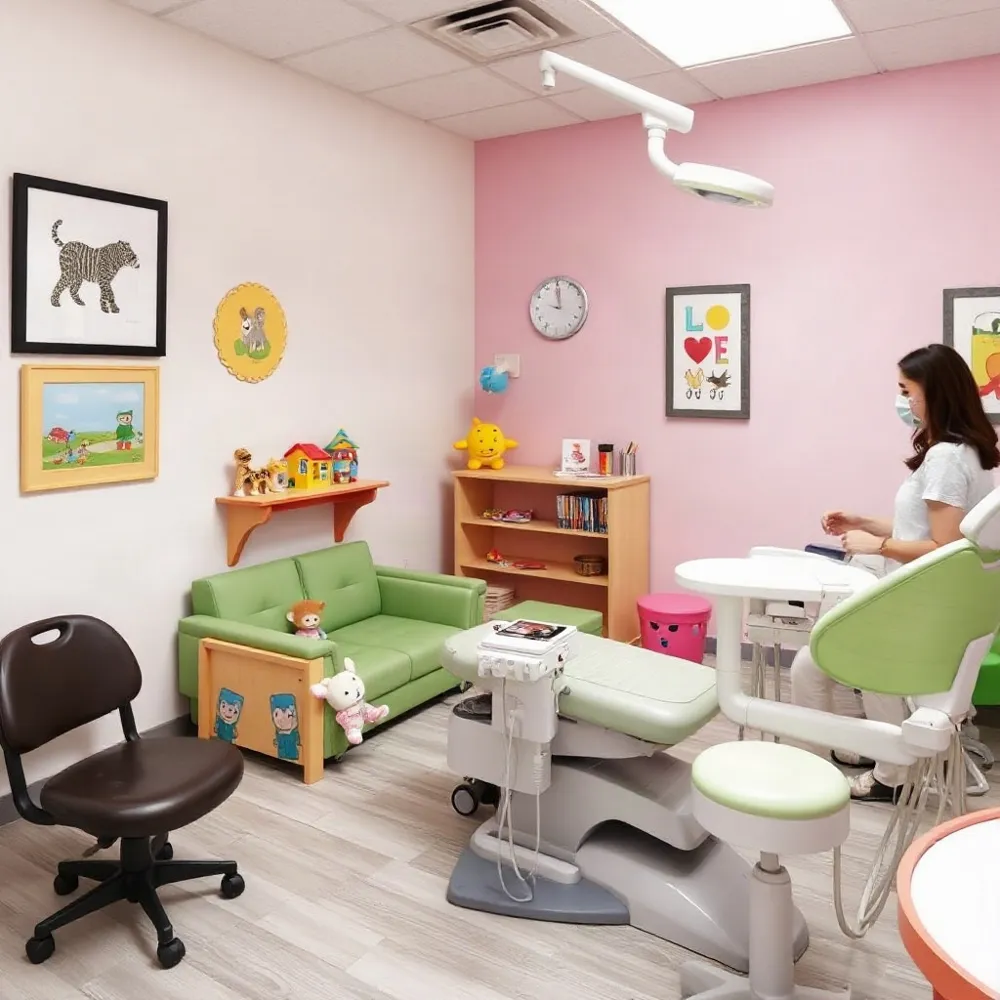
Personalized, compassionate care is central to these practices. They create welcoming, family-friendly atmospheres designed to ease dental anxiety, especially for children. Dentists develop individualized treatment plans reflecting each patient's unique oral health needs, history, and lifestyle.
Educational support complements clinical care; families receive guidance on effective home Proper oral hygiene tips, nutrition, and ways to prevent dental issues. This education empowers patients to maintain healthy habits that last a lifetime.
Overall, family-focused dental practices offer Preventive dental care that supports oral health and wellness for the whole family, emphasizing Regular dental check-ups for oral health, and long-term relationships with trusted dental professionals.
How Advanced Technology Enhances Preventive Dental Care
How does advanced technology improve dental care?
Advanced technology significantly elevates the quality and effectiveness of preventive dental care by offering more precise, efficient, and patient-friendly solutions.
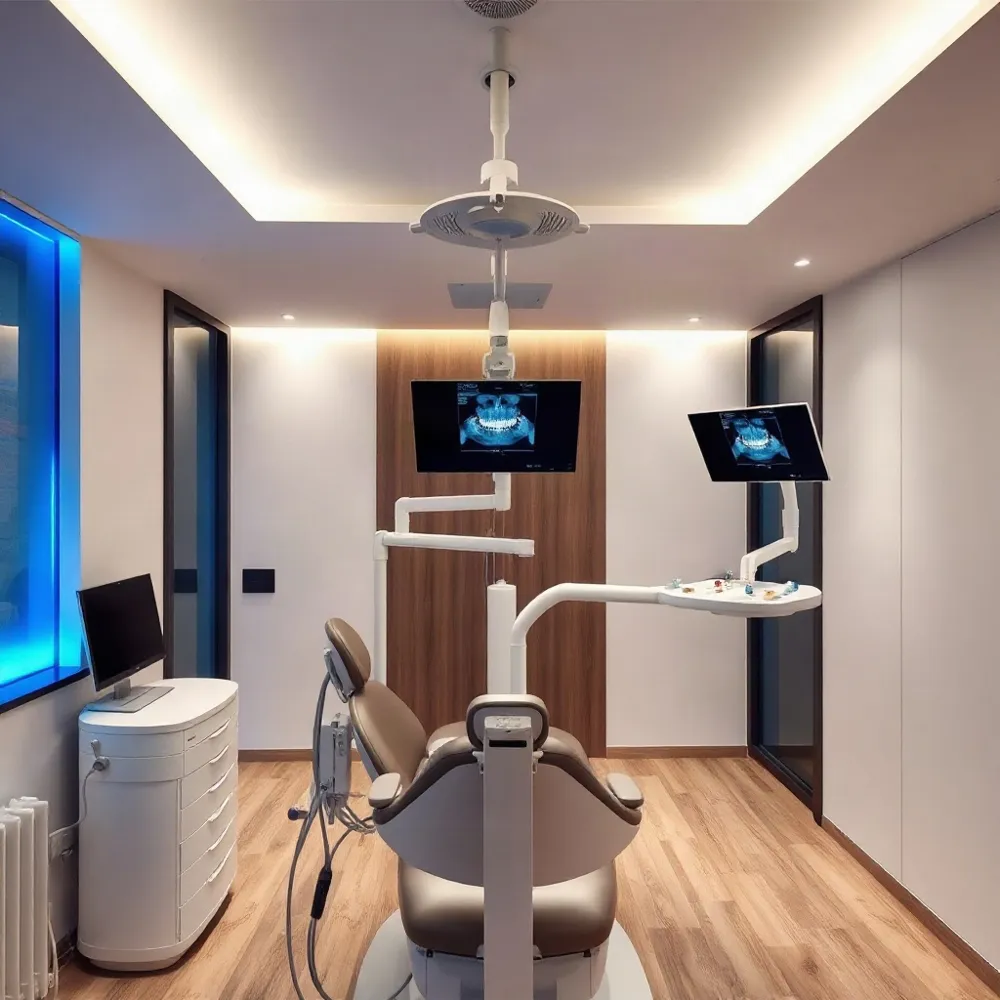
Digital X-rays and Imaging: Digital radiography and 3D imaging, including cone beam computed tomography, deliver high-resolution images that enable dentists to detect early tooth decay, bone loss, and other oral health issues before they become serious. These technologies also reduce radiation exposure by at least 50%, making diagnostic procedures safer for patients. Such dental X-rays importance enhances early detection of oral health issues.
Minimally Invasive Procedures: Tools like laser dentistry and digital impression systems in dental care reduce the need for traditional drills and molds. These techniques minimize discomfort, lower treatment times, and support faster healing. This is particularly beneficial for patients dealing with dental anxiety or special needs, fitting in with comprehensive preventive dental care.
CAD/CAM Systems and Same-Day Restorations: Computer-Aided Design and Manufacturing (CAD/CAM) technologies allow for precise fabrication of dental restorations right in the dental office. With same-day crowns, inlays, or onlays, patients avoid multiple visits, enhancing convenience and treatment adherence. This approach aligns with preventive dentistry services promoting timely dental care.
Intraoral Cameras and Patient Education: Small, high-definition intraoral cameras provide real-time images of the oral cavity during exams. This transparency helps patients better understand their dental health, making them more engaged and proactive regarding preventive measures. Effective patient education on oral hygiene is key to maintaining oral health preservation.
AI Integration and Impact on Accuracy: Artificial intelligence assists dentists in identifying subtle changes in imaging, improving diagnostic accuracy, and aiding emergency triaging. This integration fosters earlier intervention and personalized care planning, reinforcing the importance of early detection of dental issues.
Overall, advanced technology not only enhances diagnostic accuracy and treatment precision but also promotes greater patient comfort and education, leading to superior preventive oral health outcomes.
Compassionate Dental Care: Building Trust and Improving Outcomes
Why is compassionate dental care important for patients?
Compassionate dental care is essential because it creates a foundation of trust between the patient and dental provider. When dentists demonstrate empathy and concern, patients feel more at ease, which significantly reduces dental anxiety. This reduction in anxiety encourages patients to attend routine dental visits and follow recommended treatments, which fosters better overall oral health.
Importance of empathy and compassion
Empathy allows dental professionals to understand and address the emotional and psychological needs of patients. Compassion-driven practice makes dental visits less intimidating and promotes patient-centered communication, resulting in more personalized and effective preventive dental care.
Reducing patient anxiety
Many patients experience dental phobia or discomfort, which can delay or prevent necessary care. Compassionate handling lessens fear and discomfort, encouraging timely preventive dental visits that catch early signs of oral disease and avoid more extensive procedures.
Psychological and physiological health benefits
Beyond oral wellness, compassionate care has positive effects on mental health by easing patient distress, which can reduce symptoms of depression and anxiety. Psychologically comfortable patients often exhibit better immune responses, potentially lowering cardiovascular risks linked to stress and poor oral health.
Enhancing patient compliance and oral hygiene
Patients who feel valued and understood are more likely to adhere to home care recommendations, including daily brushing and flossing. This helps in preventing cavities, gum disease, and other complications, ultimately decreasing the need for costly treatments.
Impact on overall health and social wellbeing
Good oral health sustained through compassionate care supports better nutrition, clearer speech, and a confident smile. These benefits enhance social interactions, improve self-esteem, and contribute positively to a patient’s overall quality of life and long-term wellness.
What to Expect During a Visit to a Modern Dental Practice
What should patients expect during a visit to a modern dental practice?
Visiting a modern dental practice means entering a welcoming and calming environment designed to reduce anxiety and promote comfort. The atmosphere often includes soothing décor, friendly staff, and patient-centered care to help patients feel at ease from the moment they arrive.
Clinicians use advanced diagnostic technology such as digital X-rays and intraoral cameras. These tools provide detailed, accurate images with minimal radiation exposure, allowing dentists to detect issues like cavities, gum disease, or other oral health concerns early. This technology ensures thorough assessments and supports personalized care.
Personalized treatment planning is a hallmark of modern dental visits. Dentists tailor care plans to the patient’s unique oral health status, lifestyle, and preferences. They discuss treatment options openly, explaining the benefits and risks so patients can make informed decisions.
Clear communication is emphasized throughout the visit. Dentists and hygienists provide easy-to-understand explanations and encourage questions. This patient involvement helps build trust and ensures comfort during procedures.
Modern dental practices focus heavily on patient comfort and education. From using pain management techniques to providing guidance on home oral care essentials, the goal is to empower patients with knowledge and maintain oral health effectively.
This comprehensive approach results in a positive dental experience that supports long-term oral health and overall wellness.
Integrating Preventive Dental Care into Lifelong Wellness
Why Daily Oral Hygiene and Home Care Matter
Good oral health begins at home. Brushing twice daily with fluoride toothpaste and flossing daily remove plaque, the primary cause of cavities and gum disease. Brushing with a soft-bristled brush at a 45-degree angle toward the gums ensures effective cleaning, while flossing targets areas where a toothbrush can't reach. Using alcohol-free antibacterial mouthwash and rinsing the tongue further reduce harmful bacteria. Maintaining a healthy diet low in sugar and avoiding tobacco products also protect teeth and gums. These small daily habits build a foundation for lifelong oral health and overall wellness.
The Role of Routine Professional Cleanings and Check-Ups
Visiting your dentist regularly—typically every six months—is essential for preventive dentistry. Professional cleanings remove tartar and plaque buildup that cannot be removed at home, while dental exams and X-rays help detect early signs of cavities, gum disease, or oral cancer. Tailored preventive care plans enable early interventions, reducing the need for invasive treatments and preserving natural teeth longer.
How Dental Sealants and Fluoride Treatments Protect Teeth
Dental sealants, a protective plastic coating applied to the chewing surfaces of molars, can prevent up to 80% of cavities in children. Fluoride treatments strengthen enamel and help repair early decay, benefiting patients of all ages. These preventive dental care, often covered fully or partially by dental insurance, complement daily hygiene and professional care by targeting hard-to-clean areas and reinforcing tooth defenses.
Preventive Dental Care and Systemic Health
Oral health profoundly affects overall wellness. Poor dental hygiene and gum disease are linked to increased risks of heart disease, diabetes, respiratory infections, and pregnancy complications. Bacteria from inflamed gums can enter the bloodstream, causing chronic inflammation and exacerbating systemic conditions. Maintaining oral health through preventive oral health habits can improve control of chronic diseases like diabetes, support cardiovascular health, and potentially reduce cognitive decline risks.
Cost Savings from Early Prevention and Reduced Emergencies
Investing in preventive dental care saves money in the long run. Early detection and management help avoid costly restorative treatments and emergency room visits for preventable dental issues, which have been on the rise. Studies suggest that every dollar spent on prevention can save between eight and fifty dollars in future treatment costs, easing financial burdens for families and public health programs like Medicaid.
Community Programs and Insurance Coverage Enhancing Access
Access to preventive care is critical, but barriers like lack of dental insurance affect millions. Community initiatives, such as school-based dental sealant programs and outreach by university dental colleges, aim to reduce cavities, especially in underserved populations. Many U.S. dental insurance plans fully cover preventive services, encouraging regular check-ups, cleanings, fluoride treatments, and sealants. These combined efforts promote equitable access and support preventive oral health habits as a vital component of lifelong wellness.
Investing in Preventive Dental Care for a Healthier Future
The Benefits of Preventive Dental Care
Regular preventive dental care offers multiple benefits that extend beyond just a healthy smile. It supports oral health by preventing cavities, gum disease, and other common dental issues. These oral conditions, when treated early, avoid costly and invasive procedures later. Moreover, good oral health positively impacts overall wellness by reducing risks linked to heart disease, diabetes, respiratory infections, and pregnancy complications.
The Importance of Early and Regular Care
Starting preventive dental habits early in life is essential. Children benefit from fluoride treatments and dental sealants that protect against decay, while adults maintain natural teeth and oral function through routine exams and cleanings. Regular dental visits allow for early detection of any dental or systemic health issues, enhancing long-term outcomes.
Adopting Preventive Habits
Daily habits like brushing twice with fluoride toothpaste, flossing, a balanced diet, and avoiding tobacco support healthy teeth and gums. Combined with professional dental care, these practices form the foundation for lifelong oral health.
Role of Family Dental Practices and Technology
Family dental practices incorporating modern technology, such as digital X-rays and minimally invasive treatments, provide personalized care for all ages. These advances improve diagnosis, treatment comfort, and promote preventive strategies to maintain oral health.
Positive Impact on Quality of Life
Maintaining preventive dental care enhances speech, eating, confidence, and social interactions. By avoiding pain and dental emergencies, patients enjoy improved well-being and quality of life across all stages of life.