Understanding the Digital Transformation in Dentistry
Definition of Digital Dentistry
Digital dentistry refers to the use of advanced digital technologies and computer-based tools to improve dental care. This includes digital scanners, CAD/CAM systems, 3D imaging, and 3D printing, all designed to enhance the accuracy and comfort of dental treatments.
Importance of Technology in Dentistry
Technology plays a crucial role in modern dental practices by making procedures more efficient and less invasive. Tools like digital X-rays reduce radiation exposure, while CBCT scans provide detailed 3D views essential for precise treatment planning. Additionally, technologies like intraoral cameras and electronic health records improve communication between dentists and patients.
Benefits of Digital Dentistry
Digital dentistry offers numerous advantages for patients and dental professionals alike. Digital impressions replace messy molds with quick, comfortable scans, reducing the need for multiple appointments. Same-day restorations created with CAD/CAM technology minimize wait times and eliminate temporary crowns. Overall, these technologies enhance patient comfort, increase treatment accuracy, and contribute to faster, more personalized care.
Cutting-Edge Tools Enhancing Precision and Patient Comfort
What is digital dentistry?
Digital dentistry refers to the use of computer-based technologies and software to perform various dental procedures and enhance patient care. It includes tools such as intraoral scanners, digital radiography, CAD/CAM systems, 3D printing, and advanced imaging techniques like cone beam computed tomography (CBCT). These technologies improve diagnostic accuracy, treatment planning, and the fabrication of restorations, leading to more precise and comfortable dental care.
Digital impressions and intraoral scanners
Digital impressions and 3D scanning use intraoral scanners to capture detailed 3D images of teeth and gums quickly and comfortably. This method eliminates the need for traditional gooey molds, making the process cleaner and less stressful for patients. These precise digital scans help create better-fitting restorations and reduce the likelihood of repeat appointments.
CAD/CAM technology for same-day restorations
CAD/CAM technology in restorative dentistry allows dentists to design and create dental restorations like crowns, bridges, and veneers in just one visit. This in-office milling with CAD/CAM technology reduces waiting times, eliminates the need for temporary crowns, and improves the accuracy and durability of restorations, enhancing patient convenience and satisfaction.
3D imaging and CBCT scans
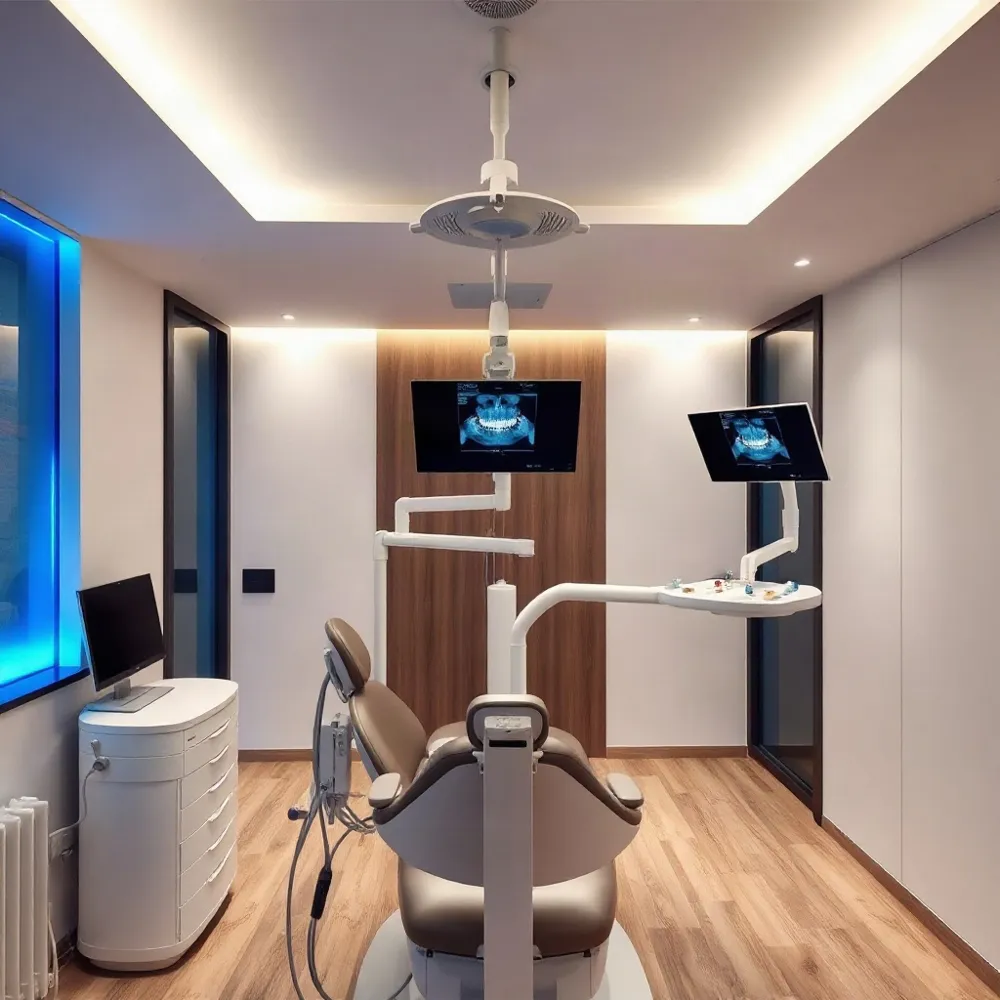
Advanced 3D imaging, including CBCT scans for detailed 3D dental images, provides comprehensive views of teeth, jaws, and surrounding structures. These detailed images enable precise treatment planning for complex cases such as implants and root canals. The clarity and accuracy of CBCT scans contribute to improved restoration fit and clinical outcomes.
Laser dentistry advantages
Laser dentistry offers minimally invasive treatments with reduced pain, swelling, and bleeding. The precision of dental lasers allows for faster healing times and less discomfort in procedures like gum therapy, decay removal, and cosmetic treatments. This technology improves patient comfort and supports long-term oral health.
Why is technology important in dentistry?
Technology enhances the accuracy, comfort, and efficiency of dental care. Tools like Digital X-rays in dental care and CAD/CAM systems enable faster diagnostics and restorations, resulting in better outcomes and fewer visits. Overall, these advancements make dental care more patient-friendly while promoting lasting oral health.
Innovations Redefining Restorative Dentistry Procedures
What are some of the latest innovations in restorative dentistry?
Recent advancements in Restorative dentistry overview have transformed patient care by combining technology and materials science to enhance precision, comfort, and outcomes.
3D printing in restorative dentistry
3D printing in dentistry enables the rapid creation of highly accurate, Custom dental prostheses such as crowns, bridges, and dentures. This technology improves prosthetic fit and aesthetic appeal while reducing turnaround times and material waste. Dental offices equipped with 3D printing can offer Same-day dental restorations, drastically cutting down multiple visits.
Biomimetic and bioactive materials
Modern restorative materials mimic natural teeth biomechanics, bonding closely with existing structures for stronger, more aesthetic results. Bioactive substances promote enamel remineralization, stimulate healing, and provide antibacterial benefits, enhancing long-term oral health and reducing sensitivity.
Minimally invasive techniques
Techniques like Laser dentistry and air abrasion minimize healthy tooth removal, decrease discomfort, and accelerate healing. Lasers for decay removal and gum reshaping allow for precise tissue management during decay removal and gum treatments, making procedures less painful and improving recovery times.
Nanotechnology in dental restorations
Nanotechnology in dental restorations enhances restoration durability, strength, and biocompatibility, creating results that closely resemble natural teeth. Additionally, nanotechnology opens possibilities for targeted preventive therapies to maintain oral health post-restoration.
Together, these innovations underscore a patient-centered approach emphasizing comfort, efficiency, and lasting oral health benefits.
Same-Day Restorations: Efficiency Through Technology
What is restorative dental technology?
Restorative dental technology refers to advanced tools and techniques used to repair or replace damaged or missing teeth, restoring both function and appearance. It includes procedures like crowns, bridges, dentures, and implants, tailored to each patient's needs using Modern dental technology, CAD/CAM systems, and durable materials such as porcelain and metal.
How does CAD/CAM technology enhance restorative dentistry?
CAD/CAM (Computer-Aided Design and Computer-Aided Manufacturing) technology allows dentists to digitally design and fabricate dental restorations directly in the office. This streamlines treatment by enabling same-day dental restorations, eliminating the need for temporary solutions and multiple visits. The high precision of CAD/CAM results in restorations that fit better and last longer.
Why are digital impressions preferred over traditional molds?
Digital impressions use advanced scanners to capture 3D images of teeth, replacing messy, uncomfortable traditional molds. This method is faster, cleaner, and more comfortable for patients. It also improves accuracy, allowing for better-fitting restorations and reducing the chances of repeat appointments.
What benefits do same-day crowns and restorations offer?
Benefits of same-day dental restorations save patients valuable time by completing procedures, like crowns, in a single visit. This reduces discomfort, avoids multiple appointments, and provides quick relief, especially beneficial in emergencies. Patients experience efficient, high-quality care without compromising results.
How do CBCT scans improve treatment precision?
Cone Beam Computed Tomography (CBCT) provides detailed 3D images of teeth, gums, and jawbone structures. This enhanced imaging allows dentists to plan and fabricate restorations with exceptional precision, particularly useful in complex cases such as implants and root canals. CBCT aids in achieving better-fitting, functional, and aesthetic restorations.
Modern dental offices embrace Emerging trends in restorative dentistry, making same-day restorative dental procedures an increasingly accessible option for all ages.
Artificial Intelligence and Digital Workflows Enhancing Treatment Planning
How is artificial intelligence (AI) impacting restorative dentistry?
Artificial intelligence (AI) is increasingly shaping restorative dentistry overview by fostering more precise and personalized treatments. AI algorithms in dental diagnostics analyze complex dental data to detect subtle issues such as hidden cavities and hairline cracks that may elude traditional examination. This enhances diagnostic accuracy, enabling earlier intervention.
Beyond diagnosis, AI supports detailed treatment planning by simulating patient-specific outcomes. Dentists can optimize restoration designs, ensuring better fitting crowns, bridges, and implants before actual procedures, reducing errors and increasing longevity.
Improved workflow and patient communication
AI integration streamlines clinical workflows, reducing time spent on manual data interpretation and allowing more time for patient care. Automated digital workflows expedite processes like digital impressions, 3D modeling, and restoration design.
Moreover, AI-powered imaging tools enhance patient education by visually demonstrating dental conditions and proposed treatments, making communication clearer and helping patients make informed decisions.
Teledentistry and remote care integration
Digital advancements, including AI and Teledentistry for remote care platforms, facilitate virtual consultations and remote monitoring. This increases access to specialized restorative consultations, especially for patients in remote areas or those with mobility challenges.
Remote communication supports timely follow-up, early detection of complications, and adherence to treatment plans, improving overall patient outcomes and satisfaction.
Together, AI and digital workflows are transforming Innovations in restorative dentistry by enhancing accuracy, efficiency, patient engagement, and accessibility.
Advancing Patient Experience and Outcomes with Modern Technology
What modern techniques are reshaping dentistry today?
Modern dentistry is being transformed by innovative techniques that significantly enhance patient comfort and treatment outcomes. Digital imaging in restorative dentistry, such as Digital X-rays benefits and CBCT scans for detailed 3D dental images, provides highly accurate and detailed views of teeth and oral structures while drastically reducing radiation exposure compared to traditional methods. This not only speeds up diagnoses but also improves the precision of treatment planning.
Digital imaging and low-radiation X-rays
Digital X-rays instantly produce high-resolution images with up to 90% less radiation, making them safer and more accessible for all patients. These images facilitate early detection of dental issues, preventing further complications. Advanced 3D imaging technology (CBCT) offers comprehensive views of bone density and nerve pathways, crucial for complex procedures such as implants and root canals.
Intraoral cameras for better patient understanding
Intraoral cameras capture real-time, close-up images inside the mouth, enabling dentists to clearly explain oral health conditions to patients. This transparency improves patient education and involvement, helping individuals make informed decisions about their care.
Minimally invasive and pain-reducing techniques
Laser dentistry is revolutionizing treatments by minimizing discomfort, reducing bleeding, and accelerating healing in procedures like gum therapy and cavity removal. These techniques are less invasive than traditional methods, leading to quicker recovery times and enhanced patient satisfaction.
Sustainability and eco-friendly dental practices
Modern dental offices are adopting sustainable practices in dentistry by using eco-friendly materials and energy-efficient technologies. These efforts not only reduce environmental impact but also contribute to healthier clinical environments and promote the overall well-being of patients and staff.
Embracing these advancements, modern dentistry delivers quicker, more comfortable, and highly personalized care. Patients benefit from efficient Same-day dental restorations, accurate diagnostics, and minimally invasive procedures — all designed to improve oral health outcomes while providing a welcoming and professional experience.
Embracing Technology for a Healthier, Brighter Smile
Advancements in technology have transformed restorative dentistry into a more precise, comfortable, and efficient field.
Digital scanning and CAD/CAM systems enable same-day crowns and restorations, eliminating the discomfort of traditional molds and multiple appointments. These innovations not only speed up treatment but also improve the fit and durability of dental prosthetics, ensuring natural aesthetics.
At our practice, we prioritize patient-centered care by integrating these modern tools, providing personalized treatments that focus on comfort and quality. Our commitment extends to utilizing 3D imaging and laser dentistry to enhance precision and promote faster healing.
Looking ahead, continual advancements like AI-assisted planning, biomimetic materials, and teledentistry will further elevate care standards. Our goal is to stay at the forefront of these technologies, offering a brighter, healthier smile for every patient with efficient, state-of-the-art restorative dentistry.