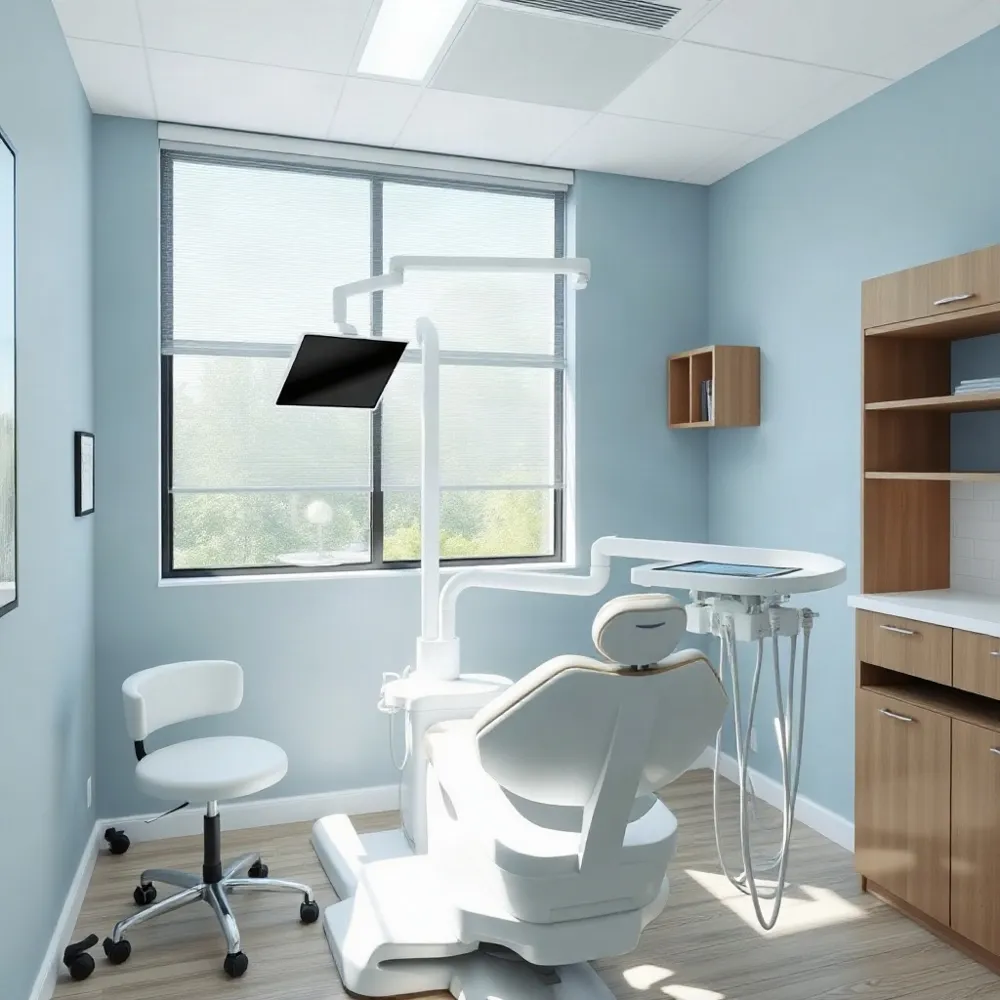
Why Early Dental Visits Matter
Importance of early dental visits
Early dental visits play a crucial role in establishing good oral health habits and preventing dental anxiety. Starting dental care by a child’s first birthday, or within six months of their first tooth appearing, familiarizes children with dental procedures and the dental environment, making future visits less stressful. Early visits also allow for the timely detection of potential dental problems such as cavities or developmental issues.
Recommended timing for first dental appointment
The American Academy of Pediatric Dentistry and the American Dental Association recommend scheduling a child’s first dental appointment by the age of one or within six months after the first tooth emerges. This proactive approach ensures the early establishment of a dental home where ongoing oral health can be monitored.
Goals of initial visits
Initial visits focus on creating a positive, non-threatening experience for the child. The dentist will perform a gentle examination, often including cleaning if the child is cooperative, and offer guidance to parents on proper oral hygiene, diet, and habits like thumb-sucking or pacifier use. These visits aim to educate families, build trust, and prevent early childhood dental issues while setting the stage for lifelong oral health.
Preparing Your Child for Their First Dental Visit
How can parents prepare their children emotionally and mentally for their first dental visit?
Preparing children for their first dental visit involves a mix of positive communication, familiarization, and practical strategies to reduce anxiety. Parents can start by talking positively about the dentist, framing the visit as a fun and educational experience rather than something to fear. Avoiding scary or negative terms—like calling a cleaning "Wash off the Sugar Bugs"—helps children feel more comfortable.
Using child-friendly language and role-playing dental visits at home with toys can demystify the procedures children will face. This practice builds curiosity and trust by letting children experience the steps in a safe environment.
Familiarizing children with the dental office before the appointment is also helpful. Pre-Visit Tours for Children or viewing videos about what happens at the dentist can reduce anxiety by making the surroundings less strange.
It’s important to schedule appointments strategically, preferably in the morning, when children are typically well-rested and more cooperative. This timing helps the child stay alert and reduces crankiness.
Bringing comfort items like a favorite toy, blanket, or stuffed animal to the dental visit offers soothing reassurance. These familiar belongings provide emotional security, making the new environment feel safer.
By combining these approaches, parents can create a positive, reassuring experience that encourages lifelong healthy dental habits for their children.
What to Expect During the First Dental Visit

Typical procedures during first visit
A child's first dental visit usually includes a gentle dental examination to check the health of the teeth, gums, and mouth. If the child is cooperative, a light cleaning may also be performed. The dentist provides parents with guidance on proper home oral care, including brushing techniques and preventive tips.
Duration and focus on comfort
The appointment typically lasts between 30 to 45 minutes. The primary goal is to create a non-threatening and positive experience that builds trust with the young patient rather than performing extensive treatment.
Dentist's approach to reduce anxiety
Dentists employ the "Tell-Show-Do Approach", explaining each step in language children can understand and demonstrating procedures with models or tools before proceeding. This approach helps demystify dental care and lowers the child's fear.
Role of parents during the visit
Parents are encouraged to act as Silent Observers or helpers. They should support their child's bravery without excessive interference, which helps reduce anxiety and encourages independence during the exam.
Use of 'tell-show-do' method
This technique involves telling the child what will happen, showing them the instruments or steps, and then doing the procedure. It establishes clear communication and trust, contributing to a more comfortable visit.
Providing a welcoming and Child-Friendly Dental Environment, along with staff trained in pediatric care, further enhances the positive experience. Some practices offer Pre-Visit Tours for Children, weighted blankets, and entertainment to help anxious children feel at ease.
Creating a Child-Friendly Dental Environment
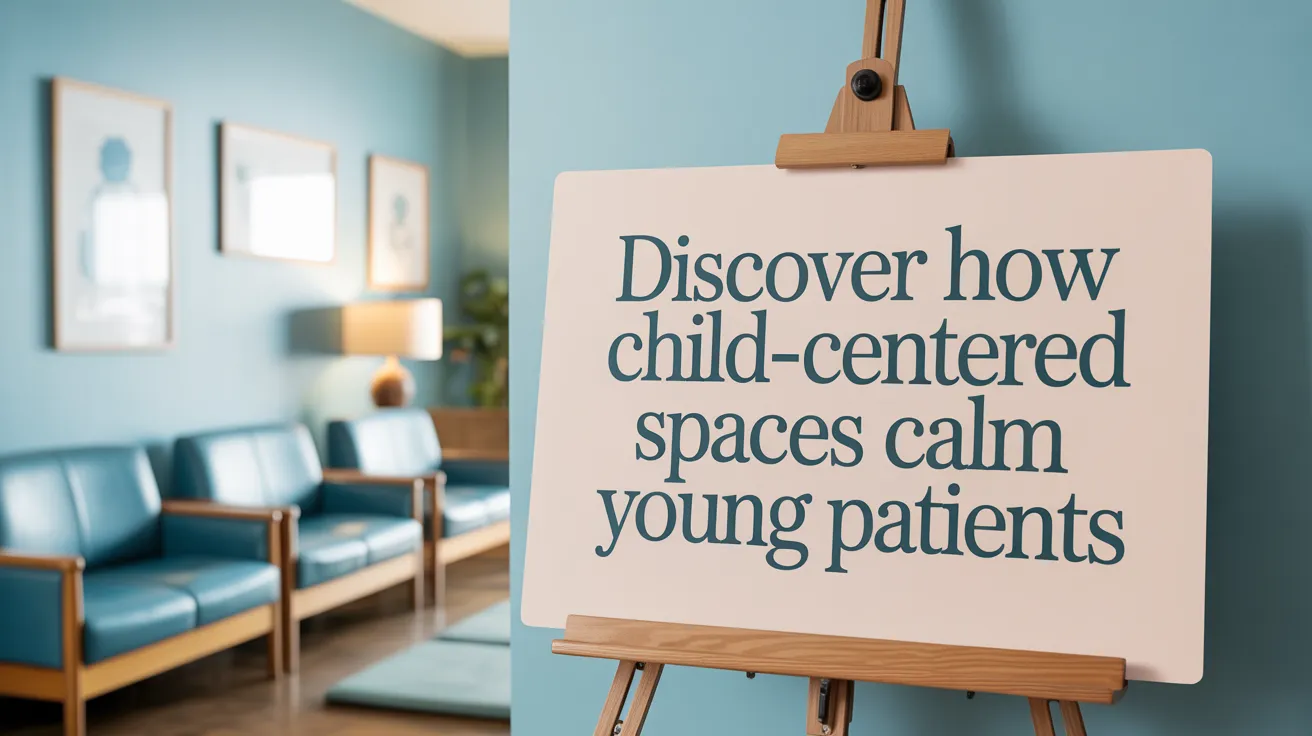
How does the dental office environment contribute to a positive experience for children?
Creating a welcoming and comforting dental environment is essential for helping children feel at ease during their visits. Many dental offices include amenities like weighted blankets and low lighting to create a soothing atmosphere. Entertainment options such as movies or televisions mounted on ceilings can distract and calm young patients during procedures.
Staff members trained in pediatric dental care specialize in working with children, using child-friendly language and gentle techniques. They apply distraction methods, such as playing music or providing tablets, to keep children's focus away from any discomfort.
Positive reinforcement plays a vital role in encouraging cooperation. Praising children's bravery and offering small rewards after visits help build a positive association with dental care.
For children with special needs or heightened dental anxiety, Sedation and General Anesthesia Options are available. These measures ensure that every child receives comfortable, personalized care tailored to their unique needs.
Together, these features create a Child-Friendly Dental Environment that fosters trust, reduces fear, and sets the foundation for lifelong healthy habits.
Establishing Lifelong Positive Dental Habits and Attitudes

How do early dental visits influence lifelong oral health and attitudes?
Early dental visits set the stage for a lifetime of good oral health by familiarizing children with dental care and reducing anxiety. Starting check-ups by age one or within six months of the first tooth appearing helps build trust and comfort with dental professionals. Regular dental visits every six months ensure ongoing monitoring of dental development and early detection of any issues.
Regular dental check-ups
Consistent dental appointments encourage children to view dental care as routine and non-threatening. These visits typically include gentle exams, cleanings, and parental guidance on oral hygiene and diet. Pediatric dentists use friendly approaches and child-focused language to provide positive experiences, reducing fear and encouraging cooperation.
Home oral hygiene routines
Good dental habits begin at home. Parents are advised to help children brush twice daily with fluoride toothpaste—using just a smear for toddlers and a pea-sized amount as children grow. Supervision continues until children develop the dexterity and understanding to brush effectively on their own, usually around age seven or eight. See oral health tips for children for more information.
Parental role modeling
Children learn by example. When parents demonstrate consistent oral care routines and maintain positive attitudes toward dental visits, children are more likely to adopt similar behaviors. Calm and confident parental involvement during dental visits helps reduce children’s fears and builds trust. For strategies on easing dental anxiety, see Managing dental anxiety in children.
Nutrition and cavity prevention
Limiting sugary snacks and drinks and promoting healthy foods like fruits and vegetables are vital for cavity prevention. Fluoride plays an important role in strengthening teeth; many communities provide fluoridated water, and dentists may recommend fluoride varnish or supplements when needed. For detailed guidance, see Oral health tips for children.
Reducing dental anxiety with continued positive visits
Positive early experiences combined with ongoing supportive dental care help children associate dental visits with comfort and care rather than pain or fear. Techniques such as 'Tell-Show-Do Approach', role-playing, and distraction during appointments foster a friendly environment. Praising children’s bravery and reinforcing routines at home maintain these positive attitudes throughout childhood and beyond.
Practical Tips for Parents Before and During the Visit
What to pack and bring
Bringing along familiar comfort items like a child’s favorite toy, blanket, or book can significantly ease their anxiety and make the dental environment feel safer and more welcoming. In addition, parents should prepare and carry all necessary paperwork, including medical and dental history, insurance cards, and any referral notes to facilitate a smooth check-in process. "What to pack for a kid's dental visit"
Communicating with the dentist
Open and honest communication with your child's dentist is crucial. Discuss any concerns, special needs, or questions beforehand to ensure you are fully informed about the visit and procedures. This dialogue helps tailor the dental experience to your child's needs and promotes trust between parents, children, and dental professionals. 'Discussing treatment plans with the dentist' 'Discussing dental anxieties with the dentist' 'Effective communication with anxious children'
Scheduling considerations
Appointments are best scheduled in the morning when children tend to be more rested and cooperative. Avoiding times when your child is hungry or sleepy can reduce resistance and make the visit smoother. Arriving early also allows children to acclimate to the dental setting without rush. "Scheduling your child's first dental appointment" 'Scheduling morning dental appointments' 'Choosing the best appointment times for children'
Managing parental anxiety
Children are sensitive to their parents’ emotions, so maintaining a calm and positive attitude is key. Demonstrating confidence about the dental visit reassures your child and helps prevent the transfer of any dental fears or anxieties. 'managing dental anxiety in children' 'Parents staying calm during dental visits' 'Parents' positive attitude towards dental care'
Post-visit positive reinforcement
After the appointment, praising your child’s bravery and cooperation helps build their confidence. Offering non-food rewards like a special outing or a new book encourages positive associations with dental visits and supports lifelong oral health habits. 'Rewarding Children After Dental Visits' 'Rewarding your child after a dental visit' 'Praising and encouraging children after visits'
Building a Foundation for Healthy Smiles
Essential Tips for a Positive First Dental Visit
Ensuring a positive first dental visit sets the stage for a child’s lifelong oral health. Experts recommend scheduling the first appointment by age one or within six months of the first tooth erupting. Use simple, positive language to explain what happens at the dentist, and consider role-playing at home to ease any fears.
Try to schedule appointments when your child is well-rested and comfortable. Bringing along a favorite toy or blanket can provide additional comfort. During the visit, dentists often use a gentle "tell-show-do" method, explaining procedures clearly and demonstrating with friendly tools.
Consistency and Positivity Matter
Regular checkups every six months help children become familiar with dental care routines, reducing anxiety over time. Parents’ calm and encouraging attitudes play a huge role in fostering a positive experience. Praising your child’s bravery after visits reinforces good behavior and builds confidence.
Be a Proactive Partner in Your Child’s Oral Health
Parents and caregivers are vital in promoting good habits at home, like brushing twice daily with fluoride toothpaste and limiting sugary snacks. Preparing questions in advance for your dentist and actively engaging during visits ensures your child receives personalized care.
Supporting your child with these strategies nurtures trust, comfort, and a healthy smile for years to come.