Introduction to Maximizing Comfort in Dental Care
Importance of comfort during dental procedures
Comfort is essential in dental care as it encourages regular visits and helps prevent dental anxiety, which can otherwise lead to avoidance of necessary treatments. A calm, stress-free experience improves patient well-being and trust in the dentist, making treatments more effective and less intimidating.
Overview of strategies to reduce anxiety and enhance patient experience
Dental practices use various strategies to maximize comfort. These include creating a soothing atmosphere with calming colors and music, offering distraction tools like headphones and stress balls, and providing sedation options such as nitrous oxide or oral sedation for anxious patients. Clear communication with dentists, scheduling appointments at convenient times, and allowing emotional support by bringing a friend also contribute significantly to a relaxed visit. Practicing relaxation techniques like deep breathing and light exercise before appointments further helps patients feel calm and at ease.
Effective Communication and Personalized Care
Why Is Open Communication Between Patient and Dentist Important?
Open communication forms the foundation of a comfortable dental visit. When patients honestly share their fears, concerns, and preferences with their dentist, it allows the dental team to tailor every aspect of care to meet individual needs. This transparency helps reduce anxiety by fostering understanding and a collaborative atmosphere. See more on Effective Communication with Your Dentist.
How Are Treatments Tailored to Individual Needs?
Dentists use the information gathered through open dialogue to customize treatments. This may include adjusting sedation options, scheduling preferences, or pacing to accommodate comfort levels. Personalized care often involves explaining each step clearly and checking in regularly to ensure patients feel safe and supported throughout the procedure. Learn more about Sedation Dentistry Options and Scheduling Convenient Dental Appointments.
How Does Trust and Empathy Help Reduce Anxiety?
Building trust through empathetic listening and respectful interaction reassures patients that their wellbeing is the top priority. Dentists who demonstrate compassion and patience often see a boost in patient confidence, which minimizes nervousness and helps patients relax better during visits. For insights, visit Increasing Patient Comfort in Dentistry.
Why Is Explaining Procedures in Understandable Terms Crucial?
Using simple, clear language to describe what will happen during treatment empowers patients with knowledge and control. When patients know what to expect, including the safety measures and pain management plans, they experience less fear of the unknown, contributing to a more positive and calm dental experience. Explore helpful details at Explaining Dental Procedures Clearly and Calming Dental Anxiety.
Relaxation and Distraction Techniques to Alleviate Anxiety

Deep breathing exercises and mindfulness meditation
Practicing deep breathing exercises for dental anxiety—taking slow, long breaths—activates the body's relaxation response. Mindfulness meditation for anxiety relief and progressive muscle relaxation techniques also help calm nerves before and during dental visits, easing anxiety.
Distraction methods such as music, audiobooks, and magazines
Listening to music during dental visits or using audiobooks to reduce dental anxiety during dental procedures effectively diverts attention from sounds and sensations of dental instruments. Reading magazines or watching TV further helps patients stay relaxed by focusing on pleasant distractions.
Use of stress balls and fidget tools
Using a stress ball at the dentist or using fidget tools during treatment offers a physical outlet for nervous energy. These simple tools provide comfort and help alleviate feelings of tension in the dental chair.
Benefits of bringing a trusted support person to appointments
Having support during dental visits by having a friend or family member accompany you provides emotional reassurance and moral support. Their presence can reduce anxiety by offering comfort and distraction throughout the dental procedure.
Incorporating these relaxation and distraction techniques creates a more comfortable and calming dental experience tailored to individual needs, helping patients of all ages manage their dental anxiety effectively.
Sedation Dentistry and Pain Management Options
What sedation options are available to help patients stay calm during dental procedures?
Dentists offer several sedation choices to help patients relax, especially for those with severe anxiety or undergoing lengthy treatments. Common options include:
- Nitrous oxide (laughing gas): A fast-acting, inhaled sedative that calms nerves with quick recovery.
- Oral sedation: Medication taken beforehand to reduce anxiety and promote relaxation.
- IV sedation: Administered intravenously, providing deeper sedation monitored by specialists.
When is sedation dentistry recommended?
Sedation is particularly helpful for patients who:
- Experience high dental anxiety or phobia.
- Need extensive or invasive procedures.
- Have difficulty remaining still or have gag reflex sensitivity.
- Require specialized care due to medical or psychological conditions.
How does pain management complement sedation during dental procedures?
Local anesthesia is routinely used alongside sedation to numb the treatment area, ensuring patients feel no pain during procedures. Advances in minimally invasive dentistry—such as laser dentistry and drill-free fillings—further reduce discomfort and the need for injections.
What safety measures support sedation dentistry?
To maximize patient safety, sedation is administered by trained dental professionals or anesthesiologists using the latest monitoring equipment. Practices follow strict protocols including patient assessment, vital signs monitoring, and post-procedure care instructions. Choosing a dental provider experienced in sedation dentistry options ensures safe and comfortable treatment.
These sedation and pain management strategies, combined with advanced dental technology for comfort, create a reassuring and gentle experience suited for patients of all ages and needs.
Creating a Calming Environment and Modern Technology

How does a dental office create a calming atmosphere?
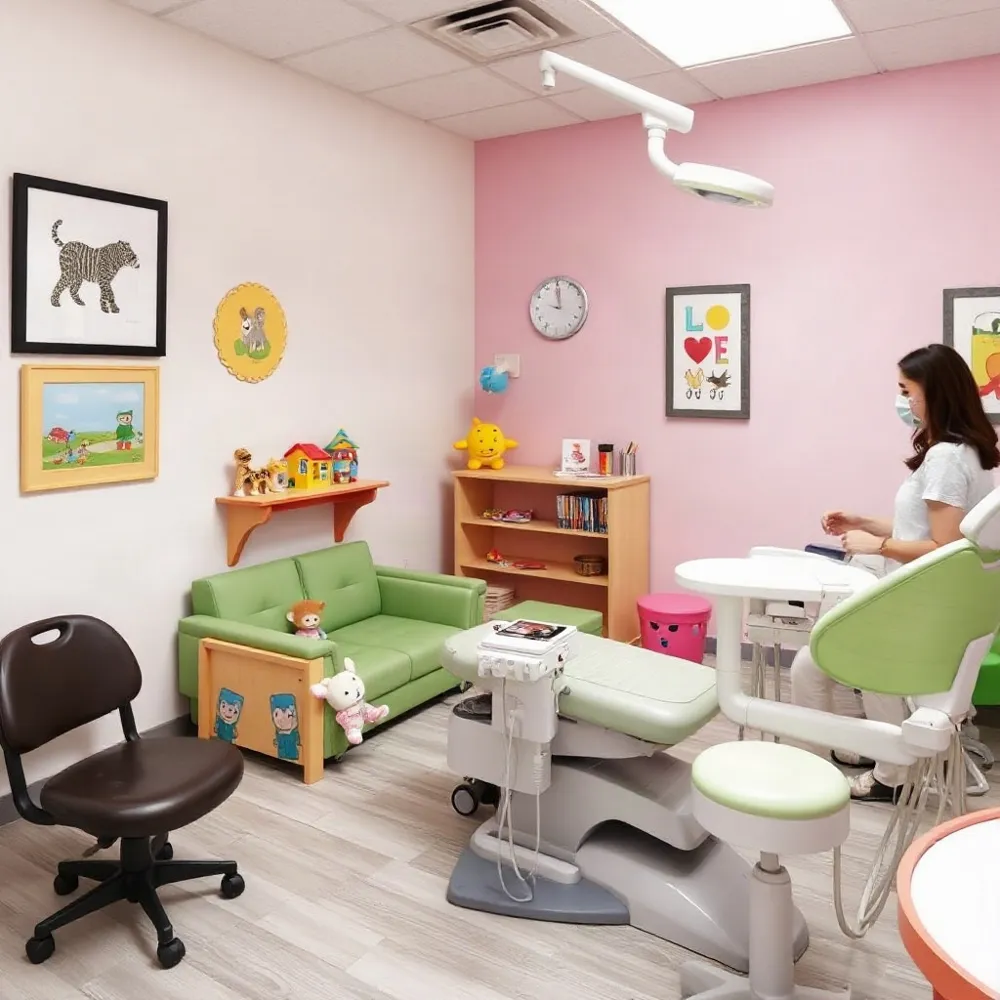
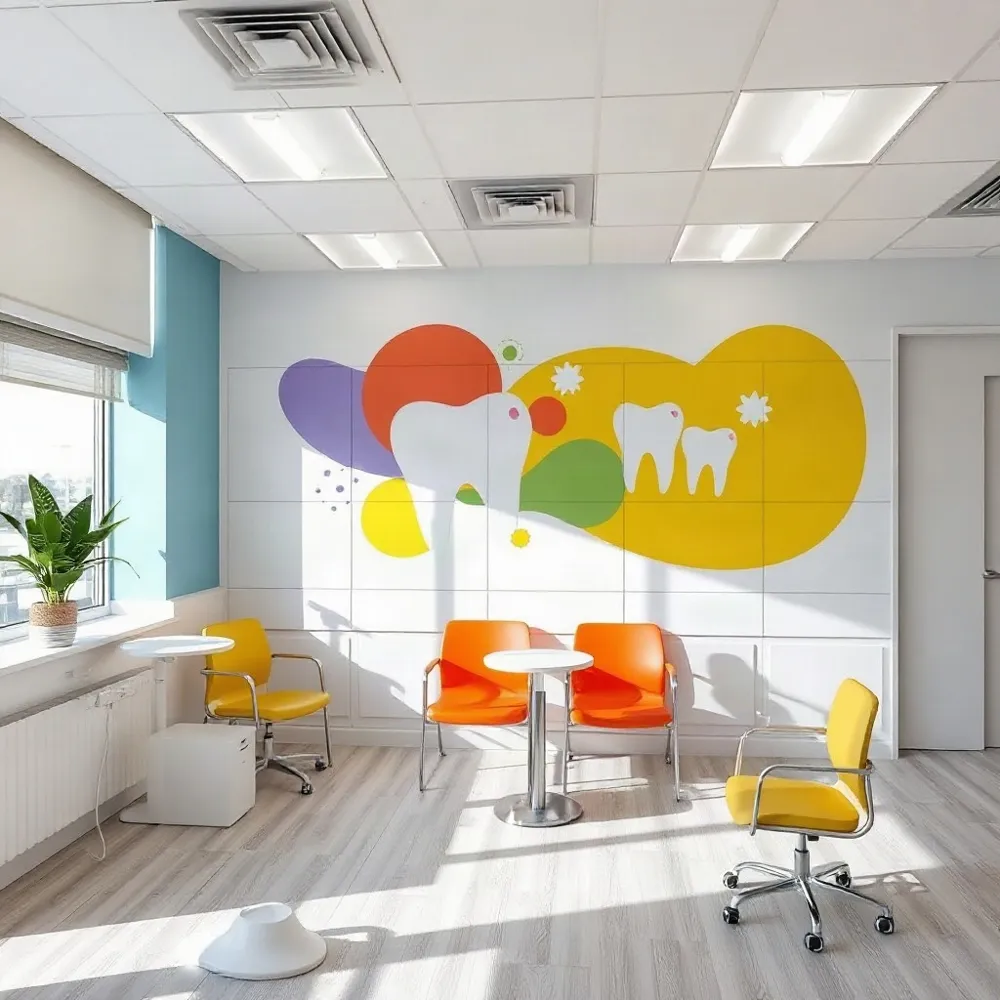
Dental offices focused on patient comfort often use calming colors and comfortable furniture, soft lighting, and soothing music to create a peaceful setting. These elements help reduce stress and make patients feel more relaxed during their visit.
What comfort amenities are offered to enhance relaxation?
Many practices provide amenities such as warm blankets and neck pillows, aromatherapy with scents like lavender, and noise-canceling headphones. These small touches contribute to a spa-like experience that helps patients feel safe and comfortable.
What advanced technologies improve patient comfort?
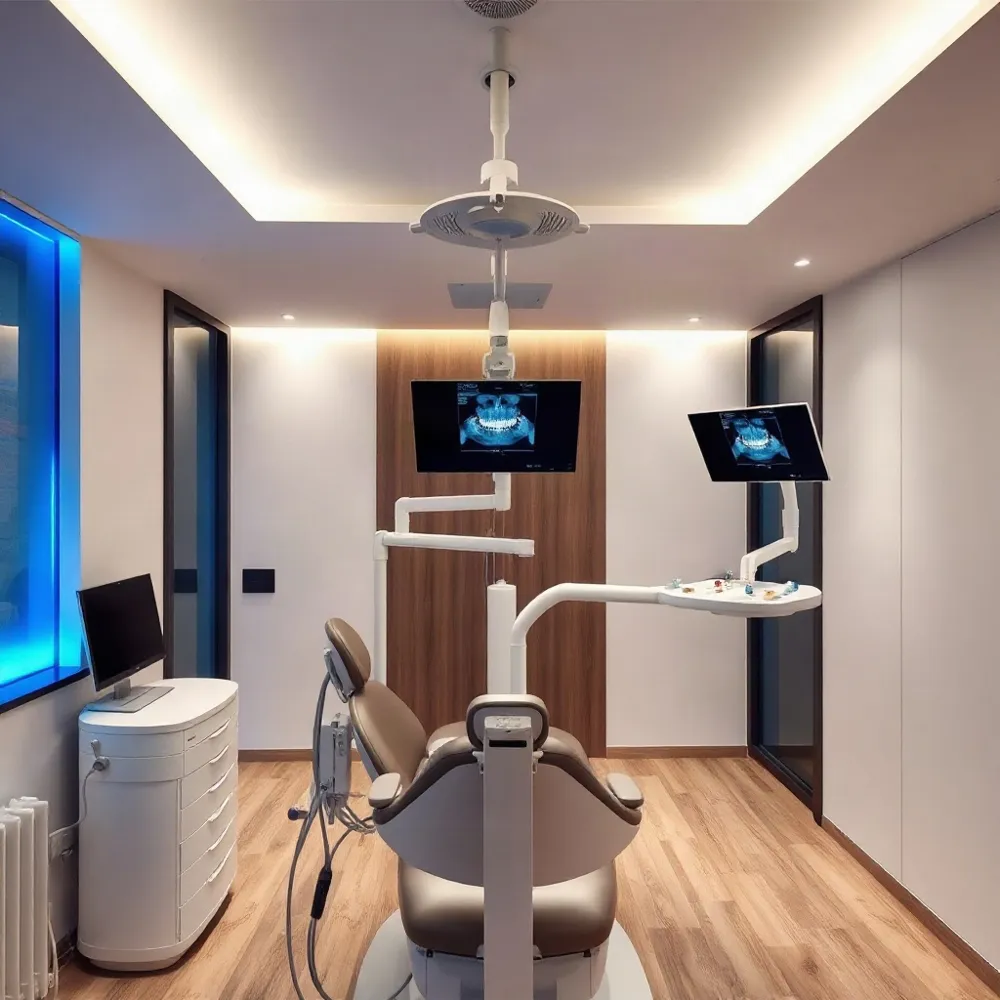
Modern dental technology plays a big role in minimizing discomfort. Techniques like laser dentistry allow procedures to be less invasive and often eliminate the need for needles. CAD/CAM technology enables same-day crowns, reducing multiple visits. Digital imaging, including 3D Cone Beam CT scans and intraoral cameras, improves diagnostic accuracy, and allows gentle treatment planning.
How do minimally invasive treatments reduce discomfort?
Minimally invasive treatments, such as drill-free fillings using lasers and soft-touch dental tools, help reduce pain and shorten recovery times. These modern methods focus on preserving healthy tooth structure and enhancing overall comfort during and after procedures.
Together, these environmental and technological advances create a patient-centered dental experience that emphasizes comfort, trust, and positive outcomes for all ages.
Practical Preparations and Scheduling for a Stress-Free Visit

When Is the Best Time to Schedule Your Dental Appointment?
Scheduling dental visits during convenient, less busy times not only helps minimize anxiety but also ensures a relaxed state of mind. Morning dental appointments are often preferred as they prevent worry from building up throughout the day. Additionally, choosing days when you are less stressed or avoiding peak hours can contribute to a calmer dental experience.
What Can I Do Before My Appointment to Feel More Relaxed?
Simple pre-appointment preparations can improve your comfort significantly. Engaging in Exercise Before Dental Appointments, such as a walk, can boost your mood and reduce tension. Avoiding caffeine and high-sugar foods before your visit helps prevent increased nervousness. Deep Breathing Exercises for Dental Anxiety can also calm your nerves as you prepare.
How Should I Prepare if I’m Using Sedation for My Procedure?
For patients opting for Nitrous Oxide for Relaxation, Oral Conscious Sedation, or IV Sedation in Dentistry, specific preparations are important. Arrange transportation to and from the dental office, as you may feel drowsy after the procedure. It’s advisable to take time off work to recover comfortably. Wearing loose, comfortable clothing and fasting as instructed (usually no food or drink for eight hours before oral sedation) are also crucial steps.
Why Are Regular Dental Visits Important for Reducing Anxiety?
Establishing a consistent dental routine is one of the most effective ways to lessen fear over time. Frequent, non-invasive checkups help desensitize you to the dental environment, making visits more familiar and less intimidating. Regular care also supports oral health, reducing the need for emergency procedures that might cause stress (Establishing a Regular Dental Routine).
By combining thoughtful scheduling and practical preparation, you can create a dental visit experience that is more comfortable, calm, and confident.
Summary and Encouragement for Comfortable Dental Care
Comfort Strategies During Dental Visits
Dental comfort is enhanced through distraction techniques like music and stress balls, sedation methods such as nitrous oxide or oral sedation, and relaxation exercises including deep breathing. Scheduling appointments during less stressful times and having a trusted companion offer added reassurance. Modern dental practices also utilize advanced, minimally invasive technologies that reduce discomfort and contribute to a gentler experience.
Open Communication and Personalized Care
Patients are encouraged to share their fears openly with dental professionals to tailor care approaches that best meet their needs. Facilities focused on patient comfort provide amenities like calming environments and sedation options, helping ease anxiety and foster trust.
Embracing Advancements for Better Experiences
Advances in dental technology and comfort dentistry allow for more efficient, less painful procedures. Together with compassionate care and supportive atmospheres, these developments make dental visits more approachable for patients of all ages, promoting regular attendance and better oral health outcomes.