Introduction to Groundbreaking Technologies in Dentistry
The field of dentistry has undergone remarkable transformation over centuries, evolving from rudimentary practices to sophisticated, technology-driven care.
Modern dental technologies now enhance accuracy, efficiency, and patient comfort, benefiting both providers and those they serve. Patients enjoy faster procedures, reduced discomfort, and improved preventive care, while dental professionals gain precision tools that support better diagnostics and treatment planning.
This article covers essential innovations shaping dentistry today, including digital imaging, laser dentistry, 3D printing, artificial intelligence, and teledentistry. These advancements not only improve clinical outcomes but also foster a more engaging and accessible dental experience for patients of all ages.
Key Facts on Advanced Digital Dentistry Technologies
- Modern dentistry utilizes Digital Imaging Technologies like high-resolution Digital X-rays and CBCT for enhanced diagnosis.
- Digital X-rays reduce radiation exposure by up to 90% and provide instant, high-resolution images for accurate diagnosis.
- CBCT Imaging offers 3D visualization for precise treatment planning in complex procedures like implants and orthodontics.
- Intraoral cameras improve diagnostics and patient communication by providing real-time, detailed visuals.
- Digital imaging technologies improve diagnostic accuracy, safety, and treatment personalization in dental care.
- 3D printing and CAD/CAM enable same-day, highly precise dental restorations, reducing treatment times and visits.
- CAD/CAM systems facilitate digital design and on-site fabrication of crowns and veneers, enabling single-visit restorations.
- Laser dentistry offers minimally invasive procedures with less discomfort and faster recovery, benefiting anxious patients.
- Artificial Intelligence enhances diagnostic precision and treatment planning, supporting early detection and personalized care.
- Advances like smart implants and regenerative therapies are revolutionizing tooth replacement and oral tissue healing.
1. Advanced Digital Imaging: A New Era in Diagnosis and Treatment Planning
What cutting-edge technology is currently used in dentistry?
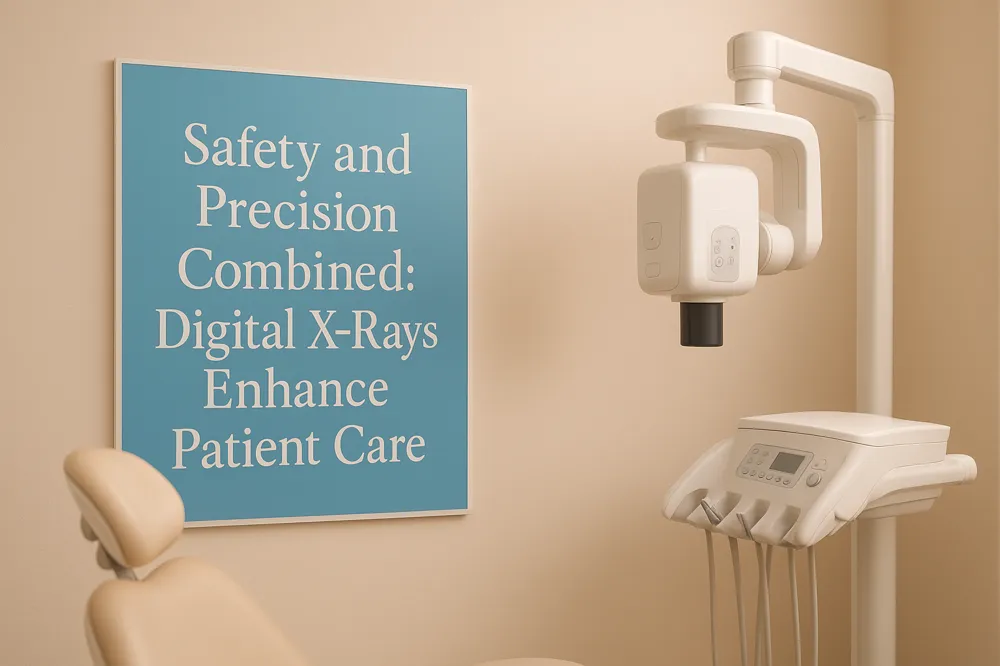
Modern dentistry utilizes Digital Imaging Technologies in Dentistry, like high-resolution Digital X-rays, Cone Beam 3D Imaging (CBCT), and Intraoral Cameras to provide highly detailed, precise images of teeth, jaws, and soft tissues, enhancing treatment planning and diagnostic accuracy.
How do digital X-rays improve patient safety and diagnostic accuracy?
Digital Radiography Benefits have revolutionized dental diagnostics by drastically reducing radiation exposure—by up to 90% compared to traditional methods—while offering instant, high-resolution images. This advancement means faster and more accurate identification of cavities, bone loss, and other dental issues, making examinations safer and more efficient.
What are the capabilities and clinical uses of Cone Beam Computed Tomography (CBCT)?
CBCT Imaging provides comprehensive three-dimensional images of teeth, jawbones, nerves, and soft tissues, allowing dental professionals to visualize structures in detail. It is essential for precise planning of complex treatments such as dental implants, root canals, orthodontics, and oral surgery. The 3D visualization significantly increases treatment safety and outcome predictability.
How do intraoral cameras enhance diagnostics and patient communication?
Intraoral Cameras for Patient Communication offer high-resolution, real-time images of the mouth’s interior, enabling early detection of cavities, cracks, and gum disease. By sharing these detailed visuals with patients, dentists improve communication and patient understanding, resulting in more informed decisions and enhanced cooperation in oral healthcare.
What overall impact do these imaging technologies have on treatment?
Together, advanced Digital Imaging Techniques in Dentistry improve diagnostic accuracy, enhance safety by minimizing radiation, reduce treatment times, and facilitate personalized treatment planning with greater precision. They contribute to more comfortable and effective dental care, improving clinical outcomes and patient satisfaction.
3D Printing and CAD/CAM: Streamlining Restorations and Appliances
What is the history of digital dentistry?
Digital dentistry has evolved significantly since the late 20th century, beginning with the introduction of CAD/CAM (computer-aided design and computer-aided manufacturing) principles in the 1980s. These early technologies laid the foundation for more advanced tools such as intraoral scanners and 3D printing, which have revolutionized the way dental restorations are designed and fabricated.
How is 3D printing used for crowns, bridges, dentures, and implants?
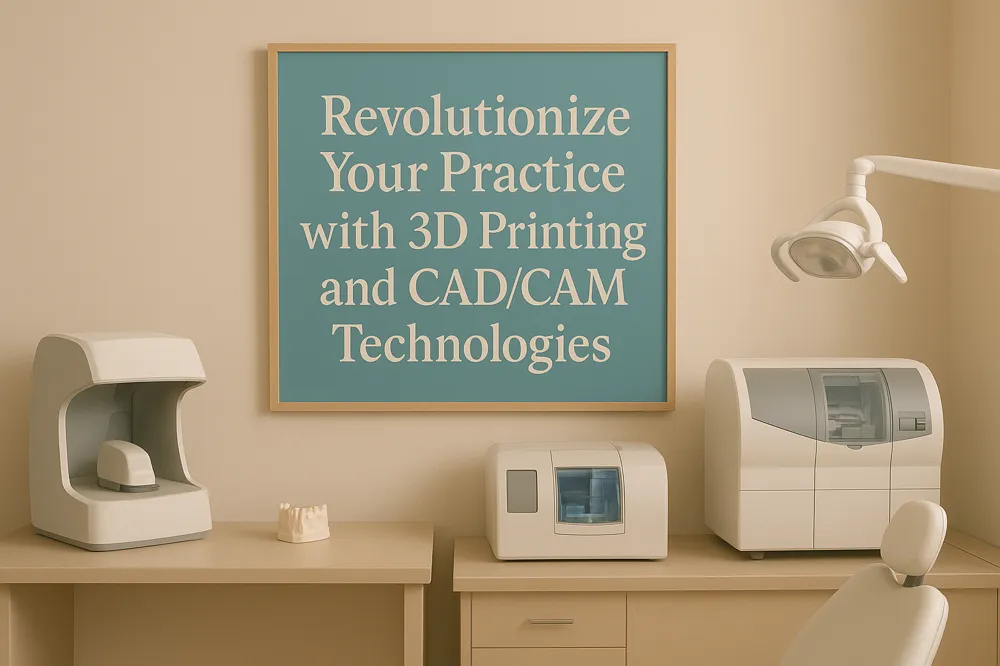
3D printing enables dental practices to produce highly precise and customized crowns, bridges, dentures, and implants right at the point of care. This technology cuts down production times, allowing for rapid creation of these appliances with exceptional accuracy, enhancing the fit and comfort for patients.
How does CAD/CAM technology enable same-day restorations?
CAD/CAM systems allow dentists to design restorations digitally and fabricate them on-site using milling machines or 3D printers. This seamless integration lets patients receive durable, well-fitted crowns and veneers in a single appointment, reducing the need for multiple visits and temporary restorations.
What are the benefits of customization and precision improvements?
The digital workflow increases precision in capturing dental impressions and crafting restorations tailored exactly to a patient’s oral anatomy. This customization improves the longevity and aesthetics of dental prosthetics, while minimizing adjustments and remakes. Benefits of digital impressions and precision enhancements have been widely recognized in technological innovations improving dental care accessibility.
How does this technology reduce treatment times and patient chair time?
By streamlining the fabrication process and eliminating the traditional lab turnaround, both treatment planning and appliance delivery are accelerated. This decreases the overall number of appointments and the time patients spend in the dental chair. The integration of digital workflows in dentistry greatly contributes to these reductions.
How does 3D printing and CAD/CAM benefit practice efficiency and patient satisfaction?
Practices adopting these technologies experience greater operational efficiency—fewer remakes, reduced lab dependence, and faster workflow. For patients, the benefits include less discomfort, quicker treatments, and high-quality restorations, resulting in improved satisfaction and trust in their dental care providers. These advantages are highlighted in innovations in dental technology.
3. Laser Dentistry: Precision and Comfort in Minimally Invasive Care
What is laser dentistry and how is it advancing dental treatments?
Laser dentistry benefits use focused laser beams to perform various dental procedures including cavity detection, gum reshaping, periodontal therapy, and teeth whitening.
How does laser dentistry improve treatment comfort and outcomes?
Laser technology allows for precise treatment with significantly less bleeding, swelling, and pain compared to traditional methods. This precision reduces tissue trauma and promotes faster recovery.
Why is laser dentistry beneficial for anxious patients and children?
Because Laser dentistry benefits often require less or no anesthesia and cause minimal discomfort, they are particularly advantageous for anxious patients and younger children who may fear dental procedures.
What specific treatments benefit from laser dentistry?
- Gum reshaping and contouring for improved aesthetics and health
- Detection and removal of cavities with minimal damage
- Periodontal therapy addressing gum disease with less bleeding
- Teeth whitening with reduced sensitivity and enhanced precision
How has laser dentistry impacted clinical dental care?
By reducing pain and recovery times, laser dentistry benefits enhance patient comfort and satisfaction. Its minimally invasive nature streamlines many procedures and improves clinical outcomes by preserving more natural tissue and decreasing the risk of complications.
| Aspect | Benefits | Impact on Patient Care |
|---|---|---|
| Precision | Targeted tissue treatment | Less damage to surrounding areas |
| Pain & Discomfort | Reduced bleeding and swelling | Greater patient comfort |
| Recovery Time | Faster healing | Quicker return to normal activities |
| Anesthesia Use | Often minimal or no anesthesia needed | Safer for sensitive patients |
| Suitability | Ideal for children and anxious patients | Increased accessibility to care |
4. Artificial Intelligence: Revolutionizing Diagnostics and Personalized Care
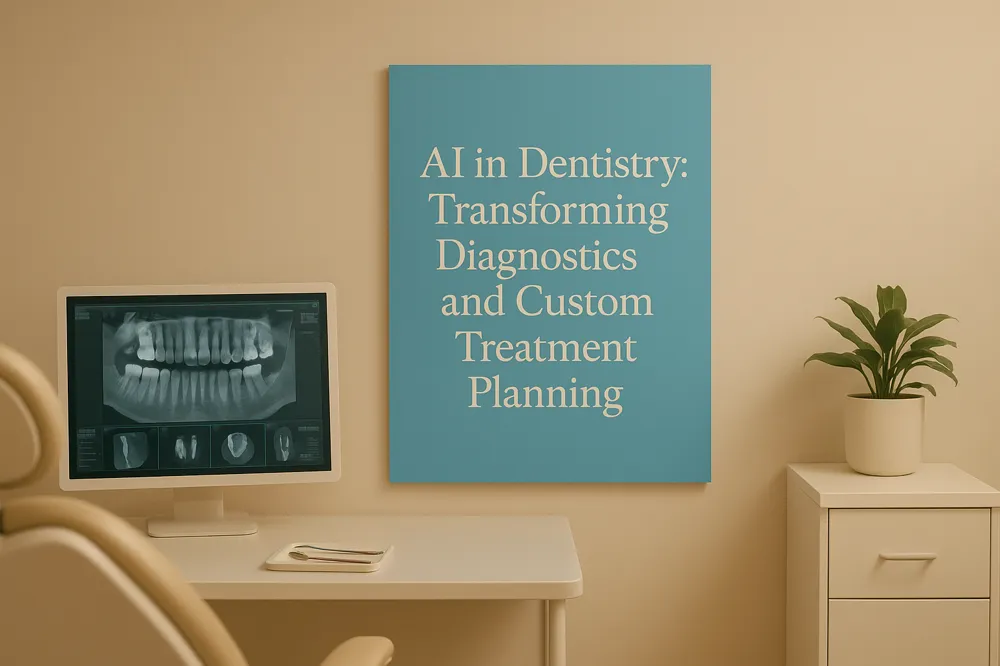
How is artificial intelligence being used in dentistry, and what are its opportunities and challenges?
Artificial intelligence (AI) is transforming dentistry by significantly enhancing diagnostic precision and personalizing patient care. AI algorithms analyze dental radiographs, scans, and microscope slides to detect early signs of cavities, gum disease, and oral cancers more accurately and faster than traditional methods. This early detection capability allows for timely intervention, reducing the need for more invasive treatments.
Beyond diagnostics, AI supports treatment planning by simulating virtual outcomes and generating optimal restorative models via integration with CAD/CAM technology. Virtual treatment simulations offer patients a clearer understanding of procedures, improving communication and consent.
When integrated with advanced imaging systems like 3D cone beam computed tomography (CBCT) and intraoral scanners, AI enhances interpretation of volumetric images and surface scans, refining implant placement, orthodontic planning, and root canal procedures.
However, employing AI in dentistry comes with challenges. Ethical considerations include ensuring patient data privacy, mitigating algorithmic biases, and maintaining transparency in AI decision-making. Additionally, integrating AI workflows into dental practices requires training and infrastructure investment.
Looking ahead, AI has the potential to enable highly personalized, predictive dentistry by analyzing a patient’s oral health trends and risk factors to tailor preventive strategies and optimize long-term outcomes. This evolving technology promises a future where dental care is not only more precise but also anticipatory, adapting proactively to individual needs. For further insights on Artificial intelligence in dentistry and its future prospects, see related resources.
5. Innovations in Dental Implants and Regenerative Dentistry: The Future of Tooth Replacement
What new dental technologies are available for replacing missing teeth?
Recent advances in dental implant technology have revolutionized tooth replacement. Three-dimensional (3D printing in dentistry) enables the creation of highly customized dental implants that precisely fit individual patients, improving comfort and aesthetic outcomes while reducing manufacturing time and costs. Smart implants equipped with embedded sensors provide real-time monitoring of implant health, detecting early signs of infection or complications to ensure prompt intervention.
Computer-guided implant surgery utilizes advanced imaging and software to plan and execute precise implant placement. This technology enhances safety, improves aesthetics, and facilitates faster recovery by minimizing surgical errors.
What is regenerative dentistry and how is it shaping modern dental care?
Regenerative dentistry harnesses the power of stem cells and biological therapies to naturally heal and rebuild dental tissues such as bone, dentin, and gum tissue. Cutting-edge research focuses on activating the body's own regenerative capabilities through smart biomaterials and scaffolds that support tissue growth and accelerate healing.
This approach offers promising alternatives to traditional implants and prosthetics by potentially enabling patients to regrow damaged or lost teeth. Stem cell therapies also promote bone regeneration, which is crucial for implant success, especially in cases of severe bone loss.
Benefits for bone regeneration and implant success
Incorporating regenerative therapies alongside implant placement improves the integration of implants with surrounding bone tissue, reducing the risk of implant failure. Enhanced bone regeneration leads to greater stability, faster healing times, and a more natural function and appearance.
Together, these technological advancements and regenerative strategies are paving the way for more personalized, effective, and less invasive tooth replacement options that improve long-term oral health outcomes.
Overview of Digital Dentistry’s Evolution
What is the history of digital dentistry?
Digital dentistry began making significant strides in the late 20th century. Around 1984, Dr. François Duret pioneered using CAD/CAM (Computer-Aided Design and Computer-Aided Manufacturing) technology to design and fabricate dental restorations, marking a turning point in dental treatment precision.
The following decade saw the introduction of cone-beam computed tomography (CBCT) in 1997, which revolutionized dental imaging by providing detailed 3D views of teeth, jaws, and surrounding tissues. This advancement improved diagnostics and complex treatment planning, such as for dental implants and root canals.
In the late 1990s, the introduction of Invisalign clear aligners transformed orthodontics by allowing for discreet and efficient teeth straightening without traditional braces. Around the same period, Intraoral Cameras emerged, replacing uncomfortable traditional molds with digital impressions, greatly enhancing patient comfort and accuracy.
Over the last 20 years, digital workflows have expanded dramatically, integrating 3D printing in dentistry, Digital radiography in dentistry, and same-day restorations that reduce appointment times and improve fit and aesthetics. Today, Artificial intelligence in dentistry and automation are increasingly incorporated, optimizing diagnostics, treatment planning, and patient communication.
These technological advances have collectively reshaped modern dentistry, making treatments more efficient, precise, and patient-friendly across ages.
Emerging Trends and Innovations Expected by 2025
What are the latest trends and innovations in dentistry for 2025?
Dentistry in 2025 is rapidly evolving with several transformative technologies enhancing patient care and practice efficiency. Artificial intelligence in dentistry now allow dentists to detect cavities, gum diseases, and even oral cancers in real time, using advanced imaging analysis to personalize treatment plans. Practice management also benefits from AI by streamlining scheduling, billing, and patient records.
Enhanced imaging technologies like Cone Beam CT and digital intraoral scanners provide high-resolution 3D views, improving the precision of implant placements and orthodontic procedures. Laser dentistry continues to refine minimally invasive treatments, reducing patient discomfort and accelerating healing times.
Telehealth has expanded access to dental care, especially for rural or underserved communities. Virtual consultations and remote monitoring facilitate early diagnosis and follow-ups without the need for in-office visits, making dental services more accessible and convenient.
Personalized and preventive dentistry is gaining momentum with the integration of big data, wearable oral health devices, and saliva diagnostics. These tools empower patients with actionable feedback on their oral hygiene habits and help clinicians anticipate potential issues before they develop.
Together, these advances support a more patient-centered, efficient, and proactive dental care model that addresses individual needs with greater precision and comfort.
Shaping the Future of Dentistry Through Technology
Advancements Transforming Dental Care
Modern dentistry is evolving rapidly, thanks to innovative technologies like digital impressions, 3D imaging, laser dentistry, artificial intelligence (AI), and 3D printing. These tools enable faster, more precise diagnostics and treatments, such as same-day crowns, guided implant placement, and early disease detection.
Benefits for Everyone Involved
Patients enjoy less discomfort, reduced appointment times, and improved treatment outcomes. Dental providers benefit from enhanced diagnostic accuracy, personalized care planning, and streamlined workflows. Practices experience greater efficiency, patient satisfaction, and the ability to offer cutting-edge care.
A Dynamic Future in Dentistry
Ongoing innovations, including regenerative therapies and smart devices, promise even more personalized and preventive care. The integration of AI and virtual reality will further enhance decision-making, education, and patient experience, reinforcing dentistry’s commitment to professional, accessible care for all ages.