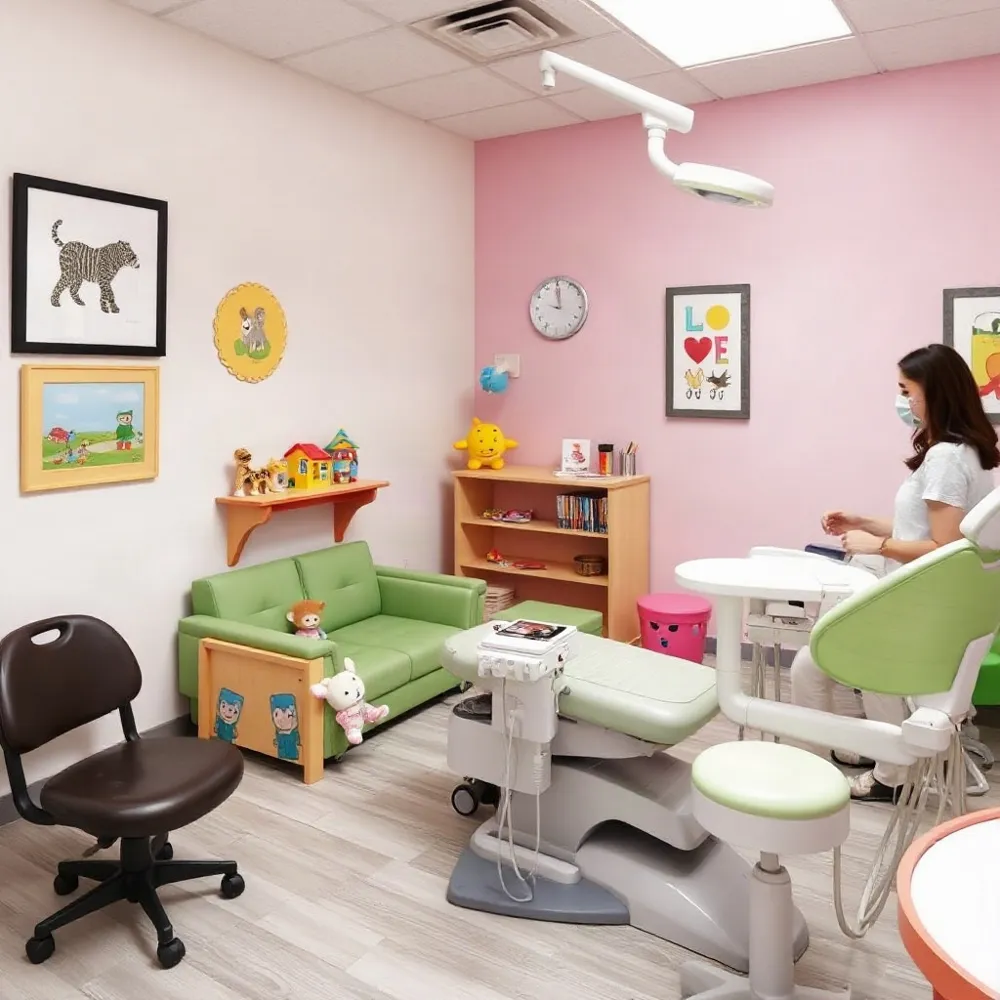
Introduction to Early Dental Visits for Children
Timing of First Dental Visit
The American Academy of Pediatric Dentistry recommends that children should have their first dental visit by their first birthday or within six months of the eruption of their first tooth. Early dental visits are crucial to start preventive care and to monitor the child's oral development.
Establishing a Dental Home
Starting dental care early helps establish a "dental home" — a consistent place for all dental care. This encourages family-centered care, builds a positive relationship with the dentist, and fosters lifelong healthy habits.
Importance of Early Dental Care
Early dental care helps detect issues like cavities, misalignment, or bite problems before they worsen. It also reduces dental anxiety by familiarizing children with the dental environment and promotes good oral hygiene from infancy. Preventive treatments such as fluoride applications and dietary guidance ensure a healthier smile for life.
Optimal Timing for a Child's First Dental Visit
At what age should a child have their first dental visit according to pediatric guidelines?
Pediatric dentistry recommendations recommend that a child’s first dental visit should occur by their first birthday or within six months after their first tooth erupts. Leading organizations such as the American Academy of Pediatric Dentistry (AAPD), the American Dental Association (ADA), and the American Academy of Pediatrics (AAP) emphasize this timing to establish a dental home early.
Why are early dental appointments important for children?
Early dental visits for children play a vital role in preventing and detecting issues such as cavities, improper tooth development, and bite problems at an early stage. These appointments also help children become familiar with the dental setting, reducing fear and anxiety associated with dental care later in life. Furthermore, early visits provide parents with personalized advice on oral hygiene practices, fluoride use in pediatric care, and nutritional guidance to support healthy teeth from infancy.
What guidance do pediatric organizations provide for early dental care?
Pediatric dental care organizations stress the importance of starting dental care soon after the first tooth appears. They recommend regular checkups every six months to monitor oral health, apply preventive treatments like fluoride varnish benefits and dental sealants, and address habits that may affect dental alignment, such as thumb sucking. Early visits also enable timely intervention using conservative techniques to manage early decay, helping to avoid invasive treatments in the future.
By adhering to these guidelines and scheduling the first dental visit by age one, families set the foundation for a lifetime of healthy smiles and reduced dental complications.
Benefits and Impact of Early Dental Care
What are the benefits of early dental care for children?
Early dental care, recommended by the American Academy of Pediatric Dentistry by a child's first birthday or within six months of their first tooth eruption (Importance of the Age One Dental Visit), provides significant advantages. It allows for early detection and treatment of dental issues such as cavities, misalignment, and dental developmental problems. Catching these challenges early helps avoid more invasive treatments later (Early dental visits for children, Early childhood dental visits).
How does early dental care prevent cavities and orthodontic issues?
Pediatric dentists employ preventive measures like fluoride varnishes and dental sealants during early visits. Fluoride treatments strengthen enamel, significantly lowering decay risk, while sealants protect the biting surfaces of molars, preventing up to 80% of cavities (Dental sealants, Preventing Cavities in Children). Early check-ups also monitor tooth and jaw development, allowing timely intervention for orthodontic problems, which can reduce the need for complex treatments in the future (Pediatric dental visit recommendations, Early preventive dental care).
Can early dental visits reduce dental anxiety and promote positive experiences?
Yes, introducing children to a child-friendly dental environment early on helps them become comfortable and builds trust with their dental team. Pediatric dentists use specialized techniques and behavioral management, ensuring the visits are positive, stress-free experiences (Reducing dental anxiety in children, Early dental visits for children). This early exposure reduces dental fear and encourages lifelong good oral care habits (Positive dental experiences for children.
Why is establishing healthy habits early so important?
Early dental visits provide parents with personalized guidance on brushing techniques, fluoride use, dietary choices, and injury prevention. This education helps establish healthy oral hygiene routines from infancy, supporting strong teeth, proper speech, and nutrition (Oral Health Tips for Children, Good dental habits for children, Importance of calcium and crunchy foods. Starting early promotes lifelong dental health and confidence, preventing future pain and costly dental treatments (Early dental care recommendations, Early childhood dental care).
Maintaining Optimal Oral Health from Infancy Through Childhood
What steps should be taken to maintain good oral health in babies and children?
Good oral health starts even before a baby's first tooth appears. Parents should gently clean their child's gums with a damp cloth to remove bacteria and promote healthy tissues. Once teeth begin to emerge, usually around six months, brushing twice daily with a soft toothbrush and a smear of fluoride toothpaste is essential. For children under three, a very small amount of toothpaste is appropriate, increasing to a pea-sized amount after age three (Good dental habits for children).
Supervised brushing is crucial until children develop the skill to brush effectively on their own, usually around age ten. Flossing should begin as soon as two teeth touch to prevent plaque buildup between teeth. Regular dental visits starting by age one or within six months after the first tooth appears help monitor dental development, catch early problems, and provide personalized guidance (First Dental Visit Timing, Importance of the Age One Dental Visit.
Diet plays a vital role in maintaining dental health. Limiting sugary snacks and drinks, especially at bedtime, reduces the risk of cavities. Encouraging water consumption and a balanced diet rich in calcium and crunchy fruits and vegetables supports strong teeth and healthy gums (Oral Health Tips for Children, Importance of calcium and crunchy foods.
Preventive care includes the application of fluoride varnishes and dental sealants by pediatric dentists. These treatments strengthen enamel and protect against decay, particularly in the deep grooves of molars. Avoiding prolonged habits like thumb-sucking and exposure to tobacco smoke also supports oral health (Preventive dental care strategies, Dental Sealants for Cavity Prevention.
Together, these measures foster lifelong healthy habits, reduce anxiety around dental care, and contribute to confident, healthy smiles (Children's dental care, Reducing dental anxiety in children.
Preparing Children and Parents for the First Dental Visit
What can parents do to prepare their child for their first dental visit?
Parents play a crucial role in preparing their child for their first dental visit to ensure a positive and comfortable experience. They should explain the visit in a cheerful, reassuring way, highlighting that it’s a normal, friendly appointment aimed at keeping their smile healthy. Using children’s books or videos about dental visits helps familiarize children with what to expect, easing any fears.
Choosing a family-friendly dental practice known for a gentle and patient approach is essential. These practices create welcoming environments and use behavioral techniques to make children feel secure. Parents can also arrive early to help their child adjust and bring a favorite comfort item, such as a toy or blanket.
At home, role-playing dental visits can build confidence and make the real visit less intimidating. Additionally, framing the appointment as an important part of staying healthy encourages children to view dental care positively, laying the foundation for lifelong oral health habits.
Addressing Dental Insurance and Preventive Care Access for Children
What should parents know about pediatric dental insurance options?
Parents should explore Dental insurance for infants plans that offer broad coverage tailored to children's unique dental needs. Prioritizing plans covering preventive services like routine cleanings, fluoride treatments, and dental sealants helps prevent cavities early on. Comprehensive plans also cover diagnostic exams and restorative procedures, essential for managing issues like cavities or tooth injuries.
It is important for parents to review waiting periods and annual coverage limits to ensure timely access to care. Emergency dental visit coverage is another vital feature to consider, given the unpredictable nature of dental accidents in young children. Consulting with your dental care provider and comparing insurance offerings can guide families in selecting the best plan to maintain their child's oral health effectively.
What are the key pediatric dental coverage mandates under the Affordable Care Act (ACA)?
The ACA designates Affordable Care Act children's dental and vision benefits as an Essential Health Benefit for children under 19, promoting inclusion of dental services in most health insurance plans. Small employers with 50 or fewer employees must include pediatric dental benefits within their medical plans, simplifying access by embedding dental coverage.
The ACA prohibits annual and lifetime limits on pediatric dental services through insurance exchanges, ensuring comprehensive care options for children. Medicaid and CHIP programs further support access to necessary dental care through the EPSDT Dental Benefits.
Large employers can offer pediatric dental coverage voluntarily, often without restrictive financial caps. States retain flexibility to adopt or enhance benchmark plans guaranteeing adequate pediatric dental benefits.
How do preventive treatments fit into insurance coverage?
Insurance plans commonly cover preventive treatments such as:
- Fluoride varnishes
- Dental sealants
- Regular professional cleanings
These services play a crucial role in reducing cavities and maintaining healthy teeth, lessening the need for costly and invasive dental procedures later.
What efforts exist to reduce disparities in access to pediatric dental care?
Medicaid and CHIP are instrumental in offering Dental Care for Medicaid Children, addressing socioeconomic disparities. Expanding Medicaid dental benefits for children under three and integrating oral health services with primary medical care improve access for underserved groups. State Oral Health Action Plans (SOHAPs) promote collaborative approaches to increase dental service availability, reduce childhood oral health disparities, and improve outcomes nationwide.
| Topic | Details | Importance |
|---|---|---|
| Pediatric dental insurance | Covers preventive, diagnostic, restorative dental care | Ensures timely and comprehensive dental treatment |
| ACA pediatric mandates | Essential Health Benefit, no annual/lifetime caps | Guarantees accessible coverage for children |
| Preventive treatments coverage | Includes fluoride varnish, sealants, cleanings | Reduces cavities, prevents invasive treatments |
| Access disparities | Medicaid/CHIP coverage, state initiatives | Targets vulnerable populations to promote oral health equity |
Summary: The Lasting Impact of Early Pediatric Dental Care
Early dental visits, recommended by the American Academy of Pediatric Dentistry by a child's first birthday or within six months of the first tooth, are crucial for preventing cavities and monitoring oral development.
Parents receive essential guidance on hygiene, diet, and habits, helping children build comfort and positive attitudes toward dental care.
Prioritizing early dental care supports long-term health, reducing costly treatments and fostering confident smiles that benefit children's overall well-being and social development.