Why Early Detection Matters for Your Teeth
Many dental problems develop without any obvious signs. A tiny cavity may not hurt until it reaches the nerve. Gum disease can progress silently for months. By the time you feel pain, the issue has often advanced, requiring more complex and expensive treatment.
Early detection means identifying these silent problems during a routine exam before they become serious. Catching a small cavity early typically requires only a simple filling. If left untreated, that same cavity may eventually need a root canal and crown — or even extraction. The same principle applies to gum disease: early inflammation (gingivitis) can often be reversed with a professional cleaning and better home care, while advanced periodontitis may require deep cleanings, surgery, or tooth replacement.
The financial benefits of early detection are substantial. Routine checkups cost a fraction of restorative procedures. The American Dental Association notes that preventive visits play a central role in catching problems early. At Veenstra Family Dental, regular exams and cleanings help patients avoid costly emergencies while preserving natural teeth for a lifetime.
The Hidden Danger of Silent Dental Problems
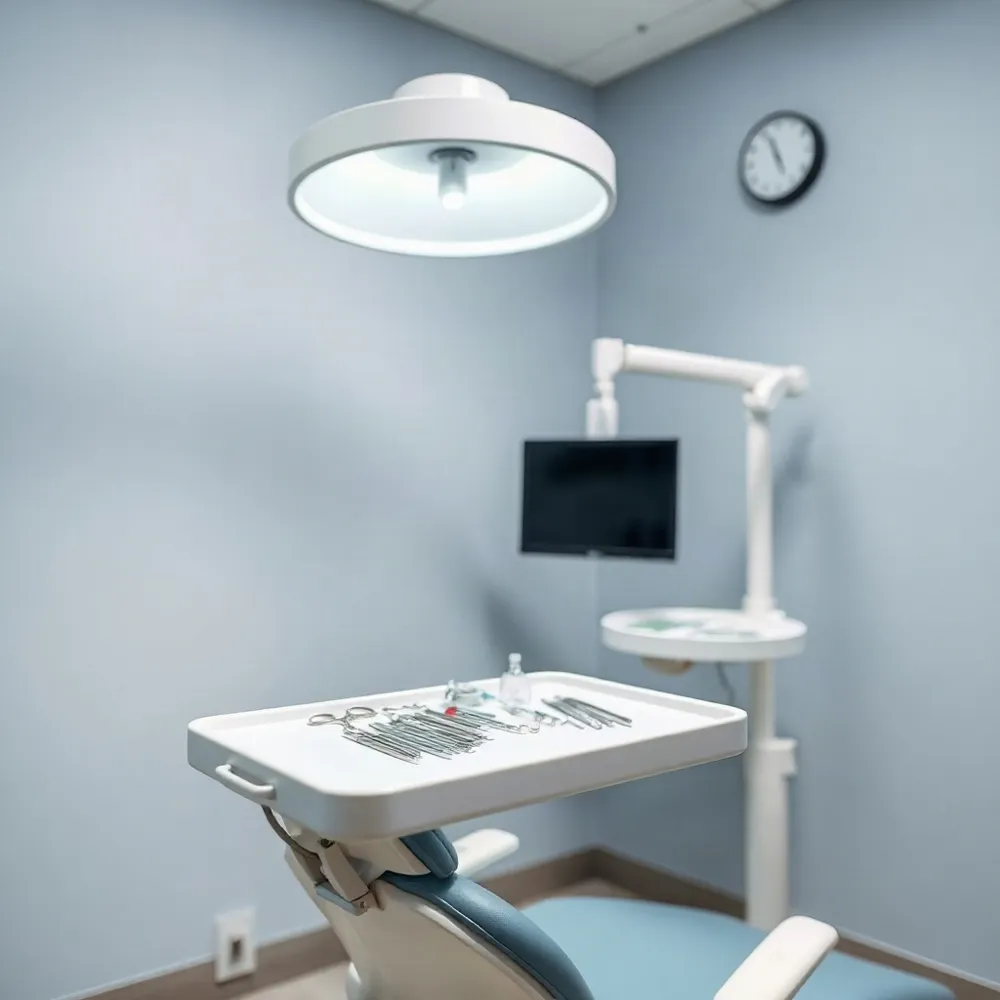 Many of the most serious dental issues start without any warning. A small cavity may go unnoticed until it reaches the nerve, causing intense pain. Gum disease can begin as a mild inflammation without discomfort and progress to periodontitis, a leading cause of tooth loss. A cracked tooth might only hurt once bacteria enter, and bone loss often develops gradually with no sensation at all.
Waiting for pain before scheduling a dental visit is a common mistake. By the time symptoms appear, treatment is often more complex and expensive. A simple filling can cost $150–$300, while a root canal with a crown may exceed $2,000. Catching problems early through routine exams at a practice like Veenstra Family Dental can prevent this escalation.
Oral health is closely tied to overall health. Research shows that gum disease has connections to heart disease, diabetes, and respiratory infections. Regular checkups allow dentists to spot early signs of these conditions and refer patients for appropriate medical care. Protecting your teeth also helps preserve your natural smile, jawbone structure, and facial appearance.
What Happens During a Preventive Dental Visit
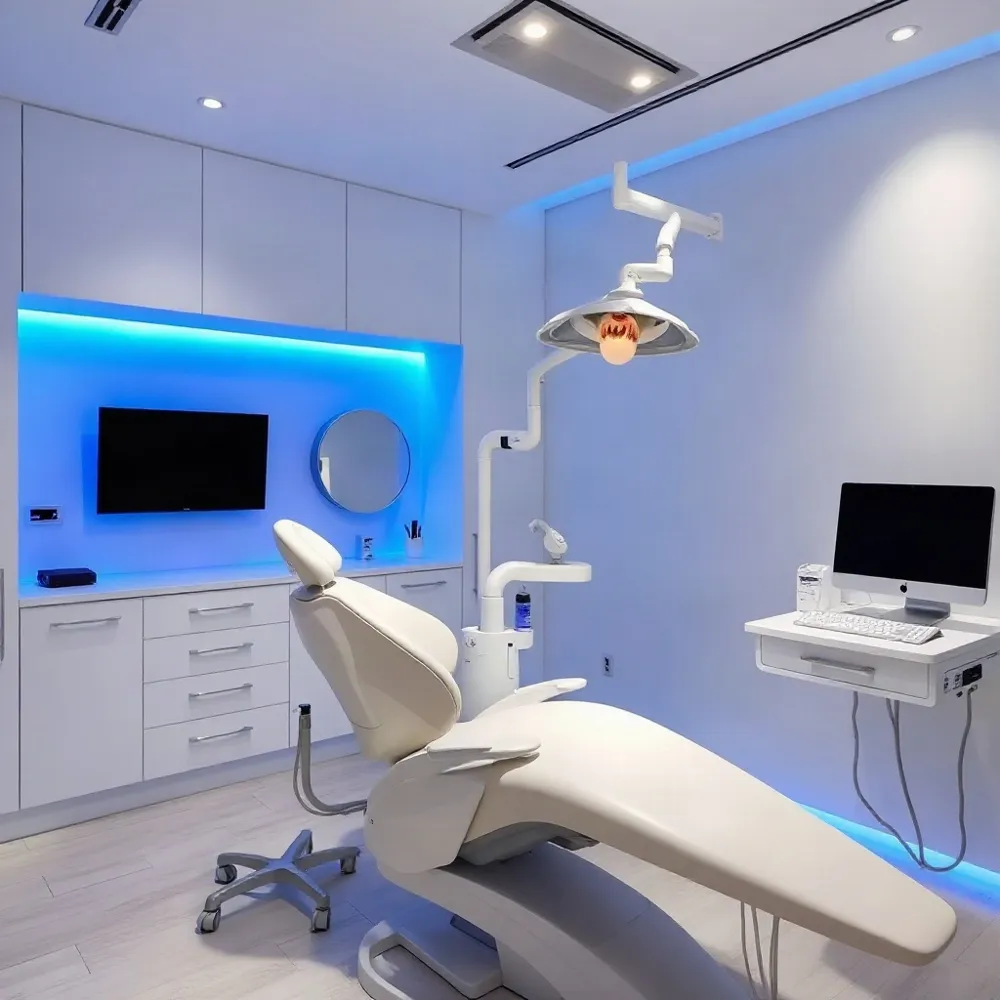
A routine preventive dental visit is more than a quick cleaning. It is a systematic appointment designed to catch problems early, remove buildup that home care cannot reach, and screen for conditions that affect your whole body. At Veenstra Family Dental, we personalize each preventive visit to your age, health history, and comfort, creating a welcoming environment for every member of your family.
The Core Components of a Checkup
A standard preventive visit at Veenstra Family Dental includes several distinct steps. First, the dentist or hygienist reviews your medical history and asks about any changes in your health or medications. Then a clinical exam checks your teeth for signs of decay, your gums for redness or bleeding, and your existing fillings or crowns for wear.
Digital X-rays are taken to spot cavities between teeth, bone loss, infections, and impacted teeth that a visual exam cannot see. An oral cancer screening follows, where the dentist feels for lumps along your neck and under your tongue and looks for unusual spots or sores in your mouth. Early detection during this screening can dramatically improve survival outcomes.
Professional Cleaning — Tartar Removal and Disease Prevention
The cleaning portion is where a hygienist uses a scaler or ultrasonic device to remove hardened plaque (tartar) from above and below the gum line. This tartar cannot be removed by brushing or flossing at home, and if left in place it causes inflammation that can progress from gingivitis to periodontitis, a leading cause of tooth loss in adults.
After scaling, the teeth are flossed, polished, and sometimes treated with a fluoride application to strengthen enamel. The entire appointment usually takes about 45 minutes, though it may be longer if it has been a while since your last visit or if X-rays are needed. Our team ensures a gentle, friendly experience throughout your visit.
Modern Technology for Accurate Diagnosis
Digital X-rays emit significantly less radiation than traditional film X-rays and provide instant, high-resolution images that can be enlarged on a screen for more precise diagnosis. Intraoral cameras let the dentist show you exactly what is happening in your mouth, making it easier to understand a treatment recommendation. These tools help identify tiny cavities, hidden fractures, and early bone loss long before symptoms appear.
| Step | Purpose | What It Detects |
|---|---|---|
| Medical history review | Identify risk factors and health changes | Medications, systemic conditions, allergies |
| Clinical exam | Visual and tactile check of teeth and gums | Cavities, gum inflammation, worn restorations |
| Digital X-rays | See beyond what the eye can see | Between-teeth cavities, bone loss, abscesses, impacted teeth |
| Oral cancer screening | Palpate and inspect oral tissues | Lumps, sores, asymmetrical tissue changes |
| Professional cleaning | Remove tartar and plaque | Prevents gingivitis and periodontitis |
| Fluoride treatment (optional) | Strengthen enamel | Reduces cavity risk |
Early Treatment Saves Money and Discomfort
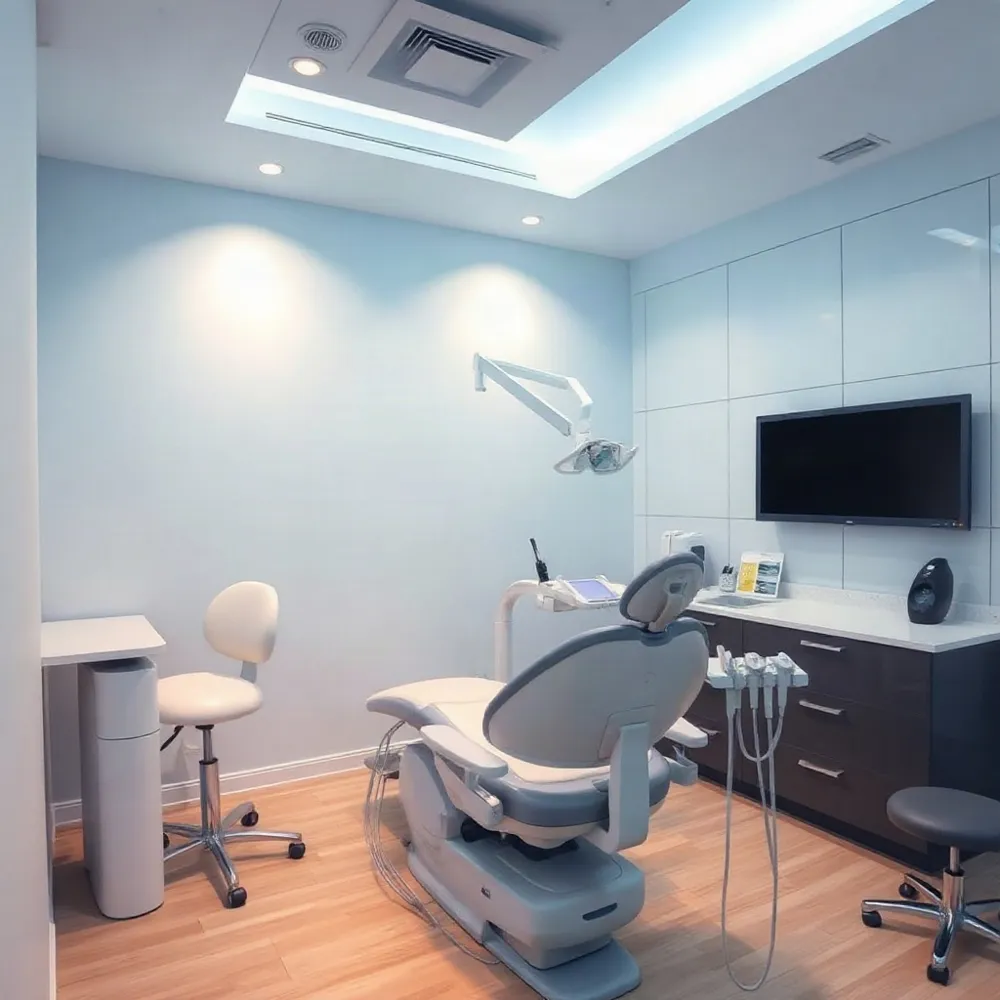 The financial difference between preventive care and restorative treatment is dramatic. Treating a small cavity with a simple filling typically costs $150–$300. Waiting until that same cavity reaches the nerve often requires a root canal and a crown, a combination that can exceed $2,000. At Veenstra Family Dental, early detection through routine exams means you can address issues at the filling stage, avoiding the far greater expense and discomfort of advanced procedures.
Gum disease follows a similar pattern. The earliest stage, gingivitis, causes gum inflammation but no permanent bone loss. It can often be reversed with a professional cleaning and improved home care. Left untreated, it advances to periodontitis, a leading cause of tooth loss in adults. Treating periodontitis requires deep cleanings, periodontal therapy, or even surgery, all of which carry higher costs and longer recovery.
Industry research shows that for every dollar spent on preventive dental care, patients can save between $8 and $50 in restorative and emergency treatments. A routine checkup and cleaning costs $80 to $300. A root canal and crown can run $2,000 or more. The math is straightforward: small, regular investments in prevention protect both your smile and your budget.
Understanding Your Preventive Coverage Options
Preventive dental care coverage is the part of a dental insurance plan that helps pay for routine services aimed at maintaining good oral health and preventing problems before they start. Typical covered services include regular check-ups, professional cleanings, X-rays, and fluoride treatments—often at little or no cost to you.
What is covered under dental preventive care? Most insurance plans cover biannual cleanings, annual exams, routine X-rays, fluoride treatments, and dental sealants for children at 100%, often with no deductible or co-pay. These services are designed to catch issues early and prevent cavities, gum disease, and other oral health problems before they require more extensive treatment. Many plans do not count preventive care against the annual maximum, making it even easier to stay on track.
For those without insurance, dental savings plans offer a flexible alternative. Also called dental discount plans, they are annual, fee-based memberships that provide negotiated discounts on services with no waiting periods. Patients pay a yearly fee and receive reduced rates for each procedure, which can be combined with traditional insurance to cover treatments not included in a standard plan. At Veenstra Family Dental, the team can help you understand your benefits and find a payment path that keeps preventive care accessible.
Dental Savings Plans: A Flexible Alternative
A dental savings plan, sometimes called a discount dental program, is an annual membership you buy for a set fee. It is not insurance. The plan provides access to a network of dentists who offer services at pre-negotiated, discounted rates. You can typically schedule care immediately after joining, with no waiting periods or deductibles.
These plans work well alongside traditional insurance. You present your insurance card and savings plan ID at the visit. The dentist bills your insurance first; after it pays, the remaining balance is discounted per the savings plan's fee schedule. This is especially useful for services your insurance does not fully cover or after you have used up your annual maximum.
A key advantage is flexibility. You are not locked into a yearly premium, and you can use the plan for procedures insurance often excludes, such as cosmetic treatments. Many independent family practices, including Veenstra Family Dental in Midland Park, NJ, accept these plans to help keep care accessible and affordable.
There are trade-offs. You pay an annual membership fee, and each service incurs an out-of-pocket cost even at the discounted rate. The plan expires at the end of the year, and you are limited to participating dentists in its network. Not all dental offices accept every plan, so it is wise to confirm directly with the practice before enrolling.
For individuals without employer-sponsored benefits or those needing major restorative work, a dental savings plan can reduce overall expenses significantly. Weighing the annual fee against the expected discount on your planned care will help determine whether the plan offers real value for your situation.
Rebuilding Your Oral Health After Neglect
If it has been years since your last dental visit, you may worry that the damage is permanent. While advanced gum disease or significant enamel loss cannot be completely reversed, many problems can be substantially improved with professional care and consistent habits. Early-stage gingivitis and surface stains often respond well to a diligent routine. The first step is scheduling a comprehensive examination so your dentist can see exactly where you stand.
Professional cleanings remove hardened tartar that daily brushing cannot reach, allowing gums to heal and reattach to teeth. Your dentist at Veenstra Family Dental will assess whether treatments like fluoride applications can strengthen weakened enamel or whether a deep cleaning (scaling and root planing) is needed to manage gum disease. With a personalized care plan, it is possible to halt further damage and prevent future complications.
To build a sustainable routine at home, consider the 3-3-3 rule: brush your teeth three times a day for at least three minutes each session. Some versions also recommend waiting three minutes after eating before brushing. This simple structure helps remove plaque consistently and makes oral hygiene easy for the whole family to remember and follow.
Personalized Care at Veenstra Family Dental
 The first step toward lasting oral health is knowing you have a dental home that sees the whole picture. At Veenstra Family Dental, care doesn't begin and end with a single checkup — it's built around a full spectrum of services designed to keep every member of your family healthy, comfortable, and confident.
Preventive visits catch the small issues before they become emergencies, while restorative treatments like composite fillings and dental crowns repair what disease has damaged. Cosmetic options — from bonding to teeth whitening — help you share your smile without hesitation. And when an urgent problem does arise, the same team you see every six months is ready with emergency care from the same Midland Park office.
Modern diagnostic technology, including digital X-rays and intraoral cameras, allows your dentist to spot decay, gum disease, and cracks at the earliest possible moment — often before you would feel anything. Catching a problem this early means treatment can be simpler, faster, and less expensive, and it's why a routine visit can save both your teeth and money.
Because good care also needs to fit your schedule and your budget, the practice offers early-morning, evening, and Saturday appointments, along with flexible payment options such as Care Credit, FSA, and HSA accounts. The team accepts most insurance plans and works with patients to find a path forward that feels right. It's this combination — experienced professionals, advanced tools, and a genuinely welcoming atmosphere — that turns a dental appointment into something you can look forward to. Dr. Eric Veenstra has served the community since 2007, and patient reviews consistently highlight how much time the team takes to listen, explain, and put everyone at ease.
Take the First Step Toward a Healthier Smile
Waiting for a toothache to schedule a visit is the most expensive approach to dental care. Early detection consistently saves both teeth and money by catching small problems before they become major ones. Whether it has been six months or six years since your last appointment, the best time to start is now.
At Veenstra Family Dental, every patient receives a personalized treatment plan built on modern diagnostic tools and a welcoming, judgment-free atmosphere. The team at 44 Godwin Ave in Midland Park, NJ, focuses on making each visit comfortable and productive, regardless of your dental history.
Taking that first step is simple. Call (201) 447-0300 or visit veenstradental.com to schedule a comprehensive exam and cleaning. Investing an hour today can prevent painful procedures and unexpected costs tomorrow.