Why the Clock Matters
The Strategic Advantage of an Early Start
Scheduling a dental appointment early in the day is more than a matter of convenience; it’s a strategic decision that can improve the quality of your visit. Morning appointments, especially those right at opening time, offer a host of benefits that can make your dental care more effective and less stressful.
Dental professionals are at their most alert and refreshed early in the morning. This heightened focus allows for a more thorough examination and a more attentive discussion of your oral health. When your dentist is energized, you are more likely to receive comprehensive care. Moreover, morning appointments typically experience fewer delays, so you can expect to be seen close to your scheduled time, allowing you to get back to your day without interruption.
The Link to Overall Health and Confidence
Your mouth is a window to your overall health, and a morning dental visit can act as an early warning system. The bacteria that cause gum disease can enter your bloodstream and contribute to serious conditions like heart disease, diabetes complications, and stroke. A routine check-up includes screening for these systemic links, often before other medical professionals detect them. By prioritizing your appointment, you are taking a proactive step for your whole-body health.
Starting your day with a dental check-up also boosts your confidence. A professional cleaning removes the buildup of plaque and tartar that leads to bad breath, leaving you with a clean, fresh feeling that lasts. Knowing that your oral health is on track can reduce background anxiety and help you face work and social interactions with a more confident smile. This positive start can reinforce good habits, encouraging you to stick with your brushing and flossing routine throughout the rest of the year.
Maximizing Your Insurance and Financial Benefits
Many dental insurance plans reset on January 1st, meaning your annual maximum benefits and deductible start fresh. Scheduling an early appointment, particularly in the first few months of the year, allows you to use those benefits before they are forgotten. This is the best way to ensure you are not leaving money on the table.
By planning ahead, you can meet your deductible sooner and take full advantage of your annual maximum for any planned treatments like fillings, crowns, or periodontal therapy. This proactive approach also helps you avoid the year-end rush when dental offices are busiest and appointment slots are hard to find. Early scheduling gives you control over your calendar and your budget.
Securing Your Preferred Appointment Time
For those with busy schedules, early morning slots are a valuable commodity. Dental practices often open as early as 7:00 AM, offering appointments that fit neatly before work or school. This allows you to handle your dental care without taking time off or disrupting your afternoon commitments. Early morning visits are also ideal for procedures requiring anesthesia, as you have the rest of the day to recover comfortably.
By booking ahead, you are more likely to secure a time that works for you, reducing the risk of missed or forgotten appointments. Consistent, pre-scheduled care is the cornerstone of a healthy mouth and a strong patient-dentist relationship. To further simplify the process, gather your insurance information, a list of any medications you take, and a few questions for your dentist before you arrive. This preparation ensures your visit is productive and personalized to your needs. A simple table below outlines the key advantages of an early appointment.
| Benefit | Impact on Patient | Why It Matters for Your Health |
|---|---|---|
| Increased Dentist Focus | More thorough exam and discussion | Catches early signs of decay, gum disease, and oral cancer |
| Reduced Wait Times | Faster visit with less disruption | Reduces stress and supports a busy routine |
| Whole-Body Screening | Detects links to heart disease, diabetes | Enables early intervention for systemic health issues |
| Proactive Insurance Use | Maximizes benefits, avoids year-end rush | Saves money and allows for planned treatment phasing |
| Boosted Confidence | Fresh breath and healthy smile | Improves social interactions and professional presence |
1. The Science of Sunrise Visits
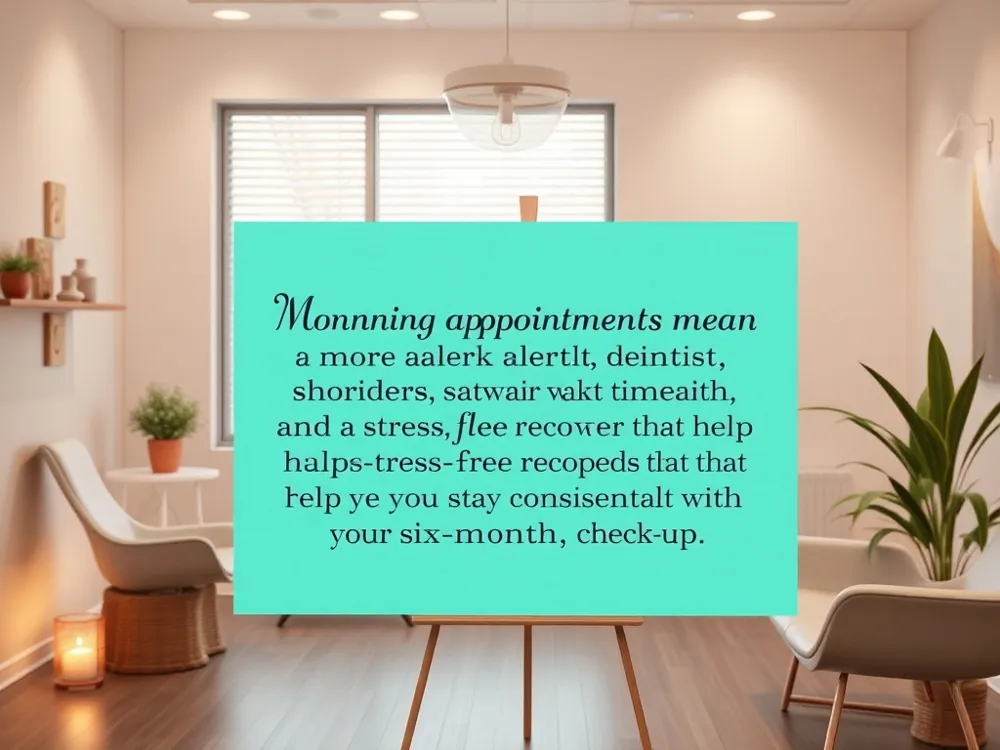
Dentists are freshest and more focused in the morning, reducing errors and wait times
Studies and dental professionals agree that morning appointments are advantageous. Dentists are more alert and focused at the start of their day, which can lead to more thorough care and fewer scheduling delays. The office is operating at its peak efficiency, meaning you are less likely to experience long wait times due to a buildup of patients or unforeseen emergencies. Dentists are more alert during morning appointments
Early appointments avoid the domino effect of afternoon walk‑ins and emergencies
As the day progresses, walk‑in patients and unexpected emergencies can easily push a carefully planned schedule behind. This domino effect often turns an afternoon appointment into a lengthy wait. By choosing an early morning slot, you skip this cascade of delays, ensuring your visit starts and ends on time. Bookings dental visits during lunch breaks or weekends
Patients have the whole day to recover from procedures, reinforcing consistency
If your visit involves a procedure like a filling or a crown, finishing in the morning leaves you the rest of the day to rest and recover. This reduces stress and makes the experience less disruptive, reinforcing your commitment to regular, six-month check-ups. Recommended dental visit frequency (twice a year) Starting your day by prioritizing your health also sets a positive, proactive tone for your overall wellness routine. Start your day with a positive health habit For many, this convenience is the key to never skipping a scheduled appointment. The benefits of pre-scheduled dental visits
2. Cashing In on Calendar‑Year Benefits
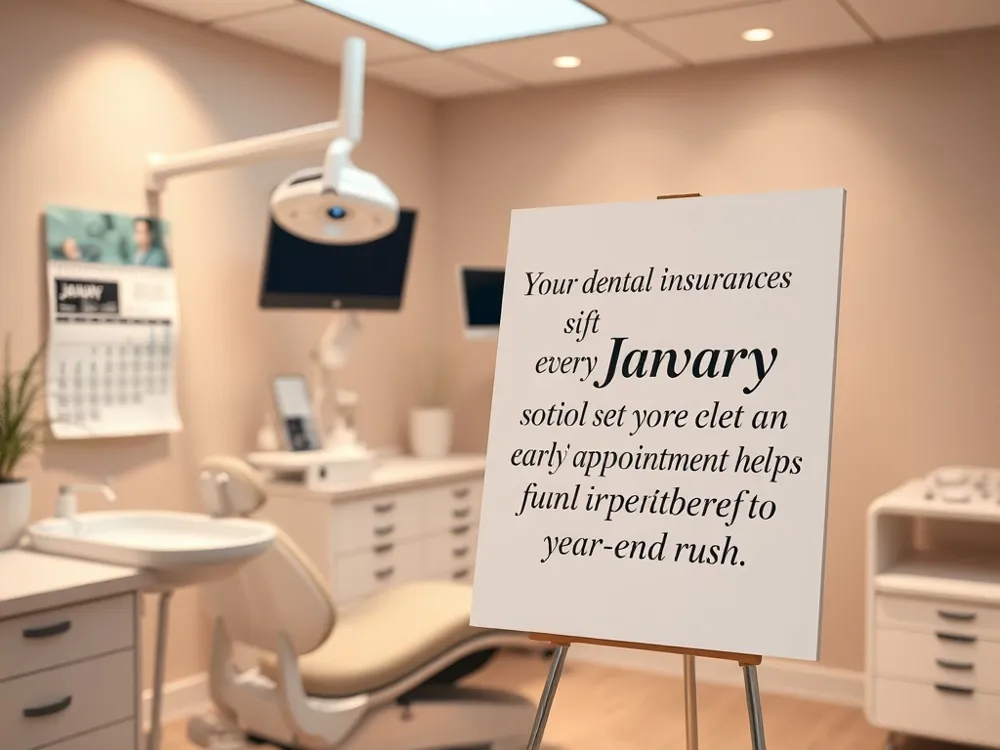
Why Your Insurance Resets Every January 1st—and Why That Matters Now
Most dental insurance plans operate on a calendar-year basis, meaning your deductible resets and your annual maximum renews every January 1st. If you don’t schedule a check-up early in the year, you risk losing those valuable benefits by December 31st. An early appointment allows you to meet your deductible quickly and use your full annual limit for cleanings, X‑rays, and any needed treatments—before the year‑end rush forces you to scramble.
Take Advantage of New‑Year Promotions and Flexible Payment Options
Many dental practices launch New Year specials to encourage early visits. These can include discounted cleanings, whitening promotions, or reduced fees on preventive services. Even without a promotion, early scheduling gives you time to explore flexible payment plans such as Cherry or CareCredit, making it easier to budget for any work that may come up during the year.
Why Morning Slots Give You the Best Choices
Early morning appointments are typically the most open on the schedule. Booking one of these slots—often available as early as 7:00 AM—means you avoid the year‑end crowd and secure a time that fits your day. Walking into a less busy office also means shorter waits and a more relaxed, personalized visit. Starting your year with a clean, healthy smile sets a positive tone for your overall health and helps you stay consistent with preventive care. | Benefit | What It Means for You | Action to Take | | --- | --- | --- | | Calendar‑Year Insurance Reset | Deductible renewed, new annual maximum available | Schedule early to use your benefits before they expire | | New‑Year Promotions | Discounted cleanings, whitening specials | Ask your practice about current offers | | Flexible Payment Plans | Cherry, CareCredit, or in‑house options | Inquire at your visit to avoid surprise costs | | Early Morning Appointments | More availability, shorter waits | Book before 9:00 AM for the best selection | | Avoiding Year‑End Rush | Less stress, better appointment choice | Prioritize your visit now, not in December |
3. Spotting Trouble Before It Grows – From Gum Disease to Lymphoma
 During a routine early-morning exam, your dentist does more than check for cavities. The visual and tactile screening includes a thorough check of your neck and jaw for swollen lymph nodes. Oral lymphoma can present as painless swelling, ulcerations, or even loose teeth that mimic periodontal disease. As the third most common oral malignancy, catching these signs early allows for a prompt referral to a medical professional for diagnosis and care.
How does poor physical health affect oral health?
Systemic conditions like diabetes, heart disease, and obesity directly worsen oral health. Uncontrolled diabetes increases inflammation and weakens immune response, raising the risk of gum disease, tooth decay, and dry mouth. Periodontitis shows a moderate association with diabetes, while dental caries is linked to hypertension. This creates a harmful, bidirectional cycle: oral infections can enter the bloodstream and exacerbate systemic diseases. Conversely, managing overall wellness through proper medical care and healthy habits is essential for maintaining a healthy mouth.
| Oral Health Issue | Associated Systemic Condition | Impact Mechanism |
|---|---|---|
| Gum disease (periodontitis) | Diabetes, Heart disease | Increases inflammation, weakens immune response |
| Tooth decay (caries) | Hypertension, Obesity | Shared risk factors like poor diet and smoking |
| Dry mouth (xerostomia) | Diabetes, Autoimmune disorders | Reduces saliva's protective effect |
| Oral cancer | HPV, Tobacco use | Can be detected via lymph node palpation |
| Swollen lymph nodes | Lymphoma, Infection | Painless swelling may indicate malignancy |
Why early detection matters
Routine exams allow dentists to identify silent issues—like gum disease or early decay—before they become painful or costly. Swollen lymph nodes, often painless, may go unnoticed by patients but are easily detected during an oral cancer screening. Since oral health is directly linked to systemic wellness, addressing problems early supports both your smile and your overall health. With early-morning appointments, you benefit from a rested provider and a less crowded schedule, making thorough screening more effective.
4. The Gold‑Standard At‑Home Routine
What is the best at-home dental care routine?
The foundation of a healthy smile is a consistent, daily routine performed at home. This routine is your first line of defense against common issues like cavities and gum disease, and it works in partnership with professional cleanings to keep your mouth healthy.
Start each day and end each night by brushing your teeth for a full two minutes. Use a soft‑bristled toothbrush and fluoride toothpaste. Brushing first thing in the morning removes the bacteria that built up overnight, while the evening session clears away food particles and sugars from the day. This dual routine provides a protective layer of fluoride before bed.
Daily flossing is equally important. Floss once a day to clean the tight spaces between your teeth where your toothbrush cannot reach. Removing plaque from these areas reduces your risk of gum disease. Finish your routine by gently cleaning your tongue—either with a toothbrush or a tongue scraper—to remove bacteria and keep your breath fresh.
Lifestyle tips that support a healthy mouth
Your daily choices affect your oral health. Limiting sugary snacks and drinks is essential, as sugar feeds bacteria that cause decay. Drink plenty of water, especially fluoridated tap water, to rinse away food and neutralize acids. Avoid tobacco and limit alcohol, as both significantly increase your risk for oral cancer and gum disease.
Replace your toothbrush every three to four months, or sooner if the bristles become frayed. If you play contact sports, always wear a custom mouthguard to protect your teeth from injury. Finally, schedule regular dental visits for checkups and professional cleanings to catch any developing problems early. This combination of smart daily habits and professional care delivers the best possible long-term oral health. | Habit | Frequency | Key Benefit | | :--- | :--- | :--- | | Brushing with fluoride toothpaste | Twice daily, 2 minutes each | Removes biofilm, strengthens enamel | | Flossing | Once daily | Cleans between teeth, prevents gum disease | | Tongue cleaning | Once daily | Reduces bacteria, freshens breath | | Replace toothbrush | Every 3–4 months | Ensures effective cleaning | | Limit sugar, stay hydrated | Daily | Reduces cavity risk, rinses debris | | Avoid tobacco | Full-time | Lowers oral cancer & gum disease risk | | Wear mouthguard (sports) | When needed | Protects teeth from injury |
5. Kissing, Gingivitis, and Shared Smiles
Can I kiss my boyfriend with gingivitis?
Yes, you can. However, it's important to know that the bacteria causing gingivitis can spread through saliva during kissing. This doesn't mean he will automatically develop gingivitis, but it does increase his risk, especially if his oral hygiene is poor or if he has risk factors like diabetes or a weakened immune system.
How to reduce the risk of transmission
To protect both your smiles, maintain rigorous daily oral hygiene. This includes brushing twice a day with fluoride toothpaste, flossing daily, and using an antibacterial mouthwash.
When to seek professional help
If your partner notices symptoms like bleeding gums, persistent bad breath, or tender gums, encourage them to schedule a dental checkup. Regular professional cleanings and exams are crucial for catching and managing gingivitis early, ensuring a healthy mouth for everyone. Practicing good oral care together helps protect your shared smile. Plan a joint appointment at a family‑focused dental practice to make preventive care a team effort.
6. Designing the Perfect Smile – The 50‑40‑30 Rule
What is the 50-40-30 rule in dentistry?
The 50-40-30 rule is a guiding principle in cosmetic dentistry used to evaluate the ideal width proportions of your upper front teeth. Specifically, when viewed straight-on, the two central incisors should occupy roughly 50% of the visible space, the lateral incisors 40%, and the canines the remaining 30%. This ratio helps dentists craft a naturally balanced, harmonious smile, whether they are planning porcelain veneers, composite bonding, or a full smile makeover.
How early appointments let the dentist plan cosmetic work using digital scanning and CAD/CAM
Scheduling an early appointment provides a relaxed, unhurried environment for discussing your aesthetic goals. During this visit, our team uses advanced digital scanning to capture precise 3D images of your teeth. These scans feed into our in-house computer-aided design and production (CAD/CAM) technology, allowing us to visualize and design your new smile in real time. This digital workflow means we can show you a preview of the final result, make instant adjustments for accuracy, and often create custom restorations—like crowns, veneers, or onlays—while you wait, saving you time and a second visit.
Personalization at Veenstra Family Dental
At Veenstra Family Dental, we believe a beautiful smile should look uniquely yours. Our cosmetic dentists apply the 50-40-30 rule as a starting point, then tailor every detail to your facial features, lip line, and personality. Using state-of-the-art technology in a welcoming, family-focused environment, we deliver modern, compassionate care that enhances your natural beauty and confidence—all in a single, efficient appointment.
7. Quick Pain Relief – The 3‑3‑3 Rule and Same‑Day Dentistry
What is the 3-3-3 rule in dentistry, and when should it be used for inflammation control?
For temporary management of dental pain, the 3‑3‑3 rule can provide fast relief by targeting inflammation, the primary source of most toothaches. This method involves taking 3 tablets of ibuprofen (200 mg each) every 3 hours for a maximum of 3 days. It is crucial to consult your dentist first before starting this regimen, as underlying issues like an abscess may require immediate professional treatment rather than at-home care. Learn more about the 3-3-3 rule and medication strategies for dental pain.
How does same-day dentistry provide quick, lasting relief?
When urgent care is needed, same-day dentistry offers a permanent solution in a single morning visit. Advanced technology like digital scanning and in-office CAD/CAM enables dentists to design and create custom crowns, fillings, or onlays while you wait. This eliminates the need for multiple appointments, meaning you can leave the office with a fully treated tooth or a functional, aesthetically pleasing crown in just hours.
| Issue | 3‑3‑3 Rule | Same‑Day Dentistry |
|---|---|---|
| Purpose | Controls inflammation causing pain | Provides permanent restoration (e.g., crown, filling) |
| Action | Take 3 ibuprofen every 3 hours for 3 days | Digital scan, in-house design, and same-day fabrication |
| Result | Temporary pain relief | Functional tooth or crown in one visit |
By combining responsible pain management with modern single-visit procedures, you can resolve dental discomfort quickly and effectively. Explore CAD/CAM same-day dentistry accuracy studies.
Putting It All Together
The common thread connecting financial savings, early detection, cosmetic timing, and personal convenience is a single, simple choice: booking a morning appointment, especially early in the year. An early-morning slot at Veenstra Family Dental places you ahead of the crowd—maximizing your calendar-year insurance benefits before they reset, securing a quiet appointment time when both you and our team are fresh, and allowing for flexible treatment planning across the coming months. A proactive check-up this January means you can address a small cavity before it requires a root canal, discuss fall whitening in time for holiday photos, and build a relationship with our modern practice in a relaxed, unhurried setting.
Consistency creates a virtuous cycle for your health
Professional care works best when it reinforces your daily habits. The 30+ hours you spend brushing and flossing each year are far more effective when guided by a dentist’s personalized recommendations made during a calm, early-morning exam. Routine cleanings remove the tartar that home care cannot reach, and we use that time to review your oral hygiene technique, diet, and risk factors. In turn, good home care reduces plaque buildup, making your subsequent visits quicker and more comfortable. This positive feedback loop extends beyond your mouth: research consistently links controlled gum inflammation to lower risks of heart disease, diabetes complications, and pregnancy complications. By prioritizing that first early-morning appointment, you are making a measurable investment in your whole-body wellness.
Book your sunrise slot at Veenstra Family Dental today
Starting the year with a healthier smile is a simple, high-impact decision. Our family-focused practice in Midland Park, NJ, offers early morning slots designed to fit your busy schedule, along with modern technology and a welcoming atmosphere for patients of all ages. Whether you need a routine cleaning, a cosmetic consultation, or a same-day emergency visit, our team is ready to help you achieve and maintain your best smile. Call us or schedule online to reserve your first appointment of the year—and take the first step toward twelve months of confident, well-cared-for teeth.
| Appointment Benefit | Early Morning Advantage | Impact on Your Year |
|---|---|---|
| Insurance Maximization | Use benefits before they expire (Dec 31) | Save money; avoid year-end rush |
| Preventive Care | Catch issues early when treatment is simpler | Fewer fillings, crowns, and extractions |
| Cosmetic Timing | Plan whitening or veneers for fall/holidays | Confident smile for photos and events |
| Convenience | Less crowded office; rested staff | Shorter wait; less schedule disruption |
| Whole-Body Health | Oral exam may reveal early signs of systemic issues | Better cardiac, diabetic, and pregnancy outcomes |