Turning Nervousness into Confidence for Your Family's Dental Debut
Common Fears and How Dentistry Addresses Them
It's perfectly normal to feel some anxiety about a dental visit. Common fears include the fear of pain, the sound of dental instruments, feelings of loss of control, and worry about unknown procedures. For children, anxiety can stem from unfamiliar environments, separation from parents, or simply not knowing what to expect. Recognizing these fears is the first step in managing them. Modern family dental offices are designed to directly address these concerns through compassionate communication, gentle techniques, and a patient-focused environment.
The First Visit: A Cornerstone for Lifelong Health
Your family's first dental visit is far more than a simple check-up; it establishes a vital foundation for lifelong oral health. For children, the American Dental Association recommends a first visit by their first birthday or within six months of the first tooth appearing. This early start allows the dentist to monitor development, provide crucial guidance on home care, and identify potential issues like cavities or bite problems before they become serious. For adults returning after a long break, the first visit serves as a comprehensive baseline assessment, creating a roadmap for future health. In all cases, this initial appointment is an investment in prevention and education.
Modern Focus on Comfort, Compassion, and Personalization
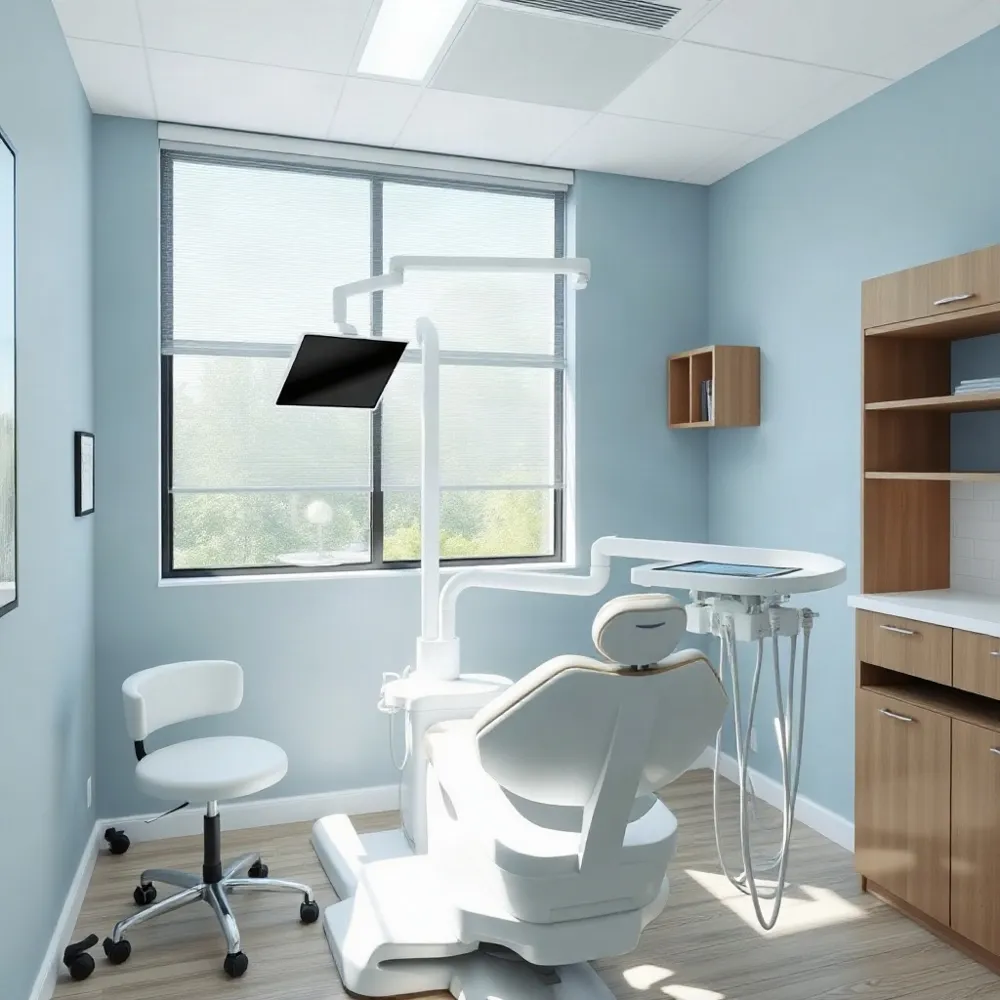
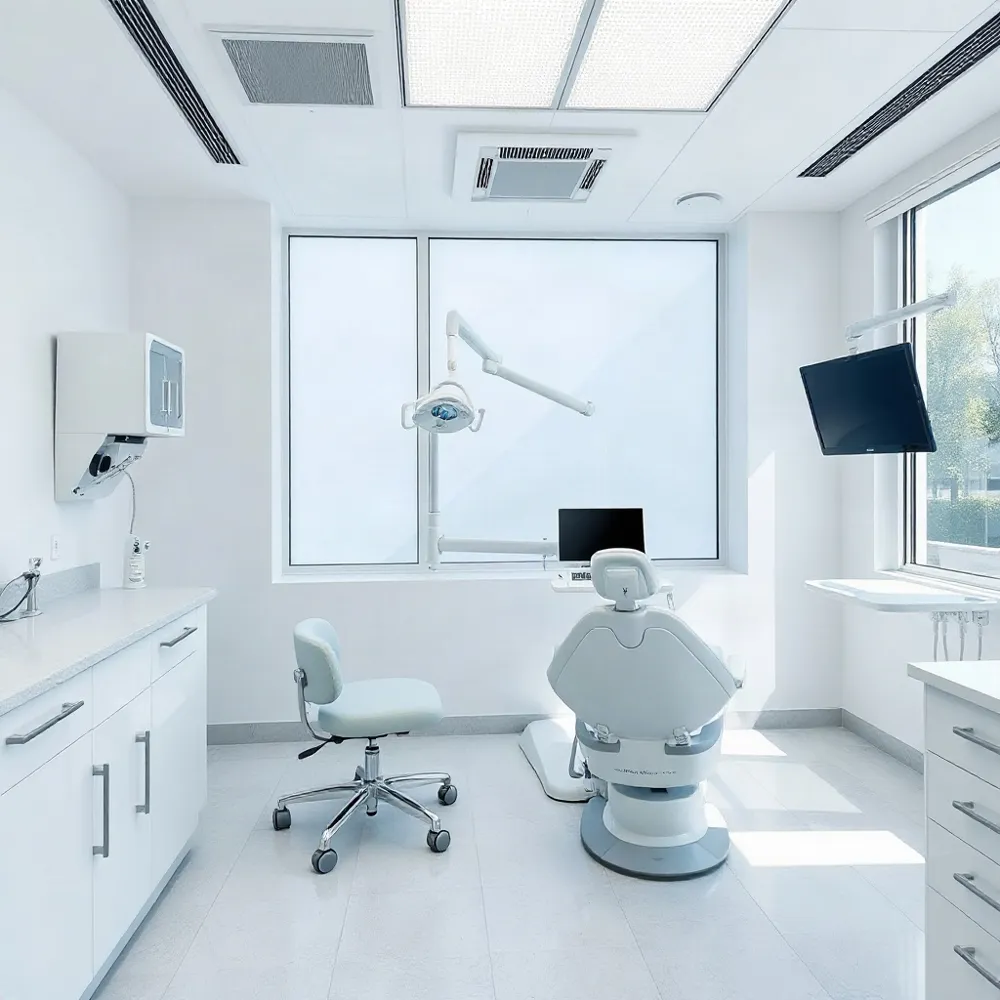
Today's family dentistry prioritizes creating a comfortable and positive experience for every patient, regardless of age. This approach transforms a routine appointment into a supportive partnership. Practices achieve this through several key strategies:
- Open Communication: Dentists encourage you to share any fears or health concerns upfront, allowing them to tailor their approach. They explain procedures in simple, reassuring language before they begin.
- Gentle, Judgment-Free Care: The focus is on understanding and encouragement, not criticism. Cleanings are performed gently, and treatment plans are developed collaboratively, without pressure.
- Comfort-Enhancing Amenities: Many offices offer amenities like ceiling-mounted TVs, headphones with music, warm blankets, and private exam rooms to help patients relax.
- Family-Friendly Environments: Welcoming waiting areas with play spaces, fun décor, and staff trained to work with children help ease young patients' nerves from the moment they arrive.
| Common Patient Concern | How Modern Family Dentistry Responds | Benefit for Your Family |
|---|---|---|
| Fear of the unknown | Dentists explain each step simply; parents can prepare kids with books or role-play. | Reduces anxiety by demystifying the experience. |
| Worry about pain | Options for numbing, sedation, and gentle techniques are available. | Ensures procedures are comfortable and manageable. |
| Feeling rushed or unheard | Appointment times are planned; dentists listen to concerns and answer questions. | Fosters trust and makes patients feel valued. |
| Child's separation anxiety | Parents are often welcome in the exam room; visits are scheduled at optimal times. | Supports the child's emotional comfort and cooperation. |
| Anxiety from past bad experiences | Dentists focus on creating new, positive associations in a calm setting. | Helps rebuild confidence in dental care. |
Key Facts for a Successful Dental Visit
- Schedule a child's first dental visit by their first birthday or within six months of their first tooth erupting.
- Adults with dental anxiety should schedule morning appointments to reduce worry time and bring a supportive companion.
- Arriving 10-15 minutes early for an appointment allows time to complete paperwork and helps children acclimate to the new environment.
- Essential items to bring include your insurance card, a complete health history, and a written list of questions for the dentist.
- A child's comfort can be increased by bringing a favorite toy or blanket and using headphones to block unfamiliar dental office sounds.
- Openly share dental anxieties and past negative experiences with the dentist so they can tailor their approach and offer comfort measures.
- Establish a non-verbal signal, like raising a hand, with the dentist to request a break during any procedure, giving the patient a sense of control.
- A new patient's first dental appointment typically lasts 60 to 90 minutes, while a child's first visit is usually 30 to 45 minutes.
- The first visit focuses on assessment and education, not extensive treatment, providing personalized advice on brushing, flossing, and diet.
- After the visit, schedule the next check-up (usually in 6 months) immediately and use positive reinforcement, not sugary treats, to celebrate the child's cooperation.
1. Schedule Smart: Timing and Preparation Are Everything
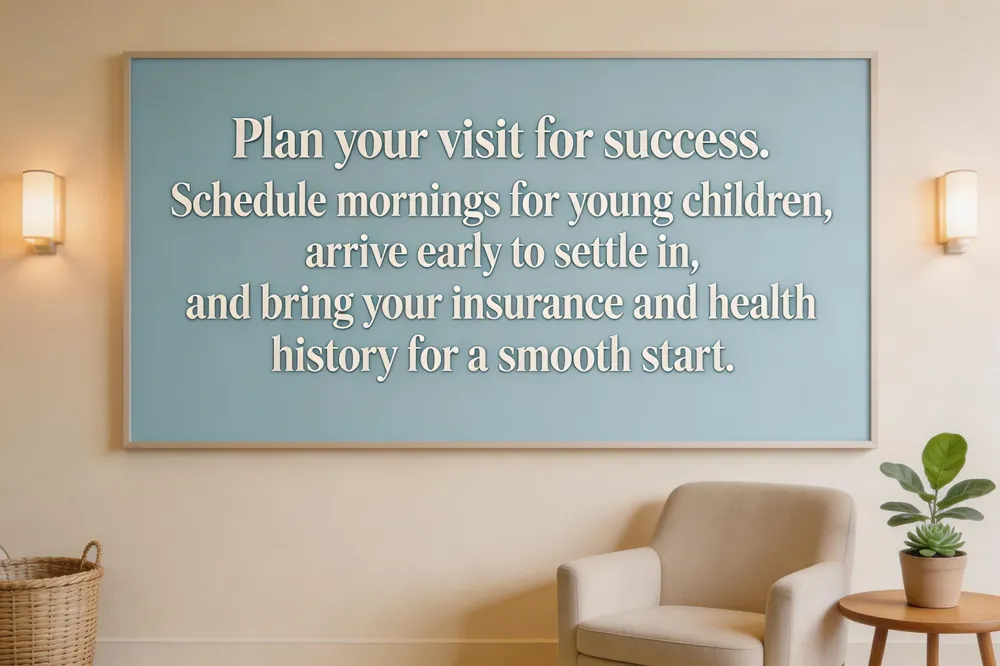
Choosing the best time of day for appointments (morning for young children, after good sleep/meals).
Selecting an optimal appointment time is a simple yet effective way to ensure a comfortable visit. For young children, mornings are often ideal when they are alert and fresh, making them more cooperative. It’s wise to avoid scheduling during nap times or when they are hungry. This principle applies to older children and adults as well; aim for a time after a good rest and a light meal.
The benefits of arriving early to complete paperwork and acclimate to the environment.
Arriving 10-15 minutes early provides valuable buffer time. It allows you to complete any remaining administrative forms without feeling rushed. More importantly, it gives everyone, especially children, a few moments to settle into the new environment, explore the waiting area, and meet the friendly staff, which can significantly reduce initial anxiety.
Gathering necessary documents like insurance cards, medical history, and medication lists ahead of time.
Being organized streamlines the check-in process. Before your appointment, gather your dental insurance card, a photo ID, and a current list of medications and allergies. For children, have their complete health history ready. Many practices offer online forms you can fill out at home, saving even more time and allowing the dental team to review your information beforehand for a more focused visit.
For children, ensuring they are well-rested and have had a light meal before the visit.
A well-rested child with a satisfied tummy is typically in a better mood for new experiences. Plan the appointment for after a nap and provide a light, healthy snack beforehand. Avoid heavy or sugary foods right before the visit, as these can affect the dentist's assessment. Remember to brush their teeth after the snack to ensure a clean start for the examination.
| Planning Aspect | For Young Children | For Adults & Older Children | Key Benefit |
|---|---|---|---|
| Ideal Time | Morning appointments | After rest & a light meal | Maximizes alertness & cooperation |
| Pre-Visit Nutrition | Light, healthy snack | Avoid heavy/sugary foods | Ensures accurate oral assessment |
| Essential Items | Health history, comfort toy | Insurance card, ID, medication list | Smooths administrative process |
| Arrival Time | 10-15 minutes early | 10-15 minutes early | Reduces rush & allows acclimation |
2. Master the Pre-Visit Mindset: Communication and Mental Prep
Using Positive, Simple Language
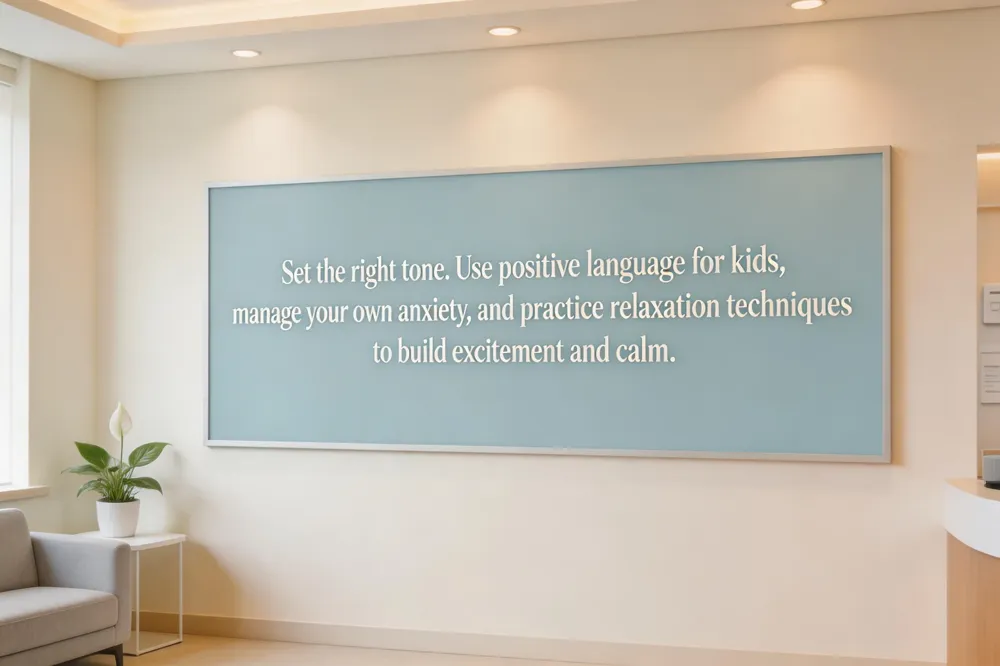
Talking to children about the dentist in a way they understand is foundational. Instead of technical or fear-inducing words, use simple, upbeat terms. You might describe the dentist as a 'tooth superhero' who checks for 'sugar bugs' (bacteria) and uses a 'spinny brush' (handpiece) and a 'special mirror' to keep smiles healthy. This approach frames the visit as a positive adventure rather than a scary chore. For adults, focusing conversations on the benefits of maintaining a healthy smile, rather than dwelling on potential procedures, can also shift the mindset towards a proactive health step.
Managing Parental Anxiety
Children are highly perceptive and can easily pick up on a parent's stress. It's crucial for parents to be mindful of their own feelings about dental care. If you have dental anxieties, focus on discussing your questions with the dentist privately and practice staying calm during your child's appointment. Your calm demeanor provides essential moral support and prevents transferring unwarranted fear to your child. Remember, the dental team is there to help, and your composed presence makes a significant difference.
Mental Relaxation Techniques
Feeling nervous before a dental visit is normal for patients of any age. Simple relaxation techniques can be very effective. Practice taking slow, deep breaths together as a family before the appointment. For children, you can turn it into a game, like pretending to blow up a balloon. For adults, focusing on steady breathing can help lower heart rate and ease tension. These techniques are quick tools to manage anxiety in the waiting room or even during the appointment itself.
Building Familiarity and Excitement
One of the best ways to reduce fear of the unknown is to make the dental visit familiar. Read children's books or watch cartoons where beloved characters have positive experiences at the dentist. For younger children, you can practice a 'pretend' dental exam at home, taking turns being the dentist and patient with a toothbrush and a small flashlight. This playful preparation demystifies the process and can build genuine excitement about the upcoming visit, turning apprehension into anticipation.
Pre-Visit Communication Checklist
| For Parents | For Children | For the Whole Family |
|---|---|---|
| Manage personal anxiety; stay calm. | Use simple, fun terms for tools. | Practice deep breathing together. |
| Schedule a calm, non-rushed day. | Read books or watch videos. | Discuss the visit positively. |
| Prepare your own questions for the dentist. | Bring a favorite comfort item. | Focus on the goal of a healthy smile. |
3. Pack for Comfort: Bring Your Support System
Familiar Comfort Items
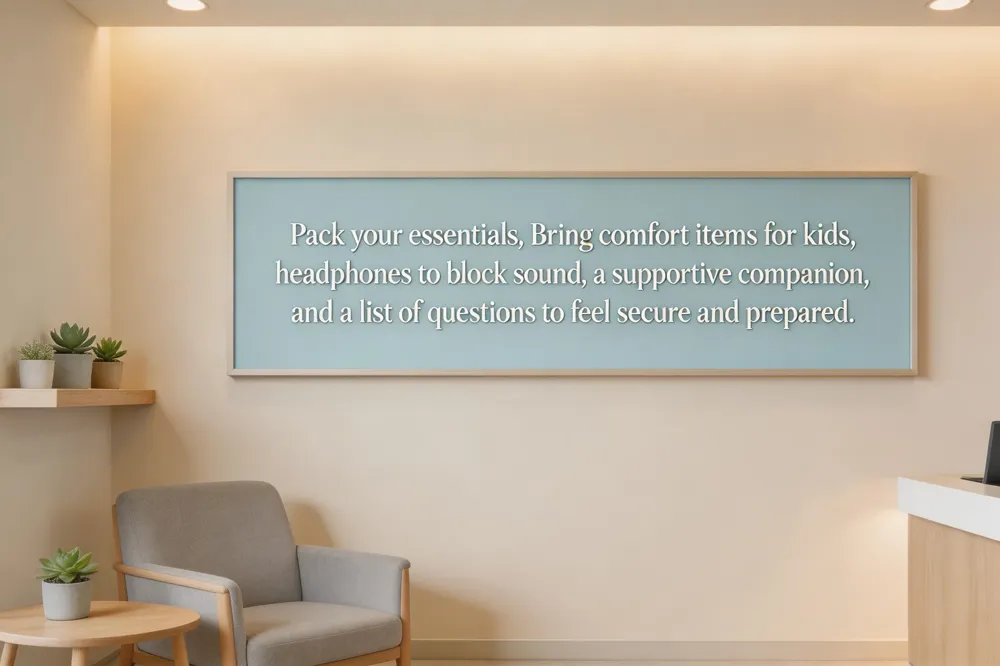
A simple but effective way to ease anxiety for kids is to bring a familiar comfort item from home. A favorite stuffed animal, small blanket, or cherished toy can provide a crucial sense of security in the new environment of the dental office. Some family-friendly dental practices also keep comfort items like warm blankets and stuffed animals on hand for young patients, a tip included in strategies to make dental visits a routine everyone enjoys. This small touch can make the waiting room and exam room feel less intimidating.
Blocking Unfamiliar Sounds
The sounds in a dental office—drills, suction tools, cleaning instruments—can be a significant source of stress for both children and adults. A practical solution is to bring headphones. For kids, headphones playing calming music or a favorite audiobook can help them relax by creating a personal, soothing soundscape, a method suggested among useful tips to prepare your child for the dentist. This strategy effectively blocks out unfamiliar and potentially anxiety-inducing noises, allowing them to focus on something pleasant.
Bringing a Supportive Companion
For adults, especially those managing dental anxiety or dentophobia, bringing a supportive friend or family member can be invaluable. Your companion can offer moral support, help you remember information discussed during the appointment, and advocate for you if you feel overwhelmed. It’s recommended to inform the dental office ahead of time if you plan to bring someone for support. Establishing a hand signal with your dentist to request a break is another helpful coping strategy for dental visits when a companion is present.
Preparing Your List of Questions
Coming to your appointment prepared with a written list of questions ensures you won’t forget to address any concerns. This applies to parents preparing for a child's first dental visit and adults attending their own appointments. Good questions to ask your dentist might cover topics like recommended brushing techniques, fluoride use, treatment alternatives, or details about specific procedures. Having your questions ready makes the visit more productive and gives you a sense of control, which in itself reduces anxiety.
Essentials for a Smooth Check-In
Beyond comfort items, packing the right documents and essentials is key to a stress-free start. Arriving early allows time to complete any remaining paperwork without rushing. Essential items to bring include your dental insurance card, a form of photo ID, and an up-to-date list of all medications and health conditions, as part of what to bring to a dental appointment. For children, providing their complete health history at the first visit is crucial for safe, personalized care.
| Category | What to Bring | Purpose & Benefit |
|---|---|---|
| Comfort & Focus | Favorite toy or blanket, Headphones with audio | Reduces anxiety, blocks unfamiliar sounds, provides security. |
| Medical Information | Insurance card, Photo ID, Medication list | Ensures accurate records, speeds up check-in, supports safe treatment. |
| Communication | Written list of questions, Notes on health history | Addresses all concerns, fosters open dialogue, empowers the patient. |
| Support | A trusted friend or family member | Offers moral support, helps with information recall, reduces feeling alone. |
4. Communicate Openly: Partner with Your Dental Team

The importance of sharing complete health history and any dental anxieties with the dentist.
Providing your dental team with a complete health history is a critical first step for safe, effective care. This includes sharing a list of all current medications, past medical diagnoses, and any previous dental treatments or surgeries. Conditions like diabetes, heart issues, or pregnancy can influence dental procedures and anesthetic choices. Equally important is communicating any dental fears or anxieties, whether mild nervousness or a more significant phobia like dentophobia.
Openly discussing these concerns allows the dental team to adapt their approach, explain procedures in detail, and offer comfort measures like sedation options for dental anxiety. Honesty about your daily oral hygiene routine also helps the dentist provide personalized advice that fits your life, moving the focus from judgment to supportive partnership.
Informing the team about a child's typical temperament (stubborn, anxious) to tailor the approach.
For a child's visit, sharing insights about their temperament is invaluable for a smooth experience. Tell the dentist if your child tends to be anxious, defiant, shy, or easily overwhelmed. This information helps the team prepare specific strategies, such as using simpler language, demonstrating tools first, or adjusting the pace of the appointment.
Behavioral cues often vary by age. Toddlers (10-24 months) may get upset when separated from a parent, while many 4-year-olds can sit independently for an exam. By communicating these tendencies, you enable the dentist to tailor their interaction, ensuring the visit is as comfortable and cooperative as possible for your child.
Discussing concerns like fear of pain, needles, or past negative experiences.
Specific fears are common and should be discussed upfront. Whether it's a fear of needles, the sound of the drill, a past painful experience, or even the clinical smells of an office, sharing these details empowers your dental team to address them directly. Many practices offer solutions such as topical numbing gels before injections, noise-canceling headphones, sedation options for dental anxiety, or simply taking more time to explain each step.
Dentists are trained to help patients manage anxiety. By voicing your concerns, you allow them to demystify procedures, show you instruments beforehand, and ensure you feel in control. This proactive dialogue transforms the appointment from a source of stress into a collaborative effort for your well-being.
Establishing a signal (like raising a hand) to ask for a break during treatment.
Agreeing on a simple, clear signal with your dentist is a powerful tool for maintaining comfort during treatment. A raised hand is a common and effective signal. This pre-arranged sign allows you to communicate the need for a pause without speaking, giving you a sense of control over the procedure.
Knowing you can take a brief break anytime can significantly reduce anxiety. This practice is especially helpful for children or anyone with heightened dental fear. It fosters a trusting environment where you feel heard and respected, making the entire experience more manageable and positive.
| Topic of Discussion | Details to Share with Your Dental Team | Benefit for Your Appointment |
|---|---|---|
| Health History | Current meds, past surgeries, chronic conditions (e.g., diabetes). | Ensures treatment safety and personalized care plans. |
| Dental Anxieties | Specific fears (needles, pain, sounds) or past bad experiences. | Allows team to adjust pace, explain steps, offer comfort aids. |
| Child's Temperament | Typical behavior (anxious, stubborn, cooperative) and age cues. | Helps dentist tailor communication and procedural approach. |
| Break Signal | Agree on a clear non-verbal signal, like raising a hand. | Gives you control during treatment, reducing stress and fear. |
5. Embrace a Gentle Examination: Know What to Expect
The Process Starts with You
Your appointment begins with an essential conversation. You'll review your complete medical history for dentist, including any medications and past dental experiences. Sharing your concerns and anxieties openly allows your dental team to tailor their approach for your comfort and safety. This initial dialogue builds trust and ensures the exam that follows is as personalized and effective as possible. Many offices offer the convenience of completing dental intake forms or learning How to fill out dental forms online to save time on the day of your visit.
A Modern, Comprehensive Assessment
Next, a thorough but gentle oral examination is performed. Using modern technology like low-radiation digital X-rays at dental visit, your dentist can see issues that aren't visible to the naked eye, such as cavities between teeth or jawbone health. The visual exam includes checking each tooth for decay, assessing the gums for signs of disease, evaluating your bite, and screening the oral tissues for any abnormalities. This comprehensive check-up establishes a baseline of your oral health.
Creating a Positive First Impression for Children
For young patients, the initial exam is designed with their comfort in mind. Your child may sit on your lap for security, and the dentist uses simple, reassuring language or kid-friendly language for dental visits, perhaps calling tools a "special mirror" or a "tooth counter." They often show the dental instruments to the child to eliminate surprises. The goal is a positive, low-pressure introduction focused on helping your child feel safe and building a foundation of trust.
Education Over Extensive Treatment
The primary aim of a first visit is assessment and education, not complex procedures. The dentist will explain their findings clearly, discuss any preventive measures needed, and provide personalized guidance on your at-home oral care routine. For children, this often includes demonstrations of effective brushing and flossing techniques and advice on diet and nutrition for child's teeth. This educational focus empowers you and your family to maintain optimal oral health between visits.
A Glance at Your First Exam
| Step | Key Activity | What It Involves |
|---|---|---|
| Initial Review | Health History Discussion | Sharing medications, past treatments, and personal concerns. |
| Diagnostic Imaging | Digital X-rays (if needed) | Provides a detailed view of tooth roots, jawbone, and hidden decay. |
| Visual & Manual Exam | Teeth & Gum Assessment | Checking for cavities, gum disease, bite issues, and oral cancer signs. |
| Patient Education | Personalized Care Plan | Discussing findings and receiving tailored home-care instructions. |
| Child-Specific Approach | Acclimatization & Fun | Using simple words, showing tools, and keeping the visit brief and positive. |
6. Focus on the Learning Experience: Education for Home Care
Personalized Advice on Daily Routines
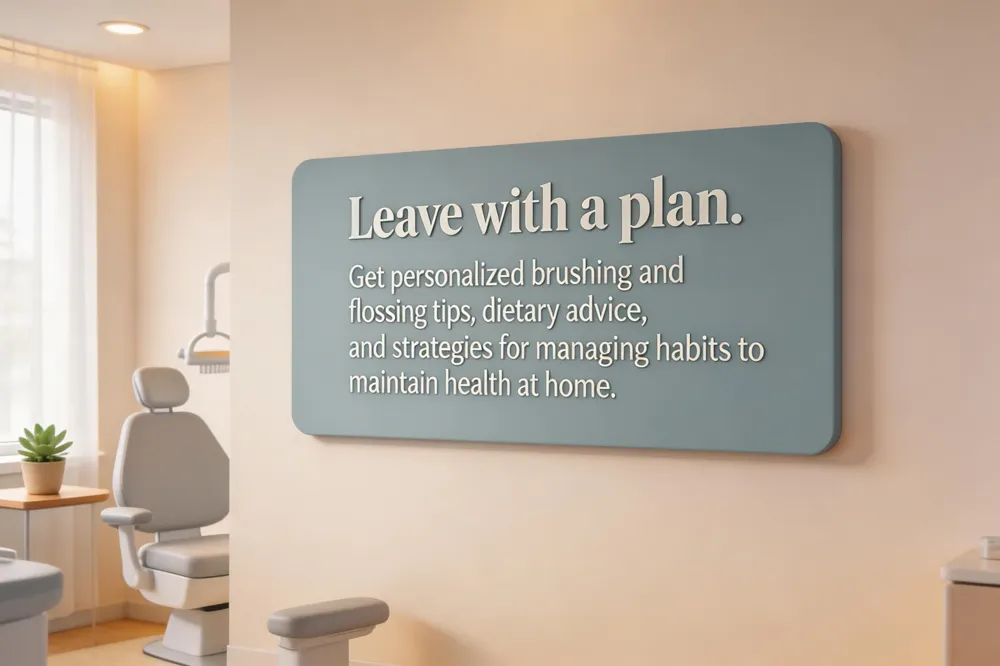
A primary goal of your first dental visit is to receive personalized guidance for maintaining oral health at home. Your dentist and hygienist will discuss your current oral hygiene habits and provide tailored recommendations. This often includes demonstrations of effective brushing and flossing techniques suited to your specific needs.
They will also review your diet, highlighting foods and drinks that can increase the risk of cavities. You'll receive practical tips on how to make smart snacking choices and the benefits of drinking water. This one-on-one education ensures you leave with a clear, actionable plan for daily care.
For Parents: Mastering Child-Specific Techniques
If the appointment is for a child, the educational focus shifts to equipping parents with the right tools and knowledge. The dentist will demonstrate how to properly clean a baby's gums with a damp cloth before teeth erupt.
Once the first tooth appears, you'll learn to use a small, soft-bristled toothbrush with a rice-grain-sized amount of fluoride toothpaste. For children over age three who can spit, this advances to a pea-sized dab. The team will show you how to help your child brush until about age 7 or 8, using a consistent pattern to ensure no spots are missed.
Preventing Common Early Childhood Issues
A significant part of the conversation will address prevention. For infants and toddlers, a key topic is avoiding baby bottle tooth decay. Dentists advise against putting a child to bed with a bottle containing milk, juice, or sweetened liquids.
You’ll also discuss managing developmental habits like thumb-sucking or pacifier use and their potential impact on teeth and jaw alignment. The dentist provides gentle, evidence-based strategies to guide these habits in a healthy direction.
Understanding Your Treatment Plan
If the examination reveals any areas needing attention, your dentist will explain the findings in clear, understandable terms. You’ll discuss any recommended treatments, their purpose, and what the procedures involve.
This is your opportunity to ask questions about timelines, alternatives, and associated costs. The goal is to provide you with a transparent, personalized treatment plan, ensuring you feel informed and confident in any next steps for your or your family's oral health.
| Topic Covered | Key Advice Provided | Specific Example or Detail |
|---|---|---|
| Brushing Techniques | Proper angle, motion, and duration for effective plaque removal. | Demonstrating gentle circular motions at the gumline. |
| Toothpaste Guidance | Age-appropriate amounts of fluoride toothpaste to use. | Rice-grain size for toddlers, pea-size for older children. |
| Dietary Counseling | Identifying cavity-causing foods and healthier alternatives. | Recommending whole fruit over juice for its fiber content. |
| Habit Management | Strategies for thumb-sucking or pacifier use. | Discussing positive reinforcement methods. |
| Preventive Measures | Steps to avoid common issues like baby bottle tooth decay. | Advising to finish bottles before naps or bedtime. |
7. Celebrate Success and Plan for the Future
Turning Anxiety into Achievement
Once the dental appointment is complete, it’s important to shift the focus from any nerves to the accomplishment. For children, this is a critical moment to build positive long-term associations. Acknowledge their bravery with specific, verbal praise. For example, you might say, "I am so proud of how well you listened to the dentist today!" Avoid using treats or sweets as bribes before the visit, as this can imply the experience is something to be endured. Instead, consider a small, non-candy reward afterwards, like a sticker from the office, a new book, or a fun family activity. This approach helps reinforce that good dental care leads to positive outcomes.
The Power of Post-Visit Conversation
On the car ride home or later in the day, have a calm, open conversation about the appointment. Ask your child what they liked or what they found interesting. For adults or teens, reflect on what went smoothly. This dialogue helps process the experience, identifies aspects that can be improved next time, and reinforces the idea that visiting the dentist is a normal, manageable part of health care. Sharing these feelings openly helps to demystify the process and can significantly ease future anxieties for the entire family.
Securing the Next Appointment
Before leaving the dental office, take a proactive step for continued care by scheduling the next routine check-up. For most individuals, both children and adults, a cleaning and exam are recommended every 6 months. Some dentists may suggest visits every 3 months for young children to build comfort or monitor development. By booking the next appointment on the spot, you secure a convenient time and make preventive care a scheduled priority, preventing long gaps that can lead to more complex dental issues.
Building a Foundation of Trust
Your first visit is not just a single event; it is the beginning of a lasting partnership with your family dentist. This relationship, built on open communication, personalized advice, and consistent care, is fundamental to long-term oral health. Trust develops over time as your dentist gets to know your family’s unique needs, history, and goals. Each positive visit strengthens this bond, transforming the dental office from an unfamiliar place into a trusted resource for maintaining healthy, confident smiles for every family member.
Strategies for Creating Lasting Positive Associations
| Strategy | For Children | For Adults & Teens | Key Benefit |
|---|---|---|---|
| Immediate Positive Feedback | Verbal praise, sticker charts to reward good oral hygiene, small non-food rewards (e.g., a new toothbrush). | Acknowledging the step taken for health, treating oneself to a relaxing activity. | Reinforces cooperation and builds a sense of achievement. |
| Open Dialogue | Asking "What was your favorite part?" or "What did the dentist show you?" | Discussing how the experience felt and what was learned about oral health. | Processes the experience and reduces fear of the unknown. |
| Future Planning | Scheduling the next visit and marking it on a fun family calendar. | Choosing appointment times that fit your schedule best (e.g., early morning). | Makes preventive care a routine, expected part of life. |
| Long-Term Relationship | Choosing a family-friendly practice that grows with your child. | Appreciating a dentist who listens and explains treatment options clearly. | Provides continuity of care and a consistent, comfortable environment. |
Understanding Dental Anxiety and Its Management
How Common is Dental Anxiety and How Can It Be Managed?
Dental anxiety is a very common experience. Studies indicate that between 50% and 80% of adults in the U.S. have some level of dental-related fear, from mild nervousness to a severe phobia. This anxiety has a direct impact on oral health, with over 20% of anxious patients not seeing a dentist regularly. A significant number, between 9% and 15%, avoid dental care entirely due to their fear.
Recognizing Symptoms and Common Causes
Understanding the signs and roots of dental anxiety is the first step toward managing it. Symptoms can be both physical and emotional. Common physical reactions include sweating, a racing heart, dizziness, and nausea. Emotionally, individuals might feel intense dread, cry when thinking about the dentist, or have trouble sleeping before an appointment.
The causes are varied. A past painful or traumatic dental experience is a major trigger for many. Anxiety can also be learned from family members or stem from feelings of embarrassment about one's teeth. Some people fear a loss of control in the dental chair. Specific triggers, like the sound of a drill, the sight of a needle, or even the smells of a dental office, can also provoke anxiety.
Practical Management Techniques for Everyone
Managing dental anxiety is a partnership between the patient and the dental team. Effective strategies make visits more comfortable and predictable.
For patients:
- Communication is key. Tell your dentist about your fears before or at the start of your appointment.
- Establish a signal. Agree on a simple hand signal you can use to ask for a break during treatment.
- Use relaxation techniques. Practice deep breathing in the waiting room and during your visit.
- Employ distraction. Bring headphones to listen to calming music or an audiobook. Many modern offices offer ceiling-mounted TVs.
- Schedule wisely. Booking an early morning appointment can mean a quieter office and less time to worry beforehand.
For dental teams:
- Explain every step. Using simple, non-threatening language helps demystify the process. Showing instruments beforehand can reduce fear of the unknown.
- Offer control. Giving patients the ability to pause procedures builds trust.
- Provide sedation options. Discuss available pain management and anxiety-reducing options, such as nitrous oxide (laughing gas). For specific details on available comfort measures, you can also explore our guides on sedation options for dental anxiety, enhancing patient comfort through sedation dentistry, making your dental experience comfortable and stress-free, tips to maximize comfort during dental procedures, and techniques we use to ensure patient comfort and care.
- Focus on a gentle approach. A non-judgmental, encouraging demeanor is essential for patients returning after a long absence.
Quick Guide to Dental Anxiety Management
| For Patients | For Dental Teams | Goal of Technique |
|---|---|---|
| Discuss fears openly | Listen without judgment | Build trust and rapport |
| Practice deep breathing | Explain procedures step-by-step | Reduce fear of the unknown |
| Use a stop signal | Honor the signal for breaks | Give patient a sense of control |
| Bring headphones for music | Offer amenities like ceiling TVs | Provide positive distraction |
| Schedule morning visits | Keep a calm, quiet office environment | Minimize sensory triggers |
The Critical Timeline for Your Child's First Dental Visit
What is the ideal age for a child's first dental visit?
The ideal age for a child's first dental visit is by their first birthday, or within six months after their first tooth erupts. This recommendation, supported by the American Academy of Pediatrics dental visit recommendations and the American Dental Association first dental visit age, is crucial because tooth decay can begin as soon as teeth appear. An early visit allows the dentist to assess your child's risk, provide preventive care like fluoride treatments, and guide you on proper oral hygiene for young children and diet. This proactive approach helps prevent pain, infection, and complex treatments later. Starting early also helps your child become comfortable with dental care, building a foundation for a lifetime of healthy smiles.
Understanding the professional recommendations on timing
Leading dental associations provide clear guidelines on timing to establish a positive dental routine early. The first dental visit by age 12 months is recommended at the latest. This timing is not arbitrary. Baby teeth begin to emerge around six months, and these teeth are vulnerable to decay. An appointment within this window allows dental professionals to monitor development closely. They can identify any early concerns, such as issues with teething or jaw alignment.
Exploring the key reasons for early visits
Early dental visits serve multiple important purposes beyond just checking for cavities. The primary goal is to help your child feel comfortable and establish a trusting relationship with the dentist. The visit often includes a gentle exam of teeth, jaws, gums, and oral tissues. The dentist checks for proper growth and development. This initial appointment is also highly educational for parents. Dentists discuss vital topics like infant feeding practices, pacifier use, and how to clean baby gums with damp cloth. They provide specific, personalized advice on preventing common issues like baby bottle tooth decay.
Recognizing the long-term benefits for oral health
Initiating dental care by age one offers significant long-term advantages for your child's oral health. Early and regular visits allow dentists to catch potential problems like cavities or developmental issues before they become severe. This preventive dental care for children can avoid the need for more extensive and expensive treatments later. Furthermore, children who start dental visits early are more likely to develop a positive attitude toward oral hygiene. They learn that the dentist's office is a friendly, non-threatening place. This positive association encourages lifelong habits of regular dental visits every 6 months for children and good oral care, contributing to overall wellness.
| Age Guideline | Primary Focus | Common Procedures | Long-Term Benefit |
|---|---|---|---|
| By 1st Birthday | Acclimation & Risk Assessment | Gentle exam, cleaning demo, parent education at first dental visit | Establishes comfort & prevents early decay |
| Within 6 Months of First Tooth | Early Prevention & Habit Formation | How to maintain oral hygiene, dietary advice | Reduces risk of cavities in permanent teeth |
| Every 6 Months Thereafter | Ongoing Monitoring & Maintenance | Professional cleaning, developmental checks | Promotes lifelong oral health & early detection of cavities |
A Peek Into the First Dental Visit for Kids and Parents
What children experience during the visit
Walking into the dental office for the first time should feel like a new adventure. The environment is designed to be welcoming, often with bright colors and fun decor. The appointment is typically brief, lasting 30 to 45 minutes, so it doesn't feel too long for young attention spans.
Your child might sit on your lap in the big dental chair. The dentist or hygienist will use simple, gentle tools to look inside their mouth. This examination is often described in fun terms, like counting teeth or looking for sugar bugs. A soft toothbrush may be used for a gentle cleaning, often with child-friendly flavored toothpaste.
It's perfectly normal for children to feel curious or even a little wiggly during this new experience. The dental team is specially trained to work with kids and understands that some crying is natural. The focus is on making the experience positive and non-threatening, building comfort for future visits.
The role of parents
As a parent, your attitude and preparation are key to a successful first visit. Your calm and positive demeanor helps your child feel safe. It’s helpful to talk about the dentist in simple, reassuring ways before the appointment, perhaps by reading a children's book on the topic.
During the visit, your role is to provide support and information. You will be asked to share your child's complete health history, including any medications. If your child has specific behaviors, like being anxious or stubborn, let the dentist know so they can tailor their approach.
Stay in the exam room to offer comfort and moral support. Avoid using words that might cause fear, like 'pain' or 'drill.' Instead, let the dental professional guide the conversation using child-friendly language.
Key components of the initial exam and education
The first visit is both an examination and a learning session. The dentist will gently check your child's teeth, gums, and jaw for proper growth and development. They look for early signs of issues like tooth decay or bite problems. While X-rays are not routine for very young children, they may be taken if needed to check for hidden decay.
A significant part of the visit is education for you as a parent. The dentist will discuss:
- Home Care: How to clean your child's teeth at different ages, including the right amount of toothpaste.
- Diet: Foods and drinks that can cause decay and healthier alternatives.
- Habits: Guidance on pacifier use, thumb sucking, and teething.
- Prevention: Tips to avoid baby bottle tooth decay, such as not putting a child to bed with a bottle.
This personalized advice helps you establish effective oral hygiene routines at home, setting the stage for a healthy smile.
| Visit Component | What Happens | Purpose for Child & Parent |
|---|---|---|
| Friendly Introduction | Meeting the team, exploring the office. | Creates a welcoming, low-pressure first impression. |
| Gentle Exam | Dentist checks teeth, gums, jaw. Child may sit on parent's lap. | Assesses development without causing fear or discomfort. |
| Simple Cleaning | Plaque removal with a soft brush and flavored paste. | Introduces professional care with a pleasant feeling. |
| Parent Education | Discussion on brushing, diet, fluoride, and habit guidance. | Empowers parents with knowledge for daily home oral care. |
| Follow-Up Plan | Scheduling the next visit, typically in 6 months. | Establishes a routine for ongoing preventive dental care. |
Pre-Appointment Do's and Don'ts for a Professional Cleaning
What should be avoided before a professional teeth cleaning appointment?
A smooth and effective professional cleaning starts with smart preparation. Avoiding certain foods, drinks, and habits helps your dental team provide the best care and ensures you leave with a genuinely clean, bright smile.
First, skip heavy or sugary foods right before your appointment. Sticky snacks, hard candies, or anything that easily lodges between teeth can make the initial assessment and cleaning process more difficult for your hygienist. Learning how to prepare for your first dental appointment can help you understand these steps.
It's also best to avoid dark, staining beverages like coffee, tea, red wine, or cola in the hours leading up to your visit. These can make plaque and tartar buildup more visible and may temporarily stain teeth, which can obscure the true condition of your enamel during the exam. Knowing what a dental examination includes can clarify why a clear assessment is important.
For your comfort and safety, do not consume alcohol prior to your cleaning. Alcohol can dehydrate you and may thin your blood, which could potentially lead to increased gum sensitivity or minor bleeding during the procedure. Dentists often discuss your health history, as explained in why dental medical history is important.
If you use tobacco products, try to avoid them before your appointment. Smoking or chewing tobacco can irritate gum tissues, making them more sensitive during the cleaning. This step supports a healthier recovery and more accurate assessment of your gum health. For those with anxiety, how to handle dental anxiety offers helpful strategies.
Finally, postpone any at-home teeth whitening treatments for at least a week before your scheduled cleaning. These products can increase tooth sensitivity, making the professional cleaning process less comfortable. Stick to your normal, gentle brushing and flossing routine instead. Following tips for a successful dental appointment can make the experience smoother.
| Do's | Don'ts | Reason for the Guideline |
|---|---|---|
| Brush & floss gently | Eat sticky, sugary foods | Prevents debris interference |
| Drink plenty of water | Consume staining drinks | Allows for clearer assessment |
| Maintain normal routine | Use tobacco products | Reduces gum tissue irritation |
| Disclose all medications | Drink alcohol before visit | Minimizes bleeding risk |
| Arrive a few minutes early | Do at-home whitening | Avoids increased sensitivity |
How Long to Block Off for Your Initial Dental Appointment
Typical Duration of a New Patient Visit
When planning your first dental visit, scheduling the right amount of time is crucial for a relaxed and thorough experience. For most adults, a new patient appointment typically lasts between 60 and 90 minutes.
This timeframe is designed to be comprehensive. It allows your dental team to provide a detailed, personalized examination without feeling rushed. The goal is to gather all necessary information about your oral health to create an effective, long-term care plan. For children's first visits, the duration is often shorter, usually around 30 to 45 minutes. Pediatric appointments focus on helping the child feel comfortable while performing a gentle exam and providing parents with essential home care education.
Factors That Can Affect Appointment Length
Several factors can influence how long your first visit lasts. Knowing these can help you plan your day accordingly.
- Your Oral Health History: If it has been many years since your last dental checkup, the appointment may be longer. More time may be needed for a comprehensive assessment and potentially a deeper cleaning.
- Specific Concerns or Symptoms: If you have specific complaints like tooth pain, sensitivity, or gum bleeding, the dentist will need extra time to investigate these issues thoroughly. It's important to talk to your dentist about concerns.
- Need for Diagnostics: The requirement for digital X-rays, which provide a vital view of your teeth and jawbone, adds to the appointment time. The number and type of X-rays needed depend on your individual situation.
- Complexity of Cleaning: If significant plaque or tartar buildup is present, a more involved professional cleaning will take additional time to complete gently and effectively.
- Patient Questions and Discussions: A hallmark of patient-centered care is open communication in dentistry. The time dedicated to answering your questions to ask your dentist and discussing findings and treatment options is built into the appointment.
Components Included in the Allocated Time
Your initial visit is much more than a quick look at your teeth. The allocated 60 to 90 minutes encompasses a series of important steps designed for a complete evaluation.
- Welcome and Paperwork (10-15 minutes): Arriving early helps ensure a smooth start. You'll complete necessary paperwork for a dental appointment, which many practices offer online to fill out dental forms to save time. The front desk team will verify your insurance and medical information.
- Medical History Review and Discussion (10-15 minutes): Before any examination, your dentist will sit down with you to review your complete medical history for dentist, medications, and any dental anxieties. This conversation is essential for safe, tailored care.
- Comprehensive Oral Examination (20-30 minutes): The dentist will perform a meticulous, tooth-by-tooth exam, checking for decay, cracks, and the condition of existing dental work. They will also evaluate your gums for signs of disease, assess your bite and jaw function, and conduct a thorough oral cancer screening.
- Diagnostic Imaging (5-10 minutes): Digital X-rays at dental visit are often taken to reveal issues not visible to the naked eye, such as decay between teeth or problems below the gumline.
- Professional Cleaning (20-30 minutes): For most new patients, a gentle dental cleaning by a dental hygienist is included. This involves removing plaque and tartar, polishing your teeth, and flossing. Your hygienist will also review personalized effective brushing and flossing techniques with you.
- Findings and Treatment Plan Discussion (10-15 minutes): At the end of your visit, the dentist will clearly explain their findings, answer all your questions, and outline any recommended next steps or preventive measures. This is a collaborative discussion to ensure you are fully informed and comfortable with your dental care plan.
Quick Reference: Appointment Time Breakdown
| Appointment Phase | Typical Time Allocation | Key Activities Covered |
|---|---|---|
| Arrival & Check-in | 10-15 minutes | Complete forms, verify insurance, settle in. |
| Consultation | 10-15 minutes | Discuss health history, concerns, and goals. |
| Examination & X-rays | 25-40 minutes | Full oral exam, gum check, oral cancer screening, imaging. |
| Cleaning & Hygiene | 20-30 minutes | Plaque removal, polishing, flossing, home care tips. |
| Wrap-up & Planning | 10-15 minutes | Review findings, discuss treatment options, schedule follow-up. |
| Total Estimated Time | 60-90 minutes | A complete, unrushed first visit experience. |
Your Journey to Lifelong Oral Health Starts Here
Setting the Stage for a Positive Future
A comfortable and welcoming first visit is more than just a check-up; it is the cornerstone of a lifetime of positive dental experiences. When you and your family feel at ease from the very beginning, it builds confidence and reduces anxiety for every appointment that follows. This initial comfort transforms routine care from a source of stress into a normal, manageable part of your health routine.
Your Partner in Preventive Care
Your family dentist serves as a dedicated partner in your long-term oral health. This partnership is built on trust, open communication, and a focus on prevention rather than just treatment. By understanding your family's unique history, habits, and goals, your dentist can create personalized care plans that help catch small issues early, often preventing more complex procedures down the road.
Taking the First Step
Prioritizing your family's dental wellness begins with a simple decision to schedule that first appointment. This proactive step is an investment in overall health, comfort, and confidence for everyone. Modern, family-friendly dental practices are designed to support you through this process, ensuring your journey to a healthier smile starts on a positive and reassuring note.
| Core Focus | What It Means for Your Family | Long-Term Benefit |
|---|---|---|
| Initial Comfort | A stress-free, welcoming first experience. | Reduces future dental anxiety for all ages. |
| Preventive Partnership | Personalized plans based on your family's needs. | Catches issues early, avoiding major treatments. |
| Proactive Wellness | Scheduling the first visit is the key action. | Establishes a foundation for lifelong oral health. |