Introduction to Your Child’s First Dental Visit
Importance of Early Dental Visits
Early dental visits are essential for protecting your child's oral health and establishing a positive experience with dental care. Starting dental visits within the first year helps prevent cavities, identify potential issues early, and promotes good habits for lifelong dental wellness.
Recommended Timing for the First Visit
Experts recommend bringing your child to the dentist within 6 months of their first tooth’s appearance or no later than their first birthday. This timing introduces your child to the dental environment and helps establish a dental home for continuous care.
Goals of the First Dental Appointment
During the initial visit, the dentist will perform a gentle, comprehensive exam of your child’s teeth, gums, jaws, and overall oral development. The visit usually lasts 30 to 45 minutes and may include cleaning and personalized advice on home oral care. It’s designed to make your child feel comfortable and to guide parents on proper dental hygiene and diet to promote healthy teeth.
When and What to Expect During the First Dental Visit
When Should My Child Have Their First Dental Visit?
Children should visit the dentist by their first dental visit for children or within six months after their first tooth emerges. This early visit establishes a "First dental visit before first birthday" and helps prevent issues like baby bottle tooth decay.
What Happens During the First Visit?
The initial appointment typically lasts 30 to 45 minutes. It involves a thorough Dental exam for infants to monitor growth and development. Gentle cleaning may be performed to remove plaque and polish the teeth.
[Dental ]Use of X-rays in children's dental care are generally avoided unless necessary to diagnose decay or other concerns.
Common Dental Assessments and Treatments for Children
Dentists evaluate for early signs of decay, teething problems, mouth injuries, and oral developmental issues. Fluoride treatments and oral health education for parents and children are often included.
Parents receive guidance on Brushing techniques for young children, dietary habits, and preventive care measures to promote lifelong oral health.
What Services Does a Family-Focused Dental Practice Provide?
A family dental practice offers comprehensive care for all ages, including preventive treatments like cleanings, fluoride applications, and sealants. Pediatric dentistry services focus on First dental visit for children, preventive education, and managing children's unique dental needs. Restorative care such as fillings, crowns, and orthodontics are also available to maintain and improve oral health throughout life.
Preparing Your Child and Yourself for a Positive Experience
How can parents prepare children for their first dental visit?
Parents play a crucial role in setting the tone for a positive dental experience. Before the visit, it helps to talk openly and enthusiastically about What happens during first dental exam, using simple, reassuring language to reduce fear. Reading books about visiting the dentist, Watching a child-friendly dental visit video, and Role-playing activities for dental visits can familiarize children with What to expect at your child's first dental visit. Bringing a favorite toy or comfort object to the appointment also helps ease anxiety.
When is the best time to schedule a dental appointment for a child?
Scheduling matters for a smooth visit. Scheduling morning dental appointments are often recommended because children tend to be more alert, well-rested, and cooperative. Avoiding times close to nap or meal times can also help your child feel comfortable and less irritable during the visit.
How can parents prepare themselves to help their child feel calm?
Parents’ calm and positive demeanor greatly influences the child's behavior. Discuss any questions or concerns with the dentist beforehand so you feel confident and prepared. Stay relaxed and maintain a positive attitude to prevent transferring any Dental visit preparation activities. This supportive approach helps the child associate dental care with safety and kindness.
What are the benefits of choosing a compassionate dental care approach for families?
Choosing dental care that prioritizes compassion creates a trusting and supportive environment. Children feel safe and less fearful, which encourages positive attitudes towards dental visits. Families benefit from Communication about child’s dental history, where dental providers listen to concerns and tailor care accordingly. Compassionate care promotes adherence to treatment plans and contributes to healthier, lifelong oral habits.
Home Care and Preventive Measures Before and After the First Visit

Cleaning Gums Before Teeth Emerge
Before a child's first tooth appears, parents should begin caring for their baby's oral health by gently wiping the gums with a soft, damp cloth. This practice helps remove residual sugars from feedings and familiarizes infants with home oral care for kids routines.
Starting Brushing with Age-Appropriate Tools and Toothpaste
Once the first tooth erupts, brushing should start immediately using a small, soft-bristled toothbrush designed for infants. Toothpaste use begins with a tiny amount; fluoride toothpaste for kids is recommended after the age of 3, initially using only a pea-sized quantity to safely protect developing teeth.
Dietary Recommendations to Prevent Decay
To prevent early childhood caries, it is important to avoid giving babies bottles filled with milk, juice, or sweetened liquids at bedtime. Transitioning to a cup around the first birthday and limiting sugary snacks and drinks supports healthy teeth. Parents should ensure that bottles are finished before sleep to reduce prolonged sugar exposure. For further details see baby bottle tooth decay prevention.
Helping Children Develop Good Oral Hygiene Habits
Parents play a vital role in guiding children’s brushing habits until about age 7 or 8, supervising technique and frequency. Making brushing a fun, positive activity encourages cooperation and long-term dental health. Early positive experiences with dental care and consistent home routines establish a foundation for lifelong oral hygiene, as described in parent-assisted tooth brushing.
Making the Dental Office a Friendly Place: Pediatric Dentist Role and Environment

Choosing a Qualified Pediatric Dentist
A specialized pediatric dentist is essential for your child's first dental visit. These dentists undergo extra training focused on children's unique oral development and behavior, ensuring age-appropriate and gentle care. Their expertise helps create positive experiences that build trust and comfort early on.
Utilizing a Child-Friendly, Comforting Environment
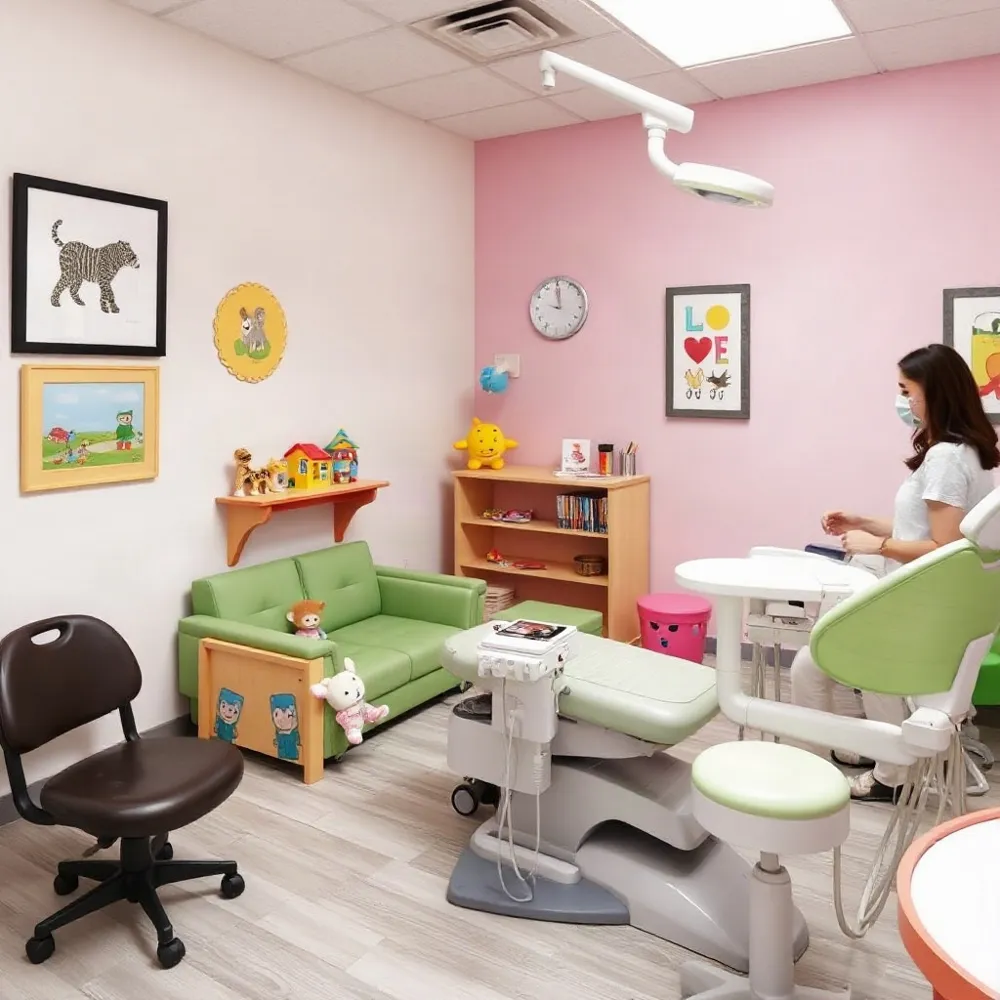
Pediatric dental offices are designed to be inviting and calming. Bright, cheerful decor and child-sized furniture lower anxiety. Staff often use friendly communication and allow the child to bring a favorite toy or blanket to provide security. Scheduling morning dental appointments are preferred when children are alert and cooperative.
Role of Advanced Technology and Gentle Techniques in Enhancing Visits
Modern dental practices use advanced tools like digital X-rays, 3D imaging, and intraoral cameras. These technologies enable accurate diagnosis with minimal discomfort. Laser dentistry offers less invasive treatments, reducing pain and improving healing times. Such innovations streamline procedures and reassure both children and parents.
Incorporation of Positive Reinforcements and Familiar Objects
To encourage cooperation, dentists often use positive reinforcements, such as giving stickers or small prizes after the visit. Role-playing activities and reading dental-themed books beforehand can familiarize children with the experience. Comfort items brought from home, like a stuffed animal, provide emotional support during the appointment.
How does advanced technology enhance the dental care experience in modern dental practices?
Advanced technology enhances care by enabling precise diagnostics through digital X-rays and 3D imaging in dentistry, tailoring treatment to each child. Intraoral cameras allow families to see dental conditions clearly, reducing anxiety. Laser dentistry minimizes invasiveness, lowers pain, and speeds recovery, all contributing to efficient and reassuring visits.
What steps do modern family dental practices take to maintain patient comfort and safety?
Practices ensure safety and comfort with strict sterilization, sedation options like nitrous oxide, and gentle techniques that reduce discomfort. Digital tools decrease treatment times. A welcoming, friendly environment further relaxes patients, making dental visits more encouraging and stress-free.
Establishing a Dental Home: The Long-Term Benefits of Early and Regular Visits
What is a Dental Home and Why Is It Important?
A dental home is an ongoing relationship between a child and a licensed dentist, starting by age one or within six months after the first tooth appears. This continuous connection provides comprehensive oral health care tailored to the child’s developmental needs. Learn more about The Dental Home.
How Do Regular Visits Every Six Months Help?
Routine dental checkups every six months, or more often if recommended, allow early detection and prevention of oral health issues like tooth decay. These visits help dentists monitor growth, development, and oral hygiene habits to maintain healthy teeth and gums. For additional details see Routine dental check-ups.
How Does Early Dental Care Prevent Childhood Cavities?
Early care helps prevent early childhood caries—commonly called baby bottle tooth decay—by assessing risk, offering anticipatory guidance, and giving fluoride treatments if needed. Avoiding sugary bedtime bottles and encouraging good brushing habits are also essential preventive measures. See more on Preventing early childhood caries.
How Does Oral Health Support Overall Child Development?
Healthy teeth enable children to chew food properly, speak clearly, and smile confidently. Establishing a dental home fosters positive dental experiences, reducing anxiety and supporting lifelong oral health. This foundation promotes overall well-being and social confidence throughout childhood and beyond. Read about Importance of Early Dental Visits for Children.
Conclusion: Setting the Foundation for Lifelong Oral Health
Preparing for Your Child's First Dental Visit
Starting early is vital—schedule the first dental checkup by the child's first birthday or within six months of their first tooth erupting. Prepare your child by explaining the visit in simple, positive terms, using books or videos to build excitement and reduce anxiety. Choose appointment times when your child is alert, usually in the morning, and bring along comfort items like a favorite toy.
Compassionate Care and Regular Visits
Dental professionals trained in pediatric care create a welcoming environment tailored to children's needs. The first visit includes a gentle exam and cleaning, with a focus on making your child feel safe. Continued checkups every six months—or more often if recommended—help monitor growth, prevent issues, and reinforce good habits.
Embrace Early Dental Visits for Healthy Smiles
Early dental visits lay the groundwork for a lifetime of oral health. By fostering trust and familiarity with the dental team, children develop positive attitudes toward dental care. Parents play a crucial role by maintaining calm during visits and supporting consistent home oral hygiene. Together, these steps help secure bright, healthy smiles for your child throughout their life.