Why Packing Matters for First Visits
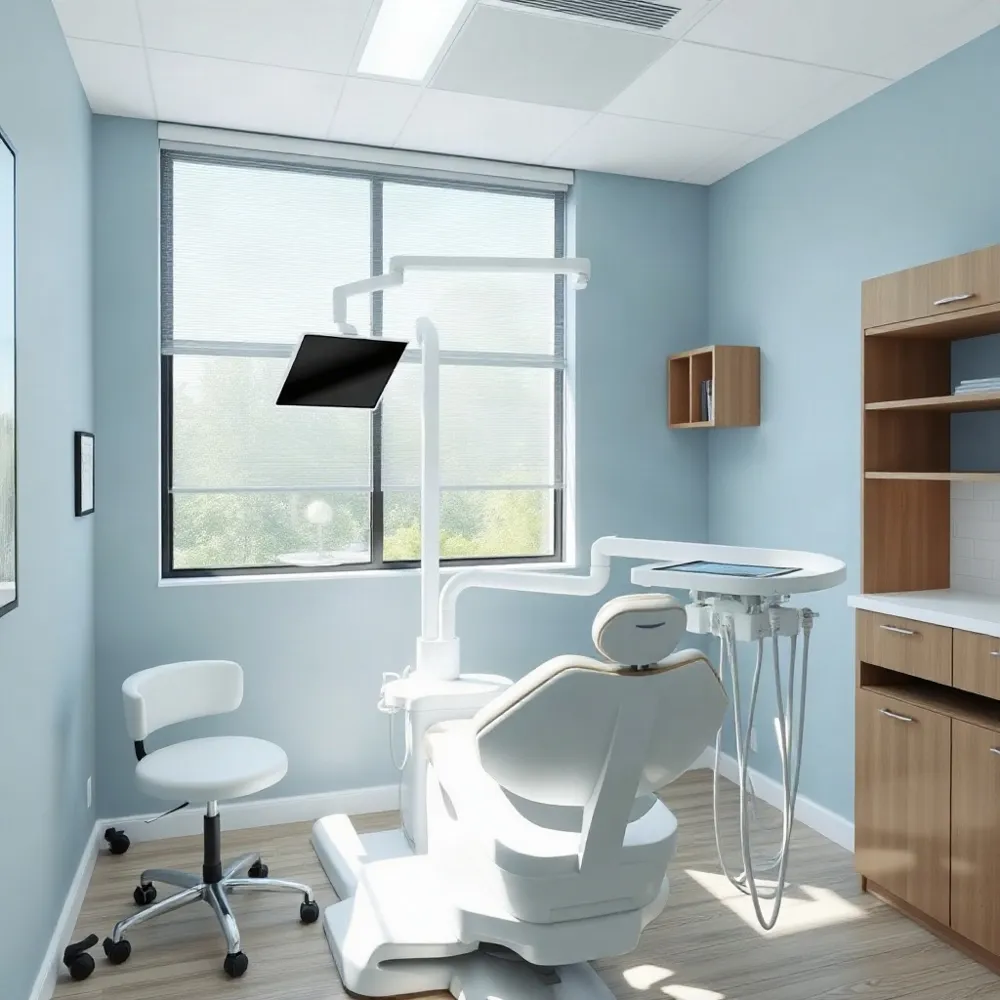
Packing the right items for a child’s first dental visit creates a predictable routine that eases anxiety and builds confidence. A labeled bag with a favorite comfort item, a small toothbrush, age‑appropriate fluoride toothpaste, and a spill‑proof water bottle reminds the family of the visit’s purpose and helps the child feel prepared. Including a copy of medical history, insurance card, and a list of medications prevents last‑minute scrambling and ensures the dental team has accurate information for safe care. A snack that low‑sugar, a spare change of clothes, and a brief note about any pacifier or thumb‑sucking habit protect health, avoid spills, and support a smooth, stress‑free appointment today again.
Daycare Packing Essentials by Age
 Toddler (1‑2 years) – Use a labeled zip‑top bag for a full outfit change (sock, shirt, pants, light jacket). Include 8‑10 diapers or pull‑ups, a full container of wipes, and a tube of diaper cream if needed. Add a favorite lovey or stuffed animal, a spill‑proof water bottle, and a healthy snack that meets any dietary restrictions. Pack sunscreen, a sun‑hat, and bug spray in a separate pouch for outdoor play, plus a small cup or sippy cup and a nap‑time blanket if required.
1‑year‑old – Bring two to three complete outfit changes with layers, socks, and a lightweight jacket. Supply enough diapers (8‑10) and wipes, and label all items. Include a bib, a pacifier in a labeled case, and any medication with a completed form. Add a spill‑proof water bottle, a few baby‑safe snacks or a pre‑filled formula/breast‑milk bottle, and a small blanket for comfort.
2‑year‑old – Pack a labeled bag with a spare shirt, pants, socks, shoes, and a waterproof zip‑top for accidents. Provide potty supplies (diapers or training pants, wipes, diaper cream), a nutritious snack in a reusable container, and a spill‑proof water bottle. Include outdoor gear (sun‑hat, sunscreen, light jacket) and a familiar comfort item.
3‑year‑old – Include a spare outfit (shirt, pants, socks, underwear) in a zip‑top bag, a spill‑proof cup, snack or lunch container, and a bib. Add an extra pair of closed‑toe shoes or slippers, a lightweight jacket, wipes, diaper cream if needed, and a favorite blanket or stuffed animal. Label everything with the child’s name.
First Pediatrician Appointment Checklist
 Important documents
Bring your health‑insurance card, a photo ID, and any new‑patient forms the office sent. Pack your baby’s immunization record or hospital discharge summary, and a list of any medications, vitamins, or supplements with dosages.
Important documents
Bring your health‑insurance card, a photo ID, and any new‑patient forms the office sent. Pack your baby’s immunization record or hospital discharge summary, and a list of any medications, vitamins, or supplements with dosages.
Medical supplies Carry a diaper bag: newborn‑size diapers, soft wipes, a changing pad, a spare outfit, and feeding supplies (bottles, formula or breast‑milk storage bags). Include a thermometer, nasal aspirator, diaper‑rash cream, and a first‑aid kit.
First pediatrician visit questions Ask about feeding schedules, vitamin D/iron needs, safe sleep positioning, growth milestones, normal crying patterns, and the vaccination timeline. Confirm medication dosing and the next well‑child appointment.
What to bring to the first pediatrician appointment See the “Important documents” and “Medical supplies” sections above; also bring a notebook or phone to record answers.
Newborn survival kit for parents Essentials: diapers, wipes, changing pad, blanket, onesies, hat, pacifier, thermometer, nasal aspirator, diaper‑rash cream, nail clippers, first‑aid basics, feeding bottles, saline solution, and emergency contact list.
Preparing Your Toddler for the Dentist
 A smooth first dental visit for a toddler starts with smart scheduling: choose a morning slot when the child is well‑rested, fed, and in a good mood, and arrive a few minutes early so they can explore the office and meet the friendly staff. Bring comfort items— a favorite stuffed animal, blanket, or small toy—and use upbeat, simple language, describing the appointment as a "tooth‑checking adventure" rather than mentioning pain or shots.
Toddler at the dentist – tips for a smooth visit
Schedule a morning appointment, arrive early for a quick tour, and let the child sit on your lap or hold your hand while the dentist works. Offer praise and a small non‑food reward (sticker, new toothbrush) afterward. Practice a pretend‑dentist game at home to familiarize them with tools.
Tips for taking a toddler to the dentist
Avoid nap‑time slots, bring the child on a "ride‑along" visit beforehand, read a short dentist‑friendly story, and turn the chair into a fun ride. Keep the visit brief, stay calm, and reinforce positive behavior with praise.
Toddler crying at the dentist – how to help
Validate feelings, use a calm voice, and offer the comfort item. Apply the tell‑show‑do technique, give small choices (flavor of toothpaste, sticker), and pause for a quick cuddle if needed.
Infant dental exam – what to expect
By the first birthday (or six months after the first tooth), the dentist gently examines gums, any teeth, jaw, and palate, checks for tongue‑lip ties, and discusses feeding habits. A brief cleaning with a soft cloth or brush and fluoride guidance are provided; the visit lasts 30‑45 minutes and aims to create a comfortable, personalized dental home.
Infant dental insurance – coverage basics
Most plans cover 100 % of preventive services (exams, cleanings, X‑rays) for infants; fluoride treatments and simple fillings are often reimbursed at 70‑80 %, while major work may receive about 50 % coverage. Verify network participation, waiting periods, deductibles, and co‑pays, and ensure the plan includes a pediatric dentist such as Veenstra Family Dental.
Fluoride, Flossing and Oral Health Basics
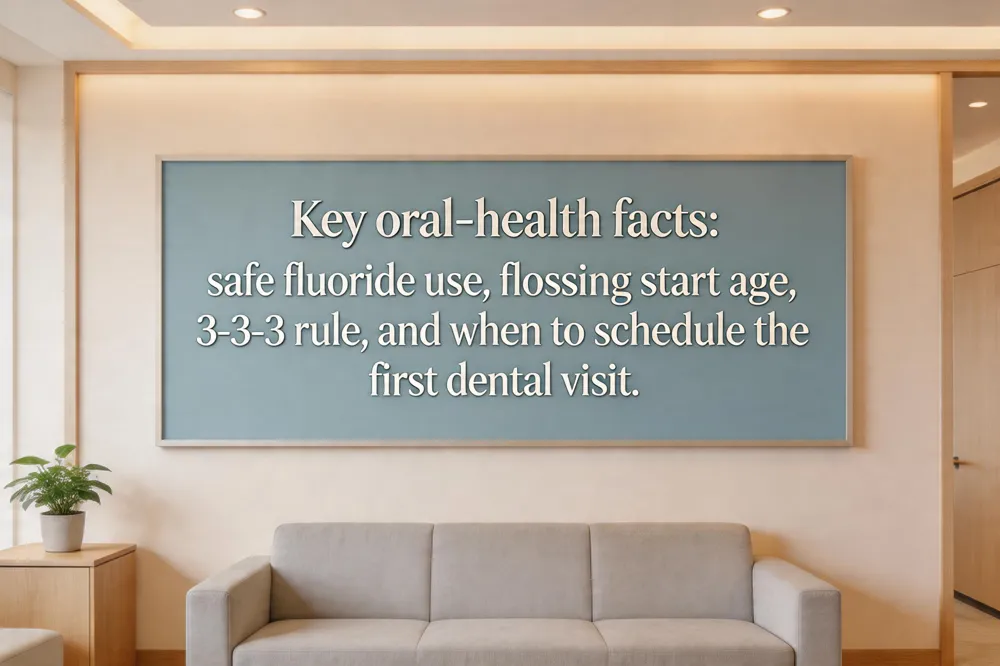 A strong smile starts early, and modern pediatric dental offices make it easy for families to keep teeth healthy and happy.
Is fluoride bad for kids? No. Fluoride is a natural mineral that strengthens enamel and prevents cavities when used as recommended. The American Academy of Pediatrics and the American Dental Association endorse age‑appropriate amounts— a rice‑grain‑size smear for children under 3 and a pea‑size dab for ages 3‑6. Supervise brushing and avoid swallowing excess toothpaste to prevent mild fluorosis.
Children and fluoride – safety and benefits Fluoride promotes remineralization of tooth surfaces, reducing decay risk. Professional fluoride varnish applied by the dentist gives an extra protective boost and can be safely repeated every 3–6 months, especially for high‑risk children.
Fluoride treatments for kids – frequency Begin varnish when the first primary tooth erupts (around six months) and repeat 2‑4 times per year, adjusting based on your dentist’s assessment.
Floss for children – when and how Start flossing as soon as two teeth touch (age 2‑3). Use child‑size floss picks or waxed floss wrapped on a finger, supervise until the child can do it independently, and aim for once‑daily flossing, preferably before bedtime.
What is the 3‑3‑3 rule? Brush three times a day for three minutes each, replace the brush every three months, and see the dentist every three months for preventive care.
What is the Rule of 7? By age 7, the first permanent molars and front incisors erupt, making it an ideal time for a comprehensive evaluation and early orthodontic screening.
At what age should a child start seeing a dentist? The first visit should occur by the first birthday or within six months of the first tooth’s eruption, followed by six‑monthly check‑ups.
My child hasn't been to the dentist – first‑visit advice Schedule a morning appointment, bring a comfort item, use a storybook or video to explain the visit, keep the exam brief (30‑45 minutes), and reward the child afterward with a sticker or small toy.
Pediatric dentist visit – what to expect The dentist will gently examine teeth, gums, and bite, clean the teeth, apply fluoride varnish, demonstrate brushing and flossing, discuss nutrition and habits, and set a schedule for regular six‑month visits. All of this occurs in a welcoming, kid‑friendly environment designed to make the experience positive for both child and parent.
Daycare Checklist for Parents (General)
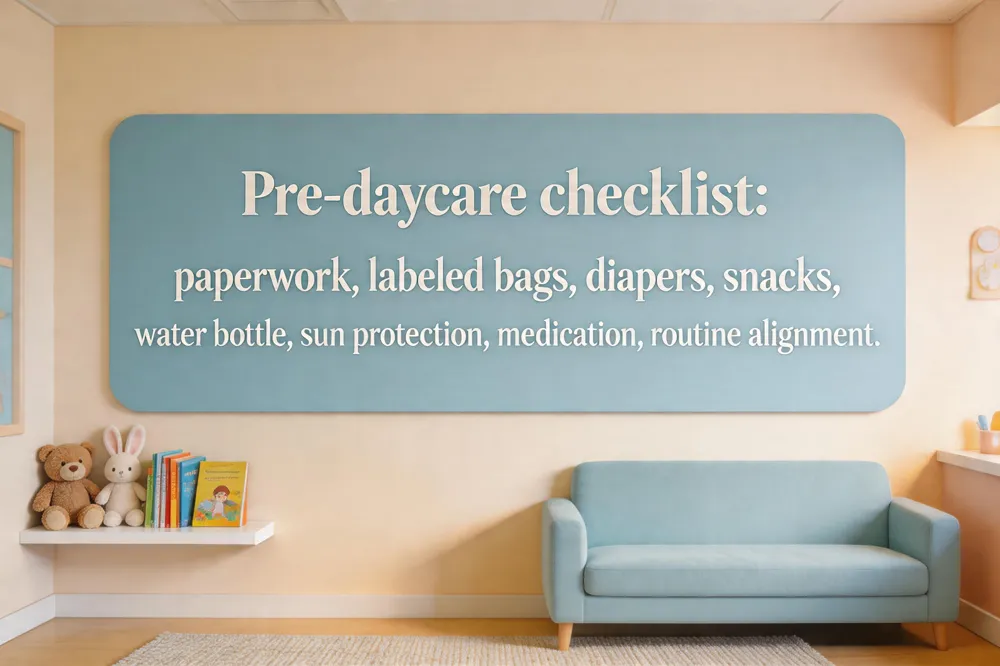 Before the first day, gather all required paperwork—registration forms, birth certificate, immunization record, and emergency contacts—and verify the center’s licensing and safety ratios. Pack a labeled bag with extra clothes, weather‑appropriate items, socks, and a comfort object such as a favorite blanket or stuffed animal. For infants and toddlers include enough diapers or pull‑ups, wipes, diaper‑rash cream, and two non‑toxic labeled pacifiers, plus any bottles or formula you prefer. Prepare nutritious snacks and a refillable water bottle, respecting the center’s allergy and food policies, and bring sunscreen, a sunhat, and any prescribed medication with clear instructions. Finally, establish a consistent home routine that mirrors the daycare schedule to help your child adjust smoothly.
Final Thoughts: Be Prepared, Stay Positive
Packing for your child’s first dental visit is simple: bring the insurance card, photo ID, a list of medications and allergies, a comfort item (favorite stuffed animal or blanket), a small snack and water bottle, and a child‑size toothbrush with age‑appropriate fluoride toothpaste. Arriving early, speaking positively, and using storybooks or role‑play will help your child feel confident and relaxed. After the appointment, keep the momentum by scheduling regular six‑month check‑ups, using the dentist‑provided oral‑hygiene kit, and accessing reputable resources such as the American Academy of Pediatric Dentistry and your dental office’s online parent portal for tips and reminders.