Embracing Care That Fits You
Personalized dental care moves past the one-size-fits-all appointment. Instead of delivering the same cleaning and exam to everyone, the approach adapts every step to your oral health history, your risk factors, and your goals for your smile. The result is a treatment plan built around you rather than a generic template.
This shift is more than a convenience. Research published in BMC Oral Health highlights that a person-centered model in dentistry, where care is tailored to individual needs and preferences, significantly improves treatment outcomes and patient satisfaction. When patients are active participants in decisions about their oral health, they feel more invested and are more likely to follow through with recommended care. That sense of partnership is what makes these plans feel genuinely different.
At the heart of this approach is a simple belief: your dental care should be as unique as you are. From your first visit at Veenstra Family Dental, a detailed evaluation of your medical history, lifestyle, and dental concerns shapes the recommendations you receive. This means no unnecessary procedures, but also no missed opportunities to prevent problems before they start.
Beyond the Standard Checkup
Most dental practices treat every patient with the same script: two checkups a year, a set of cleaning routine, and a quick look at your X-rays. That one-size-fits-all model assumes everyone's mouth, habits, and health history are identical. They are not. The reality is that optimal oral health looks different for every person, and more practices are starting to recognize that a personalized approach leads to better outcomes and a more comfortable experience.
Research supports this shift. A narrative review in the BMC Oral Health journal describes a person-centered care model in dentistry that moves beyond purely clinical procedures to consider the patient's individual needs, preferences, and values. Similarly, a 2023 NIH publication on personalized oral and dental care emphasizes that tailoring care to the individual can significantly improve treatment outcomes and patient satisfaction.
Why a One-Size-Fits-All Model Is Becoming Outdated
The standard “two cleanings per year” guideline is a useful baseline, but it's not a rule that fits everyone. Some patients need more frequent visits to manage gum disease, others struggle with dry mouth or acid erosion, and some are at higher risk for cavities due to genetics or medication. Basing your entire care plan on a calendar rather than your actual needs risks missing early signs of trouble. That's why personalized dental care plans are becoming the standard in progressive practices.
Patient-centered care isn't just a buzzword; it's a shift in how dentists approach every visit. Instead of telling you what to do, your dentist works with you to build a plan that respects your comfort, goals, and lifestyle. A 2018 review in the Journal of Patient Experience concluded that patient-centered care leads to better adherence to treatment plans and improved health outcomes. Practices like Veenstra Family Dental have embraced this philosophy, ensuring that every checkup is tailored to the individual, not just the average patient.
The Patient-Centered Approach in Action
The difference between a transactional checkup and a personalized one is palpable from the moment you sit in the chair. Your dentist asks about your daily routine, your diet, your stress levels, and any concerns you have, rather than diving straight into the tools. This conversation shapes the entire visit, from the X-rays ordered to the advice given.
For example, a patient who grinds their teeth at night might benefit from a custom night guard and stress-management tips, not just a lecture on enamel wear. A teenager with braces needs a different cleaning protocol and nutritional guidance than a senior with dentures. This is the essence of personalized oral care, and it's transforming how people experience the dentist.
Scope. A standard checkup focuses on diagnosing and treating active problems. A personalized plan expands that scope to include preventive, restorative, and even cosmetic services based on your unique risk factors and desires.
Integration. While a traditional practice might treat you as a set of teeth, a patient-centered one integrates your medical history, lifestyle, and even emotional concerns into the treatment plan, creating a cohesive, holistic approach.
Intelligence. Rather than relying on a rote schedule, a personalized practice uses your individual health data to determine recall intervals, treatment timing, and home-care instructions, so you're never over-treated or under-treated.
This shift is not about discarding the science of dentistry; it's about combining it with the art of listening. When you choose a practice like Veenstra Family Dental, you're not just another patient on a schedule. You're a person with a story, and your care is designed around that narrative. That's the difference between a checkup you endure and a partnership you value.
Understanding Patient-Centered Care
Patient-centered care in dentistry starts with understanding that every smile tells a different story. Research from the BMC Oral Health journal shows that a person-centered model improves clinical outcomes and patient satisfaction by tailoring decisions to individual needs and preferences rather than a one-size-fits-all routine. This approach shapes everything from the first conversation to the final treatment plan.
At Veenstra Family Dental, this philosophy means your dentist listens first, then recommends treatments based on your oral health history, comfort level, and long-term goals. Instead of rushing through a standard checklist, the team builds a plan that reflects your unique situation. This mirrors the personalized care approach described in our article on patient-centered care, where shared decision-making puts you at the center of every choice.
What Makes Care Truly Personal
Personalized dental care differs from traditional dentistry in several concrete ways. A 2023 review in PMC highlights that patient-centered care involves respecting patient values, providing emotional support, and coordinating continuous care, not just treating symptoms. Providers who adopt this model often see higher adherence to treatment plans because patients understand the "why" behind each recommendation.
Consider a simple filling or a cosmetic procedure like teeth whitening. A traditional practice might offer the same options to everyone. A patient-centered practice asks about your sensitivity, budget, lifestyle habits, and desired outcome. It then presents alternatives with clear trade-offs. For example, personalized plans improve oral health by addressing risk factors unique to each patient, such as diet or dry mouth, that generic care might miss.
Listening. The dentist actively asks about your concerns, fears, and expectations before recommending any procedure.
Transparency. You receive plain-language explanations of diagnoses, treatment options, costs, and potential outcomes.
Flexibility. Appointments and care plans adapt to your schedule, medical conditions, and comfort preferences.
This contrasts with more traditional models where the provider decides and the patient complies. But patient-centered care, as outlined by the Delta Dental Institute, uses data from your history and risk assessments to create a proactive plan that prevents problems before they start. That proactive angle is central to how we at Veenstra Family Dental approach family dentistry, ensuring that children and adults alike receive care that evolves as their needs change.
| Aspect | Traditional Approach | Patient-Centered Approach |
|---|---|---|
| Decision making | Provider-directed | Shared decision-making |
| Treatment plan | Same for all patients | Tailored to individual |
| Communication | Clinical jargon | Plain language |
| Prevention | Reactive treatment | Proactive risk management |
| Patient role | Recipient of care | Active partner |
The Power of Listening and Communication
Many people miss their dental appointments not because of scheduling conflicts or lack of insurance, but because of quiet, gnawing fear. That anxiety often leads to postponing routine visits, which lets small problems grow into painful, expensive conditions. For many patients, the thought of sitting in a dental chair brings on intense worry, so they cope by avoiding the dentist entirely.
This pattern is so common that researchers have studied its roots and effects. A 2018 review in the BMC Oral Health journal noted that dental anxiety and fear contribute to a cycle of avoidance, where minor decay progresses without intervention. The same review highlighted that patient-centered approaches, which include clear communication and empathy, can reduce this fear and improve long-term oral health outcomes.
In addition to affecting your teeth and gums, dental anxiety affects your overall health. Periodontal disease, left untreated, has been linked to systemic conditions such as diabetes and cardiovascular disease, according to a narrative review in PMC. This makes addressing the root of dental anxiety about more than just comfort; it's about protecting your whole-body health.
The good news is that dental fear isn't a life sentence. When you understand your own triggers and learn what to expect, you can break the avoidance cycle. Many practices, including Veenstra Family Dental, focus on creating a calm, welcoming environment and using patient-centered care techniques that help patients feel in control. These approaches turn a dreaded appointment into a manageable, even positive, experience.
Crafting Your Custom Dental Plan
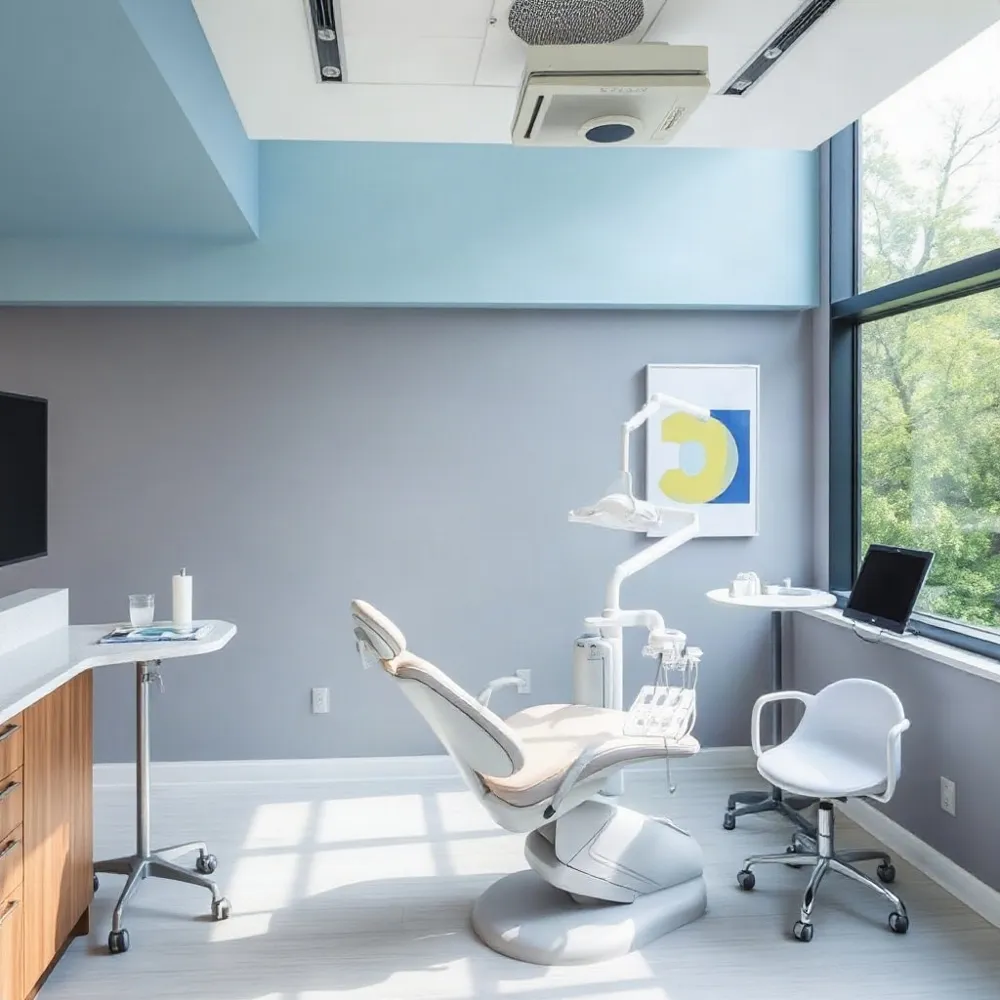 A personalized treatment plan starts with a conversation. At Veenstra Family Dental, we sit down with you to understand your medical history, daily habits, and oral health goals before recommending any procedure. This approach reflects the principles of patient-centered care, which research shows leads to better outcomes and greater satisfaction (Patient-Centered Care in Oral Health.
Rather than applying a one-size-fits-all template, we tailor every recommendation to your unique situation. Whether you need preventive cleanings, restorative work, or cosmetic enhancements, your plan accounts for factors like your age, lifestyle, and any existing dental conditions. A growing body of evidence supports personalized dental care, noting that customized plans improve both clinical results and patient comfort (How Personalized Plans Improve Oral Health.
The Role of Your Input
Your preferences matter just as much as your x-rays. During your exam, we ask about your comfort level with various procedures, your aesthetic desires, and your budget. This collaborative dialogue ensures the final plan aligns with what you actually want, not just what a chart suggests. In fact, a review of patient-centered models in dentistry highlights that shared decision-making improves adherence and reduces anxiety.
Preventive focus. Your plan prioritizes early detection and routine care, using data and technology to identify issues before they become painful or costly (Personalized Dental Care Through Data and Technology).
Restorative care. We customize fillings, crowns, and other restorations to match your natural bite and appearance, ensuring both function and aesthetics work together.
Cosmetic options. From whitening to veneers, your plan reflects your desired smile outcome, with options explained transparently so you can choose confidently.
Once your plan is set, we walk you through each step, from the first appointment to the final follow-up. Need to adjust a timeline or revisit a choice? We build in flexibility so your care can evolve as your needs do. This ongoing collaboration mirrors the journey from dental exam to tailored treatment plan, where every decision is made together.
Regular checkups are the backbone of this system. By choosing family dentistry for consistent care, you give us the continuity needed to spot subtle changes and refine your plan over time. For the whole family, this means less guesswork and more preventive, personalized attention.
Patients who switch to a personalized approach often notice a difference in both comfort and outcomes. Our goal is to make every visit feel intentional, not generic. To see how your own plan could take shape, request a consultation at Veenstra Family Dental.
Building Trust Through Tailored Recommendations
 Traditional dental visits often run on a predictable script: the same cleaning, the same questions, the same advice handed to every patient who sits in the chair. That one-size-fits-all model works for some, but it misses the nuances that make each mouth, and each person, different. Your medical history, lifestyle habits, comfort level with dental tools, and even your past experiences all shape what you need from a dentist.
Personalized dental care flips that script. Instead of a standard protocol applied to everyone, your treatment plan is built around your unique oral health profile. As research on personalized dental care explains, care becomes more effective when it considers individual risk factors, preferences, and goals. For you, that might mean a gentler cleaning approach if you have sensitive gums, or a more detailed prevention plan if you're prone to cavities.
At Veenstra Family Dental, we take this approach seriously. Every appointment starts with a conversation about your concerns, your history, and your comfort, not just a checklist. We then craft a tailored plan that addresses your specific needs, from routine preventive care to more complex treatments. The goal is simple: you leave with a plan that actually fits your life, not a generic set of instructions.
Why Personalization Matters for Your Oral Health
Personalized care is more than a nice-to-have. Studies show that when dental care is tailored to the individual, patients are more engaged and more likely to follow through with recommended treatments. A review of patient-centered care in dentistry found that personalized approaches lead to better outcomes because they address the root causes of dental issues rather than just the symptoms.
Consider two patients with the same cavity. One might need a simple filling, while the other, who has a history of recurring decay, might benefit from additional preventive measures like fluoride treatments or dietary guidance. A personalized plan accounts for these differences, helping you avoid more invasive procedures down the road. This proactive approach is at the heart of personalized dental care through data and technology, which uses your specific risk factors to guide treatment decisions.
How Veenstra Family Dental Personalizes Your Care
At Veenstra Family Dental, personalization starts with listening. During your initial visit, we take the time to understand your dental history, any anxieties you may have, and your long-term goals for your smile. From there, we develop a treatment plan that's as unique as you are. Our team uses modern diagnostic tools to get a complete picture of your oral health, so recommendations are based on evidence, not assumptions.
We also recognize that every patient has different comfort levels when it comes to dental care. Some people need extra reassurance during procedures, while others prefer a more direct approach. We adapt our communication style to match your needs, ensuring you feel informed and in control throughout your visit. This commitment to patient-centered care is what sets us apart. It's a difference you can feel from the moment you walk in.
Our personalized approach also extends to the whole family. Whether we're seeing a young child for their first checkup or a grandparent managing complex dental needs, we tailor each experience to the individual. Family dentistry means we get to know your family's dental history over time, allowing us to spot trends and intervene early. This continuity of care is something you'll appreciate with regular visits.
Compare that with a clinic that treats every patient the same, often rushing through appointments to fit more people in a day. You might get a cleaning, but you won't get the personalized attention that helps prevent problems before they start. At Veenstra Family Dental, we prioritize quality over quantity. Our team takes the time to build relationships, so your care feels personal, not transactional.
The result? Patients who feel heard, respected, and confident in their dental care. When you choose a dentist who sees you as an individual, not just another appointment, you're more likely to stay on top of your oral health and catch issues early. That's the power of personalization, and it's what we offer every day at Veenstra Family Dental.
Choosing a Dentist Who Sees the Whole You
 A routine dental visit used to follow a familiar script: sit in the chair, get a cleaning, hear a few quick tips, and leave with a new toothbrush. Modern dentistry has moved well past that one-size-fits-all model. Care is now shaped around your specific oral health history, lifestyle, and comfort level, making each appointment feel less like a checklist and more like a conversation with a partner who knows your smile.
This shift toward personalized and patient-centered care is backed by real research. Studies in dental journals highlight how tailoring treatment to individual needs improves both clinical outcomes and patient satisfaction. A narrative review on patient-centered care in dentistry notes that involving patients in their own treatment decisions leads to better adherence and more positive experiences, while personalized dental care approaches emphasize using data and communication to address each person's unique risk factors and preferences.
What Personalized Dental Care Actually Looks Like
Personalized care starts with understanding that no two mouths are alike. Your dentist considers factors like your age, medical history, diet, habits, and even how anxious you feel about dental procedures. For some, that means a more detailed conversation about prevention; for others, it means adjusting appointment pacing or offering sedation options to reduce stress. The goal is to build a plan that fits your life, not a generic template.
At Veenstra Family Dental, this approach guides every visit. The team takes time to listen, explain findings in plain language, and involve you in decisions about your treatment. Instead of rushing through a standard exam, the focus is on creating a personalized treatment plan that addresses your current needs while preventing future problems. That kind of attention is what separates a routine checkup from care that truly sees the whole you.
The Role of Data and Technology
Modern tools make personalization more precise. Digital X-rays, intraoral cameras, and electronic health records give dentists a fuller picture of your oral health over time. These technologies allow earlier detection of issues like cavities or gum disease and enable treatment plans tailored to your specific anatomy and risk level.
The Delta Dental Institute's work on personalized dental care through data and technology illustrates how these advances improve the patient experience, from faster diagnoses to more comfortable procedures. For a family practice, that means parents can see exactly what's happening in a child's mouth, and patients can understand the 'why' behind each recommendation, building trust and reducing uncertainty.
Why It Matters for Your Family
Personalized care isn't just a nice extra; it's central to long-term oral health. When treatment plans match your needs, you're more likely to follow through on recommendations, attend regular visits, and catch problems early. This is especially valuable for families, where children and adults have very different dental needs.
A patient-centered approach in oral health emphasizes open communication and shared decision-making, which builds the kind of trust that keeps families coming back. Whether it's a child's first visit, a teenager's orthodontic evaluation, or a senior's ongoing maintenance, personalized care adapts to each stage of life, making dental visits a positive experience for everyone.
Finding a Dentist Who Sees the Whole You
When you're choosing a dentist, look for signs that care is truly personalized: a provider who listens, asks questions, and explains options rather than dictating them. Research on patient-centered care in oral health shows that this collaborative style leads to better outcomes and more satisfied patients. Also consider whether the practice uses up-to-date technology and offers flexible scheduling to accommodate your lifestyle.
At Veenstra Family Dental, the team combines modern technology with a warm, family-oriented atmosphere. They take time to understand your history, preferences, and concerns, then craft care that fits you. If you're ready for a dental practice that sees beyond the standard checkup, book a visit and experience the difference personalized attention can make.
Your Smile, Your Plan
Personalized dental care means your treatment plan is built around your health history, preferences, and comfort level, not a one-size-fits-all checklist. This approach has been shown to improve patient outcomes and satisfaction, as noted in a review on patient-centered care in dentistry. The result is a more collaborative experience where you feel heard and involved in every decision.
Many practices rely on a standard exam-and-clean routine, but a truly patient-centered dentist takes time to understand your unique needs. At Veenstra Family Dental, the focus is on personalized, compassionate care for every age, using advanced technology to make diagnoses faster and treatments more comfortable.
When you visit a dentist who prioritizes your individual situation, you're more likely to stay engaged with your oral health. That continuity leads to better long-term outcomes and a more positive experience overall.