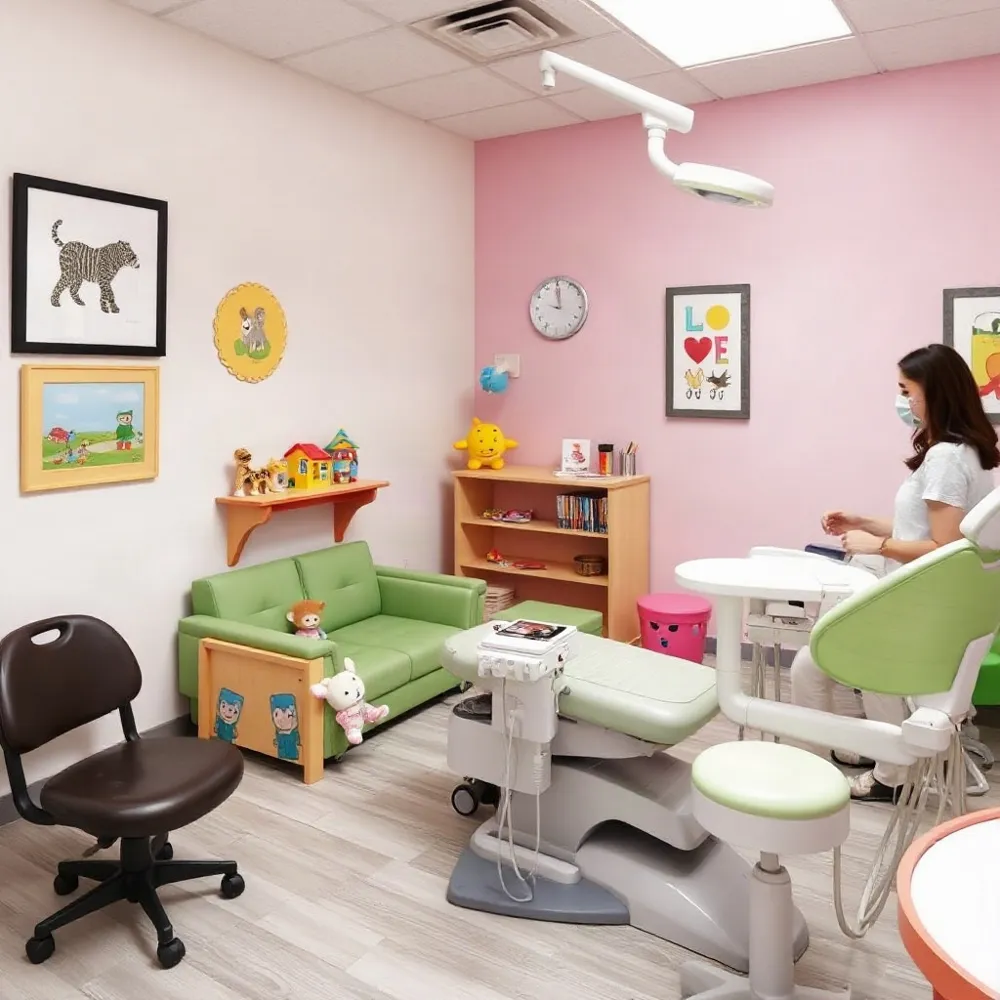
Setting the Stage for Your Child’s First Dental Trip
Importance of Early Dental Visits
Early dental visits are crucial for preventing issues like baby bottle tooth decay and establishing lifelong oral health habits. Experts recommend that a child’s first dental visit should occur within six months of their first tooth erupting or by their first birthday, whichever comes first. These early visits enable dentists to monitor growth and provide education tailored to your child’s needs.
Timing of the First Dental Appointment
Scheduling the first appointment in the morning is advisable as children tend to be more alert and receptive. The initial visit typically lasts 30 to 45 minutes, allowing enough time for a gentle examination and cleaning, while maintaining a relaxed atmosphere.
Preparing the Child Emotionally and Practically
Parents play a vital role in easing dental anxiety. Explaining what to expect in simple, positive terms and building excitement can help. Role-playing or reading books about dental visits can familiarize your child with the experience. Staying calm and positive yourself will help your child feel more comfortable. Bringing a favorite toy and ensuring the child is well-rested before the appointment further supports a successful first dental visit.
Timing and Preparing Your Child for Their Initial Dental Visit

When should a child have their first dental appointment?
Children should have their First dental visit by 12 months. This timing is important to promote early oral health and help prevent common problems such as Baby bottle tooth decay education. Early visits allow the dentist to monitor growth and development and provide guidance tailored to the child’s needs.
How can parents prepare their child for the first dental appointment?
Parents can prepare their child by Tips to prepare kids for their first dentist visit. Building excitement about meeting the dentist and what will happen helps reduce anxiety. Engaging in Role-playing dental visits with kids, familiarizes them with the experience in a fun way. Using books and videos for dental visit creates positive associations. Bringing a favorite toy along can also help provide comfort.
Why are morning appointments beneficial?
Scheduling morning dental appointments ensures that children are well-rested and alert. When children are at their best, they tend to be more cooperative and receptive during the appointment, making the experience smoother for both the child and the dental team.
How should parents manage their own dental anxieties?
Parents' influence on child's dental attitude greatly influences their child’s feelings. Staying calm, positive, and confident about dental visits helps prevent transferring fears or anxieties to the child. Discussing any concerns with the dentist beforehand can also provide reassurance and support.
What role do positive reinforcement techniques play?
Positive reinforcement, like praising the child for bravery and good behavior or rewarding them after the visit, encourages a positive attitude toward dental care. Through consistent encouragement and familiarization, children learn to view dental visits as a normal and positive part of growing up.
What to Expect During Your Child’s First Dental Exam

Typical Duration and Procedures During the First Visit
Your child's first dental visit usually lasts about 30 to 45 minutes.
This visit is designed to help your child feel comfortable while the dentist conducts a thorough checkup.
Exam Components Including Teeth, Jaws, Gums
During the exam, the dentist will carefully inspect your child's teeth, jaws, bite alignment, gums, and overall oral tissues.
This comprehensive exam monitors your child’s growth and development and identifies any early dental issues.
Cleaning and Fluoride Advice
A gentle cleaning and polishing of the teeth may be performed during this visit.
The dentist will provide guidance on home oral care practices, including how and when to brush with fluoride toothpaste to protect against cavities.
When X-Rays Might Be Necessary
X-rays are generally avoided at this young age unless the dentist suspects decay or needs to evaluate the position of baby teeth or adult teeth beneath the gums.
Minimal exposure is ensured only when absolutely necessary.
Behavioral Responses by Child’s Age
Children typically respond differently based on their age:
- Infants aged 10 to 24 months may become upset if separated from their parents during the exam.
- Toddlers between 2 and 3 years often cope with brief separations but may say “no” or resist some procedures.
- By age 4, most children can be examined comfortably without a parent in the room.
Understanding these typical reactions can help parents prepare and support their children effectively.
This careful, patient-focused approach helps establish positive dental experiences early, encouraging lifelong oral health habits.
Establishing Healthy Oral Hygiene Habits at Home

What home dental care practices should parents follow for young children?
Starting oral care early sets the foundation for a lifetime of healthy smiles. Before your child's teeth even begin to emerge, gently cleaning their gums with a damp cloth helps maintain oral hygiene (Starting Oral Hygiene Before Teeth Erupt).
Once the first tooth appears, use a small, soft-bristled toothbrush along with a tiny, rice-sized amount of fluoride toothpaste to brush your child's teeth (Brushing Tips for Babies' First Teeth. This gentle routine ensures effective cleaning without causing discomfort.
Supervising brushing is essential until your child is about 7 or 8 years old. At this age, they typically have the motor skills to brush properly but still benefit from guidance to ensure thoroughness and correct technique (Helping Children Brush Their Own Teeth by Age 7 or 8.
Preventing baby bottle tooth decay is crucial. Avoid giving your child bottles filled with milk, juice, or sweetened drinks at bedtime or naptime, as prolonged exposure to sugars can cause cavities (Preventing Baby Bottle Tooth Decay. Encourage your toddler to transition to drinking from a cup around age one.
Diet also plays a vital role in protecting teeth. Limit sugary snacks, candies, and juices, and opt for whole fruits instead. The natural fiber in fruit helps clean teeth and reduces the risk of tooth decay (Limiting Sugary Treats for Children.
By following these home care tips, parents can significantly reduce their child's chances of dental problems and build good oral hygiene habits early on (Establishing Good Oral Hygiene Habits Early.
Choosing the Right Dental Care Provider and Establishing Routine Visits
How to choose a dental practice suitable for children?
Selecting a specialized Pediatric Dentistry in Midland Park that understands children’s unique needs can greatly improve the comfort and outcomes of dental visits. Practices with friendly and experienced pediatric dentists, such as those in Midland Park, NJ, often provide a welcoming environment tailored to young patients. These clinics typically accommodate children with special needs and use behavioral management techniques for young children at the dentist that reduce anxiety while promoting a positive dental experience.
Why consider family-focused dental care?
Family-centered dental practices offer continuity of care where both children and adults can receive dental treatments in the same location. This approach often allows for more personalized care, builds trust across visits, and simplifies scheduling for busy families. Moreover, such practices are familiar with the full family health history, supporting family-centered dental care benefits and holistic oral health management.
How often should children visit the dentist after the first appointment?
After the initial visit, which should occur by the child’s first birthday or within six months of the first tooth erupting, regular Frequency of children's dental visits are recommended every six months. In some cases, dentists might suggest more frequent visits based on the child’s oral health status. These routine appointments monitor growth, development, and provide preventive care to avoid cavities and other issues.
How to communicate effectively with the dentist about your child's behavior and health history?
Parents are encouraged to share Providing complete health history to dentist and discuss any concerns or behavioral tendencies their child may have. This information helps the dentist tailor their approach to suit the child, making visits smoother and more effective. Maintaining open communication also ensures that preventive strategies and oral care advice are customized to support the child’s overall well-being.
Veenstra Family Dental’s Compassionate and Technology-Driven Approach for Families in Midland Park, NJ
What types of dental services does Veenstra Family Dental offer?
Veenstra Family Dental Midland Park NJ provides an extensive range of dental services tailored to families. These include preventive care like cleanings and exams, restorative treatments such as fillings and crowns, cosmetic dentistry, and advanced solutions including dental implants, mini implants, dentures, and full-arch restorations. This wide service spectrum ensures comprehensive care for patients of all ages.
How does Veenstra Family Dental incorporate advanced technology in its treatments?
The practice invests in cutting-edge dental technology to enhance patient care. They utilize digital imaging in pediatric dentistry for precise diagnostics, laser dentistry to provide minimally invasive treatments, and computer-aided design and manufacturing (CAD/CAM) in dentistry systems for accurate and efficient restorations. Equipped with these tools and led by dentists with specialized training, the practice delivers modern, comfortable dental experiences.
What makes Veenstra Family Dental's approach to dental care compassionate and family-focused?
Veenstra Family Dental fosters a warm and welcoming atmosphere designed to ease dental anxiety, particularly in children. They emphasize personalized treatment plans and use gentle techniques to build trust. Clear communication is a cornerstone of their care philosophy, ensuring families feel informed and supported throughout their dental journey. Their approach is centered on creating long-term relationships with families in Midland Park, NJ, promoting lifelong oral health. For families interested in starting dental care early for their children, resources such as Introducing children to the dentist and Tips to prepare kids for their first dentist visit provide valuable guidance on easing young patients into positive dental experiences.