Introduction to Innovative Restorative Dentistry
Purpose and Scope of Restorative Dentistry
Restorative dentistry focuses on repairing and preserving teeth affected by cavities, trauma, or disease. This field covers a wide range of treatments including fillings, crowns, bridges, dental implants, dentures, and root canal therapy. These procedures not only restore the health and structure of teeth but also help maintain overall oral function.
Importance of Restoring Both Function and Aesthetics
The goal of restorative dentistry is to bring back the ability to chew and speak comfortably while enhancing the appearance of your smile. Treatments are tailored to protect weakened teeth and replace missing ones, improving both your oral health and confidence. A natural-looking smile that feels comfortable is essential for every patient.
Overview of Technology-Driven Advancements
Modern restorative dentistry benefits from cutting-edge technologies like digital scanning, CAD/CAM same-day crowns, 3D printing, and laser-assisted procedures. These innovations improve precision, reduce discomfort, and allow faster treatment times. Additionally, bioactive materials promote healing and durability, supporting long-lasting results. Personalized care and AI-assisted diagnostics ensure treatments are designed specifically for individual needs, making dental restoration more effective and patient-friendly than ever before.
Cutting-Edge Technologies Revolutionizing Restorative Care
What are the latest innovations in restorative dentistry?
Restorative dentistry is rapidly advancing thanks to several cutting-edge restorative dentistry technologies that enhance treatment precision, speed, and patient comfort.
CAD/CAM Systems for Same-Day Crowns
CAD/CAM dental systems technology allows dentists to design and mill dental crowns in-office, often producing same-day crowns and veneers. This eliminates multiple appointments, reduces temporary crown use, and ensures a precise fit that blends naturally with your teeth.
3D Printing for Precise Dental Restorations
3D printing dental restorations technology creates highly accurate restorations like crowns, bridges, and dentures. This method improves fit and aesthetics while speeding up production compared to traditional lab work.
Intraoral Scanners and Digital Impressions
Digital dentistry with intraoral scanners capture detailed digital images of your teeth and gums, replacing uncomfortable traditional impressions. These digital impressions increase accuracy and help tailor restorations perfectly to your unique oral anatomy.
Laser-Assisted Minimally Invasive Procedures
Laser dental treatments offer a gentle alternative to traditional drills, allowing precise removal of decay and tissue treatment with minimal discomfort. Laser methods reduce bleeding, swelling, and recovery times, often eliminating the need for anesthesia and sutures.
AI-Assisted Diagnosis and Treatment Planning
AI in dental diagnostics enhances diagnostic accuracy and treatment planning by analyzing digital scans and X-rays. AI tools help dentists detect early decay, design optimal restorations, and predict treatment outcomes, ensuring personalized and effective care.
Together, these innovations transform restorative dentistry into a precise, patient-friendly process that restores oral health efficiently while maintaining natural aesthetics and comfort.
Modern Techniques Enhancing Patient Comfort and Outcomes
What are some modern techniques used in dentistry today?
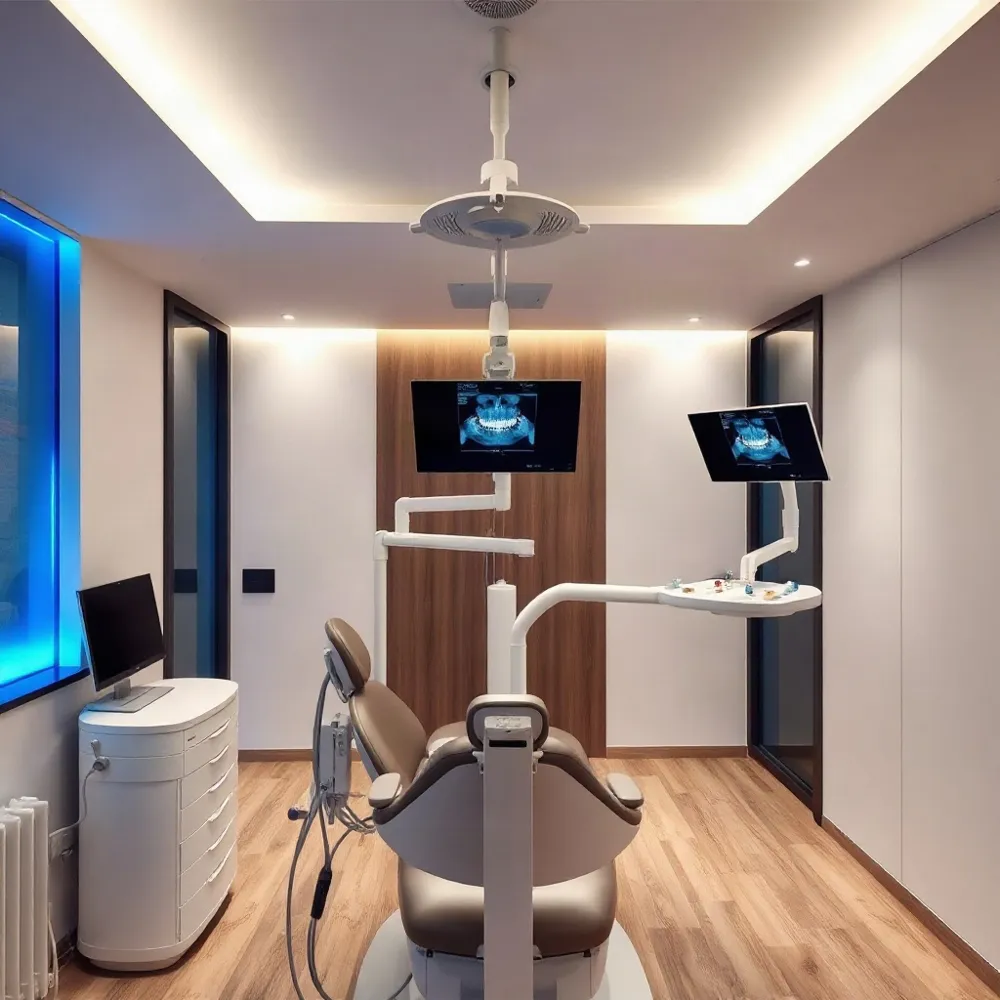
Modern dentistry integrates several Advanced dental technologies designed to enhance patient comfort and improve treatment outcomes. One major technology is Cone beam CT scans imaging, which offers detailed, three-dimensional views of teeth, their roots, jawbone, and surrounding structures. This imaging is invaluable for precise treatment planning, especially for complex procedures like Dental implants and Root canals.
Digital X-rays have replaced traditional film X-rays in many dental practices, providing high-resolution images with up to 80% less radiation exposure. This not only ensures patient safety but also aids in the early detection of issues such as cavities and periodontal disease.
Intraoral cameras are another valuable tool, capturing clear, close-up images of the teeth and gums. These images help dentists diagnose problems accurately while improving patient understanding and engagement during consultations.
Minimally invasive dental treatment methods are becoming standard to reduce patient discomfort. Air abrasion in dentistry technology gently removes decay without the need for drills, minimizing pain and preserving healthy tooth structure. Laser dental treatments are widely used for soft tissue procedures and cavity treatment, often eliminating the need for anesthesia and sutures, promoting faster healing.
Computer-controlled anesthesia systems like the Wand® offer virtually pain-free injections by precisely controlling the flow of anesthetic, reducing patient anxiety and discomfort during numbing.
Together, these modern techniques create a more comfortable, efficient, and precise dental experience, reflecting a patient-centered approach that prioritizes both health outcomes and comfort.
Advanced Restorative Dentistry: Precision Meets Personalization
What does advanced restorative dentistry entail?
Advanced restorative dentistry involves a comprehensive approach to restoring both the function and appearance of damaged or missing teeth using the latest advanced dental technologies and techniques. This includes a broad spectrum of treatments such as dental implants that replace missing roots, crowns and bridges to restore damaged teeth, and veneers for aesthetic enhancement. Each solution is carefully selected to suit the patient's specific dental needs and lifestyle.
Comprehensive restorative treatments: implants, crowns, bridges, veneers
Dental implants are surgically embedded into the jawbone, providing a stable foundation that also helps maintain jawbone strength. Crowns and bridges restore chewing and speaking functions while protecting weakened teeth. Veneers enhance tooth appearance by correcting discolorations and shape issues, contributing to a natural, harmonious smile.
Digital planning and 3D printing for customized restorations
Modern dental practices use digital impression systems for comfort and accuracy and 3D printing dental restorations to create highly accurate restorations. These tools allow dentists to design and fabricate crowns, bridges, and other prosthetics with exceptional precision right in the office, often completing treatments in a single visit. The benefits include improved fit, comfort, and aesthetic results tailored to each individual.
Minimally invasive procedures preserving natural tooth structure
Techniques such as laser dental treatments and air abrasion minimize trauma by preserving as much healthy tooth tissue as possible. These methods reduce discomfort, shorten recovery time, and help maintain the natural integrity of teeth.
Use of biocompatible and aesthetic materials
Advanced restorative dentistry employs materials like composite resin fillings, ceramics, and bioactive dental materials that are biocompatible and mimic the natural appearance of teeth. These materials promote enamel remineralization, resist wear, and support long-lasting restorations that blend seamlessly with your smile.
Role of restorative dentistry in improving function and confidence
Restorative treatments restore essential oral functions like chewing and speaking, prevent further dental damage, and improve overall oral hygiene. Beyond health, they significantly enhance self-confidence by delivering natural-looking smiles tailored to each patient’s unique features. This personalized care boosts emotional well-being and quality of life.
| Aspect | Description | Patient Benefit |
|---|---|---|
| Implants, Crowns, Bridges | Replace/restore tooth function and structure | Durable, stable dental solutions |
| Digital Planning & 3D Printing | Precision design and quick fabrication | Custom fit, reduced visits |
| Minimally Invasive Techniques | Preserve natural tooth tissue using lasers | Less pain, faster healing |
| Biocompatible Materials | Natural-looking, tooth-friendly substances | Long-lasting, aesthetic restorations |
| Functional & Aesthetic Outcome | Restores chewing, speech, and smile confidence | Improved quality of life and self-esteem |
Innovative Dental Materials Shaping the Future of Restoration
What is the newest restorative material for dental treatments?
Zirconomer is a recent breakthrough in Restorative Dentistry Basics. This advanced Glass Ionomer material combines the strength and toughness traditionally associated with dental amalgam but entirely eliminates mercury, addressing safety concerns. Zirconomer offers improved durability while maintaining biocompatibility.
How are bioactive and self-healing substances advancing dental care?
Modern restorative materials go beyond repair by actively promoting enamel remineralization and supporting tissue regeneration. Bioactive dental materials can release beneficial ions to strengthen tooth structure and inhibit bacterial growth, reducing the risk of future decay. Self-Healing Enamel Treatments can respond to micro-damage, increasing restoration longevity.
How does nanotechnology improve restoration durability and aesthetics?
Nanomaterials for dental restorations incorporated into dental composites and ceramics enhance strength, wear resistance, and polishability. These materials mimic the natural tooth’s structure at a microscopic level, resulting in restorations that are both highly durable and visually indistinguishable from natural teeth.
What biocompatible materials are used for natural results?
Ceramics and composite resins remain popular for their natural appearance and compatibility with oral tissues. Advances in these materials include improved bonding agents and enhanced color matching, allowing personalized dental restoration that blend seamlessly with a patient’s smile.
Are sustainable, eco-friendly dental materials becoming available?
Sustainability is growing in importance in dentistry. New materials focus on being biodegradable or using components that reduce environmental impact without compromising function or safety. Such eco-friendly dental materials reflect the dental industry's effort to align patient care with global environmental stewardship.
Emerging Trends and the Future Outlook in Restorative Dentistry
What significant dental technology advances are expected or emerging in 2024?
Advancements in Restorative Dentistry Basics are rapidly transforming oral healthcare in 2024. Digital Smile Design (DSD) technology stands out by allowing dentists to precisely visualize and customize smiles before treatment begins. This software-driven approach improves both aesthetic outcomes and patient satisfaction.
3D Printing in Dentistry technology revolutionizes restorative procedures by enabling same-day fabrication of crowns, bridges, veneers, and dentures with superior accuracy and fit. This reduces treatment time and enhances patient convenience.
Laser-Assisted Procedures are becoming a preferred method for various treatments such as gum contouring, decay removal, and teeth whitening. The minimally invasive nature of lasers results in reduced discomfort and faster healing.
One of the most exciting fields is Regenerative Dentistry with Stem Cells which explores stem cell research to support the natural repair and renewal of dental tissues. This could mark a shift toward biological restoration rather than synthetic replacements in the near future.
What are the main 2024 trends in dentistry and cosmetic dental care?
In 2024, dentistry emphasizes precision and personalization. Digital technology, including 3D digital scanning in dentistry and computerized smile design tools, allows for highly tailored restorative and cosmetic solutions.
Minimally invasive dental techniques continue to grow in popularity. Procedures like dental bonding and micro-veneers preserve natural tooth structure while delivering natural-looking results.
Advances in teeth whitening technology offer faster, safer, and longer-lasting effects, accommodating diverse patient preferences. These innovations reflect a patient-centered approach prioritizing comfort and aesthetics.
Additionally, Teledentistry Virtual Consultations expand access by facilitating remote consultations and follow-ups, making professional dental care more convenient, especially for rural or underserved populations.
AI-Assisted Dental Diagnostics is also proving invaluable in diagnostics and treatment planning. AI algorithms assist dentists in detecting subtle oral health issues early and customizing restorative care precisely to individual needs.
Together, these emerging trends promise a future of Restorative Dentistry that is more efficient, personalized, and minimally invasive, enhancing long-term oral health and patient confidence.
Conclusion: Embracing Innovation for Lasting Dental Health
Embracing Innovation for Lasting Dental Health
Restorative dentistry has significantly evolved through advanced technologies such as CAD/CAM same-day crowns, 3D printing, laser-assisted procedures, and bioactive materials. These advances deliver precise, durable, and natural-looking restorations while minimizing discomfort and recovery time.
Patients benefit from faster treatments, improved function, and enhanced aesthetics, which boost confidence and oral health. Meanwhile, dental professionals gain tools for more accurate diagnoses and efficient care.
A commitment to personalized treatment ensures every patient’s unique needs and goals are met, fostering a welcoming and comfortable experience. Together, these innovations shape a future where lasting dental health is accessible and tailored for all ages.