Introduction to Modern Restorative Dentistry Breakthroughs
Evolution of Restorative Dentistry
Restorative dentistry has significantly evolved from basic treatments like silver fillings and removable dentures to advanced, tooth-colored restorations such as composite resin fillings, crowns, and veneers. Today, innovative technologies including 3D printing and digital imaging enable precise, customizable restorations designed for both functionality and aesthetic appeal.
Importance for Patient Care
These advancements not only enhance smile aesthetics but also restore essential capabilities like chewing and speaking. Minimally invasive techniques preserve natural tooth structure, promote faster healing, and reduce discomfort. Additionally, they help maintain jawbone strength and reduce infection risks, contributing to long-term oral health.
Relevance to Family-Focused Practices
Family-focused dental practices, such as those serving communities in Midland Park and similar areas, integrate these modern restorative approaches to provide personalized and compassionate care. They emphasize patient education, comfort, and accessibility, ensuring tailored treatments that meet the needs of all ages and promote holistic oral health for the entire family.
Comprehensive Services in Family-Focused Dental Practices
What types of dental services are typically offered by family-focused dental practices?
Family-focused dental practices provide a wide variety of dental care services tailored to meet the needs of patients across all age groups. Preventive care is a cornerstone of these practices, including regular cleanings, comprehensive exams, fluoride treatments, and dental sealants. These measures help detect problems early and prevent more serious oral health issues.
In addition to prevention, restorative services are extensively offered. Common restorative treatments include fillings to address cavities, crowns and bridges customization to rebuild and replace teeth, root canal therapy for saving infected teeth, and dental implants that function as durable tooth replacements supporting natural appearance and chewing ability. Advanced technology such as digital impressions and CAD/CAM-enabled same-day crowns enhances precision and efficiency.
Cosmetic care is also an integral part of family dental practices, with procedures like professional teeth whitening benefits , ultra-thin veneers, and porcelain crowns designed to improve smile aesthetics with minimal tooth alteration.
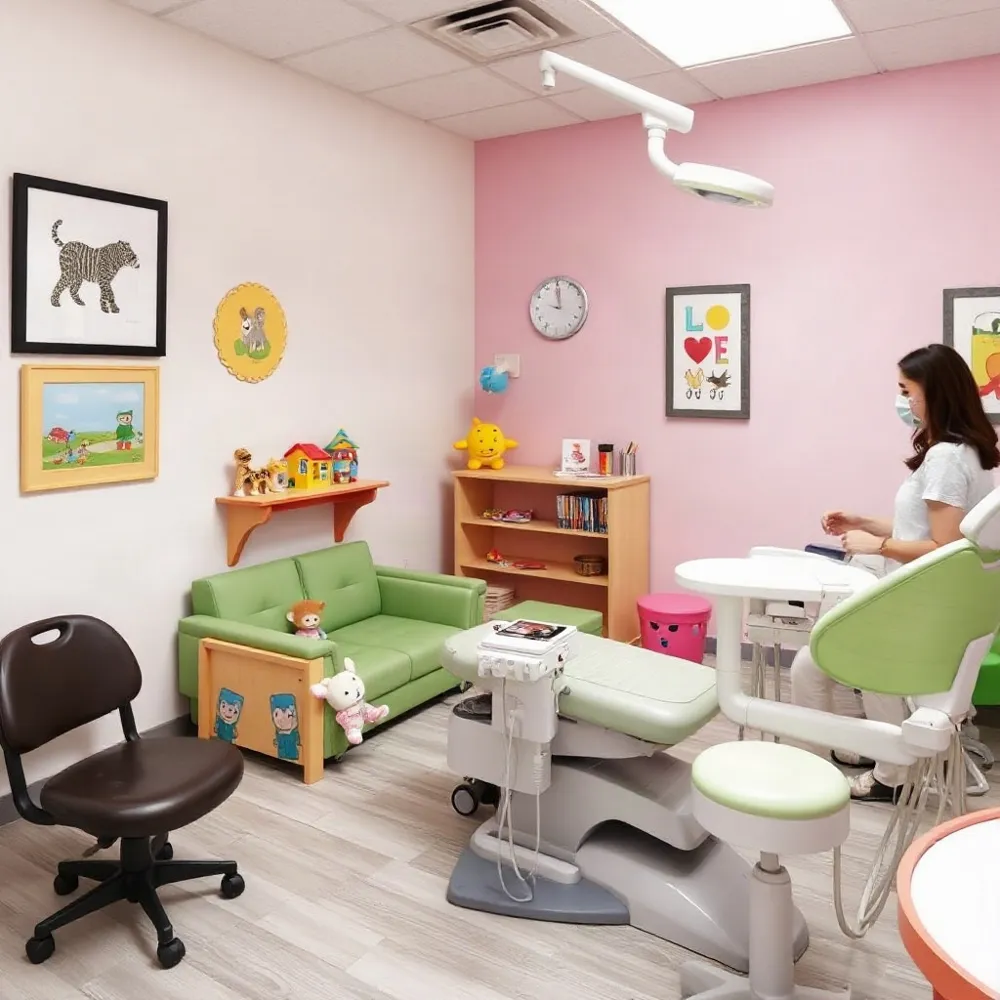
These practices prioritize a welcoming environment and personalized care, ensuring all family members—children to seniors—feel comfortable and supported during their dental visits. Techniques like laser dentistry for soft tissue procedures and nitrous oxide sedation in dentistry options help reduce anxiety and enhance patient comfort, reflecting the compassionate approach these clinics uphold.
Technological Innovations Enhancing Precision and Efficiency
How does advanced technology enhance dental care in modern practices?
Modern dental practices increasingly rely on advanced technology to improve patient outcomes and experience. One significant innovation is 3D printing in dental restorations. This technology allows practices to fabricate crowns, bridges, dentures, and aligners with remarkable precision and speed, often within a single appointment. This reduces patients’ waiting times and ensures a better fit with customized designs.
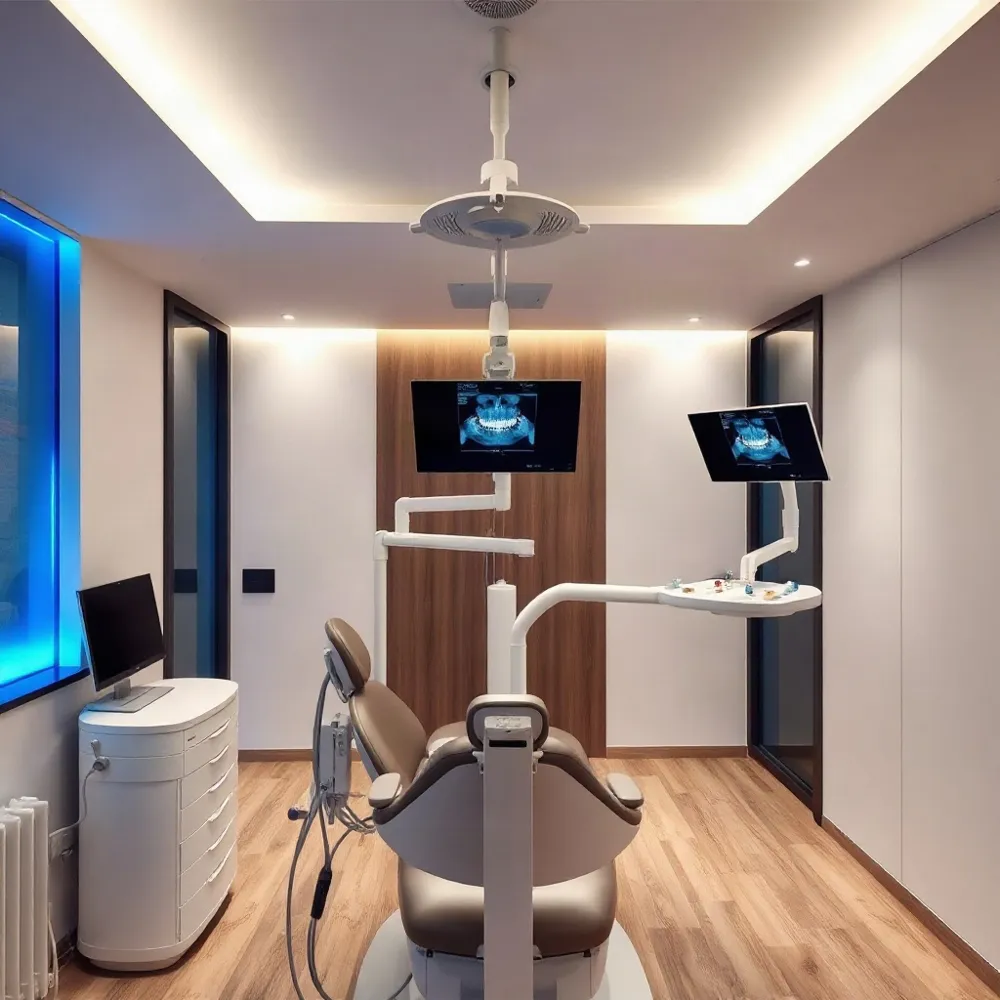
Digital imaging and 3D scanning complement this by replacing traditional dental impressions with accurate, comfortable intraoral scanners and CBCT. Combined with digital X-rays for diagnosis, these tools provide detailed 3D images that improve diagnosis and treatment planning while enhancing patient comfort.
Minimally invasive techniques like laser dentistry for soft tissue procedures provide several advantages including less bleeding, reduced pain, and faster recovery during procedures such as gum reshaping with laser technology, cavity treatment, and teeth whitening benefits. This technology makes treatments gentler and more efficient.
The introduction of crowns and bridges customization with CAD/CAM-enabled same-day crowns revolutionizes restorative care by enabling the digital design, milling, and placement of crowns in a single visit, eliminating the need for multiple appointments.
Moreover, AI for early dental issue detection supports early detection of dental issues such as cavities and gum disease, helping dentists to develop predictive treatment plans that improve long-term oral health outcomes.
Together, these advanced technologies empower dental practices to offer more precise, efficient, and patient-friendly care like that seen at Advanced dental technology at Veenstra Family Dental, ensuring personalized treatment tailored to individual needs.
Minimally Invasive and Regenerative Techniques Shaping the Future
Laser-assisted restorative procedures
Laser dentistry for soft tissue procedures is becoming a preferred method for treating dental issues such as cavities, gum reshaping with laser technology , and teeth whitening benefits. This technique offers less bleeding, minimal pain, and faster recovery times compared to traditional methods, significantly enhancing patient comfort during and after treatment.
Bioengineering and stem cell research
Advances in regenerative dentistry and stem cell therapy through bioengineering and stem cell therapy aim to naturally repair damaged tooth tissues like enamel, dentin, and gum tissue. This promising research includes the potential for growing back tissues, reducing reliance on artificial restorations, and improving overall dental health.
Minimally invasive adhesive bonding
Modern restorative dentistry favors minimally invasive techniques such as adhesive bonding, which allows for precise repairs while preserving the natural tooth structure. This approach reduces discomfort, shortens healing time, and supports better long-term oral health outcomes.
Keratin-based enamel regeneration
Emerging enamel regeneration methods, such as those utilizing keratin-based enamel regeneration materials derived from hair or wool, show promise for gently repairing tooth enamel. These eco-friendly solutions are potentially more effective than traditional fluoride treatments and help maintain the natural strength of teeth.
Benefits of tissue preservation
Preserving natural tooth and gum tissues during restorative procedures improves healing, reduces sensitivity, and maintains oral function. Techniques like minimally invasive laser-assisted procedures and minimally invasive bonding support tissue preservation, promoting a more comfortable and lasting restoration experience.
These innovative, patient-friendly techniques reflect a shift toward more holistic personalized restorative dentistry that not only restores teeth but also supports natural tissue health and regeneration.
Compassionate Care: Enhancing Patient Experience and Outcomes
What Are the Key Features of Compassionate Dental Care?
Compassionate dental care means creating a welcoming and supportive atmosphere where patients feel understood and valued. It involves actively listening to patient concerns, explaining treatments clearly, and building trust through honest communication. This approach helps patients feel at ease and reduces fear or anxiety commonly associated with dental visits.
Dentists showing empathy—truly sharing and acknowledging patients' feelings—can make a big difference. Studies show that empathy not only reduces anxiety but can also improve adherence to oral hygiene routines, especially important for children and elderly patients with special needs.
Communication and Empathy in Dentistry
Open, two-way communication allows patients to express their worries and preferences freely. Dentists who validate emotions and provide thorough explanations foster a stronger patient-provider bond. Personalized treatment plans developed collaboratively respect each individual’s unique needs and comfort.
Reducing Patient Anxiety
Compassionate care integrates anxiety reduction techniques such as gentle explanations, patience, and reassurance throughout procedures. This creates a calming environment that encourages patients to relax and participate actively in their care. Techniques like computer-assisted anesthesia and nitrous oxide sedation in dentistry are modern examples that help manage pain and anxiety effectively.
Patient Education and Engagement
Educating patients about their oral health and treatment options empowers them to make informed decisions. Compassionate dentists provide understandable information and encourage questions to promote ongoing engagement and responsibility for oral care. Use of digital imaging in dentistry and intraoral scanners and CBCT enhances patient understanding and involvement in care planning.
Family-Centered Approach
In family dental practices, compassionate care extends to all ages, embracing a holistic view of oral health. This approach supports lifelong relationships and ensures that each family member receives personalized care suited to their stage of life. Integration of teledentistry consultations further facilitates access and continuity in family-centered dental care.
By combining empathy, clear communication, and patient involvement, compassionate dental care enhances not only the patient experience but also clinical outcomes, fostering healthier, happier smiles for everyone.
Integrated Digital Care and Tele-dentistry for Accessibility and Follow-up
How are teledentistry services enhancing patient access and care follow-up?
Teledentistry consultations allow patients to receive remote dental consultations and treatment planning, eliminating the need for in-person visits for many appointments. This is especially beneficial for patients living in rural or underserved areas, expanding access to quality dental care. Practices like Veenstra Family Dental offer virtual consultations and follow-ups, improving convenience and ongoing oral health monitoring.
What role do smart toothbrushes and patient apps play in modern dental care?
Smart toothbrush integration and patient apps enable patients to actively engage in their oral health maintenance. These tools can track brushing habits, provide reminders, and share real-time data with dental professionals. This connected dental experience with smart tools encourages preventive care and supports personalized treatment plans based on individual patient data.
How does remote monitoring support personalized treatment planning?
Remote monitoring through digital tools allows dentists to observe a patient's oral health progress between visits. Coupled with digital imaging in dentistry and AI-enhanced CAD/CAM systems, this technology provides detailed insights to tailor treatments precisely to the patient's needs. This personalization leads to improved outcomes and greater patient satisfaction.
How does integrated digital care expand access to underserved populations?
By leveraging teledentistry and connected dental care tools, dental practices can reach patients who face barriers like travel difficulties or mobility limitations. Virtual appointments and digital communication break down traditional access obstacles, allowing broader community care engagement and more timely interventions.
Integrated digital care combines innovative technology with professional expertise to create a welcoming, efficient environment where all patients can receive comprehensive, personalized dental care regardless of location.
Looking Ahead: The Transformative Impact of New Restorative Dentistry Techniques
Embracing cutting-edge restorative techniques is reshaping how dental care is delivered.
Modern advances such as 3D printing, digital scanning, and laser dentistry allow personalized, precise treatments that are faster and less invasive. These innovations enable tailored restorations like crowns and dentures with improved fit and aesthetics.
Patient comfort and outcome improvements are central.
Minimally invasive methods reduce discomfort and healing times, while AI-assisted diagnostics promote early issue detection. Sedation options and noise-reduction technologies support anxiety management, making dental care welcoming for all ages.
Looking forward, regenerative therapies and tele-dentistry expand possibilities.
Research into stem cell treatments aims to naturally repair tooth and gum tissue, potentially reducing artificial restorations. Remote consultations increase accessibility, especially benefiting community members in rural or underserved areas.
Together, these advancements promote a holistic, patient-centered approach that enhances oral health, boosts confidence, and serves diverse communities effectively.