Understanding Dental Anxiety
Dental anxiety is a normal biological reaction that triggers the body’s fight‑or‑flight response when the dental environment feels invasive or out of control. Common symptoms include rapid heartbeat, sweating, shaking, difficulty breathing, stomach “butterflies,” dry mouth, and heightened irritability before or during a visit. When fear leads patients to skip regular check‑ups, cavities, gum disease and more serious problems can develop, often requiring more invasive and stressful procedures later on. At our practice we combine modern, minimally invasive techniques with a warm, welcoming atmosphere. By communicating openly, offering hand‑signal breaks, distraction tools, and relaxation options such as deep‑breathing or music, we help patients of every age feel safe, comfortable, and in control of their oral health through personalized care today.
Relaxation Foundations: Breathing, Muscle Relaxation, and Mindfulness
 Dental anxiety symptoms
People with dental anxiety often feel a rapid heartbeat, sweating, trembling, shortness of breath, nausea, or dizziness. They may clench their jaw, tense neck shoulders, and exhibit withdrawal or even fainting when faced with a dental setting.
What causes dental anxiety
The fight‑or‑flight response is triggered by the mouth’s sensitivity, past painful procedures, loss of control, and the sound of drills. Media portrayals and family history can amplify the fear, turning a routine visit into a perceived threat.
Deep breathing techniques
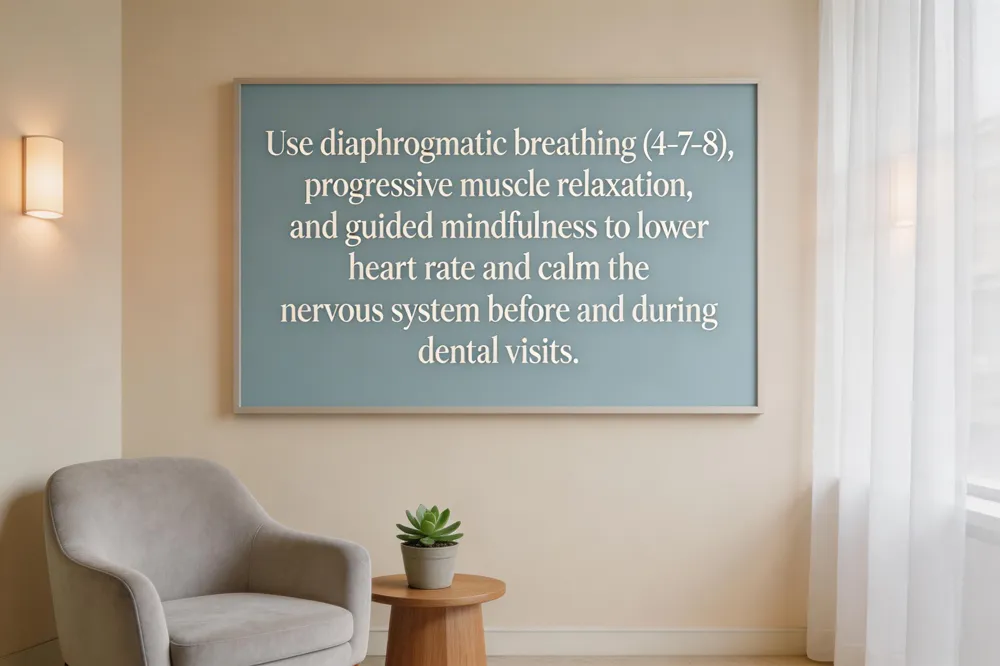
Controlled diaphragmatic breathing—such as the 4‑7‑8 (inhale 4 s, hold 7 s, exhale 8 s) or 3‑4‑5 (inhale 3 s, hold 4 s, exhale 5 s)—activates the parasympathetic nervous system, lowering heart rate and cortisol. Placing a hand on the abdomen helps ensure belly breathing.
Progressive muscle relaxation
Jacobsen’s method tenses each muscle group for 5‑7 seconds, then relaxes for 20 seconds, moving from toes to head. This systematic release reduces physical tension and the perceived pain of dental work.
Mindfulness and guided imagery
Focusing on the present moment, visualizing a calm beach, or listening to a soothing narration redirects attention away from the dental chair. Pairing mindfulness with soft music or headphones enhances the calming effect. Guided imagery can also be used to create a calm mental scene.
Dental anxiety management
Open communication , a pre‑agreed stop signal and and the relaxation tools above empower patients, while nitrous oxide or oral sedatives are available for moderate‑to‑severe anxiety. Regular preventive visits build trust and reduce future fear.
Distraction and Sensory Strategies
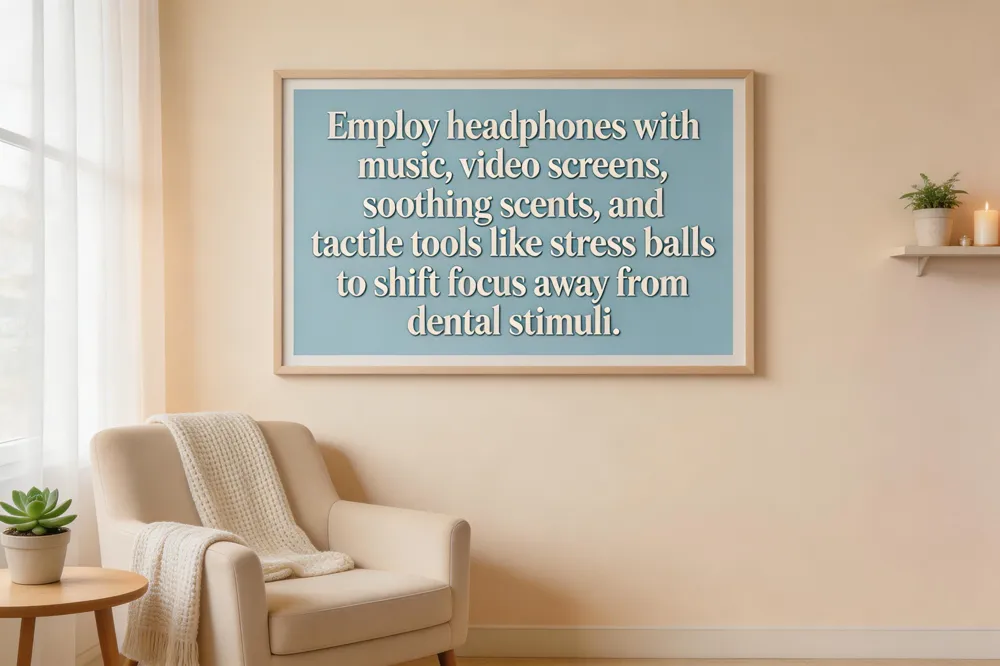 Music and headphones – Listening to your favorite playlist or a calming podcast through noise‑cancelling headphones masks the sound of drills and helps your mind focus elsewhere. Veenstra Family Dental provides headphones and can set up a personal music station in the operatory.
Video and visual distraction – A ceiling‑mounted screen or a tablet on a stand lets you watch a movie, nature video, or guided meditation while the dentist works. Visual focus reduces the perception of time and eases nervous thoughts.
Aromatherapy and scent – A subtle whiff of lavender or chamomile in the treatment room can activate the parasympathetic nervous system and lower cortisol. The practice offers a scent kit for patients who find fragrance soothing.
Stress ball and tactile tools – Squeezing a soft stress ball or using a fidget cube gives your hands something to do, releasing tension and preventing the "claw‑like" grip that often accompanies anxiety.
Scared of dentist but need treatment? Call Veenstra Family Dental in Midland Park, NJ, and let the team know your fear. They’ll tailor a calm, family‑focused visit with gentle communication, breathing cues, music or headphones, and, if needed, mild sedation or nitrous‑oxide.
Scared to go after 10 years? Schedule a relaxed “meet‑and‑greet” consultation. A low‑pressure exam and cleaning lets you become familiar with the friendly staff and modern tech before any deeper work.
Scared because of bad teeth? The team starts with a gentle exam, uses numbing gels, explains each step in plain language, and can break treatment into short, manageable visits.
How to calm anxiety before a dentist appointment? Talk openly with the team, schedule a non‑rush time, avoid caffeine, practice the 4‑7‑8 breathing method, bring headphones, and consider a calming scent. For stronger anxiety, ask about signal cues, nitrous‑oxide, or other sedation options.
Dental anxiety Reddit – Users share stories of drill sounds, pain, and coping tips like deep breathing, music, and sedation, underscoring the need for compassionate care.
How to calm down before dentist Reddit – Recommendations include a 5‑minute guided meditation, progressive muscle relaxation, a favorite playlist, visualizing a peaceful place, and arriving early to settle in.
Communication and Control Within the Dental Office
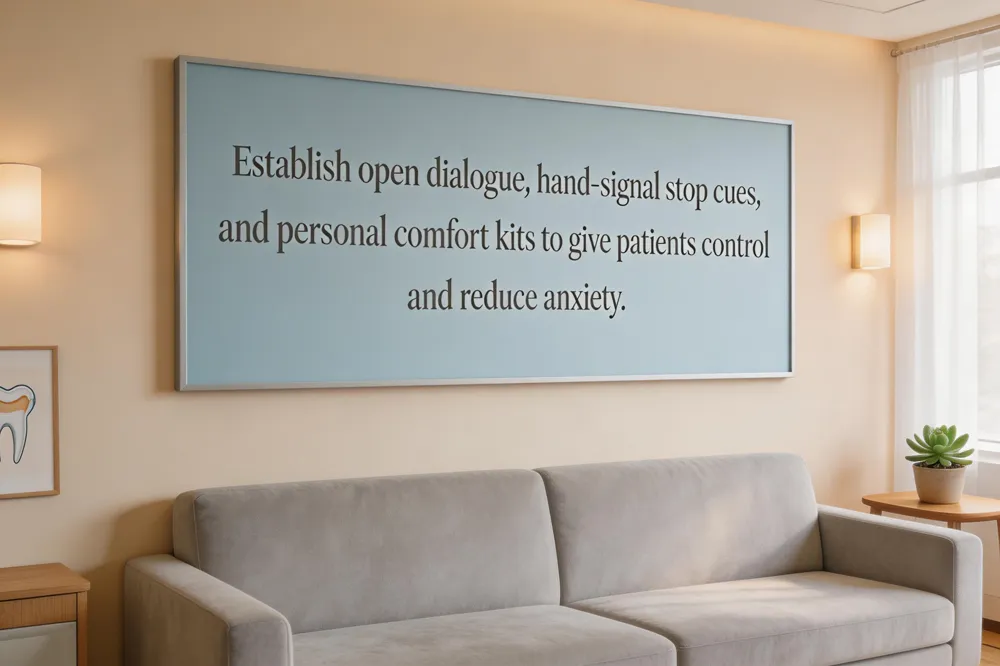 Open communication is the cornerstone of a calm dental visit. At Veenstra Family Dental in Midland Park, NJ, we encourage you to share any fears before the chair so the team can explain each step, answer questions, and customize your comfort plan. Simple hand‑signal systems—like a raised thumb or a word cue—give you control to pause treatment whenever you need a break, turning the experience into a collaborative partnership.
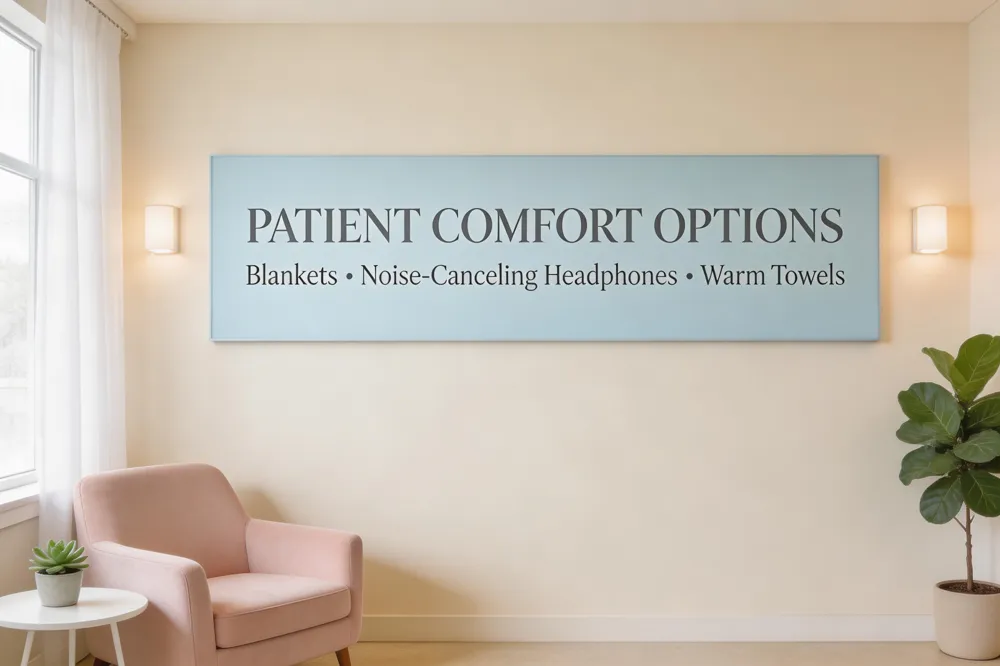
Personal comfort items such as noise‑cancelling headphones, a favorite playlist, a stress ball, or a soft blanket can be used during the appointment to mask drill sounds and keep nervous energy at bay. We also offer a “comfort kit” with these items ready in the operatory.
Scheduling tips further reduce anticipatory anxiety: aim for a morning slot when cortisol levels are lower, avoid rushed days, and arrive early to meet the staff and settle in. If you feel too anxious to come, call us—our team will walk you through deep‑breathing exercises, offer a pre‑visit virtual tour, or discuss nitrous‑oxide, oral, or IV sedation options.
Dental anxiety dentist near me – Veenstra Family Dental provides gentle, compassionate care with modern sedation and distraction techniques. What if I am too anxious to go to the dentist? – Call us, practice deep‑breathing, use headphones, bring a trusted friend, or consider sedation. Dental anxiety specialist Near Me – Our dentists are trained in anxiety‑reduction strategies and can refer you to specialist clinics if needed. Dental anxiety dentist – We combine clear communication, hand‑signal breaks, soothing music, and advanced technology to make every visit stress‑free. Anxiety before dentist appointment – Talk openly with the dentist, schedule a relaxed day, bring a comfort item, practice breathing, avoid caffeine, and ask about nitrous‑oxide or oral sedation for extra calm.
Pharmacological Options and Sedation
 Oral sedation – Prescription benzodiazepines such as diazepam, lorazepam, or midazolam are taken before the appointment. They provide moderate sedation and a degree of amnesia, helping you feel calm throughout the procedure. Because they are taken at home, you’ll need a responsible adult to drive you afterward.
IV sedation – Intravenous agents like midazolam, propofol, or ketamine are administered by the dentist or an anesthesiologist. IV sedation offers deeper, quickly‑controllable relaxation and a rapid recovery, but it requires monitoring of vital signs during treatment.
Medication guidelines – Before any medication, discuss your medical history, current drugs, and specific fears with your dentist. Over‑the‑counter antihistamines (e.g., diphenhydramine) can help mild anxiety, while stronger prescription options are reserved for moderate to severe cases. Your dentist will tailor the plan to ensure safety and comfort.
What can I take for anxiety before dental work? You may use OTC antihistamines, prescription benzodiazepines, or a short‑acting oral sedative prescribed by your dentist. In‑office nitrous oxide or deeper oral/IV sedation are also available.
Dental anxiety medication – Options range from nitrous oxide (light sedation) to oral benzodiazepines (moderate) and IV agents (deep). Each is chosen based on your anxiety level and the procedure’s complexity.
Nitrous oxide for dental anxiety – Provides fast, adjustable, non‑invasive sedation, keeping you awake but relaxed, with an immediate recovery.
Severe dental anxiety – May require a multidisciplinary approach, including CBT, relaxation techniques, and pharmacologic options such as oral or IV sedation. Open communication with your dentist allows a personalized, safe plan.
What is the 3‑3‑3 rule for toothaches? Take 600 mg ibuprofen (three 200 mg tablets) three times daily for no more than three days to reduce pain and inflammation.
Building Long‑Term Confidence and Preventive Care
 Dental anxiety management
Open communication is the first step. Share your fears with the dentist and agree on a simple hand‑signal or “comfort‑break” cue. Practice deep‑breathing (e.g., 4‑7‑8 or 3‑4‑5) and mindfulness before and during treatment. Distraction tools—headphones with music, podcasts, or a video—can shift focus away from the drill. Topical anesthetic gels and gentle local anesthesia minimize pain, while nitrous oxide, oral sedatives or IV sedation are available for moderate to severe anxiety. Schedule short, regular appointments to build trust and familiarize yourself with the office environment.
Dental anxiety treatment
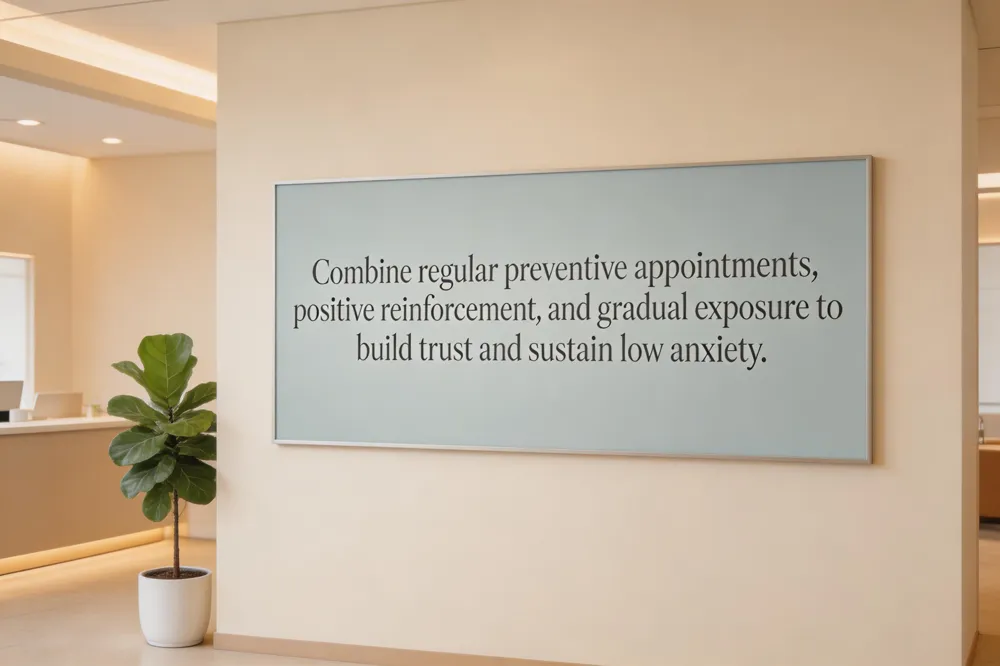
A combined approach works best: behavioral strategies (cognitive‑behavioral therapy, guided imagery, progressive muscle relaxation) reshape fear responses; gradual exposure to the dental setting reduces the unknown; and pharmacologic options (laughing gas, oral or intravenous sedation) calm the nervous system when needed. Our team uses clear explanations, a personalized pacing plan, and a stop‑signal system so you always feel in control.
Dental anxiety Scale
We screen patients with the Dental Anxiety Scale (DAS) or its Modified version (MDAS). Scores guide us in tailoring relaxation techniques, sedation options, or referrals for CBT. This ensures each visit matches your comfort level.
Reward systems
Positive reinforcement encourages continued care. After a successful visit, treat yourself to a favorite activity or a small reward. Regular preventive check‑ups every six months keep oral health optimal and make future appointments routine, reinforcing confidence and reducing anxiety over time.
Your Path to a Calm Dental Experience
Key takeaways: Dental anxiety is a normal fight‑or‑flight response that can be softened with open communication, deep‑breathing (e.g., 4‑7‑8 or 3‑4‑5), guided imagery, and distraction tools such as music or a stress‑ball. A pre‑arranged hand signal gives you control, while regular preventive visits prevent invasive procedures that heighten fear. Veenstra Family Dental next Midland Park, NJ, offers a warm, modern office with soft lighting, headphones, and optional sedation (nitrous oxide, oral or IV) for those who need extra help. Next steps: Call or schedule an online meet‑and‑greet, share your concerns, pick a comfortable appointment time, and let the team create a personalized calm‑care plan just for you.