Modern Smile Makeovers: Less Drilling, More Confidence
Modern dentistry is undergoing a significant shift. In the past, treating a damaged or discolored tooth often meant removing a substantial amount of healthy structure to make room for a large restoration. This invasive approach could weaken the tooth over time, leading to a cycle of larger and larger repairs. Today, the guiding philosophy is different: preserve first, restore second. This principle, known as minimal‑invasive or minimally invasive dentistry, prioritizes the conservation of your natural enamel and dentin while still achieving dramatic, life‑changing aesthetic and functional improvements. The goal is to treat problems early and conservatively, using advanced materials and techniques that require far less drilling and disruption than traditional methods.
The Minimal‑Invasive Philosophy at Veenstra Family Dental
At Veenstra Family Dental in Midland Park, NJ, this patient‑first philosophy is central to our care. We are a family‑focused practice, serving multiple generations for over 40 years, and we understand that every smile has a unique story. Our commitment to modern, compassionate care means we prioritize treatment plans that are as conservative as possible. We invest heavily in advanced technology to make this possible, including digital X‑rays with up to 90% less radiation, intraoral scanners that eliminate messy impressions, and 3D imaging for precise diagnostics. This foundation of technology allows us to see problems early, plan treatments with incredible accuracy, and perform procedures that are faster, more comfortable, and less invasive.
Common Minimal‑Invasive Procedures That Transform Smiles
Several popular treatments fall under the umbrella of minimal‑invasive dentistry, each designed to address specific concerns while preserving your natural teeth.
Teeth Whitening: For discoloration caused by aging, food, or lifestyle, professional whitening is a non‑invasive and highly effective first step. In‑office treatments can dramatically brighten your smile in a single visit, while custom take‑home kits offer a convenient at‑home option. Results are immediate and can be maintained with good habits and periodic touch‑ups.
Dental Bonding: This is a versatile and reversible procedure using a tooth‑colored composite resin. It can repair chips, close small gaps, reshape uneven teeth, or mask discoloration—all in a single, painless visit. True to the minimal‑invasive philosophy, bonding often requires little to no removal of natural tooth structure and can be easily repaired or updated in the future.
Ultra‑Thin Veneers: Unlike traditional veneers that require significant enamel removal, many modern veneer systems are ultra‑thin—as little as 0.2 mm—and require a process that is much closer to a no‑prep or minimal‑prep approach. These thin shells of porcelain are bonded to the front of the teeth, providing a dramatic transformation that can correct deep stains, chips, gaps, and minor misalignment. The preservation of more of your natural enamel translates to less sensitivity, a lower risk of complications, and a more biocompatible result.
Clear Aligners (Invisalign): For correcting crowding, spacing, or bite issues, clear aligner therapy offers a comfortable, discreet, and minimal‑invasive alternative to traditional braces. The aligners are removable, making it easier to maintain excellent oral hygiene, and the treatment plan is guided by digital imaging for predictable results. This non‑invasive approach can resolve functional problems that, if left untreated, might require more extensive restorative work later.
The Benefits: Preserving Your Smile for the Long Term
Choosing a minimal‑invasive approach offers several tangible advantages. These procedures often require less anesthesia or even none at all, and patients typically experience less post‑treatment sensitivity and faster recovery. By preserving more of your natural tooth structure, the tooth itself remains stronger and more resistant to future damage, which contributes to better long‑term survival rates. Furthermore, early intervention—such as using remineralization agents or resin infiltration to treat early cavities—can arrest decay before it progresses, preventing the need for larger, more invasive restorations down the line. This proactive, conservative model aligns perfectly with the goal of maintaining a healthy, beautiful smile for a lifetime.
Real Transformations: Beyond Aesthetics
The true power of minimal‑invasive dentistry lies in its ability to improve lives. Beyond the cosmetic enhancements, patients frequently report a significant boost in confidence. They smile more freely, engage more confidently in social and professional interactions, and feel a renewed sense of self‑esteem. Many also find relief from chronic issues like jaw pain, headaches, and difficulty chewing that were linked to bite problems or worn‑down teeth. Whether it is the 40‑year‑old professional gaining confidence with a new set of composite veneers or the senior patient being able to enjoy a steak again with a custom‑fitted partial denture, the results are genuinely transformative. Our Smile Success Stories section is filled with examples of patients who not only love the way they look but feel healthier and happier every day.
| Procedure | Invasiveness | Aesthetic Impact | Primary Use Case | Key Advantage |
|---|---|---|---|---|
| Teeth Whitening | Non‑invasive | Moderate (color) | Surface & deep stains | Immediate, low‑cost results |
| Dental Bonding | Minimal (rarely no prep) | High (shape, color) | Chip repair, gap closure, reshaping | Single‑visit, reversible, affordable |
| Ultra‑Thin Veneers | Minimal (0.2–0.5 mm) | Very High (full smile) | Severe staining, chips, gaps, minor misalignment | Preserves enamel, dramatic change |
| Clear Aligners | Non‑invasive | High (alignment) | Crowding, spacing, mild bite issues | Discreet, removable, predictable |
| Composite Fillings | Minimal (early decay) | High (color, function) | Early to moderate cavities | Preserves healthy structure, adhesive bond |
| Resin Infiltration | Nearly none | Low (halts decay) | Non‑cavitated initial lesions (white spots) | Drilling‑free, arrests early damage |
Technology Matters: Veenstra Family Dental uses state‑of‑the‑art tools like digital smile design, which allows you to preview your results before any work begins. This collaborative process ensures that every treatment is tailored to your unique features, delivering a result that looks as natural as it feels comfortable. The combination of advanced diagnostics and biomimetic materials means your restorations blend seamlessly with your natural teeth, functioning just like the original structure. It is a more intelligent way to build a beautiful, lasting smile.
What Are Minimal‑Invasive Restorations?
 Minimal‑invasive restorations are guided by a single principle: preserve natural tooth structure. Using digital X‑rays, AI‑powered diagnostics, and biomimetic materials—composite resins that bond chemically to enamel and dentin—this philosophy allows dentists to repair only what is damaged. Healthy tissue stays intact, keeping teeth stronger longer.
Patients gain real advantages: less anesthesia needed, same‑day procedures like composite bonding in 20–30 minutes, faster healing, and lower long‑term costs. Because the approach prevents the cycle of repeat drilling, many treatments remain conservative for years.
At Veenstra Family Dental, Dr. Eric Veenstra and his team apply this principle with 3D imaging, intraoral scanners, and laser dentistry—making even complex restorations comfortable and predictable. Our Smile Success Stories section shows how often patients regain confidence and function without extensive drilling.
The 3‑3‑3 Dental Rule for Temporary Pain Relief
The 3‑3‑3 rule is a short‑term pain‑management guideline: take three tablets of ibuprofen (200 mg each) every three hours for a maximum of three days. It helps control inflammation—the main cause of most dental pain—while awaiting an appointment or after a minimally invasive procedure. At Veenstra Family Dental, we always review safe options and prescribe stronger medication only when necessary.
Understanding the 50‑40‑30 Rule for a Natural Smile
What is the 50‑40‑30 rule in dentistry?
The 50‑40‑30 rule is a simple visual guideline dentists use to create a naturally balanced smile. When you look at the upper front teeth from the front, the two central incisors should take up about 50% of the visible space, the lateral incisors about 40%, and the canines about 30%. This proportional relationship makes the smile appear harmonious and complements the patient’s facial features.
How Veenstra Family Dental applies this rule
At Veenstra Family Dental, your smile makeover starts with digital smile design software. Before any tooth is touched, the dentist tests different proportions on a screen. This allows you and your dentist to preview how the final smile will look, ensuring the 50‑40‑30 rule is followed for a result that feels both natural and personal.
A real‑life example
Take the case of a patient who came to us with worn and uneven front teeth. Using minimal‑invasive composite bonding and selective reshaping, the dentist rebuilt the teeth following the 50‑40‑30 principle. The outcome: youthful, balanced smile that restored both appearance and function—without extensive drilling or long recovery.
Addressing the Drawbacks of a Smile Makeover
Honest Discussion About Potential Downsides
A smile makeover is transformative, but understanding the process helps set realistic expectations. After implant placement or gum reshaping, some temporary discomfort is normal. The time commitment can span several visits over weeks or months, depending on the procedures involved. Lifelong maintenance, including night guards for grinding and regular check-ups, is also part of the equation. At Veenstra Family Dental, we use advanced techniques like digital planning, laser dentistry, and sedation options to keep discomfort minimal and visits efficient. We discuss each step with you so the journey is as comfortable and predictable as possible.
The 4‑8‑10 Rule for Veneers
A common guideline for veneers is the 4‑8‑10 rule: four veneers cover the central and lateral incisors, eight extend from canine to canine, and ten reach the first premolars. Eight veneers are most often chosen for balanced symmetry. At Veenstra, we adjust this number based on your smile width, how many teeth show when you laugh, and your personal goals. Using digital smile design, we determine the ideal number for a natural, beautiful result that fits your face.
Why Most Patients Find the Trade‑Off Worthwhile
Despite the temporary inconveniences, patients overwhelmingly find the rewards life‑changing. Studies report an 85% increase in self‑confidence after full mouth reconstruction, and many people finally enjoy foods they had avoided for years. At Veenstra, our sedation options and gentle techniques minimize discomfort, making the process smoother. The combination of renewed confidence, improved function, and a lasting beautiful smile makes the commitment more than worthwhile for nearly everyone who chooses this path.
Essential Facts About Dental Implants
What should I know before getting dental implants?
Dental implants are titanium or zirconia posts placed in the jawbone to support a crown, bridge, or denture. They offer the most natural‑feeling and durable solution for missing teeth. Most adults with good oral and general health qualify, but active gum disease, uncontrolled diabetes, or heavy smoking increase risks. Veenstra Family Dental offers mini implants for patients with low bone density, often avoiding the need for bone grafting.
The process at Veenstra is start‑to‑finish on-site implant therapy, from consultation to final crown. Using CBCT‑guided, flapless surgery reduces swelling and healing time. The entire procedure takes several months, but the result is a permanent, confident smile. Aftercare involves daily brushing and flossing around the implant, regular check‑ups, and avoiding smoking. When maintained properly, implants have a 95%+ success rate.
Technology‑Driven Success Stories
How Advanced Tools Enable Truly Minimal‑Invasive Restorations
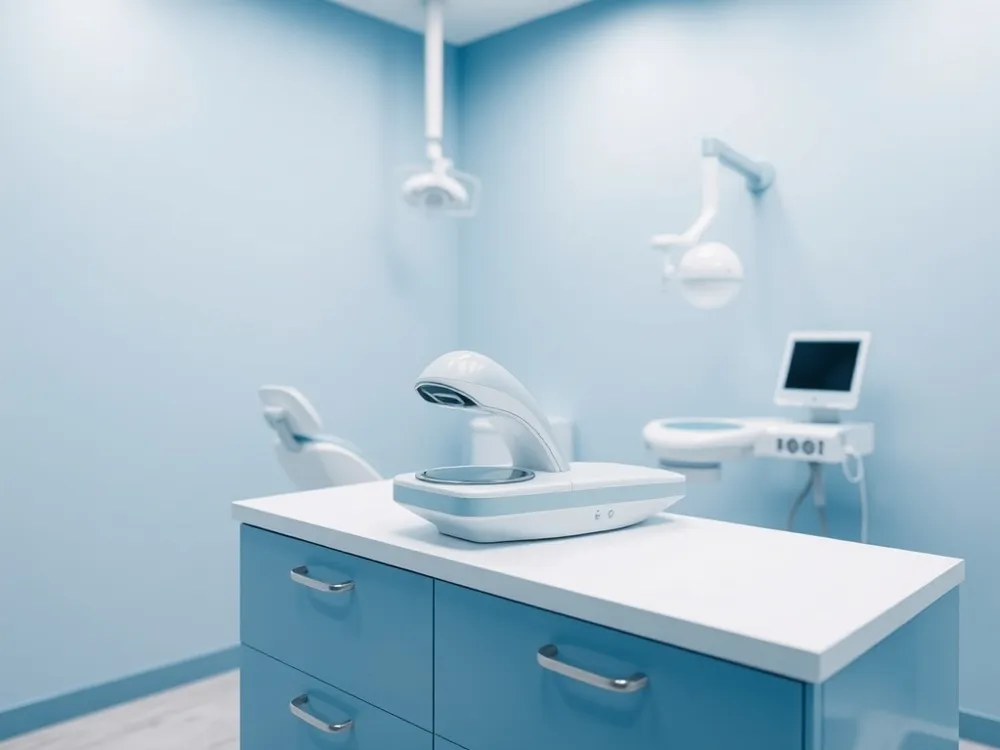
Modern diagnostics are the foundation of conservative care. At Veenstra Family Dental, digital X‑rays use 90% less radiation than traditional film. Intraoral scanners capture precise 3D images in seconds, replacing messy impressions. Laser dentistry reduces bleeding and discomfort during soft‑tissue procedures. Most importantly, Pearl AI analyzes every X‑ray, detecting early cavities at a 73% higher rate than traditional methods alone.
Patient Example: Catching Decay Early, Without Drilling
During a routine exam, Pearl AI flagged a tiny lesion on a molar that would have been missed by the naked eye. The patient chose resin infiltration, a painless procedure completed in 20 minutes with no anesthetic and no drilling. Rather than entering the “death spiral” of repeated fillings and crowns, this tooth stayed strong. Another patient received a same‑day crown designed and milled via CAD/CAM in‑house, returning to work after lunch with a permanent restoration.
Digital Visuals Build Trust and Partnership
Research shows 59% of patients don’t trust a traditional verbal diagnosis. At Veenstra, color‑coded AI scans and digital smile designs let patients see exactly what needs care. This clarity transforms anxious visitors into informed, enthusiastic partners in their own treatment. Patients understand why early, minimal intervention is best—and they often leave scheduling their next preventive visit before they exit the door.
Real Transformations: Patient Journeys at Veenstra Family Dental
What do successful patient journeys with minimal‑invasive care look like?
Patients come to Veenstra Family Dental with a range of concerns—worn teeth from grinding, chronic headaches, or missing front teeth. Importantly, these aesthetic and functional problems are often resolved with minimal‑invasive strategies that preserve natural tooth structure.
For instance, one patient presented with severe tooth wear from bruxism (grinding). Instead of a traditional full mouth reconstruction involving aggressive tooth reduction, Dr. Veenstra performed a bite correction using digital bite analysis and conservative overlay restorations. Within weeks, she could chew comfortably and no longer avoided photos.
Another patient, missing a front tooth, received a single‑visit implant‑supported crown. Using advanced imaging and same‑day technology, the procedure required minimal tissue manipulation, and she left with a full, natural‑looking smile.
How long do minimally invasive restorations last at Veenstra Family Dental?
Long‑term outcomes are very encouraging. Minimally invasive restorations—including composite bonding and crowns—have survival rates of approximately 90% at 10 years when proper care is followed. Veenstra Family Dental’s comprehensive aftercare plans make a difference: custom night guards protect new restorations from grinding, regular hygiene visits catch small issues early, and fluoride treatments help remineralize enamel. This commitment to prevention means the smile patients regain stays strong for years.
| Procedure | Patient Concern | Minimally Invasive Approach | Typical Outcome | Long‑term Care at Veenstra |
|---|---|---|---|---|
| Composite bonding / overlays | Severe wear from bruxism | Digital bite analysis + conservative restorations | Comfortable chewing, restored confidence | Custom night guard, 6‑month hygiene visits |
| Single‑visit implant crown | Missing front tooth | 3D‑guided implant surgery + same‑day crown | Full smile in one day, natural appearance | Gentle cleaning around implant, regular checkups |
| Full mouth reconstruction | Multiple issues (worn/broken teeth, bite problems) | Combination of crowns, bonding, and bite correction | Pain relief, improved function and aesthetics | Ongoing maintenance plan, fluoride treatments |