Prioritizing Your Comfort and Peace of Mind
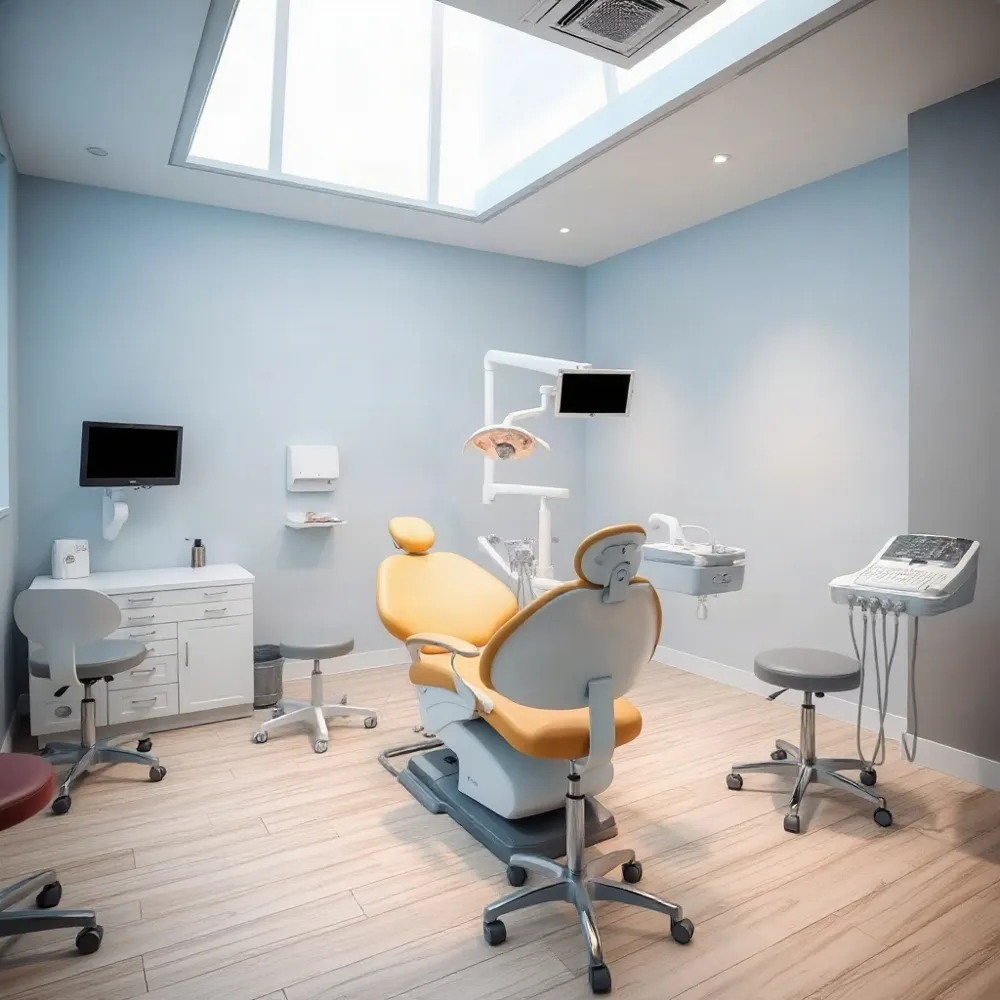
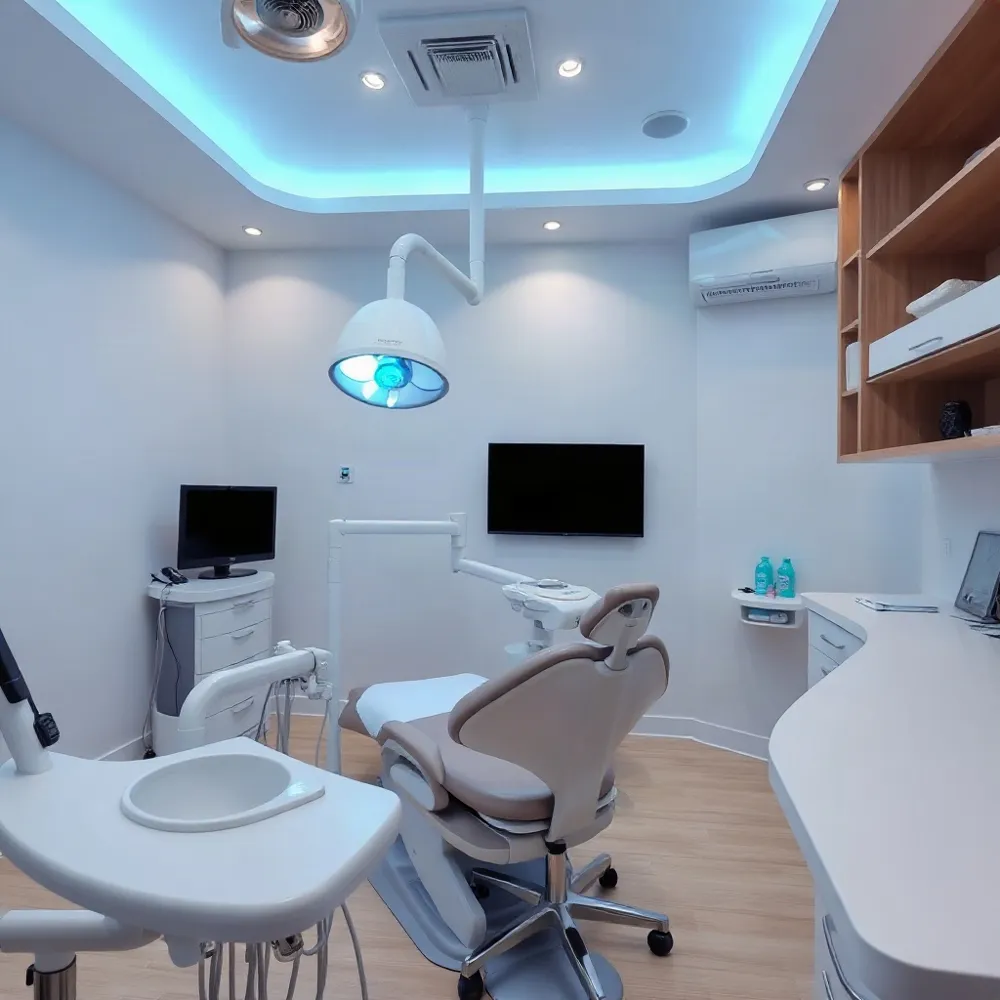
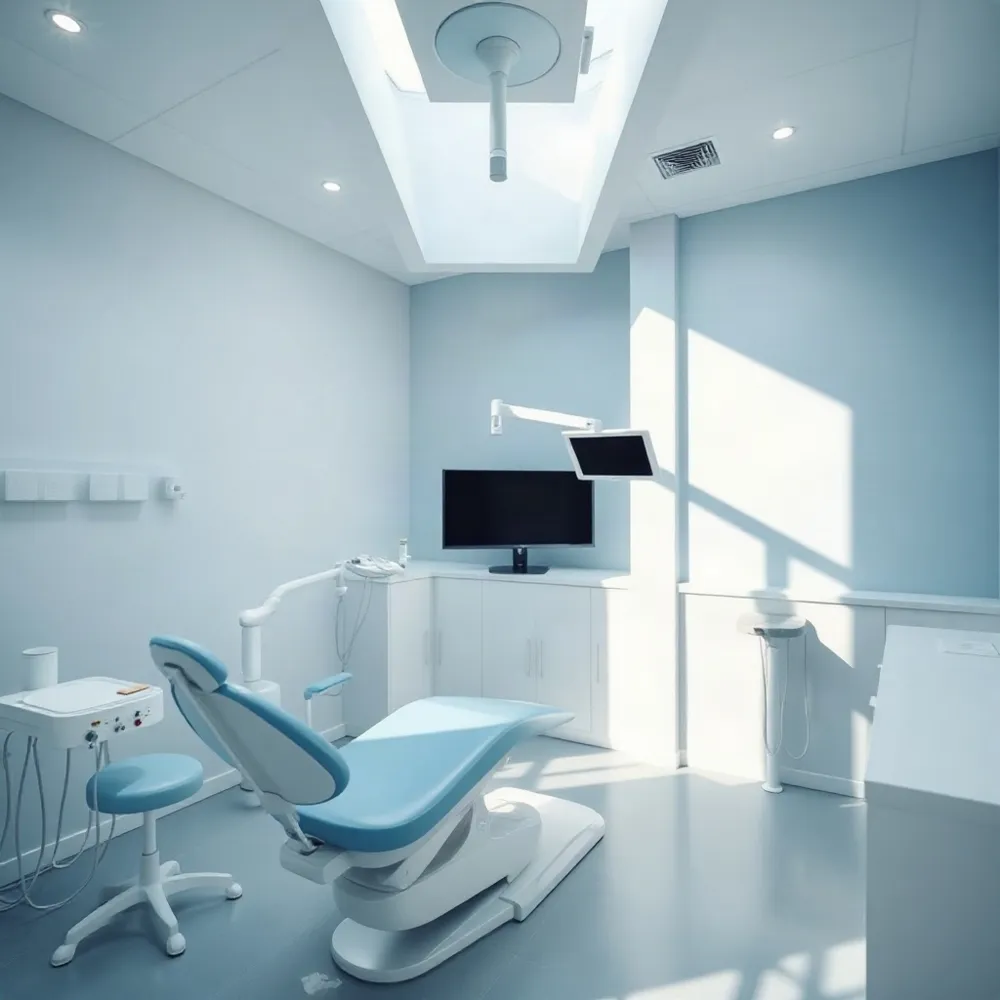
Modern dental care has moved beyond purely clinical work, with practices now placing patient comfort at the center of the experience. Dental anxiety and phobia are common, often leading individuals to delay necessary check-ups. At veenstradental.com, we believe a welcoming atmosphere is vital to long-term health.
Creating a stress-free environment involves more than just design. While some offices remain cold and intimidating, veenstradental.com integrates distraction techniques such as noise-canceling headphones, ceiling-mounted televisions, and comfort amenities like weighted blankets. These tools help lower stress responses by providing a sense of control and relaxation during procedures.
Compassionate care is built on active listening and open communication. Per 5 tips to reduce anxiety and stress in dentists, patients during their visit, building trust allows dental teams to anticipate specific needs, such as using DentalVibe for pain mitigation. By choosing a practice that prioritizes both professional expertise and your personal peace of mind, you can transform dental visits from sources of fear into routine, manageable steps toward better health.
Understanding and Addressing Dental Anxiety Triggers
 Dental anxiety in adults often stems from a complex mix of biological factors, such as an ingrained fight-or-flight response, and personal history, including past negative dental experiences or a fear of pain. Many patients also struggle with a perceived loss of control when someone enters their personal space to perform procedures, or they may harbor specific fears regarding anesthesia, gagging, or the sight of blood. These feelings manifest in various ways, ranging from mild apprehension and persistent worry about upcoming appointments to physical symptoms like sweating, heart palpitations, or feeling faint. In more severe cases, individuals may experience overwhelming distress that leads to the avoidance of necessary care entirely.
This avoidance often creates a vicious cycle where missing routine check-ups leads to more significant oral health issues, which in turn require more complex, and potentially more stressful, interventions. Recognizing these triggers is the first step toward overcoming them. At veenstradental.com, our team is committed to providing a compassionate, controlled environment to help you feel comfortable throughout your visit. By prioritizing patient-centered care and open communication, we help dismantle the fear associated with the clinical environment itself.
If you are concerned about your own anxiety levels, note that approximately 30% of the population experiences some level of fear regarding their appointments. We encourage you to discuss these feelings openly with us before your procedure begins. A 2021 study by the ADA Health Policy Institute noted that stress often manifests physically as teeth grinding or clenching, and our staff is specifically trained to recognize these signs. Whether through the use of noise-canceling headphones or by agreeing on specific stop signals, we tailor every interaction to ensure you retain a sense of agency and safety in the chair.
Building Trust and Overcoming Oral Health Shame
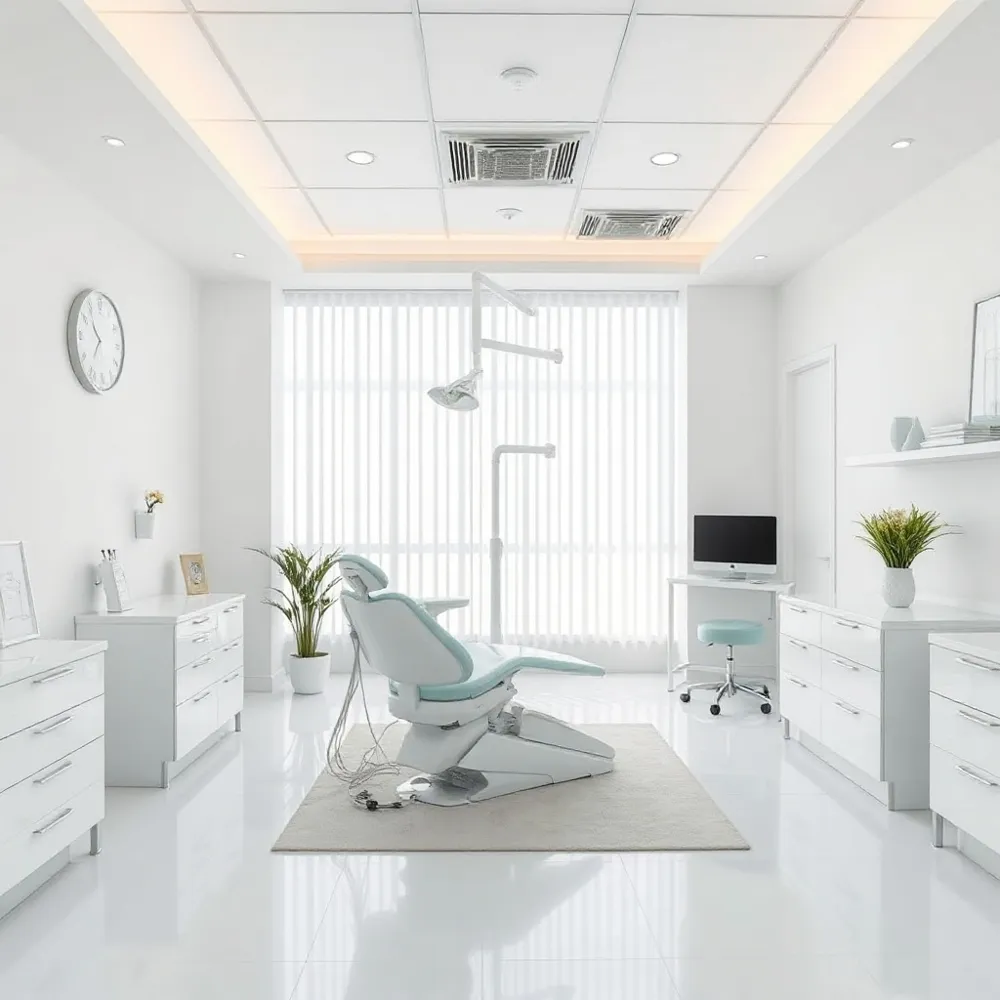 Many patients delay care due to embarrassment about their oral health. It is essential to recognize that dental professionals provide non-judgmental care and encounter diverse conditions daily. At Veenstra Family Dental, we view your visit as a proactive, positive step toward restoring your comfort and confidence, regardless of how long it has been since your last check-up. We prioritize a welcoming atmosphere where your health is the focus, not past challenges.
Open communication is the most effective way to manage anxiety and build professional trust. When you share your concerns with our team, we can tailor your care to match your comfort level. This transparent approach helps demystify procedures and allows you to feel more in control of your treatment. Per Better Health Channel, discussing these feelings is a foundational step in breaking the cycle of avoidance.
How can I manage feelings of embarrassment about my oral health when visiting the dentist?
Focusing on future wellness rather than past trauma is a powerful shift. Our team at Veenstra Family Dental utilizes modern, comfort-first environments to help you feel empowered during your visit. Whether you are coming in for a routine cleaning or a restorative procedure, our staff focuses on creating a supportive experience. As noted by Harvard Health Publishing, clear communication regarding your medical history and personal fears is the best way to receive personalized care.
Practical Techniques for a Relaxing Appointment
 Many patients find that the most effective way to manage dental anxiety is by reclaiming a sense of control over the clinical environment. At our practice, we prioritize this by establishing a clear hand signal, which allows you to pause the procedure at any moment. This simple agreement ensures you never feel trapped, a common fear often identified in Better Health Channel research as a primary driver of dental avoidance.
Beyond active communication, environmental adjustments play a significant role in lowering stress levels. Using noise-canceling headphones to listen to music or audiobooks can block out the clinical sounds that often trigger an ingrained fight-or-flight response. For a truly personal touch, our practice provides amenities such as weighted blankets, which have been shown to help patients achieve a deeper state of physical relaxation.
What practical strategies can make a dental visit more comfortable and less painful?
Modern dentistry offers more than just traditional care. By practicing mindfulness, or non-judgmental awareness during your visit, you can remain present and grounded. Many patients find that deep breathing techniques, specifically focusing on slow, rhythmic inhalations and exhalations, physically lower their heart rate before an injection or procedure begins. University of Alabama at Birmingham highlights these as essential tools for a calmer appointment.
When you choose our practice, you benefit from advanced technology like digital visualization and sedation methods that can be discussed with your dentist. Because consistent preventive care minimizes the need for complex, emergency procedures, these techniques are most effective when applied during routine check-ups. By maintaining this consistent partnership, you can transform dental visits from a source of stress into a manageable, routine part of your wellness journey.
Advanced Sedation Options for Severe Anxiety
For patients whose anxiety levels prevent them from feeling at ease with traditional comfort methods alone, sedation dentistry offers a safe, clinical path to relaxation. At Veenstra Family Dental, we believe that your medical history is the foundation of a safe experience, which is why our team meticulously reviews your health background and any current medications before recommending a specific sedation approach.
Are there medications available to help manage severe dental anxiety?
Yes, there are several effective medications and sedation options available to help patients manage severe dental anxiety. Dentists commonly utilize oral conscious sedation, which involves taking a prescribed anti-anxiety medication, such as a benzodiazepine, approximately an hour before your procedure to induce deep relaxation. Other options include nitrous oxide, a calming gas inhaled during treatment, or intravenous (IV) sedation for a deeper level of relaxation. These modern techniques ensure you remain comfortable and stress-free throughout your visit while staying awake and responsive. We encourage you to discuss your specific medical history and comfort needs with your dental provider to determine the safest, most effective approach for your care.
- Nitrous oxide: Often called laughing gas, this inhaled sedative acts quickly to provide light relaxation and dissipates shortly after the mask is removed.
- Oral sedation: A pill-based approach taken before the appointment that facilitates a state of deep, calm relaxation while maintaining your ability to communicate.
- IV sedation: A more intensive, regulated method that delivers anti-anxiety medication directly into the bloodstream for precise control during complex procedures.
While these options provide significant relief, many patients find that building trust through consistent, low-stress appointments eventually helps them manage their fear with less reliance on medication. Our advanced sedation options are designed to bridge the gap between avoiding necessary care and achieving long-term oral health, ensuring you remain fully responsive and safe from start to finish.
Consistent Preventive Care and Dental Hygiene Guidelines
Maintaining a healthy smile relies on consistency. Regular dental visits for cleanings and examinations allow for the early detection of issues, which often prevents the need for invasive treatments later. At veenstradental.com, your personalized care plan emphasizes routine check-ups to catch concerns before they escalate, supporting proactive management for long-term oral health.
What are the common rules often cited regarding dental hygiene, such as the 3-3-3 rule or the 80/20 rule?
While there is no single standardized global rule for dental hygiene, professionals often use helpful mnemonics to encourage consistent daily habits. The 3-3-3 rule is commonly cited as a guide to brush three times a day, for three minutes each time, and either wait 30 minutes after eating before brushing or avoid food for three hours before bedtime to limit acid exposure. Meanwhile, the 80-20 rule in dentistry often refers to the Pareto Principle, suggesting that consistent preventive care, such as routine check-ups and proper daily hygiene, is the relatively small effort that prevents the vast majority of complex dental issues. Other variations of these guidelines may also include replacing your toothbrush every three months to ensure optimal cleaning. Ultimately, because every smile is unique, the most effective approach is to follow a personalized care plan tailored to your specific oral health needs by your dental professional.
Establishing a Foundation with the Rule of 7
Early intervention is essential for pediatric health. The Rule of 7 suggests that children should have their first dental visit by the age of 7 to facilitate early detection of orthodontic concerns and cavities. Building a positive relationship with a dentist early on helps children avoid the fear that often affects adults. At veenstradental.com, our team tailors each child's visit to their individual comfort level, creating a welcoming environment that makes these early encounters comfortable and educational, and helping your child develop habits that last a lifetime.
Your Partner in Long-Term Oral Wellness
Modern dental care at Veenstra Family Dental balances technical precision with a truly compassionate approach. By integrating digital X-rays and other innovative methods for ensuring patient comfort, we create a space where your oral health is managed without the intimidation of traditional practices. This commitment to a welcoming environment ensures that every age group receives gentle, effective care.
Overcoming the cycle of dental anxiety starts with a simple conversation. Our team is dedicated to listening to your specific needs, whether you are seeking routine preventive care or addressing long-standing concerns. We invite you to schedule a consultation at veenstradental.com to experience a supportive, patient-first approach to your lifelong smile.