A Five-Minute Exam That Can Save Your Life
Patients often have questions about what an oral cancer screening involves, who should get one, and whether it's worth the time. Here are answers to some of the most common concerns.
Is the screening painful?
No. The screening is completely painless. Your dentist or hygienist will examine your mouth, tongue, throat, and neck using a gloved finger, a mirror, and a light. You won't feel any discomfort, and the entire process usually takes just a few minutes during a routine check-up.
Do I need one if I don't smoke or drink?
Yes. While smoking and heavy alcohol use are major risk factors, about 25% of oral cancer cases occur in people who don't smoke and have no other known risk factors. That's why regular screening is recommended for everyone, regardless of lifestyle habits.
What happens if you find something suspicious?
If your dentist spots an area that looks unusual, they may recommend a short follow-up visit to monitor it, perform a brush biopsy, or refer you to a specialist for a more detailed examination. Most suspicious areas turn out to be benign, so try not to panic. Early detection dramatically improves outcomes, which is why early oral cancer screenings matter.
How often should I be screened?
For most people, an annual screening during your regular dental check-up is sufficient. If you have a history of oral cancer, or you use tobacco or alcohol heavily, your dentist may recommend screening more frequently. Regular visits every six months allow your dentist to catch changes early, as outlined in this guide to preventive dentistry.
Is screening covered by insurance?
Most dental insurance plans cover oral cancer screening as part of your routine preventive exam, so you typically won't have to pay extra. Check with your provider to confirm your specific coverage. At Veenstra Family Dental, we'll help you understand your benefits and ensure you receive the care you need.
What Exactly Is an Oral Cancer Screening?
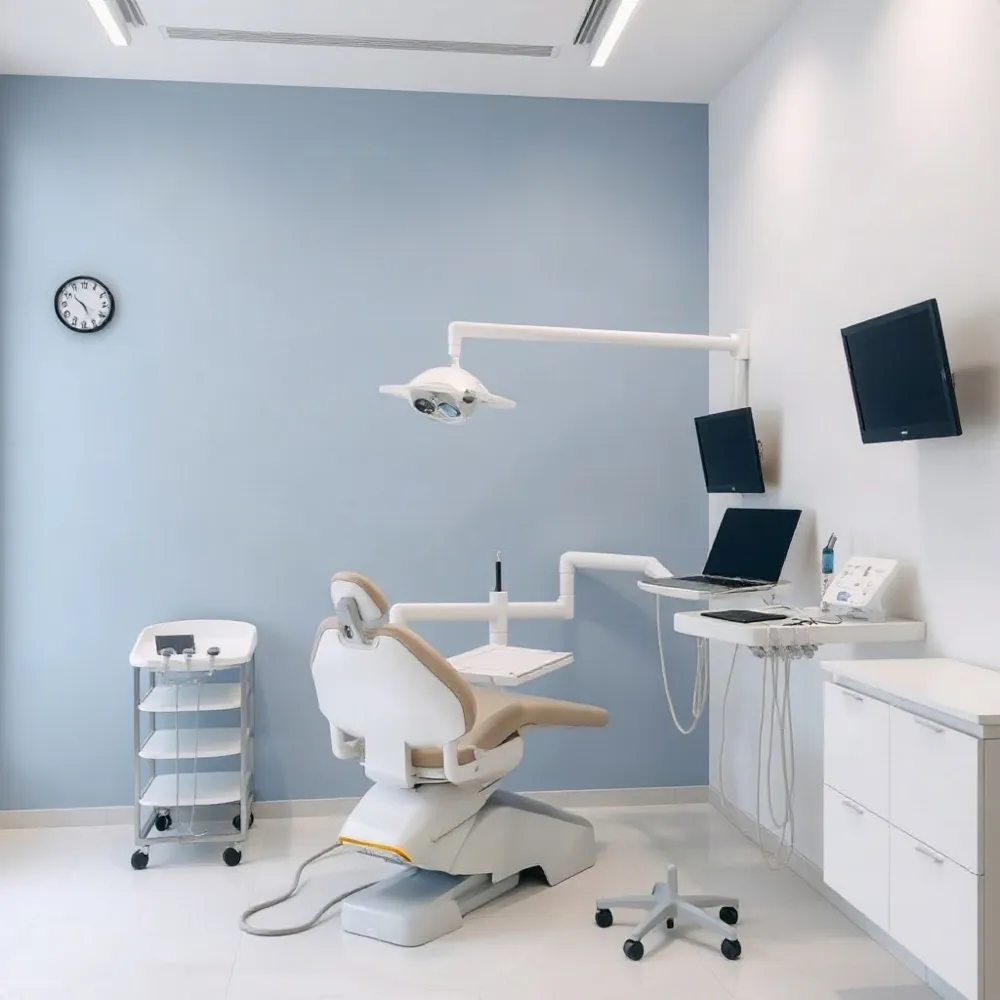 An oral cancer screening is a quick, painless examination your dentist performs to look for signs of cancer or precancerous conditions in your mouth. During the screening, your dentist checks your lips, tongue, gums, the roof of your mouth, and the back of your throat for unusual red or white patches, sores, or lumps. The goal is to identify suspicious tissue early, when treatment is most effective and the chances of a full recovery are highest. Mayo Clinic describes oral cancer screening as a routine part of a dental visit designed to detect problems before they cause symptoms.
Screening is not a diagnostic test. If your dentist spots something that looks abnormal, the next step is usually a more thorough examination or a biopsy to determine whether the tissue is benign, precancerous, or cancerous. As the National Institutes of Health explains in its review of oral cancer screening, most oral cancers are preceded by detectable changes in the mouth, which makes visual and tactile examination a powerful tool for early intervention. This is why professional organizations encourage regular screenings, especially for adults over 40 and anyone who uses tobacco or drinks alcohol heavily.
Why Screening Is Routine, Not Reactive
Oral cancer often develops without obvious pain in its early stages, which is why many people are unaware anything is wrong until the disease has advanced. The Cleveland Clinic notes that oral cancer screening is a standard preventive measure that allows dentists to catch abnormalities during regular checkups, rather than waiting for symptoms to appear. By the time a patient notices a persistent sore or difficulty swallowing, the cancer may already be at a later stage, when treatment becomes more aggressive and survival rates drop.
Making screening a routine part of every dental visit means the examination happens regularly, even when you feel perfectly fine. At Veenstra Dental in Midland Park, NJ, we incorporate oral cancer screening into your standard checkup so that early detection becomes a habit, not an afterthought. The [Oral Cancer Foundation emphasizes that routine screenings are the most effective way to find oral cancer early](https://oralcancerfoundation.org/dental/why-screening-works/), when the five-year survival rate can exceed 80% with prompt treatment.
What the Exam Includes
The screening itself takes only a few minutes and involves no discomfort. Your dentist will visually inspect your entire mouth, including areas that are hard to see, and gently feel your jaw, neck, and the floor of your mouth for lumps or enlarged lymph nodes. As described in the NIH's overview of oral cancer screening, the provider also examines the back of your throat and the sides of your tongue, where cancers are most likely to develop undetected.
Some practices use additional tools, such as special lights or rinses, to help highlight abnormal tissue. These aids are not essential for every patient, but they can improve the accuracy of the exam, particularly for early lesions that are not yet visible to the naked eye. The key point is that a screening is a low-effort, high-reward part of preventive dentistry, as the Cleveland Clinic's guide to oral cancer screening confirms.
How Often Should You Be Screened?
Most dental professionals recommend an oral cancer screening once a year as part of your regular checkup, though your dentist may suggest more frequent exams if you have certain risk factors. These include tobacco use, heavy alcohol consumption, a history of oral cancer, HPV infection, or a weakened immune system. The Mayo Clinic advises that people with these risk factors talk to their dentist about how often they should be screened.
Even if you have no risk factors, routine screening is still important. Oral cancer can occur in people who have never smoked or drunk heavily, and the disease is becoming more common among younger adults due to HPV. Regular exams ensure that if a problem does develop, it is caught at the earliest possible stage, which dramatically improves the chances of successful treatment.
| Screening Element | What the Dentist Checks | Why It Matters |
|---|---|---|
| Visual exam | Lips, tongue, gums, roof of mouth, throat | Detects red or white patches, sores, or lesions |
| Tactile exam | Jaw, neck, floor of mouth, lymph nodes | Finds lumps or swelling that may indicate spread |
| Additional aids (optional) | Special lights or rinses | Highlights subtle tissue changes for earlier detection |
| Risk assessment | Your history and habits | Determines how often you need screening |
Why Dentists Are Better Positioned Than Anyone Else
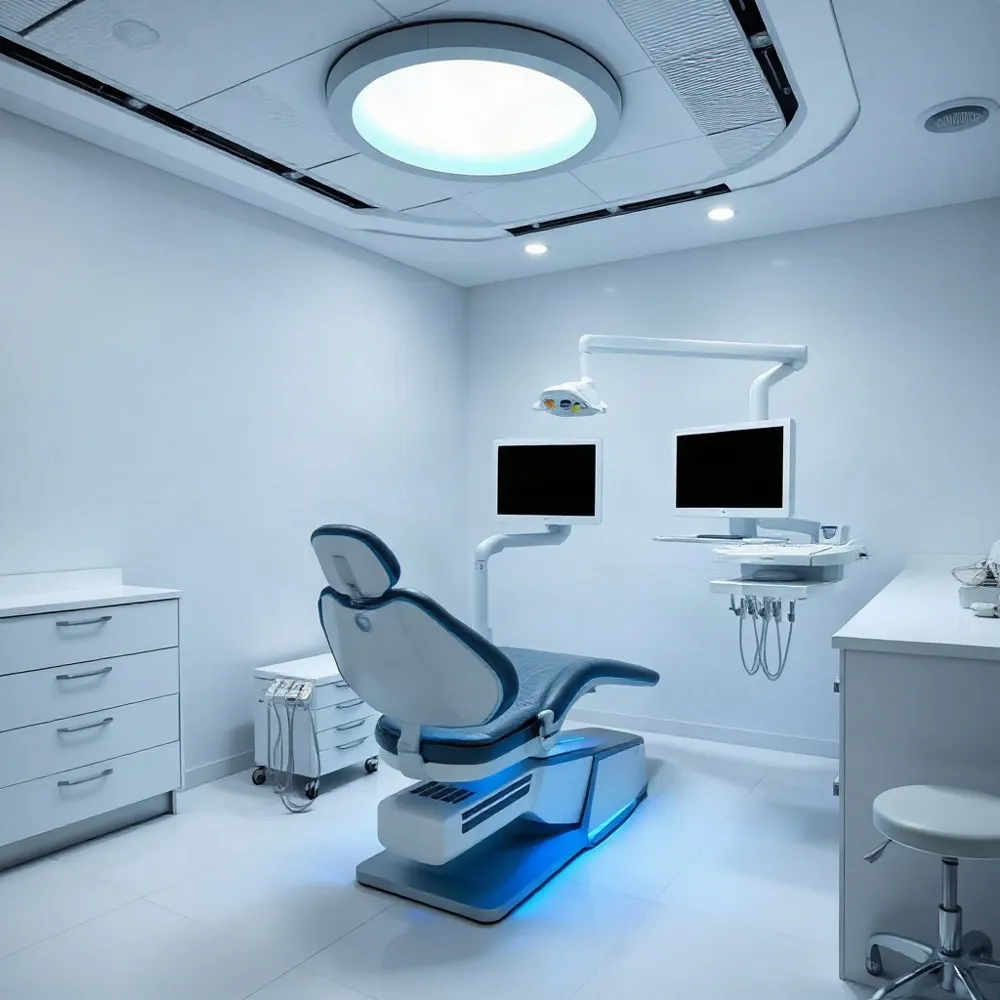 When it comes to spotting the early warning signs of oral cancer, the person in the dental chair has a distinct advantage. The dental setting offers ample lighting, a bird's-eye view of the mouth, and a professional trained to notice even subtle changes in oral tissues. This combination makes routine screenings far more effective at catching suspicious lesions before they become serious. As part of your regular check-up, an oral cancer screening is quick, painless, and could save your life.
General physicians and other healthcare providers often have limited time and equipment to perform a thorough intraoral and extraoral exam. Dentists, on the other hand, are positioned to examine the entire oral cavity in detail during every visit. This is why the Mayo Clinic emphasizes that oral cancer screening is a routine part of dental care, allowing for early detection when treatment is most effective.
The Dentist's Unique Perspective
Unlike other healthcare providers, dentists spend years mastering the anatomy of the mouth, tongue, and throat. They are trained to distinguish between benign conditions and potentially malignant ones, a skill refined through clinical experience. This expertise, combined with the natural advantage of the dental chair's positioning and lighting, means that dentists are often the first to detect abnormalities. A study published in Oral Cancer Screening: Past, Present, and Future notes that oral cancer screenings have a significant impact on improving survival rates when lesions are found early.
How Screening Complements Routine Care
During a routine dental exam, the dentist doesn't just look for cavities; they also check for signs of oral cancer. This includes feeling the lymph nodes, examining the tongue and soft tissues, and looking for red or white patches. The oral cancer screening protocol involves a systematic approach that can be easily integrated into your regular visit. Because dentists see patients regularly, they can monitor any changes over time, providing an extra layer of protection.
The American Dental Association recommends that adults receive an oral cancer screening at least once a year. At our practice, we make this a standard part of your check-up, ensuring you receive comprehensive care that goes beyond just checking for cavities. Early detection not only improves treatment outcomes but also offers peace of mind, knowing that your oral health is being monitored by someone who truly understands the risks.
| Screening Aspect | Dental Setting | Why It Matters |
|---|---|---|
| Lighting | Direct and focused | Reveals subtle color and texture changes |
| Visualization | Full access to all oral tissues | Enables thorough examination of every surface |
| Training | Specialized in oral pathology | Distinguishes benign from malignant lesions |
| Regularity | Visits every six months | Allows for tracking changes over time |
This focused attention is something most other healthcare providers simply cannot match. While a physician may glance at the mouth during a physical, the dentist's entire workflow is centered on the oral cavity. This is why early oral cancer screenings are considered routine, not reactive. By choosing a dentist for your screening, you're not just getting a check-up; you're investing in a lifetime of proactive health management.
Screen Everyone with Equal Rigor, Not Just High-Risk Patients
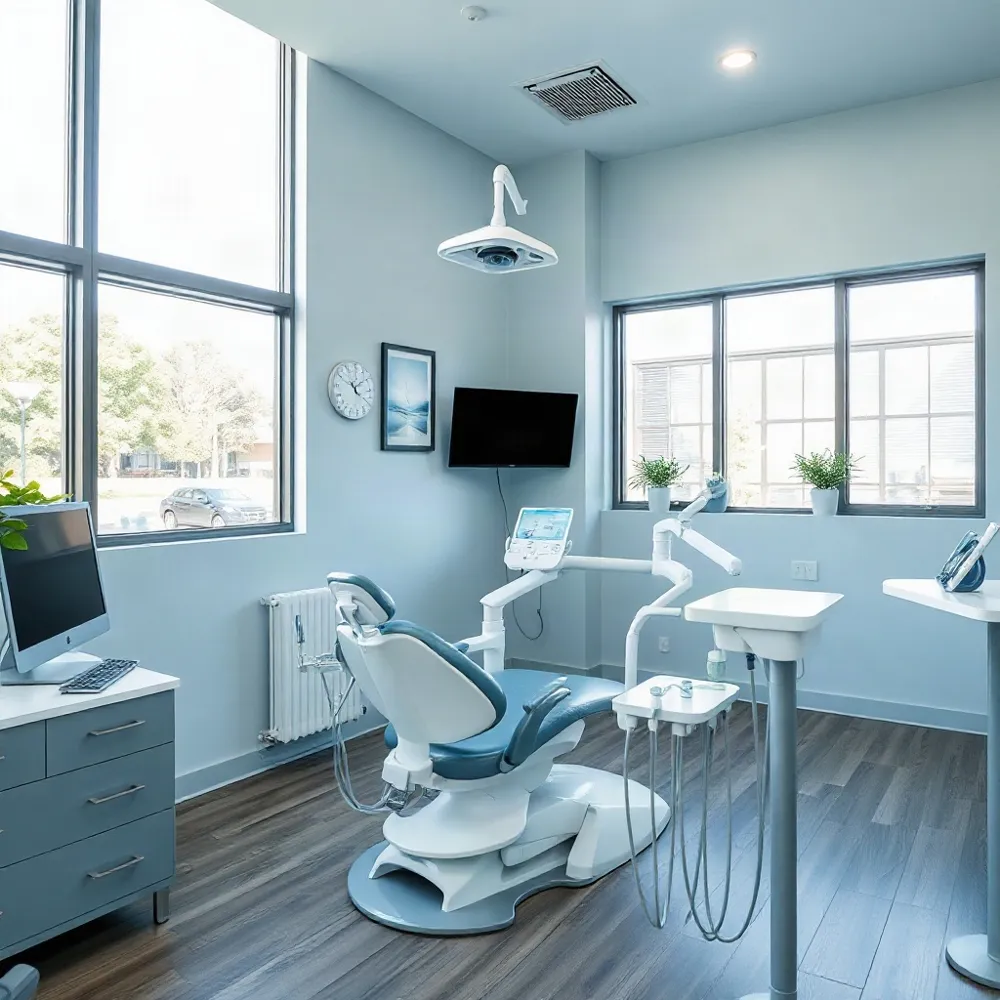 An oral cancer screening is a quick, painless examination that your dentist performs during a routine checkup. Its purpose is to look for signs of cancer or precancerous conditions in your mouth. The American Cancer Society reports that oral cancer is most often found in people over the age of 40, but the Mayo Clinic notes that anyone can be affected, even those without any known risk factors.
During the screening, your dentist examines your entire oral cavity, including the lips, gums, tongue, and the back of your throat. The process is non-invasive and involves visual and tactile inspection. According to the Cleveland Clinic, your dentist may also use a special light or dye to help identify abnormal cells that are not visible to the naked eye.
Why Early Detection Matters
When oral cancer is found early, the five-year survival rate is about 85%. However, if it is not detected until later stages, that rate drops dramatically. The Oral Cancer Foundation emphasizes that regular screenings are vital because they can catch precancerous lesions when they are most treatable.
- Visual exam: The dentist looks for sores, red or white patches, and other abnormalities.
- Tactile exam: The dentist feels the tissues in your mouth and throat for lumps or irregularities.
- Advanced tools: Some practices use fluorescence or other imaging devices to enhance visibility.
At Veenstra Dental, we incorporate oral cancer screening into every routine checkup, not just for patients with obvious risk factors. This aligns with the principle that oral cancer can affect anyone, as highlighted by PMC research. Our approach ensures that every patient receives the same level of vigilance, regardless of their age or lifestyle.
What Happens If Your Dentist Finds Something Suspicious?
A screening is not a test you need to prepare for. You simply sit back in the chair while your dentist looks and feels for anything unusual inside your mouth. The entire process usually takes just a few minutes and is completely painless. The dentist examines your lips, cheeks, tongue, the floor and roof of your mouth, and the back of your throat, using a gloved hand to feel for lumps or tender spots and a small mirror to see areas that are hard to reach. Some practices, including Veenstra Family Dental in Midland Park, NJ, may also use a special light that helps highlight abnormal tissue that might not be visible to the naked eye.
Because the exam is quick and non-invasive, it fits naturally into a routine checkup. The Oral Cancer Screening: What To Expect guide from Cleveland Clinic walks through each step so you know exactly what happens. If your dentist spots a suspicious area, the next step is usually a referral for a biopsy, where a small sample of tissue is sent to a lab for analysis. Most findings turn out to be benign, but catching a potential problem early gives you the best chance of successful treatment.
How Often Should You Be Screened?
For most people, an oral cancer screening once a year is enough. The Mayo Clinic notes that annual exams are a routine part of dental care for adults. However, your individual risk factors may change that recommendation. If you use tobacco, drink alcohol heavily, have a history of oral cancer, or carry the human papillomavirus (HPV), your dentist may suggest screenings more frequently, sometimes at every visit. People over 40 and men are also at higher risk and may benefit from a more frequent schedule.
The key is to treat screening as a habit, not a one-time event. Regular exams mean your dentist can learn what looks normal for you and spot subtle changes early. A review of screening methods published in the Journal of the National Cancer Institute emphasizes that repeated, consistent screening is what improves outcomes. This is why oral cancer screenings at Veenstra Family Dental are built into your regular checkup rather than treated as an add-on.
Do It for the Ones Who Depend on You
The most compelling reason to schedule a screening is the people who count on you. When oral cancer is found early, the five-year survival rate jumps to 80 to 90 percent. That is the difference between a quick, localized treatment and a much more difficult fight. No one wants to be in the position of wishing they had caught it sooner. A five-minute exam at your next dental visit is one of the simplest ways to protect your health, and your family's peace of mind, for years to come.
| Risk Factor | Recommended Screening Frequency | Why It Matters |
|---|---|---|
| Low risk, no symptoms | Once a year | Catches early changes before symptoms appear |
| Tobacco or heavy alcohol use | Every 6 months or at each visit | Significantly higher risk of developing lesions |
| History of oral cancer | Every 3 to 6 months | Higher chance of recurrence or new primary tumors |
| HPV-positive or immunocompromised | Every 3 to 6 months | HPV is linked to oropharyngeal cancers |
The 3-Finger Test and Other Self-Screening Tips
Most people assume a dental checkup is about cavities and gum health, but the same visit includes a quick, painless screening for oral cancer. During the exam, your dentist in Midland Park, NJ, looks for red or white patches, sores that won't heal, and lumps or rough spots in the mouth and throat. These changes can be early warning signs, and finding them early dramatically improves treatment outcomes.
The screening relies on a combination of visual inspection and physical palpation. Your dentist uses a mirror to examine the lips, cheeks, tongue, gums, the roof and floor of the mouth, and the back of the throat, then gently feels the jaw and neck for enlarged lymph nodes or other irregularities. As the Oral Cancer Foundation explains, this process is designed to catch lesions that patients cannot see or feel on their own.
What the Dentist Looks For
During an oral cancer screening, the provider checks for a specific set of signs: a persistent sore that bleeds easily or doesn't heal, a lump or thickening in the cheek, a white or red patch on the gums or tongue, and difficulty chewing, swallowing, or moving the jaw. Many of these signs are harmless, but the screening's purpose is to spot suspicious areas early enough to refer for further testing.
Visual Exam. The dentist inspects the entire oral cavity, including the sides of the tongue and the back of the throat, under bright light. This step helps identify lesions that might otherwise go unnoticed.
Palpation. Gentle pressure on the jaw, neck, and floor of the mouth helps detect lumps or tissue changes that aren't visible. Palpation complements the visual check by feeling for abnormalities beneath the surface.
Advanced Adjuncts and Early Detection
Some practices use additional tools, such as rinsing with a blue dye or using a special light to highlight abnormal tissue. These adjuncts can improve visibility, but the American Dental Association notes that conventional visual and tactile examination remains the foundation. The goal isn't to diagnose cancer during the exam—it's to identify anything suspicious that warrants a closer look or a biopsy.
Early detection is the single most important factor in successful treatment. When oral cancer is found at an early, localized stage, the five-year survival rate is approximately 84%, compared to just 39% when it has spread. That's why routine screenings, typically performed during your regular checkup, are so vital. At Veenstra Dental, the screening takes just a few minutes but can have a life-changing impact.
Why Routine Visits Matter
You might not notice early lesions on your own, which is why professional exams are crucial. As part of a preventive dentistry approach, regular checkups ensure that any changes in your oral tissues are caught promptly. Between visits, you can perform a simple self-check at home, including the 3-finger test described in our guide on children's dental health, but nothing replaces a professional's trained eye.
| Screening Step | What It Detects | Why It Matters |
|---|---|---|
| Visual inspection | Red or white patches, sores, asymmetry | Catches visible changes early |
| Palpation | Lumps, swelling, tenderness | Finds hidden tissue abnormalities |
| Adjunct tools | Abnormal tissue highlights | Improves visibility of subtle lesions |
Insurance Coverage and Making Screening a Habit
Most standard dental insurance plans classify oral cancer screening as a routine preventive service, similar to a dental cleaning or an exam. Under the Affordable Care Act, many preventive services are fully covered, and many private dental plans follow suit by covering an oral cancer screening as part of your regular check-up. This is because early detection is far less expensive to treat than late-stage cancer, so insurers have a financial incentive to cover it.
Coverage, however, varies by plan. Some policies include oral cancer screening in the standard preventive package with no out-of-pocket cost, while others may apply a small copay or deductible. The American Dental Association notes that if you visit a dentist in-network, your screening is more likely to be fully covered. If you have a PPO or HMO plan, it's worth checking your summary of benefits to see exactly what your plan includes.
Understanding Your Coverage and Making Screening a Habit
When you schedule your next cleaning at Veenstra Dental, we'll review your insurance benefits and let you know exactly what your oral cancer screening will cost. If you don't have insurance, we offer transparent, upfront pricing and flexible payment options, so cost is never a barrier to this life-saving exam. Oral cancer screening is quick, painless, and takes only a few minutes during your routine visit.
Making oral cancer screening a routine habit is one of the most effective ways to protect your health. As part of your regular preventive dentistry program, the screening helps catch issues early, when treatment is most successful. Many patients don't realize that oral cancer often has no symptoms in its early stages, so a professional exam is essential. Early detection significantly improves survival rates, which is why we recommend it at every check-up.
Not sure if your plan covers the screening? Check with your insurance provider or give our front office a call. We can help you verify your benefits before you come in, so there are no surprises. At Veenstra Dental, we believe that preventive care should be accessible to everyone, and we're committed to making sure you understand your coverage and your options.
Don't Skip Your Next Screening
The American Cancer Society reports that oral cavity and oropharyngeal cancers are diagnosed in roughly 54,000 Americans each year, with thousands dying from the disease annually. Yet when found early, the five-year survival rate can reach 90%. That is why oral cancer screening is not just for people with symptoms, it is for everyone who visits the dentist regularly, regardless of age or risk profile.
While risk factors like tobacco use, heavy alcohol consumption, and HPV infection increase the likelihood of developing oral cancer, roughly 25% of cases occur in people with none of these risk factors. Even non-smokers, non-drinkers, and young adults can develop the disease. This means that routine screening during every dental checkup, as explained by the Mayo Clinic, is a safety net for everyone. At Veenstra Dental, we incorporate an oral cancer screening into each comprehensive exam, so you do not have to remember to ask for it.
Who Is at Higher Risk?
Some individuals face a higher risk due to lifestyle or genetic factors. Tobacco use, including smoking and chewing tobacco, remains the leading cause of oral cancer, while heavy alcohol consumption compounds the risk. Additionally, infection with the human papillomavirus (HPV), particularly HPV-16, is now linked to a growing number of oropharyngeal cancers, especially in younger adults. If any of these apply to you, your dentist may recommend more frequent screenings.
However, risk status should not determine whether you get screened. According to the Oral Cancer Foundation, the goal of routine screening is to catch abnormalities early, before they become life-threatening. Even if you feel perfectly healthy, a visual and tactile exam can reveal subtle changes in the mouth, tongue, and throat that you might not notice yourself.
What to Expect During a Screening at Veenstra Dental
An oral cancer screening at Veenstra Dental is quick, painless, and takes only a few minutes during your routine visit. Your dentist will look for red or white patches, sores that do not heal, and asymmetrical lumps or bumps. They will also feel the tissues in your mouth, jaw, and neck for any unusual masses or tenderness. The Mayo Clinic notes that these screenings are especially important because early-stage oral cancer often has no noticeable symptoms.
Because the exam is painless and non-invasive, there is no reason to delay it. Unlike some medical procedures that require preparation or recovery, an oral cancer screening can be completed in the same visit as your cleaning, making it easy to prioritize. At Veenstra Dental, we use the screening as a routine part of preventive care, just like checking for cavities or gum disease. That way, you get consistent monitoring without extra appointments.
Why Early Detection Matters
The earlier oral cancer is detected, the better the chances of successful treatment. The PMC article on oral cancer screening highlights that survival rates drop dramatically when cancer is discovered at later stages. For example, the five-year survival rate for localized oral cancer is around 84%, but it falls to about 39% when the cancer has spread to distant sites. These numbers underscore why regular screenings, even without symptoms, are so valuable.
At Veenstra Dental, we believe in a proactive approach. Instead of waiting for a sore or lump to appear, we screen every patient at every visit. This aligns with the broader preventive philosophy outlined in our article on preventive dentistry, which emphasizes that catching issues early not only saves lives but also reduces the need for more extensive and costly treatments later.
What About People With No Risk Factors?
It is a common misconception that only smokers and heavy drinkers need oral cancer screenings. In reality, the Oral Cancer Foundation reports that a significant portion of oral cancer cases occur in people with no known risk factors. This is why professional organizations, including the Mayo Clinic, recommend routine screening for all adults, regardless of their lifestyle.
Even if you brush and floss diligently, you cannot always see or feel early-stage lesions. That is why the trained eye of a dentist is so important. At Veenstra Dental, our team is trained to recognize subtle signs that might be overlooked. We also educate our patients about self-exam techniques, but we emphasize that self-checks are not a substitute for professional screenings, as the Cleveland Clinic explains.
How Often Should You Be Screened?
For most patients, an annual oral cancer screening is sufficient. However, if you have a history of oral cancer, use tobacco, or have HPV, your dentist may recommend screenings every six months or even more frequently. The decision is based on your individual risk profile, which is why Veenstra Dental tailors each screening schedule to the patient. We do not use a one-size-fits-all approach, because your oral health is unique.
For patients who are new to oral cancer screening, our oral cancer screening page provides a clear overview of what to expect. It explains that the procedure is fast, painless, and potentially life-saving, and it can be done during a regular checkup. There is no need to schedule a separate appointment or undergo any special preparation.
The Bottom Line
Oral cancer screening is not an optional extra; it is a fundamental part of preventive dental care. Whether you are 25 or 75, a non-smoker or a long-time tobacco user, you deserve the peace of mind that comes with early detection. At Veenstra Dental, we are committed to making screenings routine, comfortable, and thorough. The next time you visit us for a cleaning or checkup, ask about your oral cancer screening. It takes only a few minutes, but it could save your life.
If you are due for a checkup or have concerns about your oral health, we invite you to schedule an appointment at our Midland Park, NJ practice. Our team is here to answer your questions and provide the personalized, compassionate care you deserve.
| Risk Factor | Impact on Screening Frequency | Notes |
|---|---|---|
| Tobacco use | Every 6 months | Leading cause; increases risk significantly |
| Heavy alcohol use | Every 6-12 months | Compounds risk when combined with smoking |
| HPV infection | Every 6 months | Growing cause of oropharyngeal cancer |
| No risk factors | Annually | Still recommended; 25% of cases have no risk factors |
| History of oral cancer | Every 3-6 months | Higher recurrence risk; close monitoring needed |