A New Era of Dental Care
Modern dental technology benefits every generation, from young children facing their first checkup to older adults managing long-term oral health. For pediatric patients, advanced tools like digital X-rays reduce radiation exposure and make imaging faster and more comfortable, easing anxiety during routine visits. For seniors and those with complex needs, technologies such as intraoral cameras and laser dentistry allow for more precise, minimally invasive treatment, which supports quicker recovery and less discomfort. At Veenstra Family Dental, our team combines these modern tools with a personalized, welcoming approach, ensuring each patient receives care tailored to their age and comfort level. Whether you're bringing in a child for their first cleaning or seeking restorative care as an adult, we're equipped to support your family's dental health at every stage. Contact us today to schedule an appointment and experience care that adapts to you.
See More, Diagnose Earlier
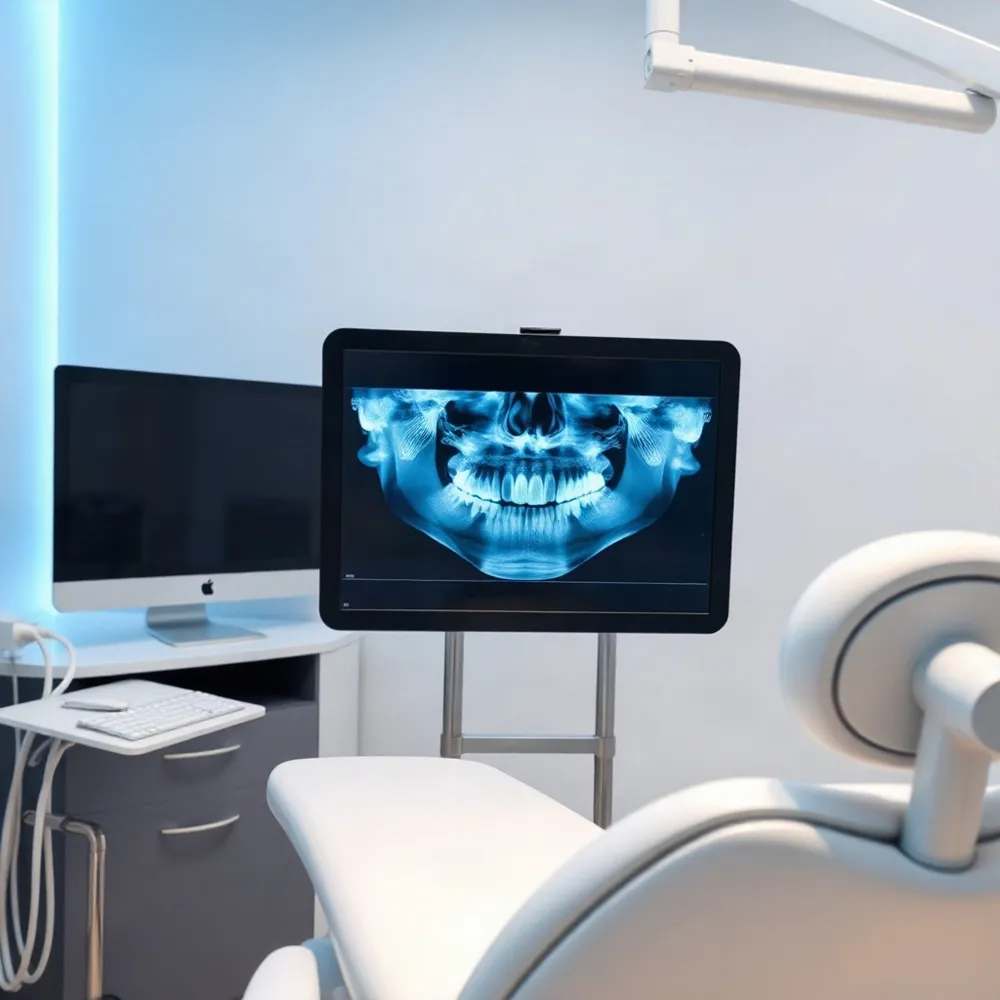 Modern dental imaging has moved well beyond the bitewing films of the past. Digital X-rays deliver instant images with up to 90% less radiation than traditional film, and combined with low-dose 3D cone beam CT, they let your dentist spot problems that would have gone unnoticed until they became painful and expensive. The result is earlier, less invasive treatment and a more comfortable visit for you.
At Veenstra Family Dental, this technology is part of every exam. When you sit in our chair, digital X-rays appear on a screen within seconds, so we can walk you through what we see together. That same day-to-day clarity is why our patients often say they understand their own oral health better than they ever did at a previous practice.
Why 3D imaging changes the diagnosis
A standard 2D X-ray flattens the mouth into a single plane, which can hide infections, impacted teeth, and bone loss. Cone beam CT (CBCT) captures a true 3D view of your teeth, roots, and jaw in one quick scan, giving your dentist the detail needed to plan implants, root canals, and extractions with confidence. Research on the influence of new technology in dental care highlights how advanced imaging supports earlier detection of oral conditions and more predictable treatment outcomes.
Where many practices still rely on film or basic digital sensors, we pair our 3D imaging with a same-day workflow. That means we can often diagnose and begin treatment in a single appointment, rather than sending you to another office for a separate scan and waiting days for results.
| Imaging type | Radiation dose | What it reveals | Typical use |
|---|---|---|---|
| Traditional film | Standard dose | Cavities, basic anatomy | Routine checkups |
| 2D digital X-ray | Up to 90% less than film | Cavities, infection, bone level | Routine checkups, monitoring |
| 3D cone beam CT | Low dose, 3D volume | Roots, nerves, bone density, impacted teeth | Implants, root canals, extractions |
Because we bring this imaging in-house, you also avoid the inconvenience of a separate referral. The scans, the diagnosis, and the treatment plan all happen under one roof, which is exactly the kind of seamless care our patients appreciate.
See What Your Dentist Sees
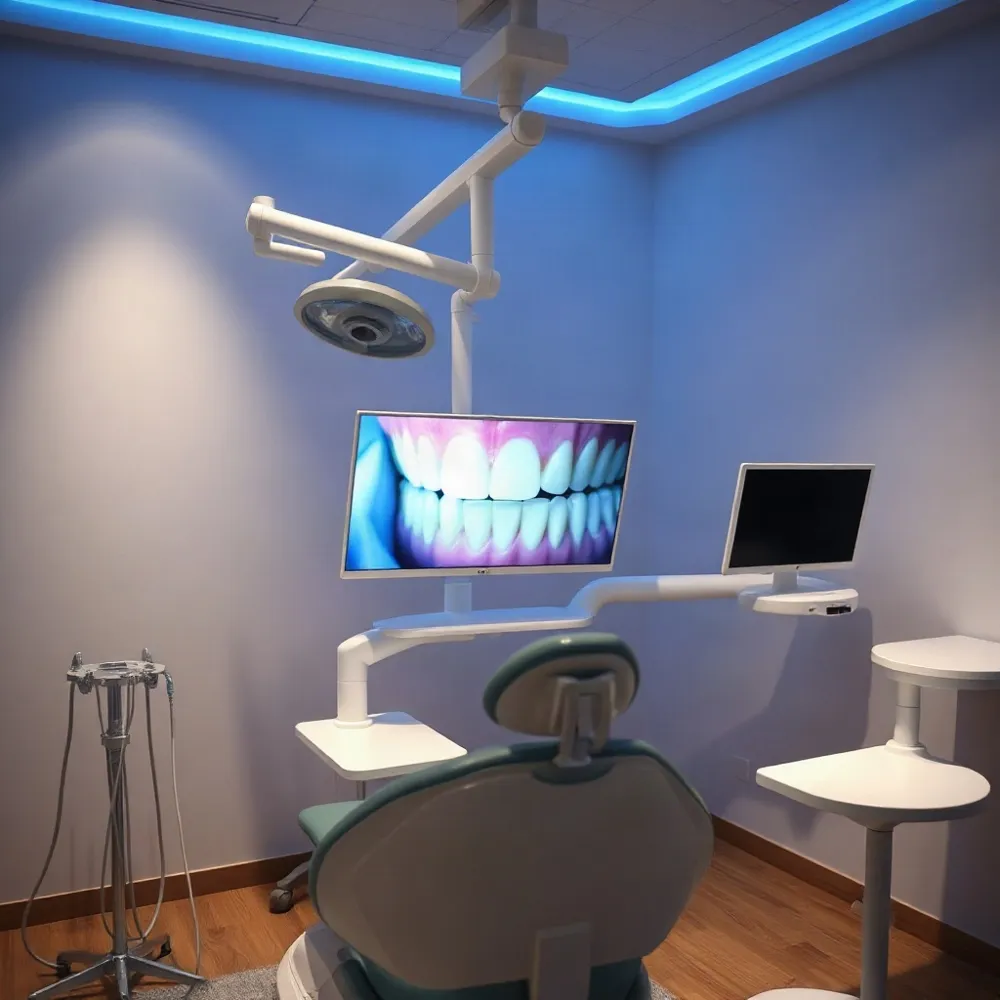 The days of relying solely on a handheld mirror and probing explorer are behind us. Modern dental practices now integrate advanced imaging tools that let both the dentist and the patient see exactly what is happening inside the mouth in real time. Intraoral cameras, for instance, stream live, high-resolution video onto a chairside monitor, turning what was once an abstract explanation into a clear, shared visual. This transparency is more than a convenience; it is a cornerstone of informed, collaborative care.
When patients can see the same magnified view their dentist sees, they understand the why behind each recommendation. Intraoral cameras help demystify conditions like early enamel erosion or hidden cracks, making it easier to discuss treatment options without confusion or distrust. This visual engagement also supports earlier intervention, which often means less invasive procedures and better long-term outcomes for your oral health.
From Diagnosis to Education
Beyond diagnosis, these tools are powerful educational aids. Instead of trying to visualize a problem from a verbal description, patients see it with their own eyes. According to research from the National Institutes of Health, new technology in dental care plays a significant role in improving patient understanding and engagement. When patients grasp the issue firsthand, they are more likely to accept recommended treatments and follow through with preventive care.
| Technology | Primary Benefit | How It Helps Patients |
|---|---|---|
| Intraoral cameras | Real-time visuals | See exact conditions on a chairside screen |
| Digital radiography | Lower radiation | Faster, safer, more detailed X-rays |
| 3D imaging | Precise planning | Accurate views for implants and restorations |
Precision. Advanced imaging allows for earlier detection of decay, gum disease, and other issues, often before they become visible to the naked eye. This precision translates into more conservative, comfortable treatments.
Comfort. Many modern tools are designed with patient comfort in mind. Laser technology, for example, minimizes discomfort and speeds up recovery after procedures, reducing anxiety for patients of all ages.
Engagement. When you can see what the dentist sees, you become an active participant in your care. This engagement builds trust and makes it easier to have open conversations about your treatment plan.
Laser Precision, Faster Healing
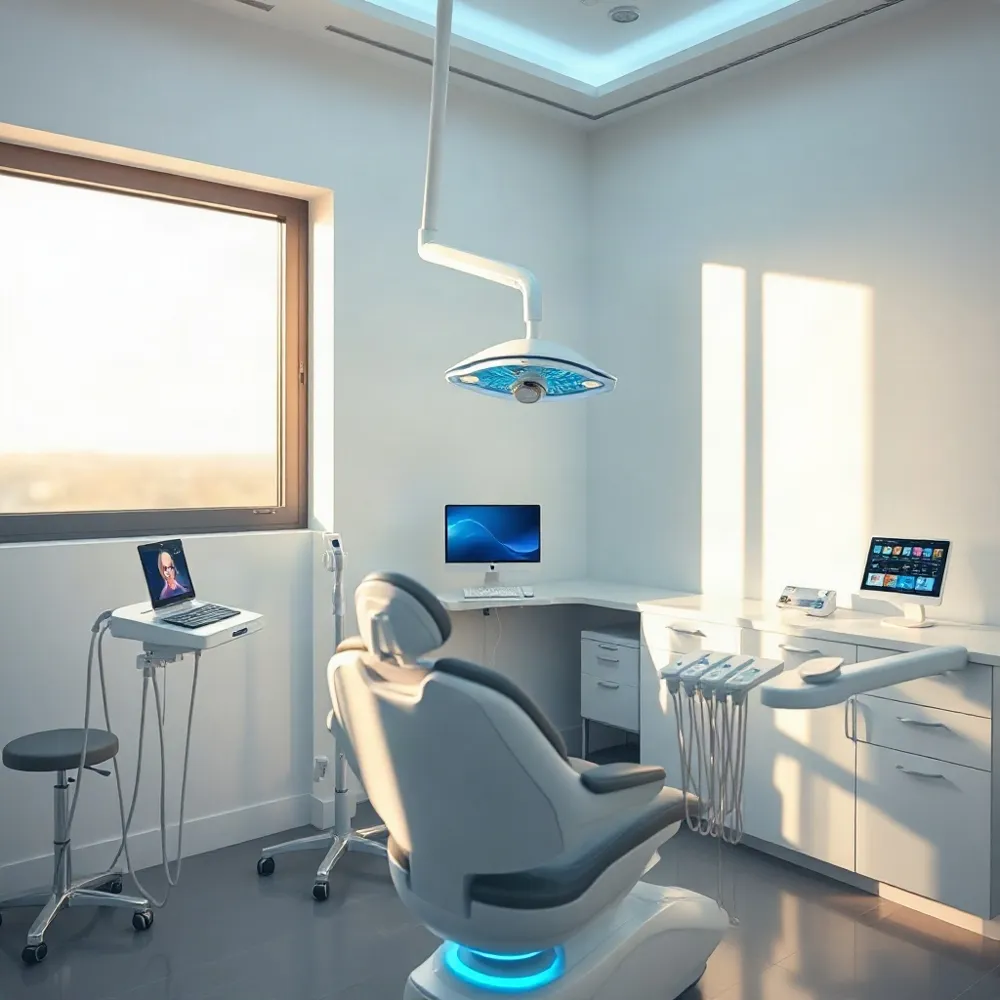 Modern dentistry increasingly relies on technology that makes visits faster, more comfortable, and more predictable. From digital X-rays that expose patients to far less radiation than traditional film to same-day restorations that eliminate the need for multiple appointments, these tools change what a routine checkup feels like. At Veenstra Family Dental, we integrate these systems into every appointment so the care you receive is both precise and gentle by design.
Digital X-ray technology, for instance, reduces radiation exposure significantly while producing highly detailed images that help us spot early decay, bone loss, and other issues before they become visible to the naked eye. This early diagnosis means smaller, less invasive treatments. A public health review of new technology in dental care highlights how digital imaging improves diagnostic accuracy and supports better long-term outcomes for patients.
Laser Dentistry for Gentler Treatment
Soft-tissue lasers are one of the most transformative additions to modern dental practice. They allow us to perform procedures like gum reshaping, frenectomies, and periodontal therapy with less bleeding, swelling, and post-operative discomfort than traditional scalpel techniques. Recovery is often faster, and many patients need little or no anesthesia.
Patients who have experienced laser-based care often describe the difference as immediate. The ability to work in a dry, sterile field improves visibility and precision, which contributes to quicker healing. Our team explains how laser technology supports faster recovery in a recent patient-focused article, and the same principles apply across a wide range of soft-tissue treatments.
For many people, fear of dental pain is the main reason they delay care. Laser dentistry directly addresses that concern by reducing both the discomfort during the procedure and the soreness afterward. This makes it easier for patients of all ages, including children and those with dental anxiety, to stay consistent with their oral health routine.
What Advanced Technology Means for You
Behind every piece of equipment at Veenstra Family Dental is a focus on patient experience. Whether it’s intraoral cameras that let you see what we see, chairside milling that produces a permanent crown in a single visit, or digital impressions that replace messy putty, the goal is the same: more precise care delivered with less friction.
When compared with a traditional practice that relies on older methods, our approach means fewer appointments, less time in the chair, and often less cost over the long term because problems are caught earlier. For example, same-day restorations eliminate the need for temporary crowns and a second visit, while laser therapy can reduce the need for more invasive periodontal surgery.
| Technology | Traditional Approach | Modern Benefit |
|---|---|---|
| Digital X-rays | Higher radiation, film processing | Lower exposure, instant images |
| Soft-tissue lasers | Scalpel, sutures, more bleeding | Less pain, faster healing |
| Intraoral cameras | Patient cannot see the issue | Shared view aids understanding |
| Same-day restorations | Temporary crown, two visits | Permanent crown in one visit |
Not every dental practice invests in this level of technology, and the difference is felt most in the details: the temperature of the room, the clarity of the X-ray, the speed of the crown. When you choose a practice that prioritizes advanced care, you’re choosing fewer visits, less discomfort, and results that last. Contact us to experience the difference modern technology makes in your next appointment.
One Visit, Perfect Crowns
Early detection is the foundation of conservative dentistry. The sooner a problem is found, the smaller the treatment can be, which means less discomfort and lower cost for you. Today's dental practices pair advanced imaging with digital diagnostic tools to catch issues like hidden decay, gum disease, and cracked enamel long before they become visible to the naked eye or cause symptoms.
Intraoral cameras are a central part of this shift. These small, pen-sized devices let your dentist capture high-resolution images of the inside of your mouth and display them on a chairside monitor, so you can see exactly what the clinician sees. You don't need to take the dentist's word for it; you can watch the area of concern together, which improves understanding and helps you make informed decisions about treatment. Studies in public health research have noted how emerging dental technologies support better patient education and earlier intervention.
Intraoral cameras. Handheld wands that provide a magnified, real-time view of teeth and gums, making hidden problems visible to both dentist and patient.
Digital X-rays. Low-radiation sensors that produce instant, high-contrast images, allowing rapid detection of decay between teeth and under existing restorations.
Diagnostic software. AI-assisted analysis that highlights suspected lesions and tracks changes over time, so subtle issues are harder to miss.
At Veenstra Family Dental, we integrate these tools into every routine checkup. When a concern is identified, we can often address it the same day using our in-house technology, such as same-day CAD/CAM restorations, so you leave with a healthy smile rather than a referral and a waiting list. This patient-first approach means you receive a clear picture of your oral health and a practical plan, all in a comfortable, welcoming setting.
| Technology | What It Does | Patient Benefit |
|---|---|---|
| Intraoral cameras | Live, magnified views | See what the dentist sees |
| Digital X-rays | Instant low-radiation images | Faster, safer diagnosis |
| AI diagnostic tools | Automated lesion detection | Fewer missed problems |
Precision Care for Every Smile
Modern dental technology begins with better visibility. Digital imaging tools now let your dentist examine teeth, roots, and bone with far greater clarity than traditional film X-rays, which means issues can be caught in their earliest stages. At Veenstra Family Dental, we pair this high-resolution imaging with a gentle, patient-first approach so that every exam is both thorough and comfortable.
Cone beam computed tomography, often called CBCT, produces 3D views of the entire oral structure in a single scan. This technology gives your dentist a detailed look at tooth roots, nerve pathways, and jawbone density, allowing for more accurate planning of implants, extractions, and other procedures. Research shows that new technology in dental care supports earlier diagnosis and helps improve treatment outcomes for patients.
From Film to Digital: Faster, Safer, Clearer
Digital X-rays reduce radiation exposure by up to 80% compared with traditional film, and the images appear on a screen within seconds. That speed means less time with your mouth open and more time for your dentist to explain what they see. Unlike film, digital images can be enlarged, enhanced, and shared easily, making it simpler to spot small cavities between teeth before they become larger problems.
Intraoral cameras. A small pen-sized camera captures clear, magnified images of your teeth and gums. This lets you see exactly what your dentist sees, turning each visit into a shared decision rather than a series of unexplained steps.
3D imaging. CBCT scans provide a three-dimensional map of your mouth, revealing bone structure and tooth alignment that flat X-rays miss. This precision is especially valuable for planning dental implants and complex restorations.
Laser diagnostics. Laser fluorescence tools can detect early tooth decay that isn't yet visible to the naked eye. This allows for smaller, less invasive fillings and helps preserve more of your natural tooth structure.
Early detection is one of the greatest benefits of advanced imaging. When cavities or gum disease are found early, treatment tends to be simpler, less expensive, and more comfortable. This is a core reason why many patients choose a practice that invests in cutting-edge diagnostic tools. At Veenstra Family Dental, our team combines these technologies with a warm, welcoming environment that puts you at ease from the moment you sit down.
Experience Modern Dentistry Today
Advanced dental technology does more than shorten appointments. It changes the entire experience for patients, from the way a dentist examines your mouth to how quickly you recover after treatment. Tools like intraoral cameras let you see exactly what the dentist sees, turning an abstract explanation into a clear visual that builds trust and understanding.
Laser dentistry is one of the clearest examples. According to Penn Dental Medicine, lasers can reduce bleeding, minimize swelling, and speed up healing compared with traditional methods. For you, that means less discomfort during the procedure and a faster return to normal life afterward.
First Visit With a Comfortable Feel
The first appointment at Veenstra Family Dental starts with a gentle welcome and a thorough look at your oral health. Modern X-rays use up to 90% less radiation than traditional film, according to research in dental care technology, while giving the dentist a detailed view of teeth, roots, and bone. That combination of safety and accuracy sets the tone for the whole visit.
- Intraoral cameras show real‑time images of your teeth on a screen, so you understand exactly what needs attention.
- Digital X‑rays deliver sharper images with less radiation exposure.
- Same‑day restorations let you receive a permanent crown in one visit, instead of waiting weeks with a temporary.
Long‑Term Value in Preventive Care
Preventive visits with advanced tools help catch issues early, when they are easier and less expensive to treat. As one dental technology review explains, digital imaging and laser diagnostics allow dentists to spot problems that might not be visible to the naked eye. For you, that translates into fewer surprises and smaller bills over time.
| Technology | What It Does | Benefit to You |
|---|---|---|
| Intraoral camera | Shows real‑time images of teeth and gums | You see and understand the diagnosis clearly |
| Digital X‑ray | Captures detailed images with low radiation | Safer, faster imaging with sharper results |
| Laser dentistry | Treats gum and soft tissue precisely | Less bleeding, less pain, faster recovery |