
Your Smile, Your Choice: Bonding vs. Veneers
Dental bonding and veneers are two popular cosmetic treatments for repairing chips, gaps, and stains. Bonding uses a tooth-colored composite resin that is shaped and hardened onto the tooth, while veneers are thin shells, often porcelain, bonded to the front surface. For a fuller comparison of the two procedures, you can review the Cosmetic Bonding vs. Veneers: Which Is Right for Minor Imperfections guide.
The main appeal of bonding is its simplicity and affordability. It typically requires little to no enamel removal, making it a conservative option for minor fixes, as explained in the enamel preservation benefits of bonding. Veneers, by contrast, are a more involved procedure that often involves some enamel reduction, but they offer superior durability and stain resistance. Porcelain veneers can last 10 to 20 years with proper care, whereas bonding may need touch-ups sooner. To understand the longevity trade-offs, see this discussion of porcelain laminate veneers.
Choosing between the two often comes down to the condition of your teeth and your aesthetic goals. Bonding can be completed in a single visit and is reversible, making it a low-commitment option. Veneers, while more expensive, provide a more permanent and natural-looking transformation. For those weighing the pros and cons further, options like dental veneers vs. bonding highlight when one might be preferable over the other. Ultimately, a consultation with a dentist can help determine which approach aligns with your needs, and at Veenstra Dental, we offer both treatments to personalize your smile journey.
Understanding Your Cosmetic Options
When you’re weighing porcelain veneers against dental bonding, the right choice often comes down to your specific imperfections and how much natural enamel you want to keep. Dental bonding is a conservative, single-visit option that uses tooth-colored composite resin to repair chips, close gaps, or mask stains. Porcelain veneers, by contrast, are thin custom-made shells that cover the front of the tooth with a more durable, stain-resistant surface. If you’re deciding between the two, a dentist can help you understand which approach aligns with your goals and your smile’s natural structure.
The material matters more than you might think. Composite bonding is resin-based and can be sculpted directly onto the tooth, while veneers are typically crafted from high-grade ceramic that resists chipping and staining better over time. According to a comparison guide from Marion, bonding is less invasive and reversible, but veneers often outlast it in longevity. For a durable, low-maintenance smile, porcelain veneers are the more robust choice; for a quick, affordable fix, bonding offers a practical alternative.
Weighing Cost and Longevity
Cost is often the first thing people weigh. Composite bonding generally costs less upfront, but it may need repair or replacement more frequently than veneers. The pros and cons of porcelain veneers show that while the initial investment is higher, the longevity of 10 to 20 years can make it more economical over time. Bonding, by comparison, typically lasts 3 to 10 years with proper care, making it a more budget-friendly starting point but potentially a more frequent one for touch-ups.
Material. Composite resin for bonding; high-grade ceramic for veneers. Ceramic resists staining and chipping better than composite.
Invasiveness. Bonding is conservative, with little to no enamel removal; veneers require some enamel reduction for a proper fit.
Longevity. Veneers last 10-20 years with good care; bonding typically lasts 3-10 years before needing touch-ups.
Repair. Bonding is easily repaired in a single visit; veneers may require replacement if they chip or crack.
Making the Choice Comfortable
Deciding between bonding and veneers doesn’t have to be stressful. A dentist can assess the condition of your teeth, your bite, and your aesthetic goals to recommend the most suitable option. For minor imperfections like a small chip or a gap, bonding might be the perfect, low-commitment solution. For more extensive restoration or a lasting color change, veneers could be the better investment. The key is to discuss your priorities openly and choose a path that feels right for your smile.
At the end of the day, both procedures can transform your smile, but the right pick depends on your unique situation. If you’re leaning toward bonding for its simplicity, consider how long you want your results to last. If you’re drawn to veneers for their durability, weigh the cost against the years of confidence you’ll gain. Your dentist can walk you through the trade-offs and help you make an informed decision that fits your lifestyle.
| Feature | Dental Bonding | Porcelain Veneers |
|---|---|---|
| Material | Composite resin | High-grade ceramic |
| Enamel removal | Minimal to none | Small amount shaved |
| Typical lifespan | 3-10 years | 10-20 years |
| Cost range | Lower upfront | Higher investment |
| Repair | Simple, same-visit | Often replacement needed |
| Stain resistance | Prone to staining | Highly stain-resistant |
When Bonding Is the Better Fit
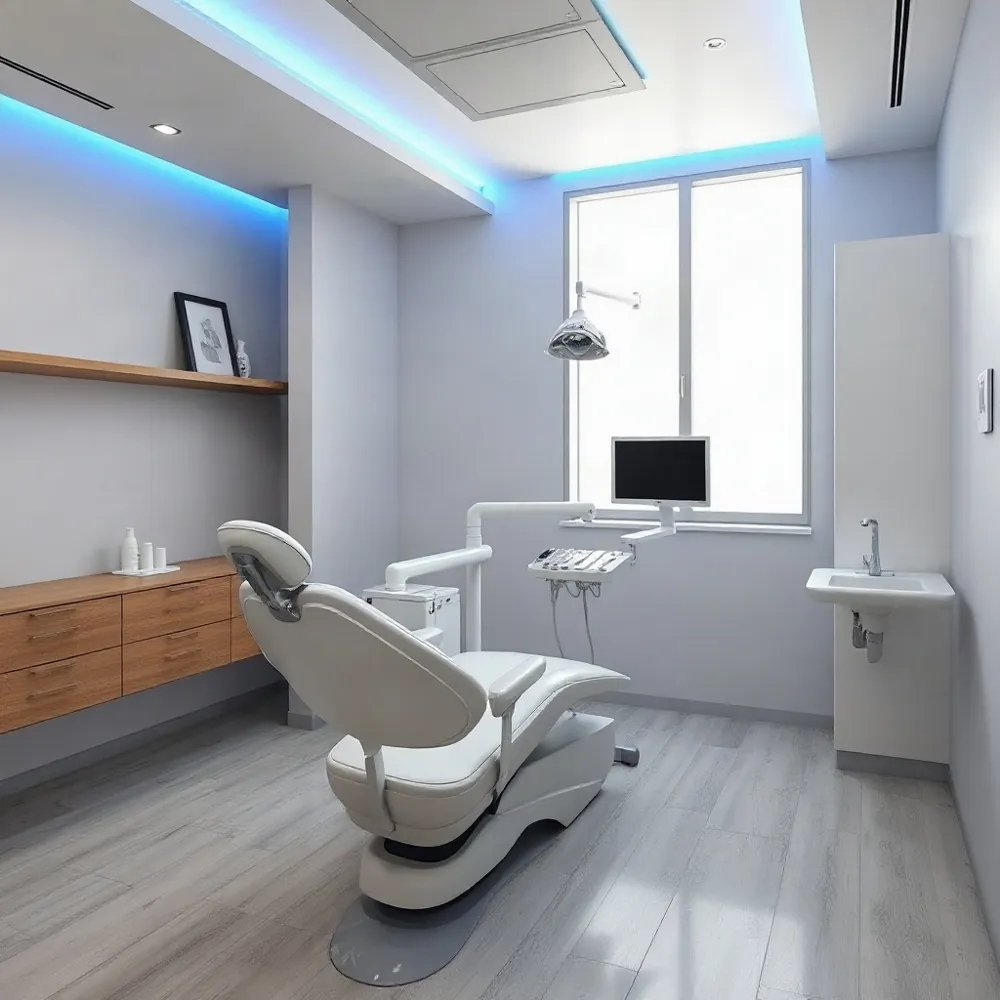 When you are deciding between cosmetic bonding and veneers, the most important step is an honest assessment of what your smile actually needs. Bonding is the better fit when you want to address minor imperfections with minimal prep work and a smaller investment. Veneers, on the other hand, deliver a more dramatic and durable transformation for broader cosmetic concerns. The right choice depends on your specific goals, your budget, and how much time you are willing to spend in the dental chair.
Ideal candidates for dental bonding typically have minor chips, gaps, or stains that do not require extensive reshaping. Bonding is a quick, non-invasive procedure that often takes just a single visit and preserves most of your natural enamel. Since the composite resin is sculpted directly onto the tooth, there is usually little to no drilling involved. This makes bonding an attractive option if you want an affordable, reversible solution and prefer to avoid a more permanent alteration of your smile. Compare this with porcelain veneers, which require removing a thin layer of enamel and typically last 10 to 20 years with proper care, as noted in The Science Behind Porcelain Laminate Veneers.
If your main concern is a quick, budget-friendly fix for a small imperfection, bonding is often the better choice. It works well for closing minor gaps, covering a chipped edge, or masking a stubborn stain without the cost of a full veneer setup. The procedure usually takes under an hour and can be completed in a single appointment, which is a major advantage if you have a busy schedule or an upcoming event. However, bonding is more prone to chipping and staining over time compared to veneers, and the composite material may need touch-ups every few years to maintain its appearance.
Veneers, by contrast, shine when you need a more comprehensive smile makeover. Porcelain veneers are custom-crafted to fit each tooth perfectly and are known for their durability and stain resistance. They are ideal if you have multiple teeth that need attention, more significant damage, or deep discoloration that does not respond to whitening. While the upfront cost is higher and the procedure requires some enamel removal, many patients prefer the long-term results and the natural, polished look that veneers provide. If you are weighing durability against convenience, the decision often comes down to how permanent you want the solution to be.
Comparing Bonding and Veneers: A Practical Overview
To help you visualize the trade-offs, here is a side-by-side comparison of the most important factors to consider when choosing between cosmetic bonding and porcelain veneers.
| Factor | Dental Bonding | Porcelain Veneers |
|---|---|---|
| Procedure time | 30-60 minutes per tooth | 2-3 visits over several weeks |
| Tooth preparation | Minimal to none | Removes durable enamel layer |
| Reversibility | Easily reversible | Permanent |
| Lifespan | 3-10 years | 10-20 years |
| Stain resistance | Prone to staining | Stain-resistant |
| Cost | Lower upfront cost | Higher upfront cost |
| Repairs | Simple touch-ups | Relacement may be needed |
| Ideal for | Minor chips, gaps, stains | Multiple teeth, major damage |
Making the Decision That fits Your Smile
The choice between bonding and veneers is rarely about which one is objectively better, but rather which one is better for your unique smile. If you want a conservative, cost-effective solution and are okay with replacing the material every few years, bonding is an excellent place to start. If you prefer a long-term investment that gives you a flawless, uniform appearance and you are willing to commit to the procedure, porcelain veneers may be the more rewarding path.
At Veenstra Dental, we take the time to understand your goals and examine your teeth before recommending a treatment plan. Whether you are considering minimally invasive bonding or exploring porcelain veneers for chips, gaps, or stains, our team will help you weigh the pros and cons based on your enamel health, your budget, and the look you want to achieve. A thorough consultation is the surest way to make an informed decision that leaves you confident in your smile.
Veneers: A Long-Term Smile Investment
Choosing between dental bonding and porcelain veneers often comes down to one question: are you looking for a quick fix or a long-term investment? Bonding is an excellent, budget-friendly option for minor chips and gaps, but it doesn't match the durability of veneers. Porcelain veneers are custom-made, wafer-thin shells that cover the front surface of your teeth, offering superior stain resistance and a more natural, polished appearance. For patients who want results that can last 10 to 15 years or more with proper care, veneers are the smarter choice.
Beyond longevity, veneers address underlying aesthetic concerns that bonding can't fully correct. If your teeth are discolored in ways that don't respond to whitening, or if you have deep cracks or misalignment, veneers provide a more comprehensive solution. Bonding can chip, stain, and wear down over time, leading to frequent repairs. With veneers, you're not just fixing a single flaw; you're transforming your entire smile with a material that mimics the light-reflecting properties of natural enamel. This is why our team at Veenstra Dental often recommends porcelain veneers for patients seeking lasting, beautiful results.
Durability and Stain Resistance: How Veneers Compare
When it comes to everyday wear and tear, veneers win on nearly every front. Porcelain is highly resistant to staining from coffee, tea, and red wine, whereas bonded resin is more porous and prone to discoloration. A 2025 dental bonding vs. veneers guide notes that while bonding can last around 5 years, porcelain veneers typically last 10 to 15 years with proper maintenance. This durability advantage means fewer dental visits and less long-term cost, making veneers a wiser investment for patients who want a low-maintenance smile.
Bonding. A composite resin that is sculpted onto the tooth. It's less costly upfront but needs more frequent repairs and can stain over time.
Veneers. Thin porcelain shells that are permanently bonded to the front of teeth. They resist staining well and offer superior durability and a more natural look.
For a more detailed breakdown, we recommend reading our cosmetic bonding vs. veneers guide, which covers the visual differences. However, the key takeaway is simple: if you want a stain-resistant, durable smile that looks and feels like natural teeth, veneers are the superior choice.
Comparing Costs and Longevity
 Choosing between dental bonding and porcelain veneers often starts with how much of your natural tooth each procedure removes. Dental bonding is a conservative, minimally invasive option that typically requires little to no enamel removal, making it a reversible choice for minor cosmetic fixes. For more on this approach, see our article on minimally invasive cosmetic bonding techniques.
Porcelain veneers, by contrast, involve removing a thin layer of enamel from the front of the tooth to accommodate the custom-made shell. This makes the procedure irreversible, but it also allows for a more dramatic and durable transformation. The trade-off matters: veneers typically last 10-20 years, while bonding may need repair or replacement every 3-10 years depending on your habits and oral care. For a deeper look at longevity, explore our guide on porcelain laminate veneers and their scientific basis.
Can You Go Back to Normal Teeth?
A common question before any cosmetic dental work is whether the procedure permanently changes your natural teeth. The answer depends entirely on the treatment you choose. With dental bonding, the dentist etches the enamel surface and applies a moldable composite resin that is shaped and polished in place. The tooth structure itself remains intact. Bonding is a reversible option that typically requires little to no removal of natural enamel, which is why it is often described as a minimal-invasive cosmetic approach.
Porcelain veneers, by contrast, usually require shaving down a thin layer of enamel from the front of the tooth to create room for the ceramic shell. That enamel removal is permanent. Once removed, the tooth no longer has its original outer layer, and you will need some form of restoration indefinitely. This is the fundamental trade-off: bonding preserves your natural tooth structure, while veneers deliver superior durability and stain resistance in exchange for a permanent alteration.
What Does Reversible Bonding Actually Mean?
When we say bonding is reversible, we mean the procedure does not permanently modify the tooth. The composite resin bonds to the enamel through an etching and adhesive process, but the enamel itself is not removed. If you ever decide you want a different type of restoration, the bonding material can be carefully drilled away, leaving your natural tooth essentially as it was before treatment. Some patients notice a slight matte appearance or a faint loss of luster on the enamel surface after the resin is removed, but the tooth remains structurally unchanged. This makes cosmetic bonding an appealing option for those who are hesitant about permanent changes.
Veneers, in contrast, are a one-way street. Once your enamel is shaved down for a veneer, you cannot go back to bonding or any other treatment that relies on the original enamel surface. The tooth will always require a restoration to protect it. This is why dentists often recommend bonding first for patients who are unsure about committing to a permanent procedure. It gives you time to live with a cosmetic enhancement before deciding whether veneers are worth the inevitable enamel reduction.
Reversibility, Longevity, and Maintenance in Practice
Reversibility. Bonding requires no permanent enamel removal and can be reversed without lasting damage to the tooth. Veneers require enamel reduction that is permanent, leaving the tooth dependent on a restoration forever.
Longevity. Composite bonding typically lasts 3 to 10 years before needing repair or replacement. Porcelain veneers last much longer, often 10 to 20 years or more, because the ceramic material resists chipping and staining better than resin.
Maintenance. Both options require good oral hygiene and regular dental visits. Bonding stains more easily and may need periodic polishing or repair. Veneers are more stain-resistant but can fail if decay develops at the margin where the veneer meets the tooth.
The longevity difference is one of the main reasons patients choose veneers despite the irreversible enamel removal. High-grade ceramics resist chipping and staining better than composite resin, which means fewer repair appointments over time. However, that durability comes at the cost of permanently altering your natural tooth. Bonding, by comparison, is a more conservative approach that preserves your enamel but may need more frequent touch-ups, especially if you grind your teeth or bite your nails.
Your dentist can help you decide which approach fits your goals and your comfort with permanence. At Veenstra Family Dental, we take time to explain exactly what each procedure involves before you commit. We believe in conservative, ethical treatment that respects your natural teeth. If you are torn between bonding and veneers, we will walk you through the pros and cons and help you choose an option you will feel good about for years to come.
Weighing the Reversibility Trade-Off
| Factor | Dental Bonding | Porcelain Veneers |
|---|---|---|
| Enamel removal | None required | Permanent shaving of enamel |
| Reversible | Yes | No |
| Typical lifespan | 3-10 years | 10-20+ years |
| Stain resistance | Lower, tends to stain | High, resists staining |
| Repair ease | Easy, in-office repair | Difficult, may require replacement |
Caring for Your Smile After Treatment
The care you give your smile after treatment affects how long your results last. Cosmetic bonding needs different daily habits than porcelain veneers, but both respond well to consistent, gentle maintenance. Following a few simple aftercare steps helps protect your investment and keeps your smile looking fresh.
One of the most practical ways to protect both dental bonding and veneers is to treat them with awareness. After the numbness from your appointment fades, chew on the opposite side of your mouth for the first day or two. Over the long term, avoid using your teeth as tools for opening packages or cutting tape. These small choices reduce the risk of chipping or loosening your restoration.
Daily Care for Your New Smile
Brushing twice a day with a soft-bristled toothbrush and using non-abrasive toothpaste keeps the surface of your bonding or veneers smooth and free of plaque. Pay extra attention to the edges where the restoration meets your natural tooth, since that junction is a common spot for decay and staining. Floss gently and thoroughly between teeth, taking care not to snap the floss forcefully against the restoration.
Regular professional cleanings are also part of the equation. Even with excellent home care, plaque hardens into tartar in places you cannot reach on your own. Your dentist can polish away surface stains and check the integrity of your restoration during routine visits. Skipping these appointments shortens the lifespan of both dental bonding and veneers.
Foods and Habits to Limit
While porcelain veneers resist stains better than natural enamel, they are not stain-proof. Dental bonding is more porous and can pick up color from coffee, tea, red wine, and berries over time. Rinsing with water after consuming these beverages and foods, or waiting about 30 minutes before brushing, reduces staining. Try to minimize habits that can chip or fracture your restoration.
Be mindful of hard objects that can damage your smile. Steer clear of chewing on ice, pens, and non-food items. If you grind your teeth at night, ask your dentist about a custom nightguard to protect both your natural teeth and your restorations. Wearing a mouthguard during sports also prevents trauma that could crack a veneer or chip your bonding.
Longevity Expectations and Repairs
Both treatments require occasional maintenance, but the timelines differ noticeably. Composite bonding typically needs repair or replacement every 3 to 10 years, while porcelain veneers generally last 10 to 15 years with proper care. Minor chips or staining can often be addressed with a simple polish or a small addition of composite resin, saving you from a full replacement.
If you notice a rough edge, a visible chip, or any discomfort around your restoration, schedule a checkup promptly. Early intervention prevents more extensive damage and keeps your smile looking seamless. Your dentist can smooth a sharp spot or rebond a loose veneer before the problem worsens.
| Aftercare Factor | Dental Bonding | Porcelain Veneers |
|---|---|---|
| Typical lifespan | 3 to 10 years | 10 to 15 years |
| Stain resistance | Moderate | High |
| Repair difficulty | Easy, often in-office | May require lab work |
| Chewing risk | Higher chip risk | More durable but not unbreakable |
| Teeth clenching | Can cause cracks | Can cause fractures |
How Your Dentist Helps You Decide
 When weighing dental bonding against porcelain veneers, longevity and maintenance often tip the scale. Bonding typically lasts 3 to 10 years with proper care, while porcelain veneers routinely last 10 to 20 years or more. That longer lifespan is one reason many patients consider porcelain veneers worth the higher upfront cost. However, a 10-year bonding restoration that needs replacement might still fit a modest budget better than a premium veneer investment.
Longevity. Porcelain veneers clearly win on lifespan, often lasting 10 to 20 years with good care. Bonding is a shorter-term fix, usually holding up for 3 to 10 years before needing touch-up or replacement. The trade-off is that bonding is less invasive and costs less each time.
Care. Both options require standard oral hygiene: brushing twice daily, flossing, and regular dental check-ups. Bonding is more prone to staining, so avoiding coffee, tea, and red wine helps. Veneers resist stains better but still benefit from limiting dark beverages and not using teeth as tools.
Maintenance also differs. Bonding can chip or wear down, and small repairs are easy for your dentist to touch up. A chipped veneer, however, usually needs a full replacement, which is more involved and costly. That said, porcelain veneers are highly durable and resist everyday wear well. A 2023 review of composite bonding versus veneers notes that proper prep and skilled placement strongly influence how long either restoration lasts.
Your daily habits matter as much as the material. Grinding or clenching can shorten the life of both bonding and veneers. Your dentist at Veenstra Family Dental can recommend a night guard if you grind, and they may suggest porcelain for back teeth where chewing pressure is highest. For front teeth, bonding often works beautifully with less enamel removal, which is a major plus if you want to preserve your natural tooth structure.
| Aspect | Dental Bonding | Porcelain Veneers |
|---|---|---|
| Typical lifespan | 3-10 years | 10-20+ years |
| Stain resistance | Moderate; prone to stains | High; resists stains well |
| Repair difficulty | Easy touch-ups in-office | Usually requires full replacement |
| Enamel removal | Minimal to none | Small amount (0.3-0.5mm) |
| Best for | Minor chips, small gaps, quick fixes | Covering stains, reshaping, overall aesthetics |
Your personalized treatment plan should factor in your oral health, cosmetic goals, and budget. A dental professional at Veenstra Family Dental will evaluate your teeth and recommend the best option. If you want a conservative, reversible start, bonding might be ideal. If you're after dramatic, long-lasting transformation, veneers could be the better investment. Book a consultation to see which choice fits your smile.
Personalized Care at Veenstra Family Dental
Deciding between dental bonding and porcelain veneers often comes down to how much natural tooth structure you want to keep. Bonding is a conservative approach that typically requires little to no removal of enamel, making it a reversible and minimally invasive choice. Veneers, on the other hand, usually involve reshaping the tooth surface, so the decision carries more permanence.
Durability and stain resistance also separate the two. Porcelain veneers excel in longevity and hold up well against everyday staining, often lasting 10 to 20 years with proper care. Bonding is more prone to chipping and discoloration over time, though it remains a practical option for minor cosmetic fixes. The right choice depends on your goals, your budget, and how much you value preserving your natural enamel.