Introduction to Modern Cosmetic Dentistry
Overview of Cosmetic Dentistry
Cosmetic dentistry focuses on enhancing the appearance of your smile through various dental procedures. These treatments cover a wide range of needs, from simple teeth whitening to more complex restorations like veneers and dental implants. The main goal is to improve your smile's aesthetics while ensuring oral health.
Purpose and Goals of Cosmetic Dental Treatments
The objective of cosmetic dental care is to provide patients with natural-looking, healthy, and attractive smiles. Treatments aim not only to correct visible imperfections—such as discoloration, chips, gaps, or misalignment—but also to preserve and protect tooth structure. This holistic approach helps maintain long-term oral function and overall health.
Importance of Technological Advancements
Modern technology plays a vital role in cosmetic dentistry. Innovations like digital smile design, 3D printing, laser procedures, and AI-driven diagnostics enhance precision and personalize treatment plans. These technologies reduce discomfort, shorten recovery times, and offer better-fitting, durable dental restorations, ensuring each patient receives professional, tailored care for a confident smile.
Advanced Technologies Revolutionizing Smile Makeovers
Digital Smile Design (DSD) and AI Integration
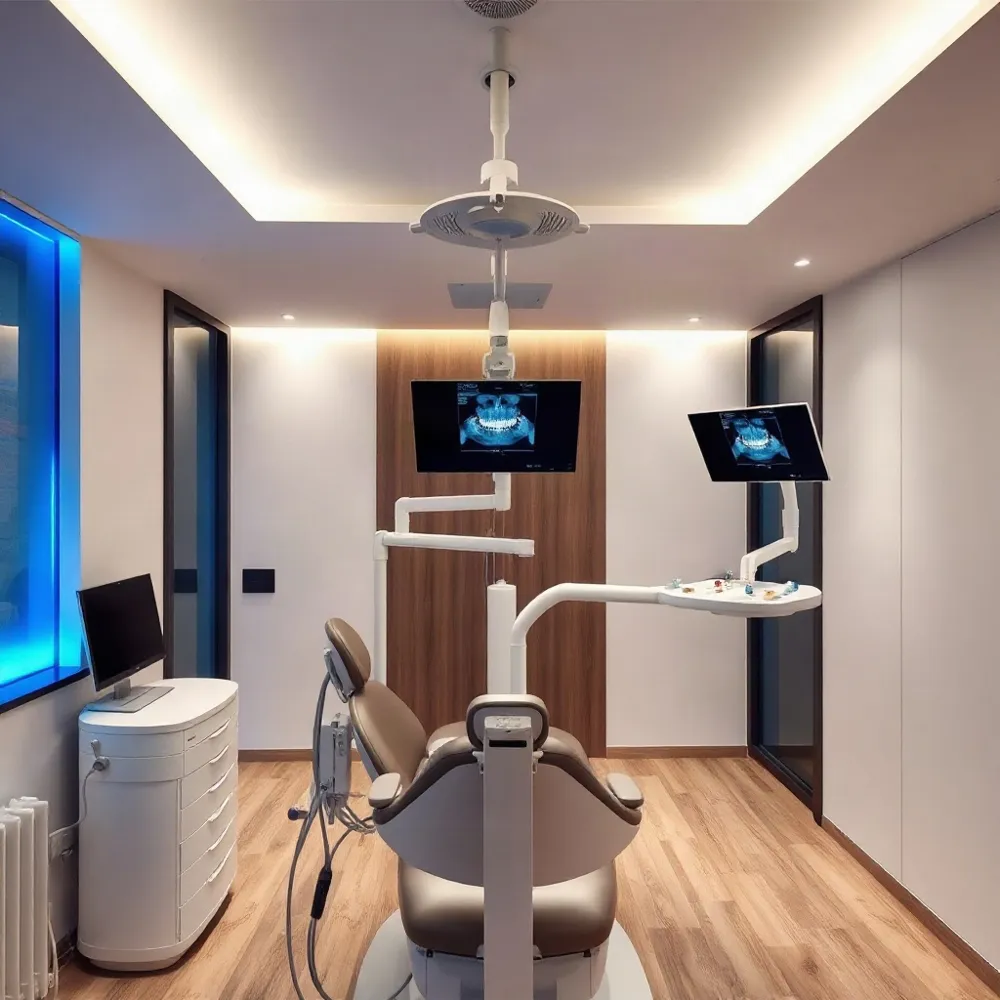
Digital Smile Design has transformed smile makeovers by combining 3D scanning, facial analysis software, and AI tools. This technology lets patients visualize their new smile in advance, co-creating customized treatment plans with their dentist. AI algorithms assist by analyzing dental images and patient data to improve diagnostic accuracy and suggest treatments tailored to individual needs, enhancing both precision and patient satisfaction.
3D printing in cosmetic dentistry for Custom Restorations
3D printing is revolutionizing how dental restorations like crowns, bridges, veneers, and dentures are made. It enables highly accurate, durable, and custom-fit solutions while significantly cutting down production time. Many patients benefit from same-day procedures thanks to this technology, which also improves the comfort and longevity of dental appliances.
Laser Dentistry Applications
Laser dentistry offers minimally invasive treatments with less discomfort and faster healing than traditional techniques. It’s widely used for teeth whitening, Laser gum contouring, and treating tooth decay and gum disease. Laser treatments reduce bleeding, pain, and recovery time, allowing patients to enjoy effective cosmetic and therapeutic results with minimal downtime.
Minimally Invasive Procedures and Biomimetic Materials
Modern cosmetic dentistry emphasizes preserving natural tooth structure through minimally invasive cosmetic procedures like ultrathin veneers, composite bonding, and Laser gum contouring. These techniques often require little to no enamel removal, providing natural-looking results with quicker recovery.
Advances in biomimetic materials, such as zirconia and composite resins, enhance restoration durability and biocompatibility. These materials mimic natural teeth properties, reduce allergic reactions, and support long-term oral health while achieving aesthetic excellence.
What Are the Modern Dental Techniques?
Modern dental methods focus on patient comfort and effective outcomes, including computer-assisted anesthesia, sedation options for anxious patients, and advanced root canal therapies.
What Is the Latest Dental Technology in 2024?
Technologies like Digital Smile Design (DSD), laser dentistry advancements 2024, 3D printing technology in dentistry, biocompatible veneers, advanced clear aligners, and emerging regenerative dentistry are making dental care more personalized, precise, and minimally invasive than ever before.
Popular Cosmetic Dentistry Procedures and Their Benefits
What Are the Types of Cosmetic Dentistry?
Cosmetic dentistry encompasses a range of procedures designed to enhance your smile's appearance and boost your confidence. Common treatments include:
- Teeth Whitening: A highly popular procedure that brightens teeth efficiently, with results lasting from six months up to three years. Advanced whitening techniques use laser teeth whitening technology and custom kits for faster, less sensitive treatments.
- Dental Bonding and Veneers: Bonding uses tooth-colored resin for quick fixes to chips or discolorations, lasting around 5 to 8 years. Veneers, crafted from ceramic or porcelain, offer a durable and natural-looking solution for multiple flaws, lasting up to 15 years.
- Crowns: Used to cover and protect severely damaged teeth, crowns are made from biocompatible dental materials that mimic natural teeth.
- Gum Contouring: Laser gum contouring creates a balanced smile by removing excess tissue; this minimally invasive method has a quick recovery time.
- Clear Aligners and Orthodontics: Treatments like Invisalign correct misaligned teeth discreetly and comfortably for both teens and adults.
- Dental Implants and Bridges: Implants provide a permanent replacement for missing teeth, supporting jaw health, while bridges fill gaps effectively.
What Are the Most Popular Cosmetic Dental Procedures?
Among the favored Cosmetic Dental Treatments are:
- Teeth Whitening: Offers safe, effective brightening with long-lasting results. Laser teeth whitening technology and LED-activated gels provide uniform color with minimal sensitivity.
- Veneers: These are thin porcelain or composite shells that mask imperfections and enhance aesthetics, offering durability and stain resistance.
- Dental Bonding: A cost-effective, painless treatment for minor repairs, often completed in a single visit.
- Crowns: Restore the function and appearance of damaged teeth, often crafted using advanced CAD/CAM technology for precision.
- Gum Contouring: Enhances the gum line’s appearance and can improve oral health by removing excess tissue, often performed with laser techniques.
- Orthodontics: Clear aligners such as Invisalign provide an effective, low-profile solution for straightening teeth.
- Dental Implants and Bridges: These restorative procedures are essential for replacing missing teeth, improving both aesthetics and oral function.
Each procedure is personalized to the patient's goals, leveraging modern technologies like Digital Smile Design (DSD) and 3D printing in cosmetic dentistry to provide predictable, comfortable, and natural-looking results. 2025 cosmetic dentistry trends focus on minimally invasive cosmetic procedures that support both oral health and an attractive smile.
Integrating Orthodontics and Cosmetic Dentistry for Optimal Results
What is the difference between cosmetic dentistry and orthodontics?
Cosmetic dentistry focuses on improving the appearance of your teeth and smile. Common treatments include Teeth Whitening, Porcelain Veneers, and Dental Bonding. These are mostly aesthetic procedures designed to enhance your smile's look with minimal impact on function. About 86% of patients seek cosmetic dentistry for its visual benefits.
Orthodontics, on the other hand, targets the alignment of teeth and jaws. Orthodontic treatments like Traditional Braces and Clear Aligners (e.g., Invisalign) correct bite issues, crowding, and gaps, improving both oral function and appearance. Orthodontists undergo dentist specialized training to manage these more complex structural concerns.
How do clear aligners work within both fields?
Clear aligners such as Invisalign bridge the gap between cosmetic dentistry and orthodontics. They discreetly straighten teeth without metal braces, making them a popular choice for teens and adults alike. Advances in AI-powered clear aligners now allow remote monitoring and more efficient treatment, offering both aesthetic and functional benefits.
Why combine orthodontic and cosmetic treatments?
Addressing teeth alignment and bite issues alongside cosmetic concerns ensures a harmonious, balanced smile that is both beautiful and healthy. Correcting structural problems can prevent future complications, while cosmetic enhancements refine the smile's appearance.
Combining these treatments allows dental professionals to create Personalized treatment plans in cosmetic dentistry that optimize function, aesthetics, and long-term oral health. For example, after bite correction with orthodontics, Porcelain Veneers or Teeth Whitening can be applied for finishing touches. This Integrated approach offers patients superior, durable results.
Benefits for your smile and overall oral health
- Improved bite function reduces wear and jaw strain
- Straighter teeth are easier to clean, lowering decay risk
- Enhanced confidence with a naturally beautiful smile
- Minimally invasive cosmetic procedures preserve tooth structure
Incorporating both disciplines ensures comprehensive care that addresses your unique dental needs, resulting in an optimal smile transformation and lasting oral wellness.
Holistic and Personalized Approaches in Cosmetic Dentistry
How can cosmetic dentistry improve your smile?
Cosmetic dentistry offers a comprehensive way to enhance both the appearance and health of your smile. Techniques like Professional Teeth Whitening provide fast, noticeable brightening with minimal sensitivity. Porcelain or composite Dental Veneers can correct chips, gaps, and discolorations, delivering a natural, uniform look that can last 10-15 years with proper care. Gum Contouring improves gum lines for better balance, while Dental Bonding fixes minor imperfections like cracks swiftly and painlessly. These personalized treatments not only enhance aesthetics but also contribute to greater confidence and motivate improved oral hygiene practices.
Holistic cosmetic dentistry principles
Modern holistic cosmetic dentistry embraces a holistic mindset that integrates oral aesthetics with overall health. This approach prioritizes treatments that are minimally invasive cosmetic procedures and biocompatible dental materials to promote long-term wellbeing. For example, Laser Gum Contouring preserves tissue health while refining the smile. Such methods consider how impact of oral hygiene on systemic health affects systemic conditions like cosmetic dentistry and heart disease and cosmetic dentistry and diabetes, ensuring that improving your smile also supports your general health.
Use of biocompatible and sustainable materials
To minimize risks and improve results, dental professionals increasingly use biocompatible dental materials such as zirconia and composite resins. These materials closely mimic natural tooth properties, reduce allergic reactions, and support gum tissue health. Additionally, sustainable practices are emerging to reduce environmental impact, offering patients safe and eco-friendly options without compromising quality or durability, as part of the latest cosmetic dentistry trends 2025.
Patient involvement through digital smile design and AI tools
Digital Smile Design (DSD) and AI-powered technologies empower patients to actively participate in their smile makeovers. Through 3D smile imaging and simulation and facial analysis, patients can preview personalized results and collaborate with their dentist on treatment planning. AI enhances diagnostic accuracy and customizes procedures by analyzing individual dental anatomy and predicting outcomes, making treatments more precise, efficient, and satisfying, all aligned with AI-driven smile design and AI in diagnostic accuracy and treatment planning.
Focus on overall health, aesthetics, and longevity
The evolving trend in cosmetic dentistry is to create smile enhancements that are not only beautiful but also durable and health-supportive. Combining holistic principles, innovative materials, and advanced technologies ensures treatments result in natural aesthetics, improved oral function, and lasting benefits. This comprehensive approach fosters healthier smiles across all ages in a welcoming, professional setting, exemplifying healthy cosmetic dentistry.
Restoring Missing Teeth and Enhancing Smile Functionality
How is cosmetic dentistry used for missing teeth?
Cosmetic dentistry offers several effective solutions to address missing teeth, restoring both the appearance and function of a smile.
Dental implants and their long-term benefits
Dental implants are a popular, permanent solution for missing teeth. They act as Dental implants as artificial tooth roots made from titanium posts surgically placed into the jawbone. This integration provides a stable and durable foundation for custom crowns and prosthetics that look and function like natural teeth. Implants help maintain jawbone health by preventing bone loss and preserving facial structure, which is essential for both oral health and aesthetics.
Dental bridges and partial dentures
For patients who may not be candidates for implants, Dental Bridges and partial dentures provide excellent alternatives. Bridges fill the gap created by one or more missing teeth, using the adjacent teeth for support, improving chewing ability and speech. Partial dentures are removable prosthetics that replace missing teeth and maintain alignment of remaining teeth, often made with advanced materials for a natural appearance and comfort.
Use of cosmetic techniques to improve missing teeth areas
Cosmetic dentistry also focuses on enhancing the smile zone around missing teeth. Porcelain Veneers and crowns can be applied to adjacent teeth to correct discoloration, chips, or slight misalignments, helping create a harmonious smile. These materials mimic natural tooth color and translucency, ensuring an attractive and seamless look.
Role of cosmetic dentistry in oral health and confidence restoration
Beyond aesthetics, these treatments play a vital role in oral health by restoring proper bite function and preventing tooth shifting. They also contribute to psychological benefits, improving self-esteem and confidence by achieving a natural, pleasing smile that feels healthy and complete.
The combination of advanced dental materials, Advanced scanning technology, and personalized treatment plans allows dentists to provide patient-friendly, durable, and precise custom crowns and prosthetics to enhance smiles at any age.
Summary: Embracing Trends to Transform Your Smile
Embracing the latest advancements in cosmetic dentistry can dramatically enhance your smile's appearance and health. Popular treatments like ultrathin veneers, laser teeth whitening, and AI-driven clear aligners offer quicker, less invasive solutions tailored to individual needs.
Technology-driven care, including digital smile design and 3D printing, ensures precision and personalized results. Choosing a dental professional versed in these innovations maximizes both comfort and outcomes.
Consulting with a trusted cosmetic dentist allows you to explore options that fit your unique goals, helping you achieve a confident, natural-looking smile with lasting benefits.