Embracing the Future of Cosmetic Dentistry
Introduction to Modern Cosmetic Dentistry Trends
Modern cosmetic dentistry is rapidly evolving to offer treatments that are less invasive, more personalized, and produce natural-looking results. Popular procedures now include ultra-thin, no-prep veneers that preserve enamel while enhancing smiles. Composite bonding has also advanced as an affordable, single-visit solution for minor repairs. Teeth whitening has become more gentle and efficient, with laser-assisted techniques delivering quick and lasting brightness.
Impact of Advanced Technology on Smile Transformations
Technology is reshaping how smiles are designed and achieved. Digital Smile Design (DSD) employs 3D scanners, AI tools, and facial analysis software to create precise digital simulations. This allows patients to preview their new smiles and collaborate closely with their dentist on the final look. AI-enhanced clear aligners improve orthodontic treatment by enabling precise tooth movement and remote monitoring. Additionally, 3D printing and laser dentistry contribute to faster, more comfortable treatments with higher accuracy.
Patient-Centered Approach to Aesthetic Dental Care
Today’s cosmetic dentistry emphasizes individualized care, ensuring treatments match each patient's unique features and goals. Digital tools empower patients to be active participants in planning their smile makeover, increasing confidence and satisfaction. Procedures focus on preserving natural tooth structure, minimizing discomfort, and promoting long-term dental health. The integration of facial aesthetics such as Botox and dermal fillers further complements smile enhancements, achieving overall facial harmony in a welcoming and professional environment.
Ultra-Thin Veneers and Minimally Invasive Techniques
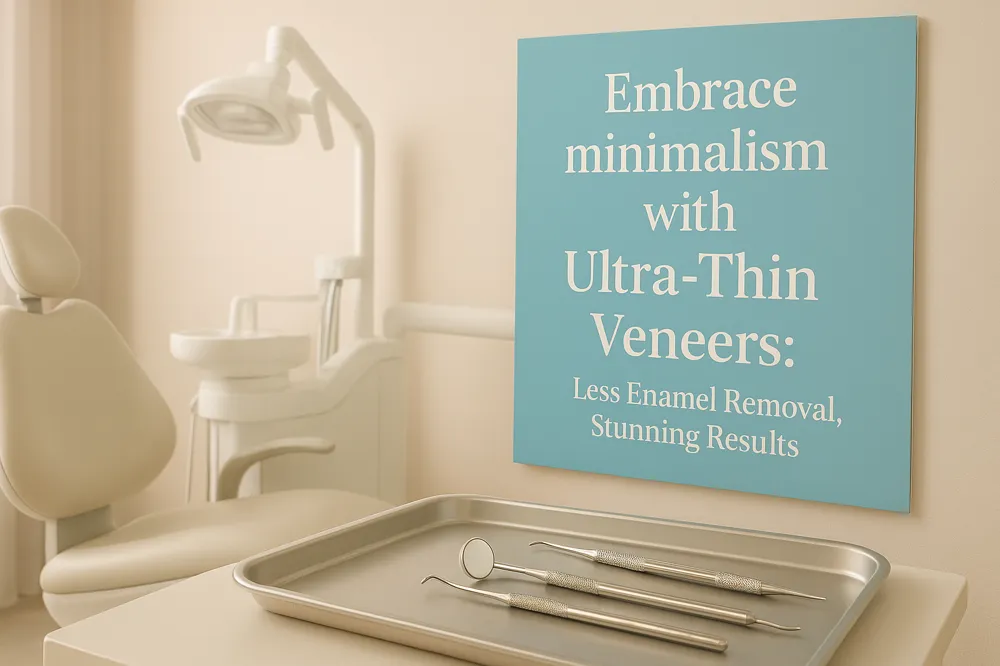
Use of ultra-thin, no-prep or minimal-prep veneers
Modern cosmetic dentistry 2025 increasingly embraces ultra-thin veneers that require little to no enamel removal. These no-prep veneers or minimal-prep veneers enhance smiles effectively while preserving the natural tooth structure. Patients benefit from a less invasive procedure that maintains enamel integrity, resulting in reduced sensitivity and a more natural appearance.
Benefits of enamel preservation and natural appearance
By conserving enamel, these veneers cause minimal discomfort and provide a seamless blend with natural teeth. This approach supports healthier, durable outcomes with natural translucency and texture, ensuring the smile looks authentic and radiant.
Composite bonding advancements for quick aesthetic repairs
Composite bonding for smile repair technology has advanced, allowing dentists to repair chips, cracks, or small gaps swiftly. This minimally invasive option can often be completed in one visit, utilizing improved composite resins that deliver durable, natural-looking results. It is an affordable alternative to veneers, ideal for minor imperfections.
Minimally invasive laser procedures for gum contouring and whitening
Laser-assisted teeth whitening treatments for gum contouring and teeth whitening have gained popularity due to their precision and comfort. Laser gum contouring safely reshapes the gum line with less pain, quicker healing, and minimal bleeding compared to traditional methods. Similarly, laser teeth whitening offers fast, effective brightening with reduced sensitivity, perfect for patients wanting immediate improvements.
How can modern dental technology improve patient outcomes and comfort?
Advancements such as ultra-thin veneers minimize enamel removal, reducing sensitivity and recovery time. Composite bonding provides quick, effective cosmetic repairs often completed in a single visit. Laser dentistry and gum contouring techniques for gum contouring and teeth whitening are minimally invasive, promoting faster healing and less discomfort, enhancing overall patient comfort and outcomes.
Digital Smile Design: Personalized Planning and Visualization
What advanced technologies are commonly used in modern family dental practices?
Digital Smile Design (DSD) is a cutting-edge approach in cosmetic dentistry 2025 that integrates advanced technologies such as 3D smile scanners, AI smile design tools, and facial analysis software for dentistry. Together these tools enable dentists to create highly accurate and personalized smile plans for each patient.
How does Digital Smile Design improve patient involvement and communication?
DSD allows patients to actively participate in the smile transformation process by providing digital previews and virtual simulations of their planned results. This interactive involvement not only boosts patient confidence but also makes the treatment planning transparent and tailored to individual preferences.
In what ways does DSD enhance communication between patients, dentists, and labs?
By using digital mock-ups and detailed 3D models, DSD facilitates seamless collaboration among dental professionals and labs. This reduces misunderstandings, shortens treatment times, and helps achieve natural-looking, predictable results that align closely with the patient's expectations.
Digital Smile Design represents a significant advance in Cosmetic Dentistry 2025 by combining technology and personalized care. It allows families to receive professional, precise dental treatments that are visually planned and easy to understand, ensuring a welcoming experience for all ages.
Cutting-Edge Whitening and Orthodontic Trends
What is Laser Dentistry and Gum Contouring and why is it popular?
Laser-assisted teeth whitening is a modern dental procedure that uses focused light energy to activate whitening agents quickly and effectively. This technique minimizes tooth sensitivity often associated with traditional whitening methods, making it ideal for patients seeking fast and comfortable results. Treatments typically occur in a single session and are perfect for those preparing for special occasions or looking for immediate improvements.
How have advancements in Composite Bonding improved dental bonding?
Recent developments in Advancements in composite resin materials have enhanced the durability and natural appearance of dental bonding. These resins now offer a long-lasting, cost-effective solution to repair minor imperfections such as chips, cracks, or gaps. The bonding procedure is minimally invasive and often completed in a single visit, preserving natural tooth structure while enhancing smile aesthetics.
What are AI-enhanced clear aligners and their benefits?
AI-enhanced clear aligners represent the forefront of orthodontic care, combining artificial intelligence with digital design for precise tooth movement. These aligners are discreet, removable, and tailored through AI algorithms that optimize treatment duration and efficiency. Additionally, remote monitoring allows patients and dentists to track progress virtually, reducing the need for frequent in-office visits while maintaining excellent outcomes.
How do combination treatments contribute to comprehensive full smile makeovers?
Integrating whitening, veneers, orthodontics, and bonding creates personalized smile makeovers tailored to individual needs. Utilizing Digital Smile Design overview and AI technology, dentists plan treatments that harmonize tooth color, alignment, and shape. This comprehensive approach ensures natural-looking results with fewer visits and enhanced patient satisfaction.
Together, these innovative techniques highlight a shift toward Minimally invasive cosmetic dentistry and technology-driven cosmetic dentistry that prioritizes patient comfort and personalized care.
Biomimetic Materials and Sustainable Practices in Dentistry
What are biomimetic materials in dental care?
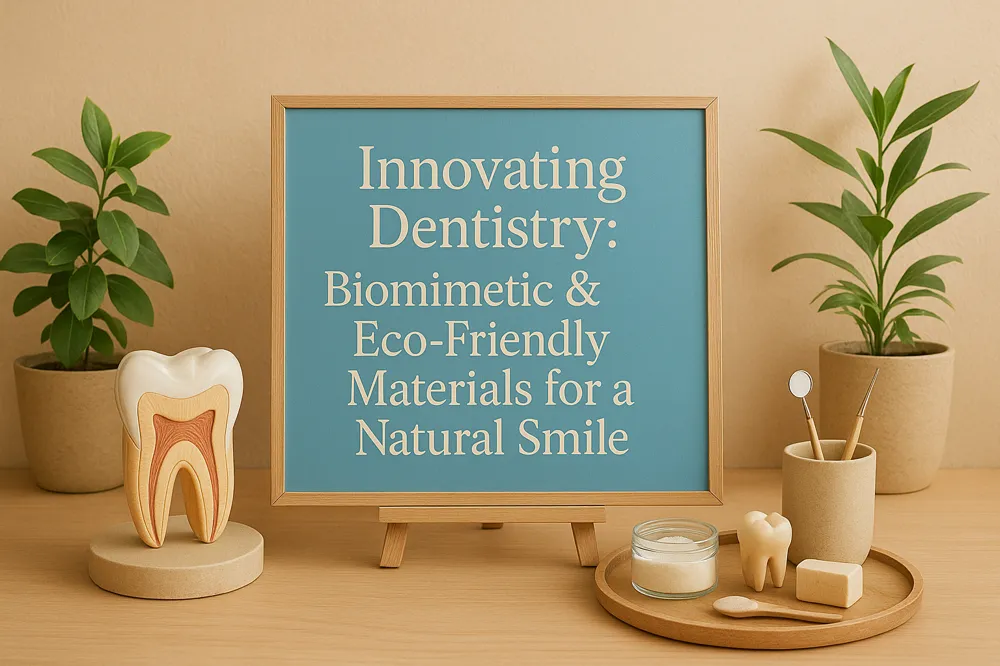
Biomimetic materials are advanced dental substances designed to replicate the natural properties of human teeth. These materials emphasize translucency, texture, and durability to harmonize with the patient's existing teeth. Their biocompatibility reduces allergic reactions and promotes healthier integration with oral tissues, offering long-lasting and natural-looking restorations. Learn more about biomimetic dental materials.
How does 3D printing technology enhance personalized dental restorations?
The adoption of 3D printing in cosmetic dentistry has revolutionized the creation of veneers, crowns, and implants. This technology allows for precise customization tailored to each patient's unique dental anatomy. The result is improved fit, faster turnaround times, and greater patient convenience without compromising quality.
What sustainable practices are emerging in modern dental care?
Sustainable dentistry focuses on minimizing environmental impact through the use of biodegradable materials and waste reduction strategies. Many practices employ energy-efficient equipment and digital workflows to lessen waste, aligning with patient values regarding ecological responsibility. Read about eco-friendly dentistry practices and sustainable dentistry practices.
How do these advancements benefit patients and the environment?
Utilizing biomimetic materials supports patients' long-term dental health by preserving natural tooth structure and reducing sensitivity. Sustainable methods not only promote overall wellness but also contribute to protecting the environment. Together, these modern approaches reflect a commitment to patient-centered care and ecological stewardship within dental practices. For more on these advancements in cosmetic dentistry, visit the link.
Integrating Facial Aesthetics with Dental Care
How Are Botox and Dermal Fillers Incorporated into Dental Practice?
In modern facial aesthetic treatments in dentistry, treatments such as Botox and dermal fillers are increasingly integrated into dental care. These facial aesthetic procedures are administered by dental professionals to help enhance overall facial appearance. Botox is commonly used to relax facial muscles, reducing wrinkles around the mouth and eyes, while dermal fillers restore volume to areas such as the cheeks and lips. Incorporating these treatments during dental visits creates a seamless experience, allowing patients to address smile aesthetics and facial rejuvenation simultaneously.
How Does Facial Harmony Complement Dental Aesthetics?
Achieving facial harmony is central to creating natural and balanced smiles. Dentists use facial analysis software for dentistry, often digital, to assess how teeth, gums, and facial features interact. Enhancements via Botox or fillers can correct asymmetry, improve lip fullness, and reduce fine lines that affect smile presentation. By addressing surrounding tissues, dental treatments no longer focus exclusively on teeth but consider the entire smile zone, ensuring that improvements look natural and proportionate.
What Trends Are Driving Holistic Smile Makeovers?
There is a growing trend toward full smile makeovers that combine dental procedures with facial aesthetic treatments. Patients increasingly seek comprehensive plans that not only whiten and align teeth but also enhance facial contours and skin texture. This approach emphasizes health, function, and youthfulness alongside beauty, leading to personalized treatment plans tailored to both facial and dental needs. Digital smile design plays a crucial role here, allowing simulation of combined dental and facial enhancements for predictable, satisfying results.
Integrating Botox and dermal fillers within dental practice reflects the evolving focus on individualized, minimally invasive, and technologically advanced treatments that align with patients' desires for natural and harmonious smiles.
Family-Focused Care Enhanced by Technology and Compassion
Why is family-focused dental care important for maintaining long-term oral health?
Family-focused dental care plays a vital role in preserving oral health across all ages. By engaging parents in their children's dental habits early, these practices foster good oral hygiene routines and enable early identification of dental issues. This proactive involvement allows for simpler treatments and encourages lifelong positive dental habits, ensuring healthier smiles for everyone in the family.
What types of services are typically offered by family dental practices?
Family-focused dental care practices offer a comprehensive range of services tailored to every family member. These usually include:
- Preventive care such as cleanings and examinations
- Restorative treatments including fillings and crowns
- Pediatric dentistry focused on children’s unique dental needs
- Orthodontic options like braces and clear aligners
- Emergency dental care
- Referrals to specialists when advanced treatment is necessary This wide scope ensures that all dental needs are met under one roof, providing convenience and continuity of care.
How does compassionate care impact the dental experience for families?
Family-focused dental care is fundamental in creating a stress-free environment, especially for young or anxious patients. Through patient-centered communication and individualized attention, dental teams build trust and reduce fears surrounding dental visits. This supportive approach encourages regular check-ups and enhances cooperation with at-home oral care, fostering better long-term dental health for the whole family.
What advanced technologies are commonly used in modern family dental practices?
Modern family dental offices incorporate advanced technologies to improve treatment precision and patient comfort. Commonly used tools include:
- Digital X-rays that lower radiation exposure while providing clear images
- Intraoral cameras that offer detailed views for more accurate diagnoses
- Laser dentistry techniques enabling minimally invasive treatments with less discomfort and faster healing
- CAD/CAM systems allowing for the fabrication of custom restorations, like crowns, in a single visit These innovations streamline procedures and create a welcoming experience for patients of all ages.
Looking Ahead: The Future of Cosmetic Dentistry for Families
Advancing Trends in Cosmetic Dentistry
Modern cosmetic dentistry is evolving rapidly, blending cutting-edge technology with compassionate, personalized care. Families now benefit from ultra-thin, minimally invasive veneers and composite bonding that preserves natural teeth while enhancing smiles effortlessly.
Digital Smile Design (DSD) stands out as a transformative tool, allowing patients to visualize and customize their treatment with precision and confidence. This technology uses 3D imaging, AI, and facial analysis to create realistic previews, empowering families to take an active role in their smile journey.
Laser treatments, including teeth whitening and gum contouring, offer quick, efficient, and comfortable options suited for all ages. These methods reduce discomfort and recovery time, making cosmetic procedures more accessible.
Clear aligners enhanced by AI enable discreet and effective orthodontic care for both teens and adults, fitting seamlessly into busy family lifestyles.
Personalized, Compassionate Care
The future focuses on tailored treatments that respect each family member’s unique dental needs and aesthetic goals. Combining facial aesthetics like Botox with smile enhancements seeks to harmonize overall appearance, ensuring smiles look and feel natural.
Families are encouraged to consider these modern dental options, which prioritize both health and beauty. With advancements like durable biomimetic materials and eco-conscious practices, cosmetic dentistry supports long-lasting, healthy smiles for every generation.
Explore the possibilities of modern cosmetic dentistry and give your family the gift of confident, radiant smiles that last a lifetime.