Introduction to Modern Restorative Dentistry
What Is Restorative Dentistry?
Restorative dentistry focuses on repairing or replacing damaged and missing teeth to restore both their function and appearance. Its goal is to help patients maintain healthy, natural-feeling teeth that support everyday activities like chewing, speaking, and smiling confidently.
Issues Addressed by Restorative Dentistry
Common dental problems treated include cavities, tooth decay, fractured or chipped teeth, worn down surfaces, discoloration, and crooked teeth. Treatments can range from fillings and crowns to dental implants and bridges.
Combining Function and Appearance
Modern restorative dentistry values both oral health and aesthetics. Using advanced materials like porcelain and composite resin, dental restorations look natural and durable. These treatments not only restore chewing ability and speech but also enhance smile confidence, blending seamlessly with surrounding teeth for lasting results.
Innovations in Technology Transforming Restorative Dental Procedures
How does advanced technology improve dental care in a family practice?
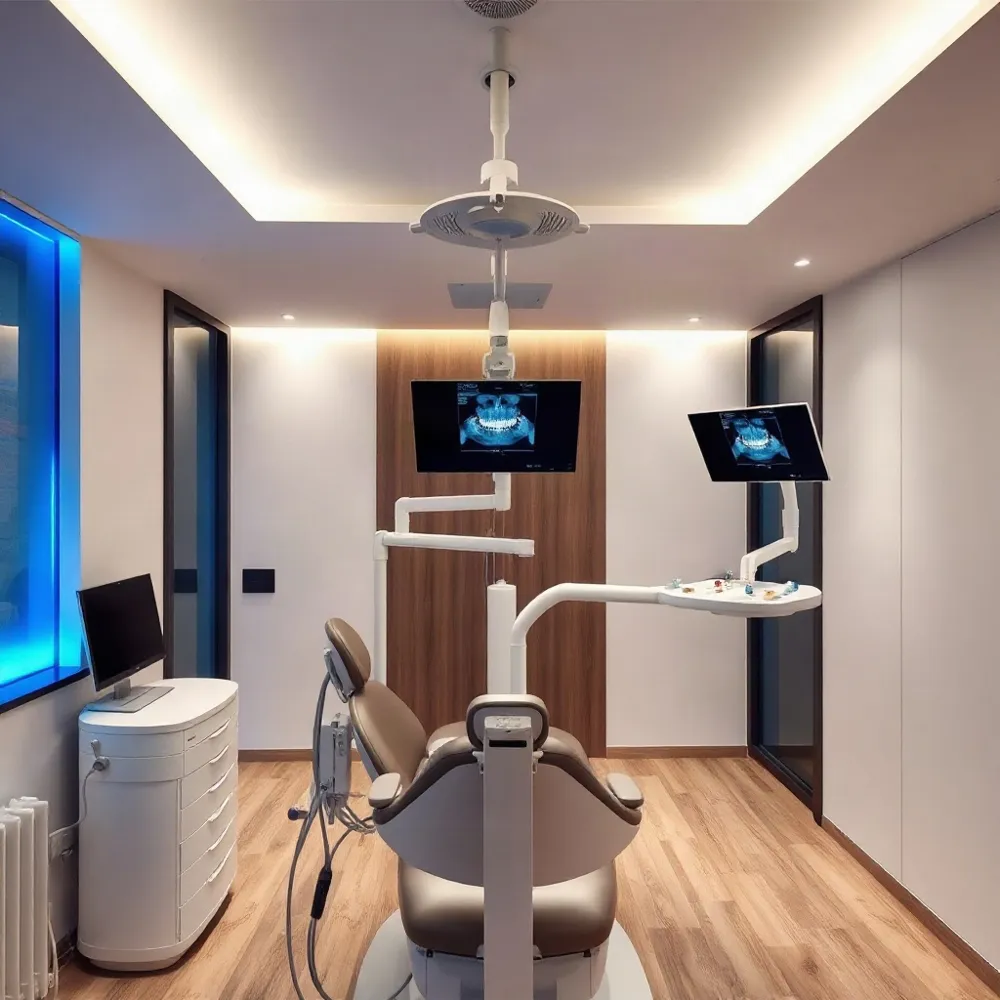
Advanced technology revolutionizes restorative dental care by enhancing precision, comfort, and efficiency in treatment. Digital impressions in dental restoration and 3D imaging for treatment planning replace traditional molds, providing accurate, rapid visualizations of teeth and gums. This reduces discomfort while enabling dentists to design restorations that perfectly fit inlays and onlays treatments, dental crowns and bridges.
CEREC Technology for Same-Day Restorations allow same-day fabrication and placement of these restorations, minimizing appointments and eliminating the need for temporary crowns or fillings. Patients benefit from shorter, more convenient visits and durable, natural-looking results crafted in-office.
3D printing in dental restorations adds another dimension by enabling precise production of customized prosthetics like crowns and dentures. Laser dentistry benefits offers minimally invasive treatments, reducing pain and speeding recovery. Soft tissue procedures, cavity removal, and whitening with lasers contribute to patient comfort and improved outcomes.
Advanced implant technology now emphasizes Osseointegration for Dental Implants—a process where titanium posts fuse securely with jawbone. This creates stable, long-lasting tooth replacements that closely replicate natural teeth in both function and appearance.
Artificial intelligence in restorative dentistry and Teledentistry and digital dental tools are emerging as powerful tools in diagnostics and patient care. AI assists clinicians in early detection of dental issues and in personalizing treatment plans. Meanwhile, teledentistry enables remote consultations and follow-up care, expanding access and making dental services more convenient for families. Together, these innovations bring high-quality, patient-centered restorative dentistry to modern family dental practices.
Materials and Techniques Enhancing Durability and Natural Appearance

Use of bioactive materials promoting tissue regeneration and antibacterial properties
Modern restorative dentistry increasingly uses Bioactive Dental Substances that do more than just restore the tooth—they actively promote tissue regeneration and combat bacteria. These substances help remineralize tooth structure and support healing, leading to restorations that bond naturally to the teeth and maintain oral health more effectively.
Modern ceramics such as zirconia and lithium disilicate for crowns
Advancements in ceramic materials have transformed The Future of Dental Crowns. Zirconia crowns offer exceptional strength and durability, making them ideal for molars and high-pressure chewing areas. Lithium disilicate ceramics provide a natural translucency and aesthetic appeal, perfect for restoring front teeth. Both materials combine beauty and function, lasting well over a decade with proper care.
Minimally invasive techniques preserving natural tooth structure
Minimally Invasive Dental Techniques such as laser dentistry, air abrasion, and adhesive bonding aim to preserve as much natural tooth tissue as possible. These techniques reduce discomfort and recovery time, while maintaining the health and integrity of existing teeth, thus supporting longer-lasting restorations and better oral outcomes.
Smart dental materials responsive to oral environment
Emerging Smart Dental Restorations adapt actively to the mouth's conditions. For example, stress-responsive crowns can adjust to bite forces, and pH-sensitive fillings react to changes in acidity to prevent decay. These innovations enhance the durability and protective function of restorations, actively contributing to oral health.
Impact of nanotechnology on restoration longevity
Nanotechnology in Dental Materials is playing an important role in improving the mechanical strength, aesthetic quality, and biocompatibility of Dental Materials. Nanoparticles embedded in restorative substances boost resistance to wear and improve bonding to teeth. Additionally, nanotech enables targeted antibacterial effects and self-healing properties, potentially extending restoration lifespan significantly.
These advances collectively contribute to durable, natural-looking, and health-promoting dental restorations, improving patient comfort and long-term oral wellness.
Comprehensive Restorative Options for Lasting Oral Health Solutions

What Restorative Treatments Are Available?
Restorative dental treatments offer a broad spectrum of treatments tailored to repair and enhance your oral health. These include fillings for cavities, crowns to strengthen damaged teeth, bridges that replace missing teeth by anchoring to adjacent ones, and implants, the modern gold standard for tooth replacement. Dentures provide removable options for multiple missing teeth, while veneers improve aesthetics by covering the front surface of teeth. Inlays and onlays serve as custom-made restorations that protect and restore teeth with moderate damage less than that requiring crowns.
Why Are Dental Implants Considered the Gold Standard?
Dental implants for tooth replacement stand out due to their natural look, feel, and support. They replace both the tooth and its root with a titanium post that integrates with the jawbone through osseointegration. This integration prevents bone loss, maintains facial structure, and provides a stable foundation for crowns or bridges. Implants offer long-term reliability and durability, often lasting decades with proper care.
How Do Same-Day Crowns and Bridges Enhance Patient Convenience?
Same-Day Crowns with Digital Imaging advances in digital dentistry now allow same-day crowns and bridges via technologies like CAD/CAM and CEREC. Using digital scans, these restorations are designed and fabricated in-office, eliminating multiple visits and temporary restorations. This approach reduces discomfort, speeds treatment, and offers patients faster restoration of dental function and appearance.
Why Is Early Intervention And Maintenance Critical?
Early dental intervention halts progression of tooth decay or damage, avoiding complex procedures later. Regular check-ups and good oral hygiene extend the lifespan of restorations such as crowns and composite fillings, sometimes beyond 10 to 20 years. Timely care also prevents infections and preserves jawbone health, supporting overall wellness.
Are Restorative Treatments Cost-Effective and Healthy?
Restorative dentistry overview Though initially more involved, restorative dentistry is cost-effective long term. Durable materials and advanced techniques reduce the need for frequent repairs or replacements. Moreover, restoring oral function improves chewing, speech, and reduces risks associated with untreated dental disease, contributing to systemic health. Personalized care plans ensure treatments align with patients’ needs and budgets for sustained oral health and confidence.
Family-Focused and Compassionate Care in Modern Restorative Dentistry
What are the benefits of family-focused dental care?
Family-focused dental care provides personalized treatment plans for every stage of life, from early childhood to adulthood. This approach ensures that dental services like cavity fillings, sealants, orthodontics, and gum disease treatments are tailored to each family member's unique needs. Regular visits promote early detection of dental problems through thorough exams and advanced Digital imaging in dentistry, supporting preventative care and timely intervention.
Having a dedicated family dentist also simplifies scheduling with flexible appointments, reducing the need for multiple dental offices. This continuity fosters a trusting relationship, encourages healthy oral habits, and creates a comfortable environment for patients of all ages.
How can a dental practice create a compassionate care environment for patients?
A compassionate dental practice emphasizes empathy and patient-centered care. Dentists actively listen to patient concerns and guide them through treatments with clear communication and emotional support. Involving patients in decision-making builds trust and lowers anxiety.
A welcoming, calm setting combined with a gentle approach and use of modern technology like Laser dentistry benefits further enhances comfort. This thoughtful atmosphere ensures patients feel valued and relaxed throughout their dental experience.
What services are tailored to all ages using modern technologies and minimally invasive methods?
Family dental practices offer a range of Restorative dental treatments such as tooth-colored fillings, crowns, Implant prostheses and mouth rehabilitation, and full-mouth rehabilitations, all customized for individual needs. Minimally invasive techniques, including Laser dentistry and Digital scanning of teeth, reduce discomfort and speed recovery.
State-of-the-art technologies like CAD/CAM systems in dentistry enable Same-day restorative dentistry, minimizing appointments and improving patient convenience. These advancements allow precise, natural-looking results while preserving healthy tooth structure.
How do dental practices create welcoming environments and reduce anxiety?
To ease patient anxiety, many practices use Sedation options in dentistry, soft tissue lasers, and calming office designs. These methods minimize pain and fear during procedures, especially for nervous patients and children.
Clear communication and gentle patient handling foster a relaxed atmosphere. Practices prioritize making visits as comfortable and stress-free as possible, encouraging consistent care.
What measures can families take to maintain oral health between dental visits?
Families can support oral health by encouraging children to brush twice daily with fluoride toothpaste and limit sugary snacks. Dental sealants on back teeth offer added cavity prevention, while fluoride varnish applied during visits further strengthens enamel.
Maintaining a balanced diet and drinking fluoridated tap water also contribute to cavity reduction. These habits help maintain a healthy smile between dental appointments and reduce the need for extensive restorations later on.
The Future of Dental Restoration: Emerging Trends and Research
How Are Stem Cells and Regenerative Dentistry Shaping the Future of Dental Care?
Stem cell dentistry and regenerative dentistry represent groundbreaking frontiers in dental restoration. Researchers focus on leveraging stem cells to naturally repair damaged tooth structures, such as enamel, dentin, and gum tissues. This technique aims to minimize reliance on artificial materials by stimulating the body’s own ability to rebuild oral tissues. Although still emerging, these therapies hold promise for more natural, painless, and lasting dental restorations that preserve healthy tooth tissue.
What Role Does Artificial Intelligence Play in Restorative Dentistry?
Artificial intelligence (AI) in dentistry is increasingly integrated into restorative dental practices to enhance early diagnosis and personalize treatment planning. AI systems analyze digital scans and data to detect early signs of cavities, gum disease, or other oral issues often missed by the naked eye. They also predict patient-specific treatment outcomes and restoration longevity, improving precision. This intelligent approach leads to quicker, more accurate interventions with tailored care designed to improve overall oral health.
How Are Sustainability Efforts Influencing Restorative Dentistry?
Sustainability initiatives are encouraging the adoption of eco-friendly restorative materials and dental practices. The dental industry is moving toward biocompatible, recyclable, and less environmentally damaging materials without compromising quality or aesthetics. These actions reduce the ecological footprint of dental treatments while maintaining high standards of care, supporting patients who value both health and environmental responsibility.
In What Ways Do Nanotechnology and Smart Materials Advance Durability and Healing?
Nanotechnology and smart dental materials introduce innovative dental materials that actively respond to oral conditions. Smart restorations made from bioactive and pH-sensitive substances can help prevent decay and promote tissue regeneration. These materials bond naturally with teeth, improving restoration strength, wear resistance, and antibacterial effects. Such advances extend the lifespan of dental treatments and contribute to faster healing, enhancing patient comfort and long-term oral wellness.
How Is Teledentistry Expanding Access to Restorative Care?
Teledentistry and remote monitoring technologies enable virtual consultations, diagnostics, and follow-up care, widening access to restorative dentistry for people in rural or underserved areas. Patients can receive expert advice, treatment plans, and progress tracking from the comfort of their homes. This convenience not only improves appointment adherence but also facilitates preventive care, catching dental issues early and reducing the need for extensive procedures.
These emerging trends in regenerative science, artificial intelligence, sustainable materials, smart technologies, and remote care signal a transformative future for restorative dentistry. Patients can expect more natural, durable, and accessible treatments that prioritize both oral health and patient experience.