Introduction to Modern Dental Innovations
Overview of Modern Dental Technology Advancements
Modern dental technology has significantly transformed oral healthcare, making procedures more precise, efficient, and comfortable for patients. Innovations include digital impression systems that create detailed 3D images of teeth without the discomfort of traditional molds. CAD/CAM technology allows for same-day restorations like crowns and veneers, reducing treatment times.
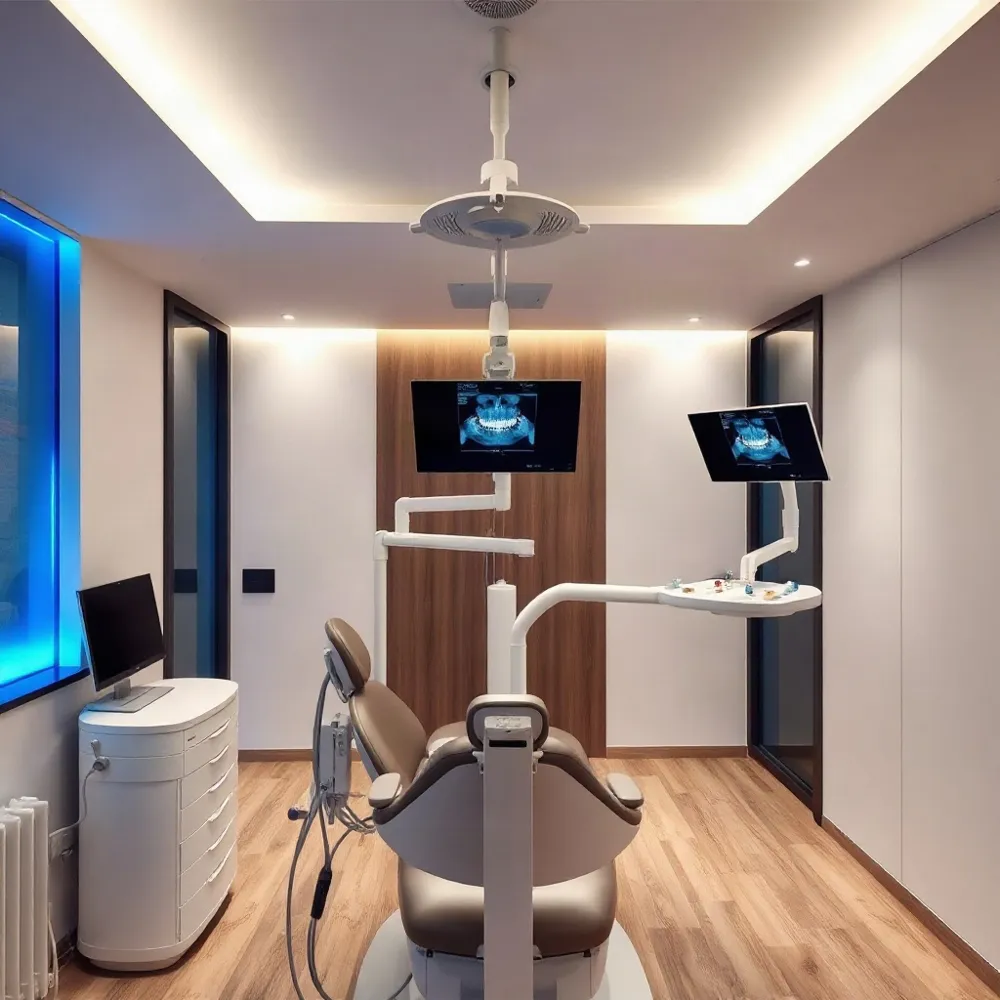
High-resolution digital imaging tools such as intraoral cameras and cone beam computed tomography (CBCT) scans provide detailed visuals essential for accurate diagnosis and treatment planning. Laser dentistry facilitates minimally invasive procedures with less pain and faster healing.
Furthermore, technologies like 3D printing enable rapid fabrication of dental prosthetics right in the office, while teledentistry enhances accessibility by enabling remote consultations.
Importance of Technology in Improving Patient Care and Experience
The integration of these advanced technologies ensures that dental care is more personalized and patient-friendly. Digital tools reduce discomfort and anxiety, shorten appointment durations, and improve diagnostic accuracy. Patients benefit from faster treatments, less invasive procedures, and greater access to expert care, even from remote locations.
By employing modern techniques, dental practices create a welcoming environment focused on patient comfort and the best possible outcomes across all age groups.
Digital Tools Enhancing Precision and Efficiency in Dentistry
What are the latest innovations in dentistry as of 2024?
Modern dentistry in 2024 has seen remarkable advances centered around Digital impression systems that improve precision, comfort, and efficiency. Digital dental impressions using sophisticated Intraoral scanners have largely replaced traditional molds. These scanners create highly accurate 3D Images of Teeth and Gums within minutes, significantly enhancing patient comfort and reducing the need for multiple visits.
3D printing technology in dentistry is now commonly used in dental offices for the rapid production of customized prosthetics such as crowns, bridges, and dentures. This innovation minimizes patient wait times while ensuring a superior fit and aesthetic result.
Additionally, Digital dentistry with CAD/CAM systems allow dental professionals to design and fabricate restorations like crowns and veneers on the same day. This reduces treatment time and streamlines the patient experience.
Advanced dental imaging techniques, including Cone beam computed tomography (CBCT) scans and Digital X-rays in dental diagnostics, provide detailed, three-dimensional views of oral structures with less radiation exposure. These images support accurate diagnosis and comprehensive treatment planning, especially for complex procedures such as implants and root canals.
What are the key advanced technologies currently shaping dentistry?
The integration of advanced digital tools is transforming dental care by improving diagnostic accuracy and treatment efficiency. Among the foremost technologies are:
- AI in dental diagnostics: Enhances image analysis for early detection of cavities and gum disease, improving diagnostic reliability.
- Digital dental impressions & Intraoral scanners: Offer a precise and comfortable alternative to traditional impression techniques.
- 3D imaging with CBCT: Provides high-resolution, 3D pictures that support precise treatment planning.
- CAD/CAM Systems: Enable the creation of high-quality restorations in a single visit, increasing patient convenience.
- 3D printing of dental appliances: Facilitates fast and exact manufacturing of dental prosthetics on site, cutting turnaround times.
Together, these technologies elevate the standards of care by reducing discomfort, enhancing treatment accuracy, and enabling personalized dental solutions tailored to each patient’s needs.
Minimally Invasive Procedures and Advanced Therapeutic Techniques
What advanced dental procedures are commonly performed?
Advanced dental care commonly includes procedures such as Dental implants, where titanium posts are placed into the jawbone to replace missing teeth. Root canal therapy followed by crown placement is used to treat infected or damaged teeth while preserving the natural tooth structure. Crowns and bridges help restore tooth function and appearance after decay or injury.
Periodontal surgeries address gum disease through techniques like bone grafting and soft tissue grafting, aiming to regenerate lost bone and gum tissues. These procedures have become more precise and less invasive thanks to digital imaging tools.
Laser dentistry applications and benefits
Laser dentistry is transforming many traditional treatments by enabling minimally invasive procedures. It is used for gum reshaping, cavity removal, and teeth whitening, offering patients less pain, reduced bleeding, and faster healing times. Laser techniques often minimize or eliminate the need for anesthesia, enhancing patient comfort.
What is regenerative dentistry and how might it impact dental care?
Regenerative dentistry using stem cells and biomaterials is an innovative field that employs stem cells and biomaterials to repair or replace damaged oral tissues. By stimulating the body's natural healing abilities, it holds the potential to grow dental tissues and even entire teeth, reducing reliance on artificial restorations. Future treatments may involve regenerating enamel, dentin, or bone to treat decay, trauma, or periodontal disease, resulting in less invasive and longer-lasting dental care.
Advancements in sedation and pain management
Modern dentistry incorporates various sedation options, including nitrous oxide, oral sedatives, and intravenous (IV) sedation to alleviate anxiety and pain during procedures. Computer-assisted anesthesia delivery systems ensure more precise and comfortable administration of anesthetics. These advancements improve patient experience, especially for those undergoing more complex treatments.
Common advanced dental procedures including implants and periodontal surgeries
Techniques such as guided implant placement use three-dimensional imaging to precisely position implants, enhancing stability and success rates. Procedures like All-on-4 and All-on-6 utilize fewer implants for full-arch restorations, reducing time and cost. Periodontal surgeries benefit from minimally invasive methods and laser use to manage gum disease effectively, promoting faster recovery and preserving natural tooth support.
Artificial Intelligence, Augmented Reality, and Teledentistry: The Digital Frontier
How is technology transforming dental care?
The integration of cutting-edge technology is radically reshaping dental care by enhancing diagnostic precision, treatment effectiveness, patient comfort, and accessibility. Artificial intelligence (AI) is at the forefront, analyzing digital images and patient data to enable early detection of cavities, gum disease, and oral cancers. This predictive capability supports more personalized treatment planning.
Augmented reality (AR) is improving implant procedures by offering dentists the ability to visualize implant outcomes before surgery, thereby enhancing precision and patient understanding. AR also serves as a powerful educational tool, helping patients better grasp treatment plans and set realistic expectations.
Teledentistry has emerged as a vital platform increasing access to dental care. By enabling remote dental consultations and treatment planning through video conferencing, it especially benefits patients in underserved or remote areas as well as those with busy schedules.
Smart dental devices, including AI-powered toothbrushes and patient engagement apps, empower patients to actively participate in their oral health. These technologies offer real-time feedback and facilitate continuous communication with dental professionals, fostering ongoing preventive care.
What new dental technologies are anticipated for 2025?
Looking ahead to 2025, AI is expected to advance further, delivering even earlier and more accurate identification of oral health issues. The refinement of 3D printing technology in dentistry will allow for faster and more precise fabrication of personalized dental restorations, such as crowns and bridges, directly within dental practices.
Laser dentistry benefits will broaden its applications, offering patients less invasive treatment options with shorter recovery times and reduced discomfort. Additionally, the emergence of robotic-assisted surgeries promises to enhance procedural precision and safety, particularly in implant dentistry.
These advancements collectively promise to elevate the quality, efficiency, and accessibility of dental care, ensuring patients receive personalized and state-of-the-art treatment throughout their dental health journey.
Patient Experience and Oral Health Management in the Digital Age
How Do Digital Tools Improve Communication and Education in Dentistry?
Modern dental practices harness digital imaging and diagnostics such as intraoral cameras, patient portals, and mobile apps to enhance communication. These tools provide real-time visuals of the mouth, allowing patients to better understand their oral health. Digital platforms facilitate appointment management, treatment explanations, and post-visit care instructions, fostering transparency and personalized care for all ages.
What Advances Help Manage Pain, Anxiety, and Sedation in Dentistry?
Laser dentistry and computer-assisted anesthesia contribute to minimally invasive, virtually painless treatments. Sedation dentistry options—including nitrous oxide, oral sedation, and IV sedation—reduce patient anxiety significantly. These advancements improve patient comfort during procedures, making dental visits less intimidating and promoting proactive oral health management.
How Do Online Appointment Systems and Telehealth Add Convenience?
Online booking platforms simplify scheduling by allowing patients to choose appointment times flexibly. Teledentistry services expands access by enabling remote dental consultations and follow-ups via video conferencing. This is especially valuable for patients with busy schedules or those living in underserved or remote areas, increasing overall access and continuity of care.
What Are Effective Oral Hygiene Practices?
Proper oral care involves brushing teeth twice daily with fluoride toothpaste, flossing once a day, and using antibacterial mouthwash as needed. Maintaining a balanced diet low in sugar, avoiding tobacco, and attending regular dental implants check-ups every six months enable early detection and prevention of dental issues.
What Oral Health Tips Are Important for Seniors?
Seniors benefit from twice-daily brushing with fluoride toothpaste and daily flossing to prevent cavities and gum disease. Managing dry mouth by staying hydrated and avoiding tobacco and alcohol is crucial. Proper denture care and regular dental visits support oral health and help monitor for oral cancer.
| Topic | Digital Tools & Benefits | Patient Advice & Comfort |
|---|---|---|
| Communication & Education | Intraoral cameras, apps, portals enhance understanding | Clear treatment explanations improve engagement |
| Pain & Anxiety Management | Laser dentistry, sedation options reduce discomfort | Less invasive, calming procedures increase compliance |
| Appointment Convenience | Online scheduling, teledentistry services improve access | Flexible, remote options fit diverse patient needs |
| Oral Hygiene Practices | Digital reminders, education platforms support routines | Brushing, flossing, diet, and regular checkups essential |
| Senior Dental Care | Personalized tips via digital communication | Hydration, denture care, and routine visits crucial |
The Future of Dental Technology and What Patients Should Know
What should patients know about advances in dentistry and oral health?
Patients should know that modern Modern dental technology is revolutionizing oral health care with more precise, comfortable, and minimally invasive treatments. Innovations such as artificial intelligence (AI) assist in early and accurate diagnostics, helping clinicians detect cavities, gum disease, and oral cancers sooner. Digital dental impressions and Intraoral scanners reduce discomfort and enhance accuracy compared to traditional molds. Laser dentistry minimizes pain and speeds healing, offering procedures like cavity removal and gum therapy with less bleeding and anxiety.
What emerging technologies are shaping dental care?
New technologies include nanotechnology in dental materials, which enhances dental materials’ durability and antibacterial properties, and bioengineered dental implants and regenerative dentistry techniques, including regenerative dentistry using stem cells and biomaterials, promise to improve healing and even enable natural tissue regeneration, reducing reliance on artificial materials.
Why is ongoing staff training and state-of-the-art equipment important?
Continual professional training ensures dental teams stay proficient with advanced equipment such as CAD/CAM dental systems, 3D printing technology in dentistry, and CBCT 3D imaging. This commitment to education and technology investment raises the quality, precision, and safety of diagnostics and treatments.
How do these technologies benefit patients?
These advances improve patient outcomes by allowing same-day dental restorations, reducing procedure time and discomfort. Teledentistry services expands access for remote or underserved patients, enhancing convenience and continuity of care. Connected patient tools foster engagement and personalized treatment planning, making dental care more accessible and patient-friendly for all ages.
Conclusion: Embracing Innovation for Better Oral Health
Embracing innovation in dental care brings numerous benefits for patients, including enhanced comfort, faster treatment times, and more accurate diagnostics.
By adopting modern technologies such as digital imaging, CAD/CAM systems, and laser dentistry, patients can experience less invasive procedures and quicker recovery.
Looking ahead, ongoing advancements in AI, regenerative dentistry, and teledentistry promise to further personalize and improve oral health outcomes for all ages.
Welcoming these innovations helps ensure dental care is more accessible, efficient, and effective, encouraging healthier smiles now and in the future.