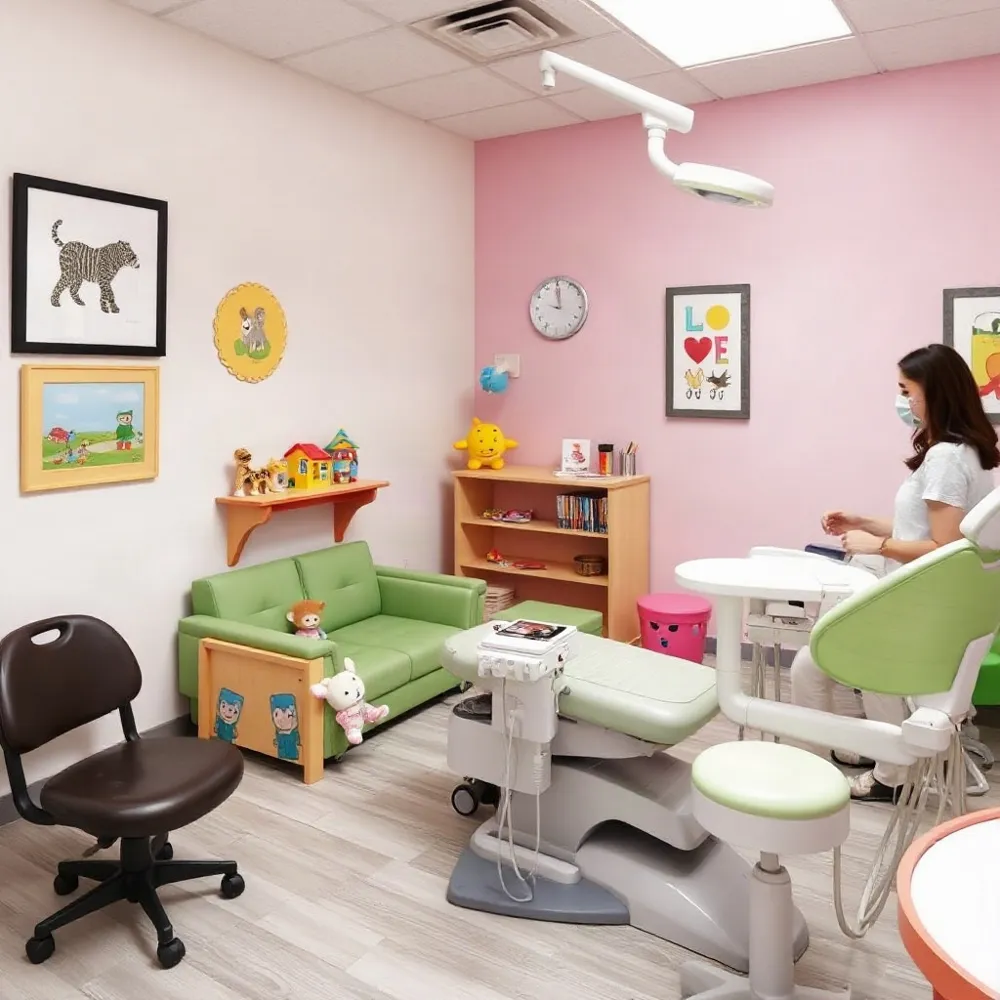
Easing Your Toddler’s First Dental Fears
Scheduling the first visit at the right age sets the tone for a lifetime of positive dental care. Pediatric experts recommend bringing your child in by their first birthday or within six months of the first tooth appearing, a guideline supported by the American Academy of Pediatric Dentistry and detailed in the A Child's First Dental Visit Fact Sheet. Early visits not only catch potential issues early but also help your child build familiarity with the dental environment before any anxiety can take root.
When the big day approaches, keep your own demeanor calm and matter-of-fact. Children are remarkably perceptive and often mirror their parents' emotions, so model a relaxed attitude and avoid using words like "hurt" or "pain." Instead, frame the visit as a routine, positive experience. For more strategies, see our guide on Helping Kids Overcome Their Fear of the Dentist, which emphasizes neutral language and a cheerful tone.
What to Expect During the Visit
A typical first appointment focuses on education and gentle examination rather than invasive procedures. The dentist will likely count teeth, check for early signs of decay, and answer your questions about brushing, flossing, and pacifier habits. This non-threatening approach, combined with a warm and welcoming team, helps reduce the dental anxiety that often peaks during the toddler years, as discussed in the dental anxiety management guide from Penn Dental Medicine.
Preparing Your Toddler at Home
- Read books or watch videos about dental visits a few days before the appointment to build familiarity.
- Role-play a dental checkup at home, letting your child be the dentist and then the patient, using a toothbrush to count teeth.
- Keep the conversation light and positive, focusing on the fun aspects like the "big chair" or a special toy.
- Schedule the visit at a time when your child is well-rested, typically in the morning, to avoid tantrums.
For toddlers who still show signs of fear, remember that preparation goes a long way. Our team at Veenstra Family Dental uses child-friendly language and positive reinforcement, and we encourage parents to arrive early so little ones can explore the space. You can also review our tips on Making Your Child's First Dental Appointment Fun and Easy to ensure a smooth start.
| Step | What to Do | Why It Helps |
|---|---|---|
| Schedule early | Book a morning slot | Child is more cooperative and alert |
| Use neutral words | Say 'clean' not 'drill' | Avoids triggering fear |
| Bring comfort items | Favorite toy or blanket | Provides a sense of security |
| Praise effort | Celebrate after the visit | Builds positive associations |
Model Calmness and Positive Words
 Children are remarkably perceptive. Long before they can name an emotion, they read your tone, your posture, and your facial expression to decide whether a situation is safe. That is why one of the most effective tools you have for calming a nervous child at the dentist is your own behavior. When you stay relaxed and speak positively, your child takes the cue and mirrors that sense of security. As one pediatric resource explains, children often mirror their parents' feelings, so keeping your tone calm and positive sets the emotional stage for the entire visit.
Choose Your Words Deliberately
The language you use matters as much as your demeanor. Avoid words like "hurt," "pain," or "shot," which can trigger immediate anxiety. Instead, use neutral, descriptive language that frames the visit as a normal and even exciting event. For example, you might say the dentist is going to "count your teeth" or "take pictures of your smile." This approach aligns with guidance from Making Your Child First Dental Appointment Fun and Easy, which emphasizes that helping a child overcome dental anxiety starts with your own attitude.
Also pay attention to what you say before the appointment. Talking about the visit in a positive, matter-of-fact way in the days leading up to it builds familiarity. Avoid making promises you cannot keep, such as "It won't hurt at all," because a child who feels any discomfort may lose trust. Instead, reassure them that the dentist will help keep their teeth healthy and strong. For more detailed scripts and phrasing, see Helping Kids Overcome Their Fear of the Dentist.
Nonverbal Cues Carry the Message
Your body language can either reinforce or undermine your words. Sit up straight, smile naturally, and maintain relaxed shoulders. If you grip the armrest or wince during a procedure, your child will notice. According to Helping Young Patients' Dental Anxiety, children pick up on non-verbal signals just as much as verbal ones. So model calmness with your entire body, not just your voice.
A simple technique is to practice "show and tell" at home. Let your child sit in a chair and practice opening their mouth while you count their teeth with a finger or a toothbrush. This playful rehearsal makes the real visit feel familiar. For more ideas on building comfort through play, Creating a Comfortable Dental Care Experience for Anxious Patients offers practical strategies.
Turn Fear into a Positive Routine
When dental visits become a positive routine, fear loses its grip. Start early and visit regularly, so the dentist's office is not a strange place. A Child's First Dental Visit Fact Sheet recommends scheduling the first visit by age one or within six months of the first tooth erupting. Making the visit a normal part of life, like a haircut or a checkup, reduces the mystery that fuels anxiety.
Celebrate small wins. After the appointment, praise your child for being brave, regardless of how they acted in the chair. Positive reinforcement after the fact is just as important as modeling calmness before. For more tips on managing dental anxiety in children, including relaxation techniques and communication strategies, How Can We Reduce Dental Fear in Children? provides research-backed insights.
What to Do When Fear Persists
Even with your best efforts, some children remain fearful. That is normal and does not mean you failed. The key is to avoid showing frustration or embarrassment. Instead, take a break if needed and revisit the visit later. What To Do When Your Kids Fear The Dentist suggests that maintaining a calm, patient presence can help your child recover from a difficult appointment more quickly.
At Veenstra Family Dental, we understand that every child is different. Our team is trained to work with nervous patients of all ages, using gentle guidance and positive reinforcement to build trust. We encourage you to bring your child in for a first dental visit that feels safe and even fun. When you model calmness and positive words, you give your child a lifelong gift: the confidence to face the dentist without fear.
Bring Comfort Items and Use Distraction
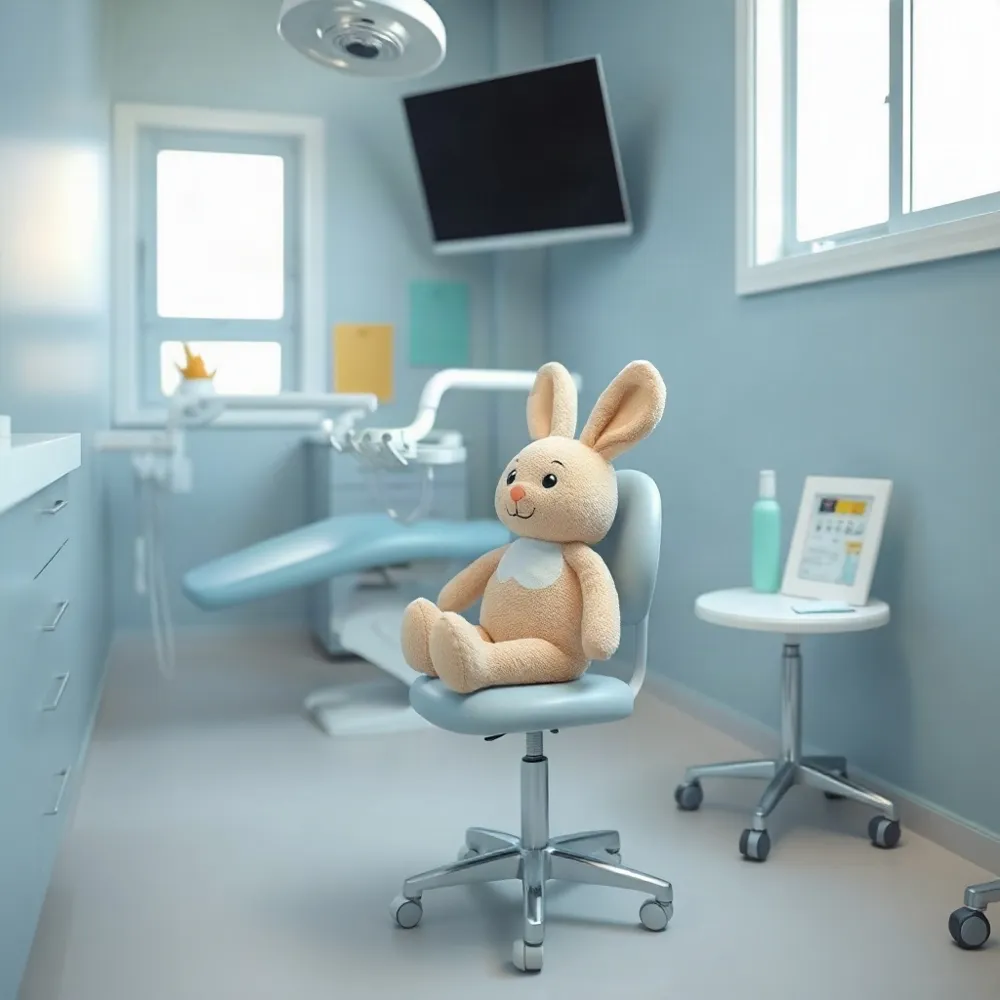 Bringing a familiar comfort item, like a favorite stuffed animal or blanket, can turn an unfamiliar dental setting into something more reassuring. These items offer a piece of home and a sense of security. You can also use the item to demonstrate what will happen during the exam, such as counting the stuffed animal's teeth with a mirror, which helps your toddler understand the process.
Distraction is another effective tool. Many parents find that bringing a small toy, book, or an electronic device with a favorite show or app can keep a child engaged during the dental visit. The goal is to keep their attention on something positive and away from the dental tools or sounds. A calm and composed approach from you is just as important, as children often mirror their parents' emotions.
Practical Distraction Strategies
There are several simple ways to use distraction during a dental visit:
- Bring a favorite book or stuffed animal that your child associates with comfort and relaxation.
- Use a smartphone or tablet with a short, favorite video or game to keep their mind occupied.
- Talk to your child in a calm, happy voice about the things they enjoy, like a recent trip or a favorite character.
When choosing a comfort item, consider something small and easy to hold, and make sure it's clean and ready for the visit. These strategies not only help reduce dental anxiety but also build a positive association with the dentist. For more detailed guidance on managing dental anxiety in children, refer to resources like How to Help Your Child Overcome Their Dentophobia and Helping Young Patients' Dental Anxiety.
Practice Tell-Show-Do at Home
 For many children, the unknown is what makes the dentist scary. The Tell-Show-Do technique breaks down that unknown by walking a child through each step before it happens. First you tell them what to expect, then you show them on a doll or model, and finally you do the real procedure. This simple sequence helps a child feel in control and reduces the surprise that fuels dental anxiety. Research shows that giving children this kind of predictable, step-by-step preparation can significantly lower their fear during dental visits.
You can practice Tell-Show-Do at home by role-playing a pretend dental visit. Use a toothbrush as the "dental tool" and let your child play dentist on a stuffed animal or on you. Talk through each step in a calm, neutral tone, and encourage your child to ask questions. The more familiar the routine feels, the more confident your child will be in the real chair. For a step-by-step guide to practicing this approach, see how to help kids overcome dental fear through play.
When your child does sit in the dental chair, the team at Veenstra Family Dental in Midland Park, NJ, uses the same gentle, tell-first-show-next approach. They explain each instrument in simple words, let your child touch the mirror, and keep the pace slow and reassuring. This one-on-one attention helps children build trust in their dentist instead of fear. If your child still feels nervous, the practice pairs Tell-Show-Do with positive reinforcement and distraction tools to keep the visit calm and even fun.
Some parents worry that practicing at home might make their child overthink the real visit. In practice, the opposite is true. Role-playing a pretend dental visit teaches children what to expect without any of the pressure of the real appointment. It turns a potentially scary situation into a game they can master. And when a child has mastered the game at home, walking into the dental office feels less like a leap into the unknown and more like the final step of a plan they already understand.
Schedule at the Right Time and Use Positive Reinforcement
The timing of a dental appointment can significantly influence how well your child copes with the experience. Children, especially toddlers, have natural rhythms of alertness, hunger, and rest. Scheduling the visit when your child is most cooperative can reduce anxiety and help create a positive association with the dentist. As outlined in our guide on making your child's first dental appointment fun and easy, choosing the right time is a foundational step.
Many pediatric dental experts recommend scheduling appointments in the morning, right after your child's normal breakfast and before nap time. At this point, most children are well-rested, alert, and more likely to cooperate. For toddlers, a missed nap can lead to fussiness and increased dental anxiety, which is why the schedule at the right time and use positive reinforcement approach is so important. Choosing a time when your child is well-rested directly supports a smoother visit.
Morning Appointments Often Work Best
A morning appointment typically allows you to work with your child's natural energy levels. After a good night's sleep and a light, healthy breakfast, toddlers are often at their best mood and most cooperative. This aligns with the advice from the American Academy of Pediatric Dentistry's resources, such as the first dental visit fact sheet, which emphasizes the importance of a positive first experience. By scheduling early, you also avoid the anxiety of a long day of waiting, which can build up in a young child's mind.
Conversely, late morning or early afternoon appointments can conflict with lunch or nap schedules. A tired or hungry child is more prone to tears and resistance, regardless of how gentle the dentist is. Understanding this connection between schedule and mood can help you set your child up for success, whether you're preparing for a routine check-up or addressing a specific concern. For more tips on reducing dental fear, see our article on helping kids overcome their fear of the dentist.
Signs of an Upcoming Appointment
Even with the best timing, some children may still feel anxious. Recognizing the signs of dental anxiety early can help you intervene. Common indicators include restlessness, clinging to a parent, crying, or verbalizing fear. When you notice these signs, refer to the strategies in our guide on creating a comfortable dental care experience, which covers positive reinforcement and distraction techniques that work alongside good timing.
At Veenstra Family Dental in Midland Park, NJ, we understand that each child is unique. Our team is experienced in working with young patients and uses a gentle, patient-centered approach to make every visit a positive one. We encourage you to schedule your child's appointment at a time that suits their routine, and we're happy to help you choose the best slot. To prepare your child further, explore our tips on preparing your toddler for a positive first dental visit.
Prepare with Questions and Familiarization
A calm, positive attitude at home is one of the most powerful tools for preparing your child's first dental visit. Children often mirror their parents' emotions, so if you treat the dentist as a normal, even exciting, part of life, your toddler is far more likely to feel the same way. Avoid using words like “hurt,” “pain,” or “shot.” Instead, talk about the dentist as a friendly helper who counts and cleans teeth. For more strategies on maintaining that relaxed tone, see Making Your Child First Dental Appointment Fun and Easy.
You can also practice dental routines at home to build familiarity before the big day. Let your toddler hold a soft toothbrush, practice brushing on a doll, or play “open wide” games where you count their teeth. These activities make the mouth a familiar place and reduce surprise during the exam. For additional guidance on establishing these routines, A Child's First Dental Visit Fact Sheet from Stanford Children's Health offers practical tips for parents.
What to Expect During the First Appointment
Knowing what happens during a first dental visit can ease both your nerves and your child's. Typically, the dentist will gently examine your child's teeth, gums, and jaw to check growth and development. The visit may include a gentle cleaning and a discussion about home care habits like brushing and flossing. The goal is to make the experience positive and educational, not to perform any procedures that could feel invasive. The American Academy of Pediatric Dentistry notes that early visits help establish a “dental home,” where care is delivered consistently and preventively.
It's also completely normal for your toddler to be unsure or fussy during the first visit. Pediatric dentists are trained to work with young children, using gentle language and a calm approach. They may use a “show, tell, do” technique, where they first show the child the instruments, then explain them in simple terms before using them. This builds trust and reduces fear. For more on managing anxiety, How Can We Reduce Dental Fear in Children? offers evidence-based insights from the National Institutes of Health.
Preparing with Questions and Familiarization
Before the appointment, make a list of questions to ask the dentist. You might ask about teething, pacifier use, or thumb-sucking habits. Writing these down helps you feel prepared and ensures you get the information you need without forgetting anything in the moment. It's also a good idea to visit the dental office beforehand if possible. Just walking into the lobby and meeting the front-desk staff can make the environment less intimidating for your child. This familiarity can significantly reduce dental anxiety on the day of the visit.
When it comes to teething or pacifier use, your pediatric dentist can provide personalized advice based on your child's specific needs. For instance, they might suggest a particular type of pacifier that supports healthy oral development or recommend a teething gel that is safe for young children. The staff at Veenstra Family Dental can guide you through these decisions, ensuring that your child's oral health is on the right track. For more tips on handling common toddler dental questions, What To Do When Your Kids Fear The Dentist provides additional strategies.
Making the Visit Fun and Stress-Free
Turn the first visit into an adventure. Read books about visiting the dentist, or let your child bring a favorite stuffed animal to hold during the exam. Many pediatric dental offices have a “happy” theme with colorful decorations and toys, which can capture your child's interest. You can also use positive reinforcement afterward, like a sticker or a trip to the park. At Veenstra Family Dental, we create a welcoming, child-friendly environment designed to put both you and your child at ease. Our team uses positive reinforcement and distraction techniques to help even the most anxious toddlers feel comfortable.
If your child still shows signs of fear, don't be discouraged. Dental anxiety is common, and there are many ways to address it. For example, you can use How to Reduce Dental Anxiety in Kids | A Complete Guide to learn about desensitization techniques, or Manage Dental Anxiety in Children Effectively for tips on breathing exercises and visualization. The key is to stay patient and consistent. With time, most children learn to look forward to their dental visits.
Long-Term Benefits of Early Dental Visits
Establishing a positive relationship with the dentist early on has lifelong benefits. Children who visit the dentist by age one are more likely to maintain good oral health throughout childhood and into adulthood. Regular check-ups help prevent tooth decay, which is one of the most common childhood diseases, and catch any issues early when they are easier to treat. Moreover, these visits build a foundation of trust that makes future dental care less stressful. By prioritizing your toddler's dental health now, you are setting them up for a lifetime of healthy smiles.
At Veenstra Family Dental in Midland Park, NJ, we specialize in caring for young patients with a gentle, personalized approach. Our team can answer your questions, address your concerns, and make the first visit a positive experience for the whole family. If you have questions about preparing your child for their first dental visit, or if you'd like to schedule an appointment, we're here to help. You can also read Helping Kids Overcome Their Fear of the Dentist for more tips on reducing anxiety before your visit.
What to Avoid Saying or Doing
Helping a child move past dental fear starts with your own calm, confident attitude. Children take their emotional cues from parents, so approaching the visit with a relaxed tone and neutral language sets the stage. Instead of warning about possible discomfort, frame the appointment as a routine part of staying healthy. The American Academy of Pediatric Dentistry notes that early positive visits reduce anxiety and build trust, which is why preparation matters as much as the checkup itself.
Using the right words makes a real difference. Avoid phrases like "hurt" or "shot," and replace them with simple, honest explanations. For example, you might say the dentist will "count your teeth" or "take a ride in the big chair." This approach aligns with advice from pediatric dental professionals who emphasize positive framing. Keeping your own facial expressions and body language upbeat reinforces the message that there's nothing to fear.
Prepare Before the Appointment
Preparation reduces surprises, and surprises often trigger fear. Talk about the visit in advance using a story-like tone, and role-play what will happen, such as opening wide for the mirror. A fun book or a simple game at home can make the idea familiar. For guidance on what to avoid saying, see this resource on how to reduce dental anxiety in kids. Also, schedule the appointment at a time when your child is well-rested and fed, so they're less likely to feel overwhelmed.
What you say afterward matters too. Praise your child for being brave, and avoid using the dentist as a threat like "If you don't brush, you'll need a filling." That kind of language can create long-term fear. Instead, keep the tone positive and matter-of-fact. At Veenstra Family Dental, our team is trained to work gently with children, using show-tell-do techniques and plenty of encouragement to help each visit feel like a win.
What to Do During the Visit
During the appointment, your role is to stay calm and supportive. Let the dental team lead the interaction, and resist the urge to interject unless your child needs reassurance. Many pediatric dentists use distraction tools like cartoons or gentle conversation to keep young patients engaged. If your child becomes anxious, a practiced breathing exercise or a favorite toy can help. For more strategies, this guide on helping kids overcome dental fear offers research-backed methods that work well for younger children.
Remember that building positive dental habits takes time and repetition. Each visit that goes well reduces the chance of future anxiety, so celebrate small victories along the way. If your child has a particularly hard time, consider scheduling a short, non-invasive "happy visit" just to let them explore the office and meet the team. For more ideas on making dental care enjoyable, this article on making visits fun provides practical tips you can use at home.
Turning Fear Into a Lifetime of Healthy Smiles
Ultimately, the goal isn't just to get through one appointment; it's to build a foundation of trust that lasts a lifetime. By modeling calmness, using positive language, and preparing thoughtfully, you can turn a potentially scary experience into a normal, even enjoyable part of your child's health routine. At Veenstra Family Dental, we're here to support you every step of the way, with a warm, family-focused approach that puts your child's comfort first.
Model calmness. Children mirror your emotions, so stay relaxed and positive before and during the visit.
Use neutral words. Avoid terms like "pain" or "shot" and instead describe the exam in friendly, concrete terms.
Prepare with stories. Role-play and read books about dental visits to build familiarity and reduce surprises.
Let the team lead. Trust the dental staff to guide the appointment and only step in to offer quiet reassurance.
Praise and repeat. Celebrate bravery after each visit, and consider extra non-invasive visits to build comfort.
When to Consider a Pediatric Dentist
Many parents wonder if they need to see a specialist for their child's first visit. A pediatric dentist is a specialist who has completed two to three years of additional training after dental school, focusing entirely on child development, behavior guidance, and anxiety management.
For a child who already shows signs of dental fear, that extra training matters. Pediatric dentists are skilled at using communication techniques such as the Tell-Show-Do method, which explains each step in a calm, non-threatening way before performing it. They also rely on distraction, positive reinforcement, and age-appropriate conversation to build trust during an exam.
The physical environment itself can make a difference. Pediatric dental offices are designed with bright, colorful walls, scaled-to-size equipment, and child-friendly entertainment. At veenstradental.com, this focus on comfort helps anxious patients shift their attention away from fear and onto the experience.
Children with special health care needs — including those with sensory sensitivities, autism, or ADHD — often benefit most from a pediatric specialist. These dentists have deeper experience adapting their approach to each child's developmental level and can accommodate a variety of needs without rushing or forcing cooperation.
Is a pediatric dentist better for your child's dental anxiety? Research and expert opinion say yes. The specialized training, child-designed environment, and kid-friendly communication techniques make pediatric dentists a strong choice for easing first-visit fears and building a foundation of trust.
Building Lifelong Healthy Smiles Together
A first dental visit that feels safe and positive sets the stage for a lifetime of healthy habits. When children build early comfort with the dentist, they are more likely to maintain regular checkups as they grow, avoiding the dental anxiety that affects nearly 20 percent of children.
A welcoming, family-focused practice like Veenstra Family Dental prioritizes a calm environment with gentle, trained staff who understand how to guide young patients through each step. This approach turns a potentially stressful milestone into a foundation for confident, lifelong oral care.
Parents can feel reassured that with the right preparation, a supportive practice, and consistent visits, their child's dental fears will lessen over time. Each positive experience builds trust, making the dentist a familiar and friendly part of their child's health journey.