Prioritizing Your Oral Health During Unexpected Dental Emergencies
A dental emergency often arrives without warning, turning a typical day into a stressful situation. Maintaining composure is your first step to preventing further injury, as panic often leads to reactive behavior like improper handling of damaged teeth or gums. Per National Institutes of Health data, rapid intervention is essential to managing severe pain, mitigating infection, and preserving your natural smile.
Speed is particularly vital when dealing with an avulsed, or knocked-out, permanent tooth. American Association of Endodontists research highlights that the best prognosis for saving a tooth exists when you act within 30 to 60 minutes. While you should prioritize contacting a provider, knowing how to store the tooth in milk or a specialized preservation solution can make a difference in long-term outcomes.
Compassionate, professional support remains a pillar of the care delivered at Veenstra Family Dental. We understand that urgent trauma requires more than just clinical skill; it demands a dedicated, calm response from a team that knows your history. Because we maintain flexible scheduling for our patients in Midland Park, we can often facilitate the immediate assessments necessary for timely repair, helping you avoid more invasive and expensive restorative work later.
Recognizing When a Dental Issue Requires Immediate Professional Attention
 A dental emergency encompasses any situation requiring immediate professional attention to address severe pain, trauma, or the risk of systemic infection. Qualifying conditions include a severely knocked-out or dislodged tooth, persistent oral bleeding, and intense throbbing pain that does not subside with over-the-counter medication. According to the Cleveland Clinic, you should also seek urgent care for signs of an abscess, such as swelling in the face, gums, or jaw, often accompanied by fever.
- Uncontrolled bleeding that persists after 15 to 20 minutes of firm pressure.
- Facial or jaw swelling that may impact swallowing or breathing.
- Deep cracks or fractures resulting in nerve exposure or severe discomfort.
- Traumatic injury leading to a knocked-out permanent tooth.
Distinguishing between an urgent crisis and a non-urgent concern often comes down to the severity of your symptoms. While a minor chip or a lost filling is inconvenient, these scenarios can typically wait for a standard office visit if pain is controlled. In contrast, mouthhealthy.org notes that persistent or worsening pain is a clear signal that an underlying condition, such as deep decay or an advanced infection, requires professional diagnosis. Unlike general urgent care facilities that may only provide temporary antibiotics without fixing the structural issue, Veenstra Family Dental prioritizes time in our schedule to perform the necessary, compassionate restorative care that resolves the problem at its source.
If you are unsure whether your situation warrants an emergency trip, it is always safer to call. Prompt intervention is critical to protecting your long-term oral health, significantly reducing the chances of requiring more invasive or expensive restorations later. We aim to support patients through these stressful moments with clear instructions, preventing the common mistakes that can worsen an injury, such as mismanaging a knocked-out tooth or attempting to drain a painful abscess at home.
Life-Saving First Aid for a Knocked-Out Permanent Tooth
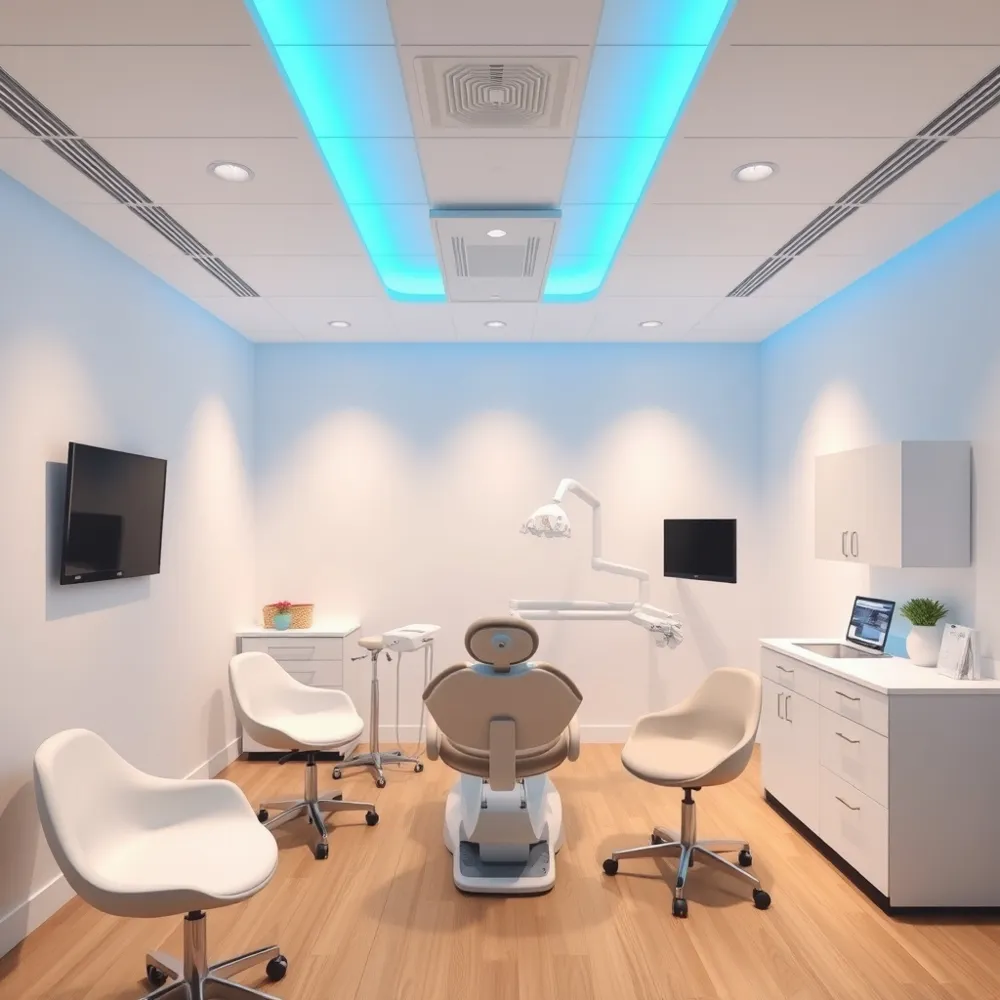 When a permanent tooth is knocked out, or avulsed, your immediate reaction can be the deciding factor in saving your smile. According to the American Association of Endodontists, the most critical window for successful reattachment is within the first 30 to 60 minutes after the injury. During this time, every second counts, and professional emergency dental care is essential for the best possible outcome.
What should I do if my permanent tooth is knocked out?
If you knock out a permanent tooth, handle it only by the crown and never touch the root. If the tooth is dirty, gently rinse it with water, but do not scrub or use soap. Try to place the tooth back into its socket immediately, holding it in place with a clean piece of gauze or cloth. If immediate replantation is not possible, keep the tooth moist by placing it in a container of milk or saliva and contact our office right away. Seeking professional dental care within 30 minutes significantly increases the chances of saving your tooth, and our team is ready to provide the urgent, compassionate care you need.
Common mistakes during this emergency can irrevocably damage the delicate cells on the root surface. Research from the Mayo Clinic warns that using regular tap water for storage is harmful because it lacks the necessary osmotic balance to keep cells alive. Similarly, scrubbing the root or drying the tooth with tissue can destroy the connective tissue required for it to fuse back into your jawbone.
At Veenstradental.com, we prioritize streamlined new patient registration processes so that in moments of trauma, your focus remains entirely on receiving care rather than paperwork. Unlike general emergency rooms that may only offer temporary pain management, our practice provides the specialized, long-term oral wellness commitment required to stabilize your tooth and protect your dental health for the future.
Managing Trauma When the Tooth Cannot Be Located
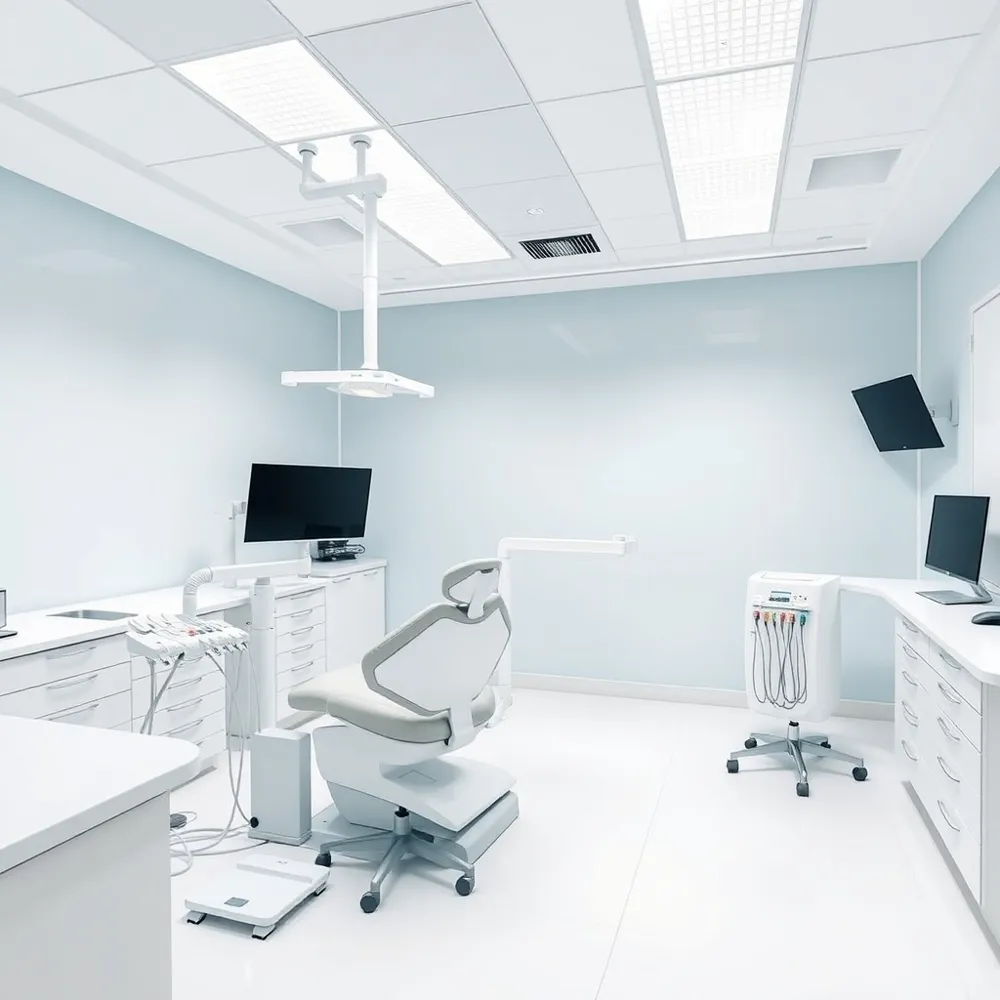 A knocked-out tooth is always considered a dental emergency, even if you are unable to locate the missing tooth. 1 You must seek immediate professional evaluation to check for potential jaw fractures, internal bone damage, or remaining tooth fragments that could cause secondary infections or complications during the healing process.
When you visit Veenstra Family Dental, our team performs a comprehensive assessment to address physical trauma beyond the missing tooth itself. We check for soft tissue lacerations or displacement of surrounding teeth that might require stabilization. While other providers may focus only on the immediate pain, we prioritize proactive care to ensure the bone and gum environment remain healthy.
Even without the original tooth, addressing the gap is critical to prevent long-term shifting of your remaining dentition. After the initial injury has passed and the site has healed, we can discuss reliable restorative solutions to restore your smile 1. These options often include dental implants or custom bridges designed to fit your unique oral health needs.
- Avoid using your teeth as tools to prevent future accidents.
- Wear a custom-fitted mouthguard for high-impact activities.
- Keep our, Veenstra Family Dental, emergency contact information accessible at all times.
When Emergency Room Care Is Necessary Versus Dental Office Support
Distinguishing between a standard dental emergency and a medical crisis is crucial for receiving appropriate treatment. While Veenstra Family Dental provides comprehensive care for urgent issues like avulsed teeth or severe abscesses, hospital emergency departments serve a different purpose. Emergency rooms focus on stabilizing life-threatening conditions, such as airway compromise due to severe swelling, significant facial trauma, or uncontrollable hemorrhage that persists despite 15 to 20 minutes of firm pressure my.clevelandclinic.org.
Should I go to the emergency room for severe tooth pain or a dental infection?
In most cases, an emergency room is not equipped to perform dental extractions or complex restorative procedures. While ER staff may manage pain with medication or provide antibiotics for infections, they cannot replace a lost filling, repair a fractured crown, or treat the root cause of a dental abscess my.clevelandclinic.org. For these specialized needs, contacting a dentist is the most effective step. Many professional practices, including Veenstra Family Dental, prioritize urgent slots for established patients, ensuring that definitive care is administered as quickly as possible without the delays and limitations often encountered in a clinical hospital setting.
Effective After-Hours Communication and Symptom Management
When a dental crisis strikes outside of standard business hours, immediate action is necessary to safeguard your oral health. Because time often determines the success of procedures like replanting a tooth, Veenstra Family Dental prioritizes keeping lines of communication open for our patients in Midland Park. If you find yourself in need of urgent care, call our office directly, where you can often access instructions or our emergency contact line to receive guidance for your specific situation.
How should I handle a dental emergency if it happens after hours or on the weekend?
If our office is closed, assessing your symptoms is the first step toward relief. For oral trauma involving swelling, a cold compress held firmly against the cheek for 10 to 15 minutes can effectively minimize discomfort per the Cleveland Clinic. If you lose a filling or a crown, it is safe to use temporary dental cement or sugar-free gum to cover exposed tooth structure until you can reach our team for a permanent, professional repair.
Safety remains paramount during these interactions. Never place aspirin or other painkillers directly on the gum tissue or the tooth itself; as noted by the American Dental Association, this common mistake causes chemical burns to the soft tissue, which complicates your pain further. If you experience uncontrolled bleeding or facial swelling that compromises your airway, proceed directly to the nearest emergency room. For non-life-threatening but urgent scenarios, early contact remains your best strategy to avoid long-term complications and to ensure you have a secured plan for streamlined new patient registration or necessary emergency intervention.
Prioritizing Prevention to Avoid Future Dental Crises
Many dental emergencies are avoidable through proactive habits. Wearing a custom-fitted mouthguard during athletic activities creates a vital barrier against trauma that could otherwise result in an avulsed tooth. Because more than five million teeth are knocked out annually in the US, protective gear remains the most efficient defense for patients of all ages.
Small changes in daily routine also reduce risk significantly. You should stop using your teeth as tools for opening packages and avoid chewing on ice, popcorn kernels, or hard candies that often cause unexpected fractures. At Veenstra Family Dental, we emphasize consistent dental check-ups to identify potential vulnerabilities before they escalate into painful crises. Scheduling routine exams allows our team to address minor chips or hidden decay early, saving you from more invasive, costly repairs in the future.