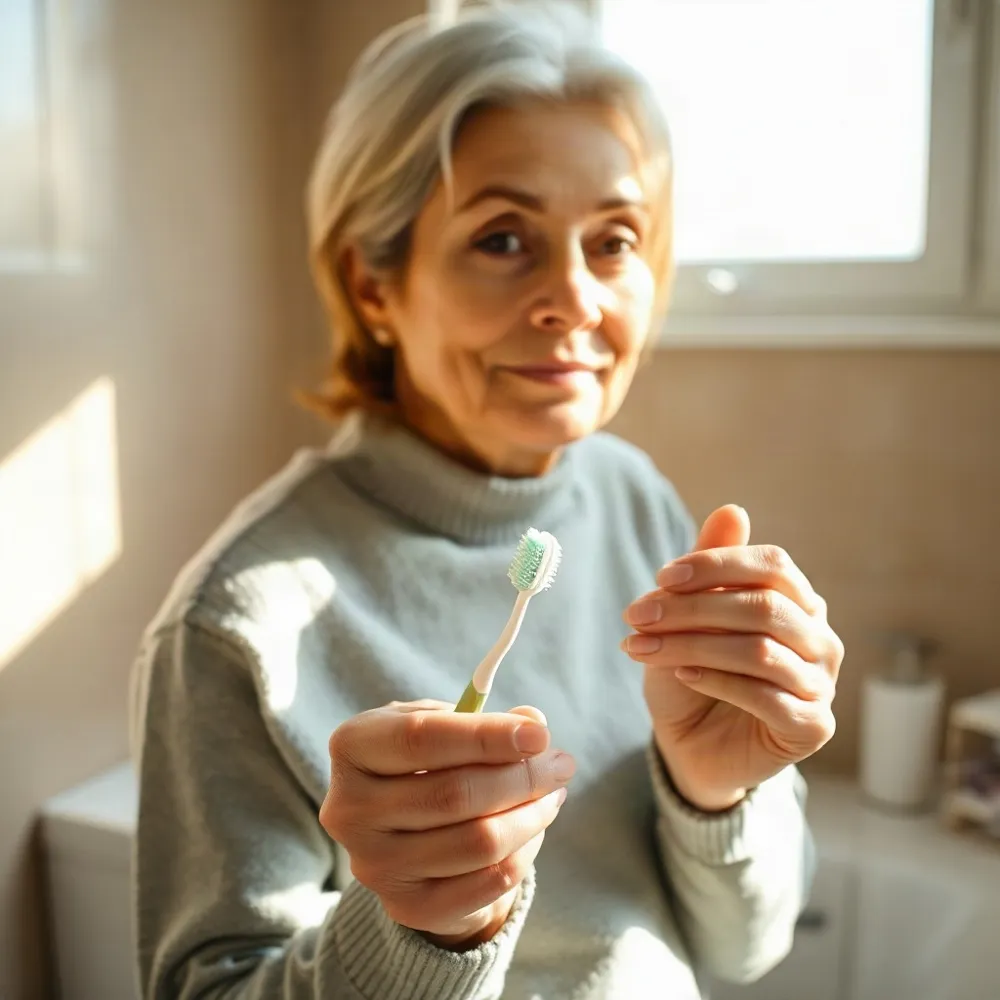
Building Healthy Habits Starts at Home
Teaching children proper brushing from an early age builds the foundation for a lifetime of healthy smiles. At Veenstra Family Dental, we believe that learning together at home makes dental care a positive, rewarding experience.
In this guide, parents will discover when to begin brushing, the correct techniques for different ages, creative ways to make brushing fun, and signs that children are ready to brush on their own.
When to Begin: Oral Care from Day One
 Parents often ask when oral care should begin. The answer is from day one. Even before the first tooth appears, gently wiping your infant's gums after each feeding with a clean, damp washcloth or piece of gauze helps clear away milk residue and bacteria. This simple practice, recommended by the Children's Hospital of Philadelphia, sets a foundation for healthy habits.
Once the first tooth erupts — usually around six months of age — it is time to start brushing. Use a soft-bristled, child-sized toothbrush with water or a very small amount of fluoride toothpaste. The American Dental Association advises a rice-sized smear of fluoride toothpaste for children under three years old, and a pea-sized amount for children ages three to six.
Children need help brushing until around age seven or eight. The CDC recommends that parents supervise brushing to ensure proper technique and that the child spits out the toothpaste. Many families find it helpful to brush together as part of the morning and bedtime routine.
The first dental visit should be scheduled by the child's first birthday or within six months of the first tooth, whichever comes first. At Veenstra Family Dental, early visits focus on education and gentle familiarization, helping children feel comfortable in the dental chair and giving parents personalized guidance on brushing routines and fluoride use.
The Best Brushing Technique for Children
 The first step toward a proper clean is choosing the right tool. A child-sized toothbrush with a small head (about 1 inch by 1/2 inch), soft nylon bristles with rounded ends, and an easy-grip handle protects delicate gums while reaching every tooth surface. Many parents find that letting a child pick their own toothbrush in a favorite color or with a fun character makes the tool itself a motivator.
Position and Motion Matter
For effective plaque removal, hold the toothbrush at a 45-degree angle toward the gumline. Use gentle circular or elliptical strokes — a back-and-forth scrubbing motion can cause receding gums and wear down tooth enamel over time. According to Children's Hospital of Philadelphia, it is best to brush only a small group of teeth at a time, gradually covering the entire mouth.
For very young children, the Fones technique works well: the child closes their teeth together and the parent uses large, gentle circles over every surface. This simple method requires no precise movements, making it an ideal starting point before a child develops the coordination for more detailed brushing.
Cover All Surfaces, Every Time
A thorough brushing session cleans three surfaces on each tooth: the outside (cheek side), the inside (tongue side), and the chewing surfaces. Gently brush the tongue as well to remove bacteria and freshen breath. Breaking the mouth into four quadrants (upper left, upper right, lower left, lower right) and spending about 30 seconds on each helps ensure no area is missed.
Two minutes of brushing twice a day — once in the morning and once before bed — is the standard recommendation. A two-minute song, a timer, or a children's brushing app can keep the routine on track. The ADA advises that a worn brush is less effective, so replace it every three to four months or as soon as the bristles fray.
When to Start Flossing
Flossing should begin as soon as two teeth touch each other, which often happens between ages two and three. Kid-friendly flossers with plastic handles make the task simpler for small mouths. Until about age ten, children typically need help from a parent to floss effectively.
Throughout these early years, parents at Veenstra Family Dental recommend supervising and assisting with brushing until a child is around age seven or eight — roughly the same time they can tie their own shoelaces. Regular professional cleanings and checkups complement the home routine, catching any spots a young brusher might have missed.
Making Brushing Fun: Creative Tips that Work
Turning toothbrushing from a chore into a game makes it something children look forward to. A little creativity goes a long way toward building habits that last a lifetime.
Let Them Choose Their Tools
Letting your child pick their own toothbrush (favorite color or character) and toothpaste (cool stripes, sparkles, or fruit flavors) gives them a sense of ownership over the routine. Products with the ADA Seal of Acceptance, including fluoride toothpaste in child-friendly flavors, are both safe and appealing.
Music, Timers, and Apps
Instead of a standard timer, play a two-minute song or music video while your child brushes. Brushing apps with animated characters can also keep kids engaged for the full duration. At Veenstra Family Dental, we often recommend these digital tools to families looking for simple ways to make brushing feel like play.
Superhero Stories and Reward Charts
Create a tooth care story where your child is a superhero who brushes away cavity-causing "sugar bugs." Pair this with a visual reward chart — stickers for each successful brushing session can lead to small, age-appropriate prizes like a new book or a trip to the park.
Brush Together as a Family
Children learn by watching. When you brush side-by-side with your child after breakfast or before bed, you model proper technique and show that oral care is a normal part of everyone's day. For sensory-sensitive children, experiment with silicone finger brushes, soft electric toothbrushes, or different bristle textures until you find what feels comfortable.
When Kids Can Brush Solo: Milestones to Watch For
Children typically lack the fine motor skills needed to brush effectively until they are between 6 and 8 years old. A helpful rule of thumb: when your child can tie their own shoelaces, they likely have the coordination to brush independently.
Even after they start brushing on their own, parents should supervise and periodically check that all tooth surfaces are being cleaned for a full two minutes. At Veenstra Family Dental, we recommend working with your child to build confident, independent brushing habits as part of their lifelong oral health journey.
Ages and Stages of Brushing Independence
Ages 1-3. Parents do the actual brushing, letting the child hold a soft brush to practice getting used to the sensation.
Ages 4-5. Children can begin to practice brushing with active supervision. They may only reach front teeth, so parents should step in to finish the job.
Ages 6-8. Children are ready for more independence but still need occasional reminders and check-ins to ensure thorough cleaning.
Age 9 and up. Children typically have the coordination to brush thoroughly on their own. The parent's role shifts to a supportive coach.
Children will need help with brushing until they are about 7 or 8, as recommended by the Children's Hospital of Philadelphia. Customizing independence based on each child's individual development is important. The same progression applies to flossing — parents should assist or supervise until around age 10, using pre-threaded flossing sticks to make the process easier.
Simple Rules for Lifelong Smiles: 2-2-2 and Beyond
 A simple, proven framework can make daily oral care easy to remember. The 2-2-2 rule recommends brushing two times each day for two full minutes, and visiting the dentist two times per year. This routine helps remove plaque, strengthens enamel with fluoride toothpaste, and allows for professional cleanings to catch small issues early.
For children at higher risk of cavities, some families adopt the 3-3-3 rule as an alternative. This guideline suggests brushing three times a day for three minutes each session and avoiding food or drink for three hours before bedtime. Limiting overnight sugar exposure can help reduce acid attacks on tooth enamel.
No matter which schedule you follow, the quality of each brushing session matters more than the time spent. The American Dental Association recommends using a fluoride toothpaste that carries the ADA Seal of Acceptance, as this ensures safety and effectiveness. For children under 3 years old, use a smear of toothpaste the size of a grain of rice. For children ages 3 to 6, a pea-sized amount is appropriate.
Toothbrushes should be replaced every 3 to 4 months or sooner if the bristles become frayed, according to the Children's Hospital of Philadelphia. A worn brush removes less plaque and can be harsher on gums. At Veenstra Family Dental in Midland Park, the team personalizes preventive care for each child, helping families choose the schedule and tools that best fit their needs.
Whether you follow the 2-2-2 rule or explore options like the 3-3-3 approach, the goal is the same: build a consistent, effective routine that protects your child's smile for years to come. Your dentist can help determine which framework is best based on your child's oral health and risk factors.
Your Partner in Pediatric Dental Care
The ideal time to start caring for your child's mouth is earlier than most parents expect. Even before the first tooth appears, gentle gum cleaning with a clean, damp cloth after feedings helps remove bacteria and sets the stage for a healthy mouth. This simple routine introduces the concept of oral care without any fuss, making the transition to brushing more natural later on.
Once that first tooth erupts, typically around six months, it is time to switch to a small, soft-bristled toothbrush with a smear of fluoride toothpaste. According to the CDC's oral health tips for children, starting early with proper brushing habits protects against decay from the very beginning. Use plain water or a minimal amount of paste, and supervise closely to ensure no swallowing.
Building the Brushing Routine
Establishing a consistent routine is the backbone of pediatric oral health. Brush twice daily, morning and night, for two minutes each session. To make this engaging, try a few playful techniques: teaching kids about dental hygiene through interactive games suggests using play-dough between blocks to simulate flossing, or drawing spots on paper for kids to erase while brushing. These activities turn chore into fun, increasing compliance without the struggle.
For younger children, the American Dental Association's guide emphasizes using a pea-sized amount of toothpaste and supervising until about age six or seven, when kids develop the manual dexterity to brush effectively on their own. Regular checkups at Veenstra Family Dental can reinforce these habits, as our team offers personalized guidance for every age group.
| Age Group | Toothpaste Amount | Brushing Frequency |
|---|---|---|
| 0-2 years | Smear (rice-sized) | Twice daily |
| 3-6 years | Pea-sized | Twice daily |
| 7+ years | Pea-sized | Twice daily, supervised |
Start Your Child’s Smile Journey Today
Many parents assume dental care begins with the arrival of the first tooth. In reality, oral hygiene starts much earlier, during the infant stage. Even before teeth erupt, gently wiping your baby's gums with a clean, damp cloth after feedings helps remove bacteria and sets the stage for a healthy mouth. According to the CDC, starting these habits early can prevent early childhood cavities and set the foundation for a lifetime of good oral health.
Once that first tooth appears, typically around six months, it's time to switch to a soft-bristled, child-sized toothbrush. Use a smear of fluoride toothpaste no larger than a grain of rice, and brush gently twice a day. The American Dental Association's recommendations for caregivers highlight that this early routine not only cleans teeth but also familiarizes your child with the sensation of brushing, making future habits easier to establish.
Building the Routine: Toddler and Preschool Years
As your child grows, their oral care needs evolve. By age three, you can increase the toothpaste amount to a pea-sized dab, but continue to supervise brushing to ensure they spit rather than swallow. Making brushing fun is key to cooperation. Simple games like the "Lego flossing" activity, where play-dough between blocks simulates debris between teeth, or the "Eraser-brush" technique that uses paper spots, turn a chore into play. These engaging methods, detailed by resources like Colgate, help children understand the importance of reaching every surface.
It's also the ideal time to introduce the first dental visit. The American Academy of Pediatric Dentistry recommends scheduling by the first birthday or within six months of the first tooth erupting. A positive first experience, as outlined in our guide to preparing your child for their first dental cleaning, can prevent dental anxiety and build trust. At Veenstra Family Dental, we specialize in making these early visits gentle and enjoyable, ensuring your child feels safe and comfortable in our care.
School-Age Children: Reinforcing Independence
Once your child starts school, they can begin to take more responsibility for their own brushing, but supervision is still essential. Children lack the manual dexterity to brush effectively on their own until around age eight. Continue to brush or oversee brushing twice daily, and consider using disclosing tablets to reveal any missed spots. This not only reinforces proper technique but also turns oral hygiene into a visual, interactive game.
This is also the time to address habits like thumb-sucking and pacifier use, which can affect the alignment of teeth and jaw. Early guidance from our team can help you navigate these challenges and determine if early orthodontic evaluation is needed. By partnering with families, we aim to make oral health a seamless part of your child's daily routine, just as our comprehensive guide to preventive dentistry recommends.
| Age Group | Toothpaste Amount | Brushing Frequency | Supervision Level |
|---|---|---|---|
| 0-3 years | Rice grain size | Twice daily | Full supervision |
| 3-6 years | Pea size | Twice daily | Active supervision |
| 6+ years | Pea size | Twice daily | Check and assist |