The Digital Revolution in Your Dentist's Chair
The shift from traditional film X-rays to digital radiography transformed how dentists detect and diagnose problems. Instead of waiting for film to develop, providers now capture high-resolution images instantly, exposing decay, bone loss, and impacted teeth with far less radiation exposure for the patient.
Beyond sensor-based radiographs, 3D cone-beam CT scanners offer another leap forward. These devices generate a detailed, three-dimensional view of the teeth, roots, and jaw structure, which is especially valuable for planning implants, evaluating wisdom teeth, and identifying pathology that would be easy to miss on a conventional two-dimensional image.
Digital radiography. Replaces film with electronic sensors, producing instantly viewable images that are easy to store and share. This approach can reduce radiation exposure by up to 80% compared with traditional X-rays, a finding highlighted in a 2019 public health review.
3D imaging. Also called cone-beam CT, this technology builds a three-dimensional model of the patient's anatomy, enabling precise measurements for surgical and orthodontic procedures while keeping dosage low.
Intraoral cameras. Small pen-sized cameras let patients see what the dentist sees on a chairside screen. This visual aid turns abstract explanations into concrete conversations, helping people make more informed decisions about their care.
These imaging tools do more than improve accuracy. They also change the patient experience, replacing the old "open wide and hope for the best" uncertainty with clear, visual explanations of what is happening and why. A 2023 systematic review on innovations in dentistry notes how digital workflows allow practices to diagnose earlier and communicate findings more effectively.
Practices that invest in these technologies, such as those at Veenstra Family Dental, can catch issues earlier and explain them in plain language. When a provider pairs digital imaging with clear communication, appointments feel less intimidating and patients leave with a better understanding of their oral health.
| Technology | Main Benefit | Patient Experience |
|---|---|---|
| Digital X-rays | Lower radiation | Faster scans |
| 3D cone-beam CT | Detailed anatomy views | Better surgical planning |
| Intraoral cameras | Visual explanations | More informed decisions |
From Film to Pixels: Imaging Innovations
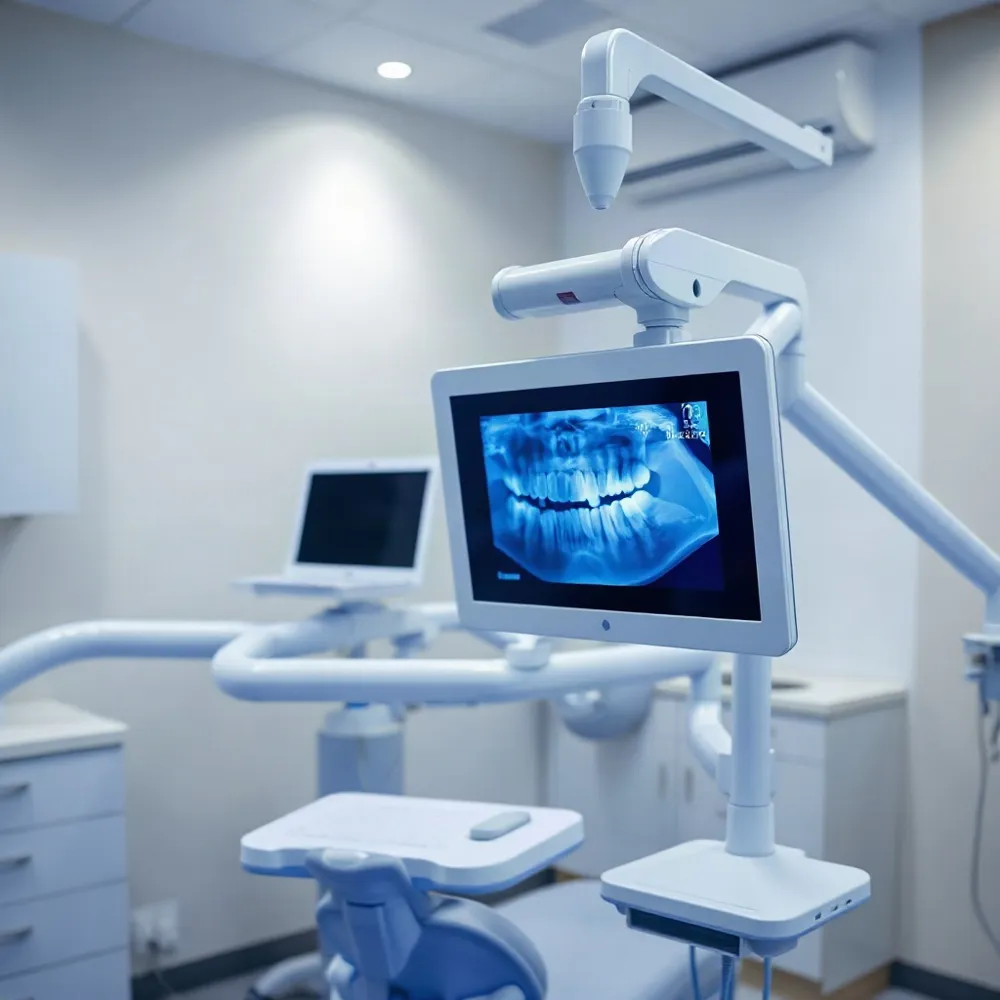 The transition from traditional film X-rays to digital X-rays marked a fundamental shift in dental diagnostics. Instead of waiting for chemical processing, sensors capture images of hard and soft tissues that appear on a computer screen in seconds. This change eliminates the delays of older methods and reduces radiation exposure by up to 80% compared to traditional film, making routine imaging safer for patients.
Digital sensors are only part of the story. Intraoral cameras give dentists and patients a real-time, high-resolution view inside the mouth, displaying areas that are difficult to see with the naked eye. This immediate visual feedback helps patients understand their own oral health and supports more informed conversations about treatment options — a principle that Veenstra Family Dental puts into practice by combining clear explanations with advanced imaging tools.
For complex cases, cone-beam CT (CBCT) provides detailed three-dimensional scans of teeth, roots, nerves, and bone structures in a single rotation around the patient's head. Unlike standard two-dimensional X-rays, CBCT gives clinicians a full volumetric view that is especially valuable for planning implant placements, evaluating root canals, and assessing jaw relationships before orthodontic work. When facial scans are aligned with CBCT and intraoral scans, dentists can create highly detailed treatment plans tailored to each patient's unique oral anatomy.
These imaging advances substantially improve early detection. Caries, periodontal bone loss, and oral pathologies can be spotted sooner than traditional methods allowed, often before symptoms develop. The ADA recognizes digital imaging as essential for modern diagnostic and treatment assessment, supporting everything from routine checkups to presurgical evaluation.
Precision Without the Mess: Digital Impressions and 3D Printing
 Traditional dental impressions involved biting into trays of alginate or silicone putty, a process many patients found messy and uncomfortable. Intraoral scanners now replace those materials with a slim, wand-like camera that captures hundreds of thousands of images per second. The wand projects structured light onto the teeth, and the practice's software stitches the images into a precise 3D digital model. This transition removes the need for gag-inducing trays and bulky impression materials, a change that has made the dental chair far more welcoming for patients of all ages.
The speed and detail of digital scanning also benefit the dentist and hygienist. A full arch can be captured in a few minutes, and the resulting model appears instantly on a chairside screen. This allows the care team to zoom in, rotate, and assess restorations with clarity that film or physical models never offered. For many patients, seeing their own teeth on the monitor builds trust and understanding, turning what was once a mysterious procedure into an open conversation.
Precision Without the Mess: Digital Impressions and 3D Printing
The move to digital impressions is a cornerstone of modern dental technology. Where traditional putty could shrink, tear, or trap bubbles, a digital scan is captured in under a minute with exceptional accuracy, as detailed in a comprehensive review of digital dentistry's evolution. This precision carries directly into 3D printing: a digital model can be sent to an in-office printer to produce crowns, aligners, or surgical guides in a single visit. The result is same-day restorations that fit better and require less adjustment.
This precision is especially valuable in restorative and orthodontic work. With a clear digital model, the dentist can plan a crown or aligner's placement down to the millimeter before any material touches the tooth. Patients also avoid the taste, smell, and mess of traditional impression chemicals, which is a common anxiety trigger. For a practice like Veenstra Family Dental, adopting these tools is part of a commitment to making visits comfortable using modern, patient-friendly technology.
Intraoral scanners and 3D printing are not just conveniences; they are also changing how dental care feels. The elimination of trays means no more gagging or the constant replacing of ill-fitting temporary fillings. A digital workflow produces accurate models that can be shared with a lab electronically, reducing turnaround time. As the influence of technology on dental care highlights, these innovations are improving both the clinical outcome and the patient experience.
| Aspect | Traditional Impressions | Digital Scanning |
|---|---|---|
| Material | Alginate or putty trays | Optical scan, no material |
| Time | Minutes of setting | Under a minute |
| Comfort | Messy, gagging | Minimal discomfort |
| Accuracy | Potential for distortion | Extreme precision |
| Patient display | Physical model | Instant 3D on screen |
Improved accuracy directly translates to chair time saved. A better-fitting crown or aligner reduces the need for numbing and adjustment, making the visit less stressful for both patient and dentist. For families, this means children are less likely to fear the scanner than the taste of traditional material, and adults appreciate the reduced appointment length. As dental technology continues to evolve, the intersection of digital scans and 3D printing is a tangible step toward a more efficient and comfortable patient experience at Veenstra Family Dental.
Gentler Care with Lasers and Minimally Invasive Tools
 Laser dentistry has changed what a dental appointment feels like. Instead of scalpels, sutures, and the vibration of a drill, modern practices like Veenstra Family Dental use focused light energy to treat soft tissue and hard tissue with remarkable precision. The approach is part of a broader shift in the field: digital dentistry now pairs advanced imaging with tools that remove less natural tooth, which means faster healing and more comfortable visits for patients of every age.
Lasers excel at gum reshaping, cavity preparation, and treating soft tissue lesions, often without the need for stitches or anesthesia. Because the light seals small blood vessels as it works, patients typically experience less bleeding, less swelling, and a noticeably shorter recovery. This minimally invasive philosophy is a core reason Veenstra Family Dental invests in laser technology and explains many of the benefits of modern dental technology that patients notice at their very first visit.
What Makes Laser Dentistry So Gentle
The advantages come down to physics. Different wavelengths are absorbed by water and pigments in the gums and tooth structure, letting the laser target precisely the tissue that needs treatment while leaving healthy areas untouched. The result is a level of control that traditional instruments simply cannot match.
Precision. Lasers remove only the diseased or unwanted tissue, preserving more of the healthy tooth and gum. This accuracy is especially valuable in cavity removal and gum reshaping, where every millimeter counts.
Comfort. Many patients find laser treatment so gentle that they need little or no anesthesia. The reduced vibration and pressure also ease anxiety, making it an excellent choice for needle‑sensitive patients and children.
Faster healing. Because lasers seal nerves and blood vessels as they cut, there is less trauma to the surrounding tissue. This lowers the risk of infection and shortens recovery time, often allowing patients to return to normal activities the same day.
Minimally Invasive Tools Beyond the Laser
Laser technology is just one part of the equation. Modern practices also combine it with air abrasion, which gently sprays away decay without a drill, and ultrasonic scalers that remove tartar with less scraping. These tools work together to keep the most natural tooth structure intact, which is a central goal of minimally invasive dentistry.
This approach aligns with how dentistry has evolved to prioritize patient comfort. At Veenstra Family Dental, the philosophy is treatment that is both gentle and thorough, so you can receive the care you need without the anxiety that has traditionally kept people away from the dentist.
Who Benefits Most from Laser Dentistry
Laser dentistry is especially helpful for anyone who has put off dental care due to fear of pain. It is also a natural fit for patients with gum disease, sensitive teeth, or a strong gag reflex, as the precision and reduced need for instrumentation make the experience far more tolerable. Children, too, often respond well to the less intimidating, quieter procedures.
For family dentistry, this means one practice can gently treat a wide range of ages, from a child's first cavity to an adult's gum reshape. The technology supports a whole‑family approach, which is exactly what you want when everyone's smile is on the line.
The Takeaway
As dental technology continues to evolve, minimally invasive options like laser dentistry are becoming the new standard of care. They offer a gentler, more comfortable path to oral health, and they reflect a broader movement toward patient‑centered treatment. If you've been curious about how modern dentistry feels, this is a great place to start.
Ready to experience the difference for yourself? Contact Veenstra Family Dental today — our team is happy to discuss how laser technology can make your next visit as comfortable as possible.
The Rise of Artificial Intelligence in Diagnostics
Walk into any modern dental office, and you'll notice the film-based X-rays of the past have been replaced by digital sensors and intraoral cameras. This shift from film to pixels isn't just about convenience; it's about giving dentists a clearer, faster, and safer way to diagnose and treat. According to a comprehensive review of digital dentistry, these advances in imaging allow for more accurate detection of everything from cavities to gum disease.
Digital radiography exposes patients to significantly less radiation than traditional film, while producing images that can be enhanced, zoomed, and shared instantly. This helps dentists spot problems in their earliest, most treatable stages. Family dentistry practices, like Veenstra Family Dental, use this technology to make every visit more efficient and comfortable for patients of all ages, from the first tooth to long-term restorative care.
AI Diagnostics: A Second Set of Eyes
Perhaps the most significant leap in dental imaging is the integration of artificial intelligence. AI algorithms can now analyze 2D radiographs and digital images, detecting cavities, gum disease, and oral cancers with a level of consistency that rivals the human eye. This application of artificial intelligence in diagnostics acts as a second opinion, flagging subtle early signs that might otherwise go unnoticed.
At Veenstra Family Dental, our team pairs this intelligent technology with detailed, jargon-free explanations. We don't just show you the image; we help you understand what it means for your oral health. Our commitment to clear communication ensures you feel empowered to make informed decisions about your smile.
Beyond the X-Ray: A More Comfortable Experience
Modern technology isn't just changing what we see; it's changing how it feels to be in the dentist's chair. Intraoral cameras provide a real-time, patient's-eye view of your mouth, which means no more guessing about what the dentist is looking at. Digital impressions replace gooey, uncomfortable molds. And for those who need it, sedation options help turn anxiety into a distant memory.
These technological investments are designed to make quality care more accessible and less intimidating. By handling the technical complexities behind the scenes, we create a calm, welcoming environment where children and adults can feel at ease. Whether you're here for a routine checkup or a complex procedure, the focus remains on your comfort and your long-term smile goals.
| Technology | Old Approach | Modern Benefit |
|---|---|---|
| X-rays | Film, higher radiation | Digital sensors, lower exposure, instant results |
| Impressions | Gooey trays | Digital scans for precise, comfortable fitting |
| Diagnostics | Visual exam only | AI-enhanced detection of early issues |
Teledentistry, Robotics, and Future Frontiers
Walk into any modern dental practice and you will notice something quickly: the familiar trays of film and bulky X-ray machines have given way to sleek digital sensors and chairside monitors. This shift, which took off in the late 20th century, traces its roots to innovations in digital radiography that reduced radiation exposure while delivering sharper images. According to the National Library of Medicine, new technology in dental care has transformed both diagnostics and treatment planning, making care more precise and less invasive for patients.
One of the most visible changes is the transition from traditional impressions to intraoral scanners. Instead of gooey impression material that triggers your gag reflex, a small wand captures thousands of images per second to create a 3D model of your teeth. This digital workflow not only improves comfort but also speeds up the process of designing crowns, bridges, and aligners. As described in The Forefront of Dentistry, such technologies are reshaping how dentists diagnose conditions and communicate treatment options, turning what was once a guessing game into a visual conversation.
Beyond imaging, digital tools now assist in everything from cavity detection to root canal therapy. Lasers, for example, allow for more precise soft-tissue procedures with less bleeding and faster healing. The ADA's Digital Dentistry and Technology resource highlights how practices that adopt these tools can offer more predictable outcomes and a more comfortable patient experience. At Veenstra Family Dental, we embrace these advancements in our Midland Park, NJ office, ensuring every visit reflects the latest in diagnostic accuracy and patient-centered care.
What This Means for Your Smile
For patients, the benefits are immediate: shorter appointment times, fewer retakes, and clearer explanations of your oral health. When you see your own teeth on the screen, it is easier to understand why a particular treatment is needed. This transparency builds trust, which is why patient comfort remains at the heart of modern dental technology. Whether it is a routine cleaning or a complex restoration, digital tools help us catch issues early and treat them effectively.
Regenerative Possibilities and Tomorrow's Treatments
Dental technology has come a long way from the days of uncomfortable film X-rays and noisy drills. Today's dental office is a hub of digital innovation designed to make your visits faster, more comfortable, and more precise. One prime example is how digital dentistry has evolved to incorporate everything from intraoral scanners to advanced imaging, all aimed at improving your experience and outcomes.
At Veenstra Family Dental, we've embraced these advancements to provide care that feels personal and modern. From the moment you sit in our chair, you'll notice the difference that technology makes — not just in the quality of the dentistry, but in how relaxed and informed you feel throughout your visit. Let's explore some of the most significant technological breakthroughs reshaping dental care today.
Intraoral Scanners: Goodbye Impressions, Hello Precision
Traditional putty impressions are a thing of the past for many procedures. Intraoral scanners use a small wand with a camera to capture thousands of images per second, creating a highly accurate 3D digital model of your teeth and gums. This technology eliminates the gagging and discomfort often associated with traditional impressions, and it provides your dentist with a precise digital blueprint for restorations like crowns, bridges, and clear aligners.
For patients considering orthodontics, this means a more comfortable start to treatment. Our clear aligner consultations at Veenstra Family Dental use intraoral scanning to show you a digital preview of your potential results. This technology not only improves accuracy but also allows for better communication, as you can see exactly what your dentist sees on a screen in real time. As noted in a comprehensive review of digital dentistry, these tools are transforming how dental care is planned and delivered.
Digital X-Rays and 3D Imaging: Lower Exposure, Better Diagnostics
Digital radiography is another cornerstone of modern dental care. Digital X-rays use up to 90% less radiation than traditional film, making them a safer choice for patients of all ages. They also provide instant, high-resolution images that can be enhanced and shared easily, allowing for earlier detection of decay, bone loss, and other issues.
For more complex cases, 3D cone-beam computed tomography (CBCT) provides a three-dimensional view of your teeth, jaws, and nerves. This is particularly valuable for implant placement, root canal therapy, and orthodontic planning, as it allows your dentist to assess the anatomy with remarkable detail. According to a systematic review on new technology in dental care, these imaging advancements have significantly improved diagnostic accuracy and treatment outcomes.
Sedation and Comfort: Technology That Calms Your Nerves
One of the greatest innovations in dentistry is the focus on patient comfort. For those who experience dental anxiety, a range of sedation options are now available, from nitrous oxide (laughing gas) to oral and IV sedation. These methods, combined with gentle techniques and topical gels, can help you relax during your appointment. Our team is trained to use these tools to create a calming environment, ensuring that even the most anxious patients can receive the care they need.
Additionally, technologies like lasers and digital anesthesia systems are reducing the need for needles and minimizing post-treatment discomfort. The advances in this field are making dental visits less intimidating and more tolerable, which encourages more people to seek regular care.
Teledentistry and Virtual Consultations
The rise of teledentistry is breaking down barriers to access dental care. Through secure video appointments, we can offer initial consultations, follow-up visits, and even some orthodontic check-ups remotely. This is particularly useful for busy families or those with mobility issues. While not a replacement for in-person visits, virtual consultations can answer your questions, assess your needs, and help you decide if you need to come in, making dental care more convenient than ever.
The Future: Regenerative Dentistry and Beyond
Looking ahead, the next frontier in dentistry is regenerative care. Researchers are exploring ways to use stem cell biology and tissue engineering to restore dentin, pulp, and even bone. This could one day make many restorations obsolete, allowing your body to heal itself. While these treatments are still in development, they represent an exciting future where dental care becomes more personalized and less invasive.
Until then, Veenstra Family Dental remains at the forefront of these advancements, integrating the latest technology to provide you with exceptional care. Our approach combines the benefits of family dentistry with modern techniques, ensuring that every visit is a step toward a healthier, brighter smile.
| Technology | Benefit | Impact |
|---|---|---|
| Intraoral Scanners | No gagging, fast scans | More comfortable and accurate than putty |
| Digital X-Rays | Up to 90% less radiation | Safer and instant images for diagnosis |
| 3D CBCT Imaging | Detailed 3D views of your anatomy | Better for implants and complex cases |
| Sedation Options | Reduce anxiety and stress | Allows relaxed care for nervous patients |
Embracing Innovation for Healthier Smiles
Dental anxiety and fear keep many people out of the chair, which lets small issues grow into bigger ones. Across the U.S., oral health is linked to overall well-being, and studies show that new technology in dental care can reduce discomfort, shorten appointment times, and improve outcomes for patients of every age. The result is a dental visit that feels less like a chore and more like a routine part of staying healthy.
What Modern Dental Technology Actually Does for You
For most patients, the most noticeable shift is how quickly and comfortably a checkup feels. Digital X-rays expose dramatically less radiation than traditional film and deliver images instantly, which makes diagnosis faster and more accurate. Intraoral cameras let you see exactly what the dentist sees on a chairside screen, so you understand each recommendation instead of nodding along blindly. These tools aren't gimmicks; they directly translate into fewer surprises, clearer explanations, and less time in the recliner.
This modern approach is a core part of how Veenstra Family Dental in Midland Park, New Jersey, designs every visit. Instead of relying on guesswork, the practice uses intraoral cameras and digital imaging to point to exactly what's going on, right on screen. When you can see the problem, your options make sense, and you leave with a plan you actually understand. For nervous patients, that clarity is often the first step toward comfort.
Speed. Digital scans and chairside mills mean fewer return visits, with many restorations completed in a single appointment.
Accuracy. Computer-aided design and precision milling reduce the guesswork compared with traditional impressions and hand-built restorations.
Comfort. Smaller instruments, quieter handpieces, and better anesthetic delivery mean less vibration and less of that tell-tale anxiety.
Technology alone doesn't make a practice welcoming, though. The same way you'd ask about a new smartphone, it's fair to ask your dentist what tools they use and how those tools serve you. A practice that's confident in its digital dentistry and technology will be happy to show you, from the first X-ray to final polish.
Curious how a modern tech-forward dental visit actually feels? Check out what to expect from comfortable, tech-assisted dentistry and see why so many Midland Park families feel at home in the chair.