Understanding Sedation for Complex Dental Procedures
Sedation dentistry, also referred to as conscious sedation or twilight sleep, uses carefully controlled medication to help patients relax and remain comfortable during dental procedures. Unlike general anesthesia, the patient stays awake and can respond to questions but does not perceive pain. This approach is particularly valuable for complex dental work, where a calm, still patient allows the dentist to work efficiently and accurately.
Sedation is especially helpful for patients who experience dental anxiety, have a strong gag reflex, or find it difficult to sit still for extended periods. It also benefits those undergoing lengthy procedures such as full-mouth reconstruction, multiple extractions, or implant placement. By reducing physical tension and psychological stress, sedation dentistry makes it possible for many people to receive care that would otherwise be uncomfortable or even unmanageable.
At Veenstra Family Dental, the focus is on tailoring anxiety relief to each patient's needs. Their team offers multiple sedation options — from mild nitrous oxide for lighter anxiety or short procedures, to deeper IV sedation for those with more intense fear or complex treatment plans. This patient-centered approach ensures that everyone, from the nervous adult to the child with special needs, can access the dental care they need in a safe and welcoming environment.
Understanding what sedation is and how it works is the first step toward a more comfortable dental experience. The following sections explain the different types of sedation, who they are best suited for, and what patients can expect before, during, and after treatment.
Overcoming Dental Anxiety for Complex Cases
Dental anxiety is remarkably common, affecting an estimated 50-80% of U.S. adults to some degree. For a smaller but significant portion of the population, this fear can escalate into dentophobia, a severe and overwhelming condition that prevents them from seeking necessary care. The roots of this anxiety are often tied to a sense of loss of control, invasion of personal space, and the vulnerable nature of the mouth. Past negative experiences with painful or lengthy procedures can reinforce these feelings.
The root canal has become the most feared dental procedure, a reputation more cultural than clinical. In reality, modern anesthesia and advanced numbing techniques make a root canal feel similar to a routine filling. At Veenstra Family Dental, we focus on clear communication, explaining each step to demystify the process and build trust.
Sedation dentistry offers a powerful way to break the cycle of avoidance. By calming the nervous system, it reduces physical symptoms of anxiety like rapid heartbeat and muscle tension. Patients often experience partial or full memory loss of the procedure itself, creating a positive experience that can erode fear over time. This allows the dentist to work more efficiently, potentially completing complex treatments in fewer visits.
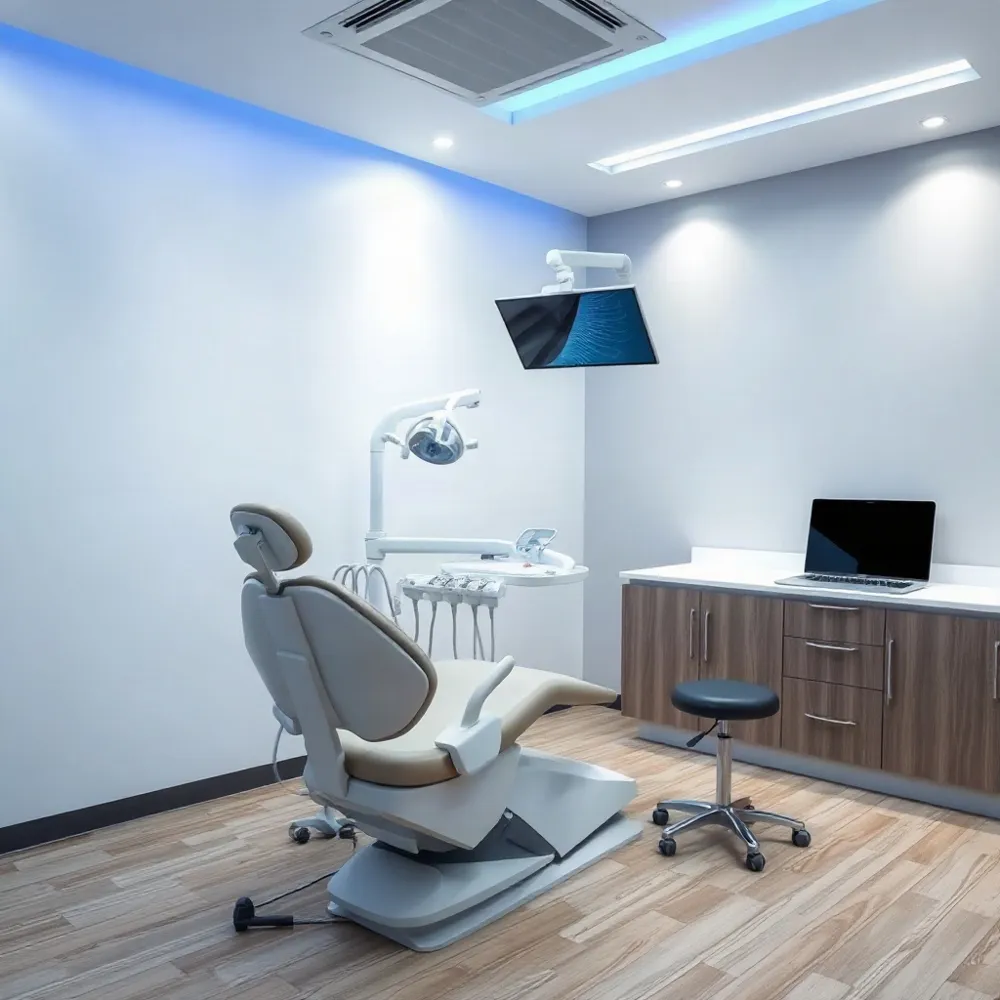
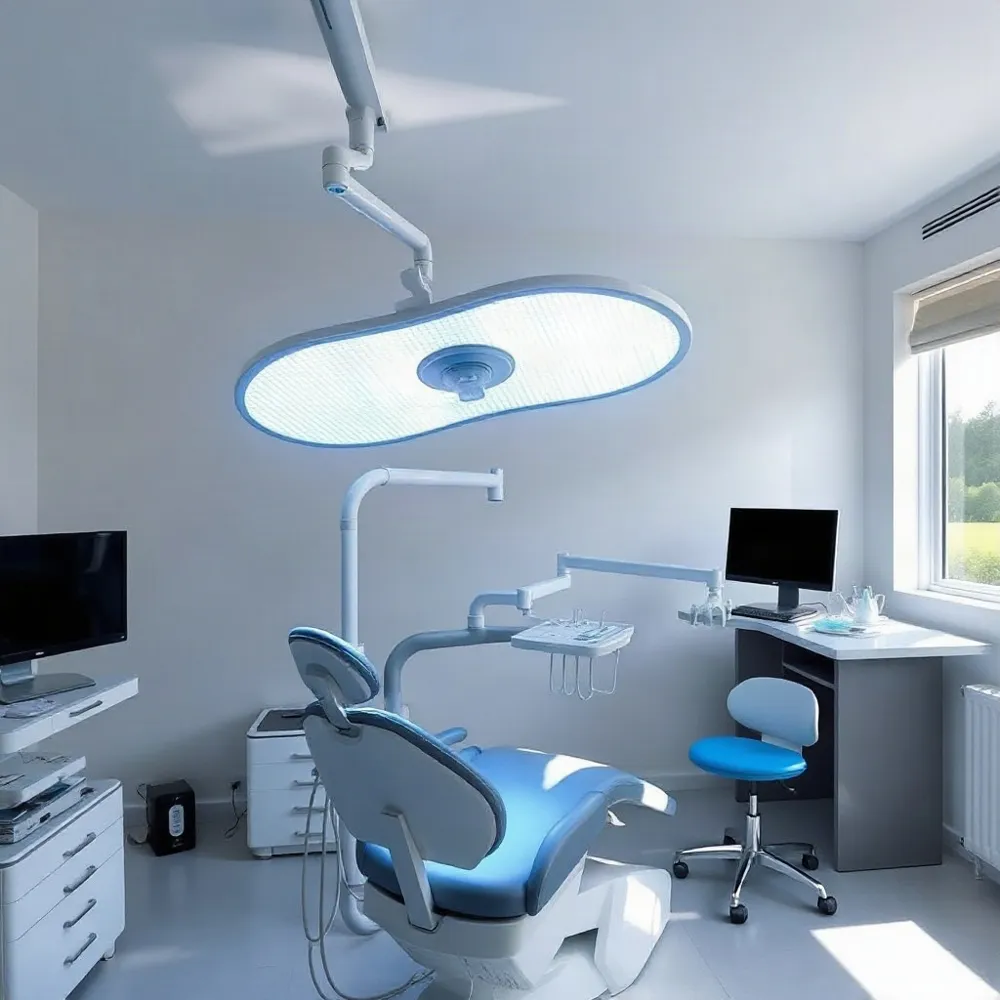
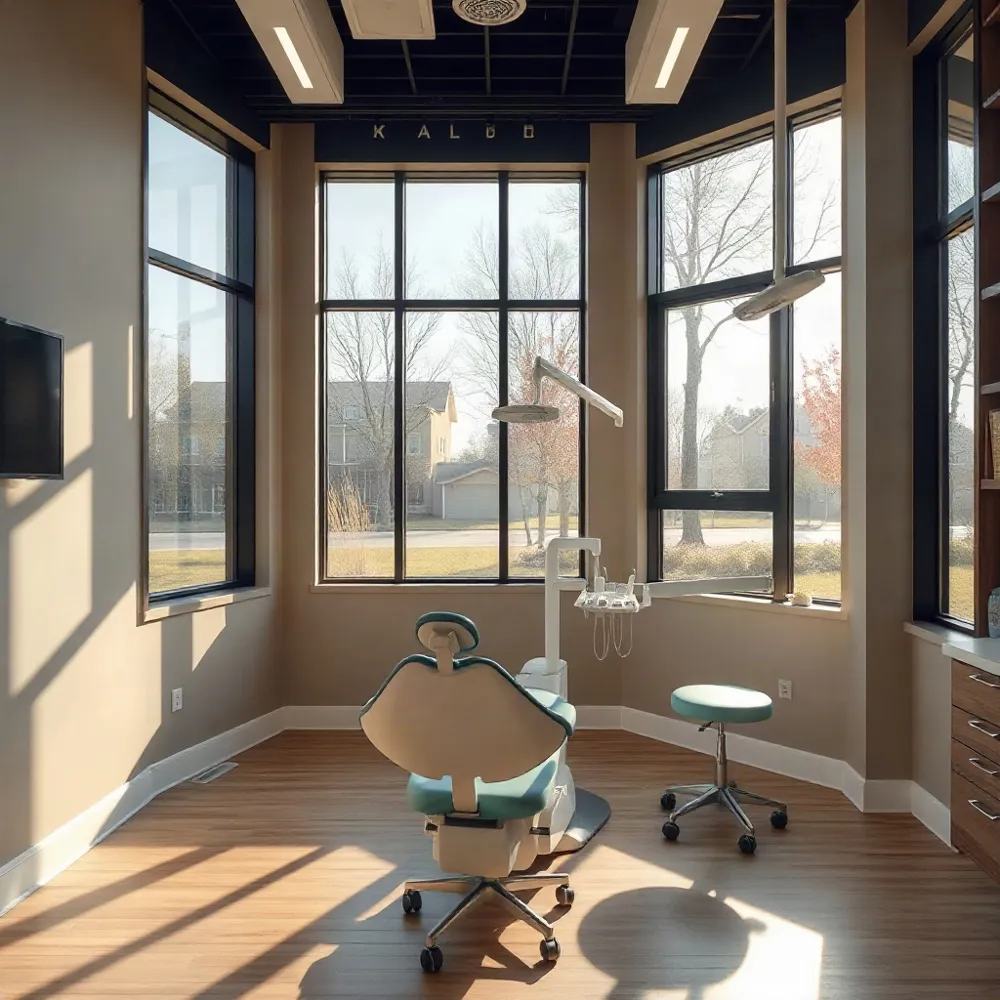
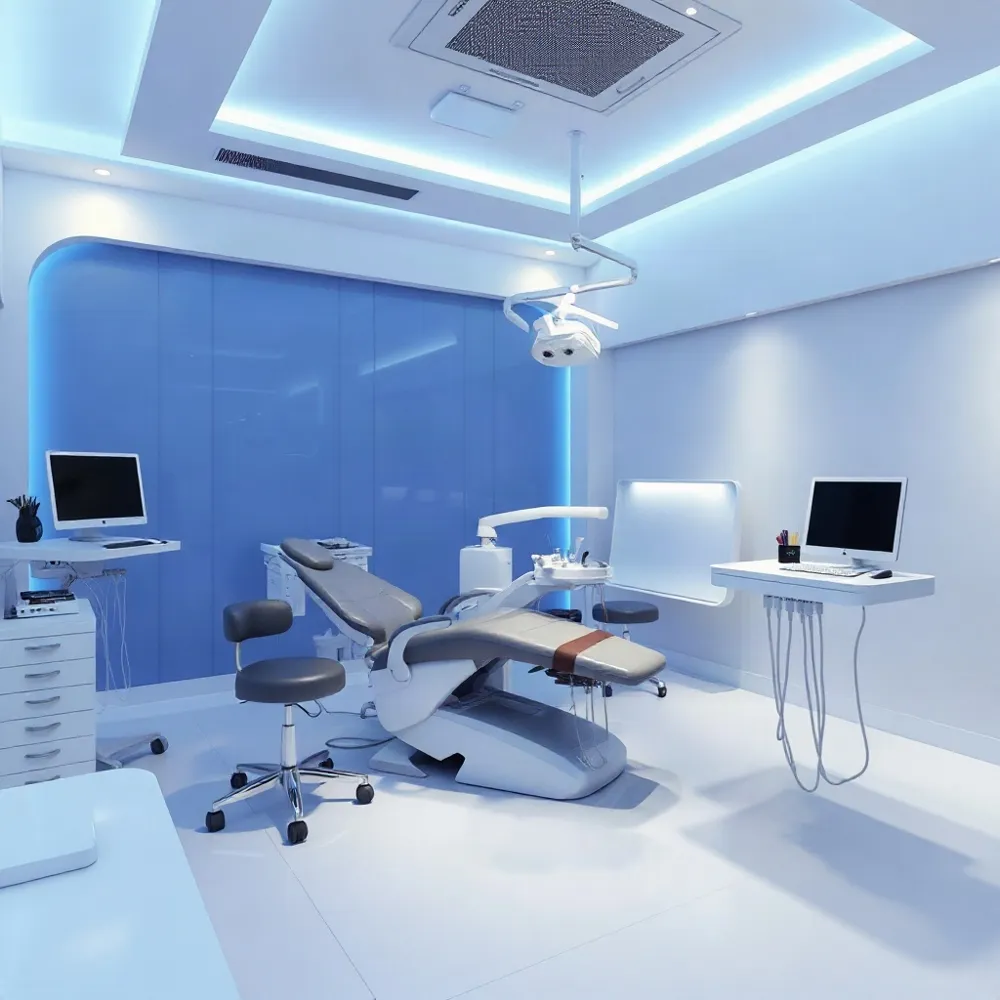
We pair these clinical options with a deliberately calming environment. Creating a comfortable dental care experience is central to our approach, as we take time to discuss your concerns and tailor the experience to your needs. You can find more about how we integrate these techniques by reading about our comprehensive comfort strategies and how common dental anxiety is for many patients.
- Loss of control: The reclined position and inability to speak freely can trigger feelings of vulnerability.
- Personal space invasion: Instruments and hands near the face feel intrusive, activating primal defense responses.
- Past trauma: A single painful or rushed visit can create a lasting phobia that requires gentle, consistent care to overcome.
Understanding Your Sedation Options
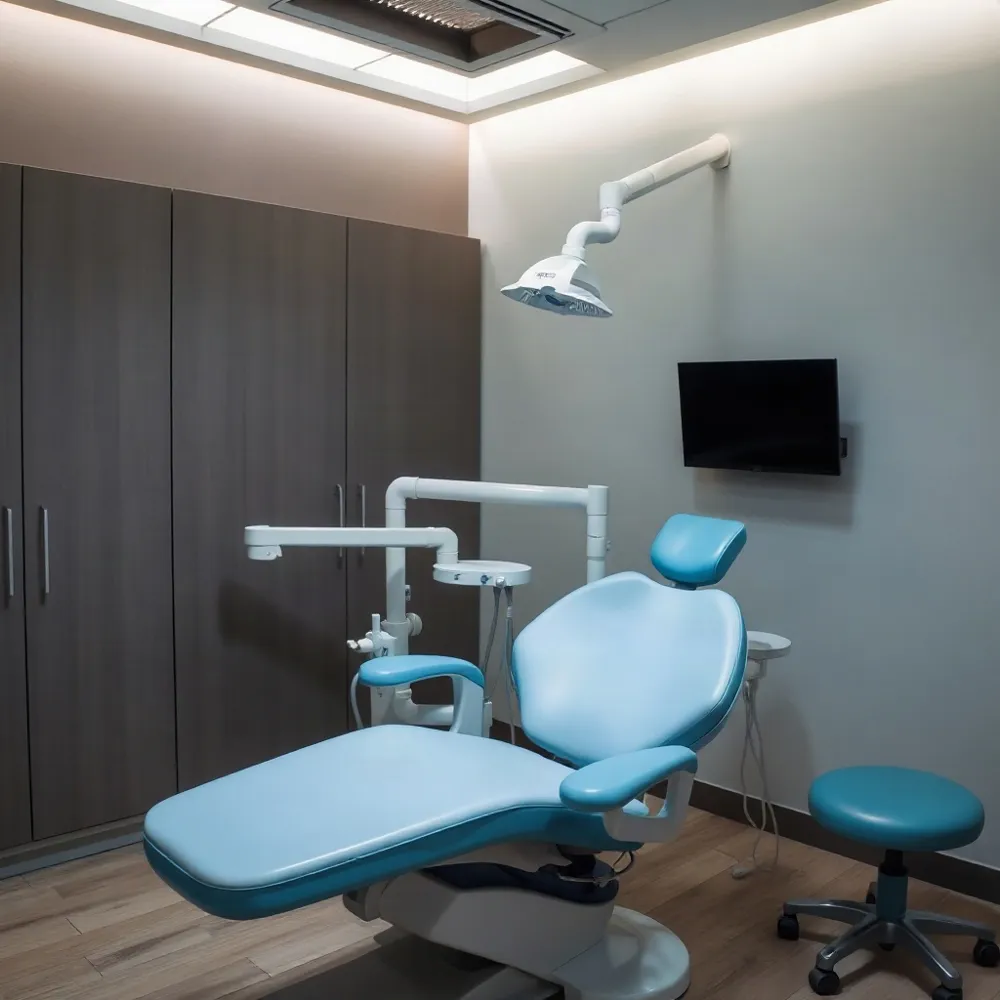 Sedation dentistry offers several approaches to help patients relax during dental procedures. The three most common types are nitrous oxide (laughing gas), oral conscious sedation, and intravenous (IV) sedation. Each option is tailored to the patient's anxiety level, the procedure's length, and general health considerations.
Nitrous oxide. Often called laughing gas, this is the mildest and most common form of dental sedation. You inhale a mixture of nitrous oxide and oxygen through a small mask that fits over your nose. A calming effect is felt within three to five minutes, and the dentist adjusts the dosage throughout the procedure. After treatment, pure oxygen is given to flush the gas from your system, allowing you to drive yourself home. Nitrous oxide is a safe and common option for children and adults, commonly used for fillings, crowns, and simple extractions.
Oral conscious sedation. This approach involves taking a prescription pill, such as triazolam (Halcion) or lorazepam, about an hour before your procedure. It provides a deeper level of relaxation for patients with moderate dental anxiety. You will remain awake and able to respond, but you may feel very drowsy. Because the effects last up to 24 hours, you will need a responsible adult to drive you home.
IV sedation. Intravenous sedation delivers medication directly into the bloodstream through a small IV line, taking effect almost immediately. This is the deepest form of conscious sedation available in a dental office, ideal for severe dental anxiety or lengthy procedures. You enter a deeply relaxed, twilight state and will likely remember little about the procedure. Your heart rate, blood pressure, and oxygen levels are monitored continuously. Recovery takes about 24 hours, and you must arrange for someone to take you home.
For the most complex cases, such as extensive oral surgery or treatment for young children or patients with special needs, general anesthesia may be used. Under general anesthesia, you are fully unconscious and cannot respond, just as in a hospital surgical setting. This requires an anesthesiologist and advanced training by the dental team.
At Veenstra Family Dental, we take time during your initial consultation to review your medical history, anxiety level, and procedure needs. This allows us to recommend the safest and most effective sedation option for your care. Whether you need the gentle calm of nitrous oxide or deeper IV sedation, we offer personalized choices to make your visit comfortable and stress-free.
IV Sedation for Extensive Treatment Needs
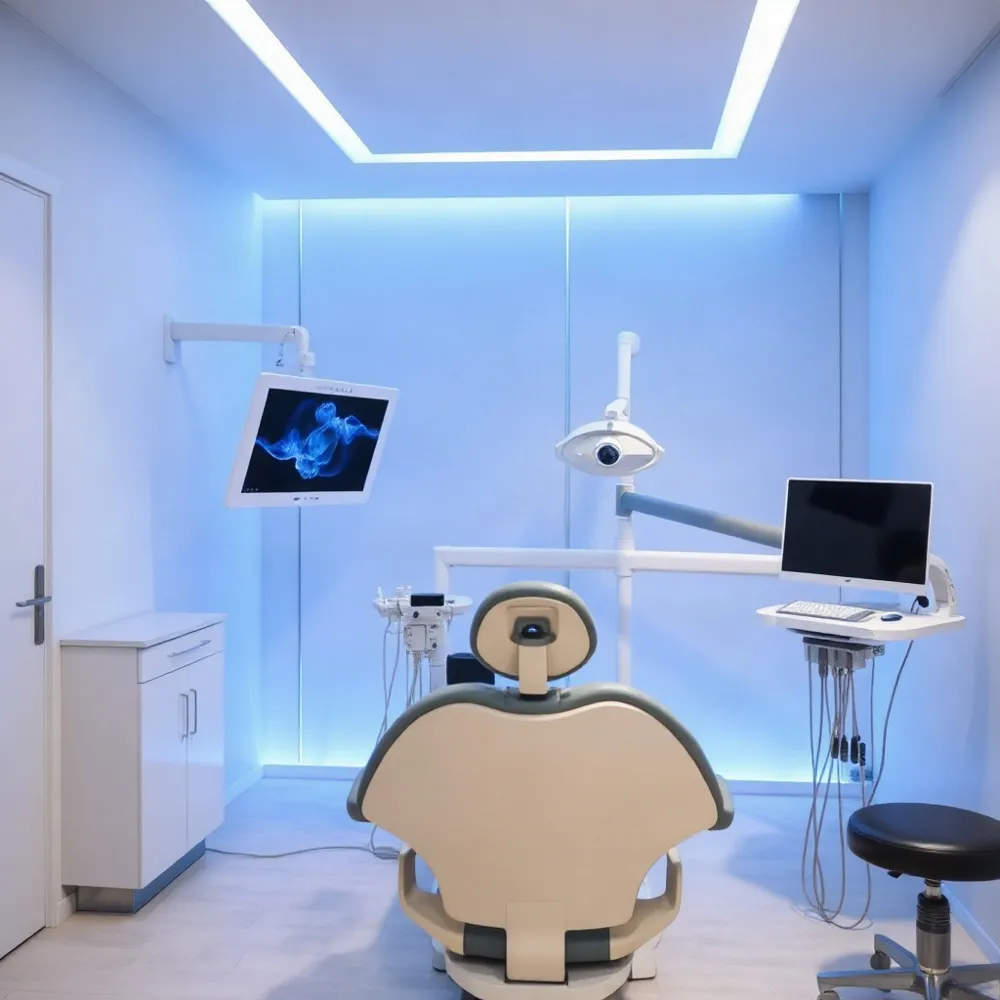 Intravenous (IV) sedation is the deepest form of conscious sedation available in a dental office. Medication is delivered directly into the bloodstream through a line in the arm, producing near-immediate relaxation. The dental team monitors heart rate and blood pressure continuously throughout the procedure.
IV sedation is fast-acting and adjustable. Because the drug enters the bloodstream directly, the dentist can increase or decrease the dosage during the visit to match the patient's needs at each stage. This flexibility makes it ideal for complex, lengthy procedures.
Midazolam. A benzodiazepine that reduces anxiety and causes memory loss (amnesia) with minimal effects on heart function. It is the most frequently used drug for safe, moderate sedation in dental surgery.
Propofol. A short-acting sedative that works rapidly and is useful for orofacial surgical interventions. It may lower blood pressure and is not suitable for patients with egg or soy allergies.
Ketamine. Provides both pain relief and memory loss, making it effective for short procedures. It is not recommended for patients under 16 due to the risk of hallucinations during recovery.
Dexmedetomidine. A selective sedative that offers analgesic (pain-relieving) properties without causing respiratory depression. It is a promising alternative for patients with respiratory concerns.
Patients under IV sedation experience complete comfort, often with no memory of the procedure. This memory loss helps break the cycle of fear and avoidance for those with severe dental phobia. The patient remains responsive to questions and can follow directions, even while in a deeply relaxed state.
IV sedation is chosen for complex cases like multiple extractions, implant placement, bone grafting, sinus lifts, or full-mouth reconstructions. It is also the preferred option for patients with severe dental anxiety, a strong gag reflex, or special needs that make it difficult to remain still during treatment.
At Veenstra Family Dental, IV sedation is offered for extensive procedures that require longer appointments. The practice's focus on modern technology and personalized care helps ensure each patient receives the safest and most appropriate sedation level for their specific needs.
Recovery from IV sedation takes about 24 hours. Patients must arrange for someone to drive them home and should plan to rest for the remainder of the day. Most patients feel fully recovered by the next day and can return to normal activities.
Safety and Comfort in Sedation Dentistry
Sedation dentistry is very safe when administered by trained professionals following strict protocols. The American Dental Association (ADA) and state dental boards have established comprehensive guidelines covering training, patient monitoring, and emergency management to ensure consistent safety standards.
Before any sedation is given, a thorough review of the patient's medical history, current medications, and anxiety level is conducted. This evaluation helps determine the safest and most effective sedation option, whether nitrous oxide, oral conscious sedation, or IV sedation. Patients receiving moderate or deeper sedation typically must fast for 6 to 8 hours beforehand to reduce aspiration risk.
During the procedure, patients are continuously monitored using pulse oximetry, blood pressure, and heart rate tracking by a dedicated team member. Studies from the National Institutes of Health confirm that conscious sedation is effective for reducing anxiety and pain in dental patients when properly managed. Clinics must also have emergency equipment available to handle rare complications like hypoventilation.
Risks for healthy patients are low, with side effects typically limited to mild drowsiness, dry mouth, or occasional nausea that resolve within 24 hours. At Veenstra Family Dental, the entire process is designed around patient well-being, from the initial consultation to post-procedure monitoring, ensuring a comfortable experience for every family member.
Cost and Insurance for Sedation Services
The cost of sedation dentistry varies based on the type and complexity of the procedure. Nitrous oxide is the most affordable option, typically ranging from $25 to $100 per visit. Oral sedation generally costs between $150 and $500, while IV sedation ranges from $500 to $1,500. For extensive procedures requiring deep sedation, general anesthesia is the most expensive, costing between $800 and $3,500 per visit.
Most standard dental insurance plans do not cover sedation services unless they are deemed medically necessary for a specific procedure. While this means you may pay out of pocket, many patients find it a worthwhile investment for a comfortable, anxiety-free experience. Medicaid coverage for sedation varies significantly by state and may be easier to access with a prescription for an anti-anxiety medication.
At Veenstra Family Dental, the team helps patients understand their benefits and explore the most cost-effective options. Scheduling a consultation allows you to receive a personalized evaluation and find the right type of sedation that fits both your needs and your budget.
Pediatric Sedation for Complex Cases
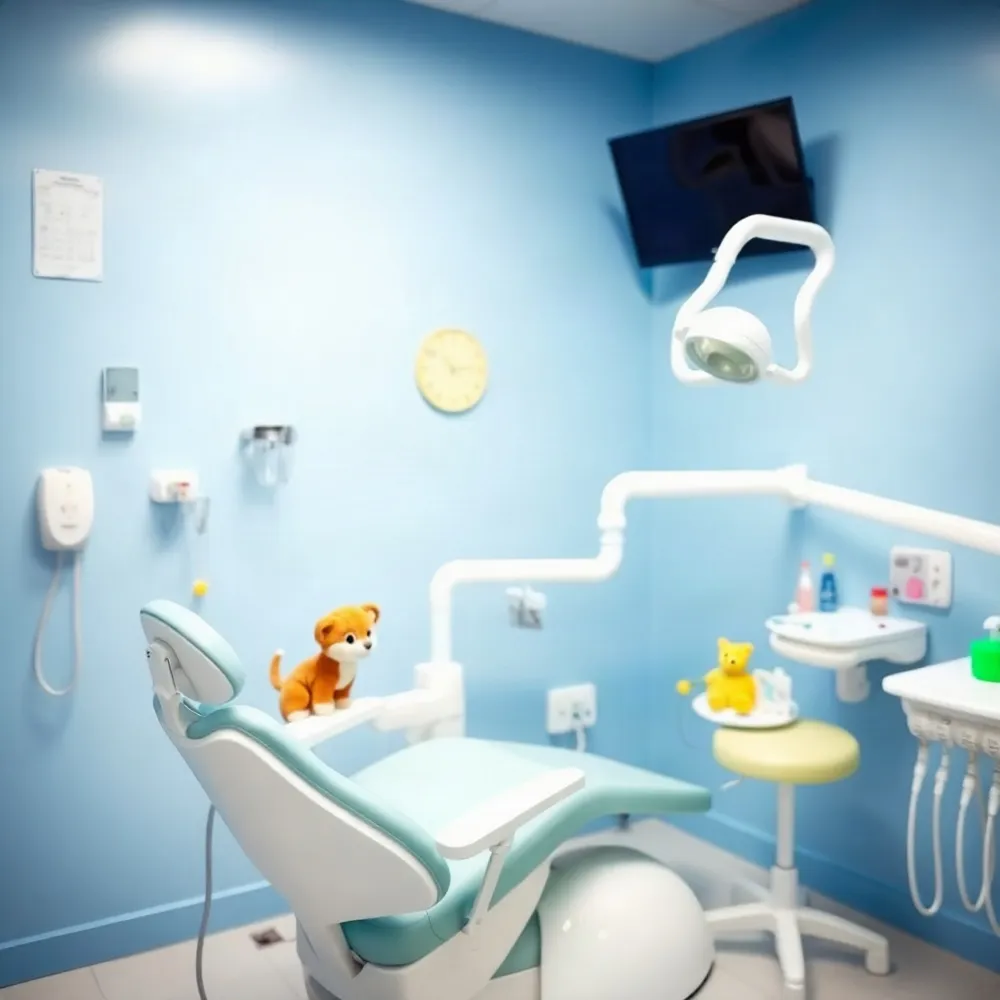 An estimated 100,000 to 250,000 pediatric dental sedations are performed each year in the United States, making it a routine part of modern children's dentistry. Sedation helps children with dental anxiety, behavioral challenges, or special needs receive essential care in a calm and controlled setting.
Common Methods of Pediatric Sedation
Oral midazolam is the most widely used drug for moderate sedation in children, given its proven safety and effectiveness in dental surgical procedures. Intranasal midazolam is also popular among pediatric dentists because it offers direct absorption into the bloodstream, avoiding the first-pass metabolism that makes oral sedation unpredictable. Nitrous oxide is a gentler alternative that keeps the child awake and responsive, making it suitable for shorter or less invasive treatments.
Safety Considerations for Young Patients
Children under five years of age and those with pre-existing medical conditions face the highest risk of adverse events during sedation. Safe dosing is a major concern: approximately one-third of children in the U.S. are overweight or obese, and using total body weight to calculate sedation doses can lead to overdose. Experts recommend dosing based on ideal body weight or lean body mass to reduce this risk.
In-office sedation is best reserved for healthy children (classified as ASA I and II), while complicated medical issues like heart disease, sleep apnea, or obesity may require referral to a hospital-based setting. Pediatric dental sedation research continues to explore alternatives like dexmedetomidine, which provides sedation and anxiety relief without causing respiratory depression.
Caring for Children with Special Needs
Children with physical, developmental, or cognitive challenges often have difficulty cooperating during dental visits. Sedation dentistry creates a safe, relaxing environment so that necessary treatments, including cleanings, fillings, and extractions, can be completed without distress. At Veenstra Family Dental, the team of experienced pediatric dentists welcomes patients as young as one year old. The practice is designed to be child-friendly and ADA-compliant, with staff who speak multiple languages, to serve families from diverse backgrounds.
Parents appreciate that Veenstra Family Dental offers a full range of pediatric services, from preventive exams and fluoride treatments to orthodontic options like braces and Invisalign clear aligners. Extended evening hours on Mondays and Thursdays, as well as select Saturdays, help accommodate busy family schedules. The practice also accepts most dental insurance plans and offers flexible payment arrangements, including CareCredit monthly financing, to reduce financial stress.
Complete Anxiety-Free Care at Veenstra Family Dental
At Veenstra Family Dental, the approach to dental anxiety starts with a simple principle: every patient deserves to feel heard and in control. The team begins each visit with open communication, encouraging patients to share their specific worries so that care can be tailored to their comfort level. Whether the fear stems from a past experience, the sound of dental instruments, or difficulty sitting still, the staff explains each step of the treatment before it happens, moving at the patient's own pace.
Modern technology and gentle techniques play a central role in reducing discomfort. The practice uses advanced digital imaging and precise tools to make procedures faster and less invasive. For patients who need extra relaxation, the office offers calming music and guided deep breathing exercises to create a serene environment. For those with higher anxiety, safe sedation options such as nitrous oxide are available to further ease tension, as described in our article on how we make every dental visit comfortable and stress free.
Veenstra Family Dental provides a full range of services for patients of all ages, covering preventive care like routine exams and cleanings, restorative treatments such as fillings, crowns, and bridges, as well as cosmetic options like KOR Teeth Whitening and porcelain veneers. The practice also handles periodontal therapy for gum disease, root canal treatment, and emergency dental services. Located in Midland Park, NJ, the office serves the surrounding communities of Fair Lawn and Elmwood Park, offering convenient appointment hours that include select Saturdays.
Above all, the commitment is to compassionate, nonjudgmental care. The team takes the time to ensure each patient feels respected and relaxed, recognizing that a positive dental experience builds trust and encourages regular visits. By combining gentle techniques, modern equipment, and a personalized approach, Veenstra Family Dental helps patients move past fear and maintain a healthy smile without stress.
A Comfortable Path to Complete Oral Health
For patients with dental anxiety, a strong gag reflex, or a need for extensive treatment, sedation dentistry offers a practical way to receive care without stress. By calming the body and mind, sedation allows the dentist to complete complex work in fewer visits, reducing both physical discomfort and the emotional toll of repeated appointments.
Each positive sedation experience helps break the cycle of fear and avoidance. When a patient finishes a long-needed procedure feeling relaxed instead of panicked, they are more likely to return for regular checkups and address problems before they become emergencies. Over time, this builds trust and normalizes dental care.
At Veenstra Family Dental, the goal is to help every patient receive the oral health care they deserve, free from fear. The team works with each individual to choose the right sedation level and ensure a calm, positive visit.
If anxiety or a past difficult experience has kept you from the dentist, a consultation is the first step toward a comfortable, long-term solution for complete oral health. Contact Veenstra Family Dental today to discuss your options.