Why Choosing the Right Dental Care Team Matters
The Importance of a Cohesive and Skilled Dental Team
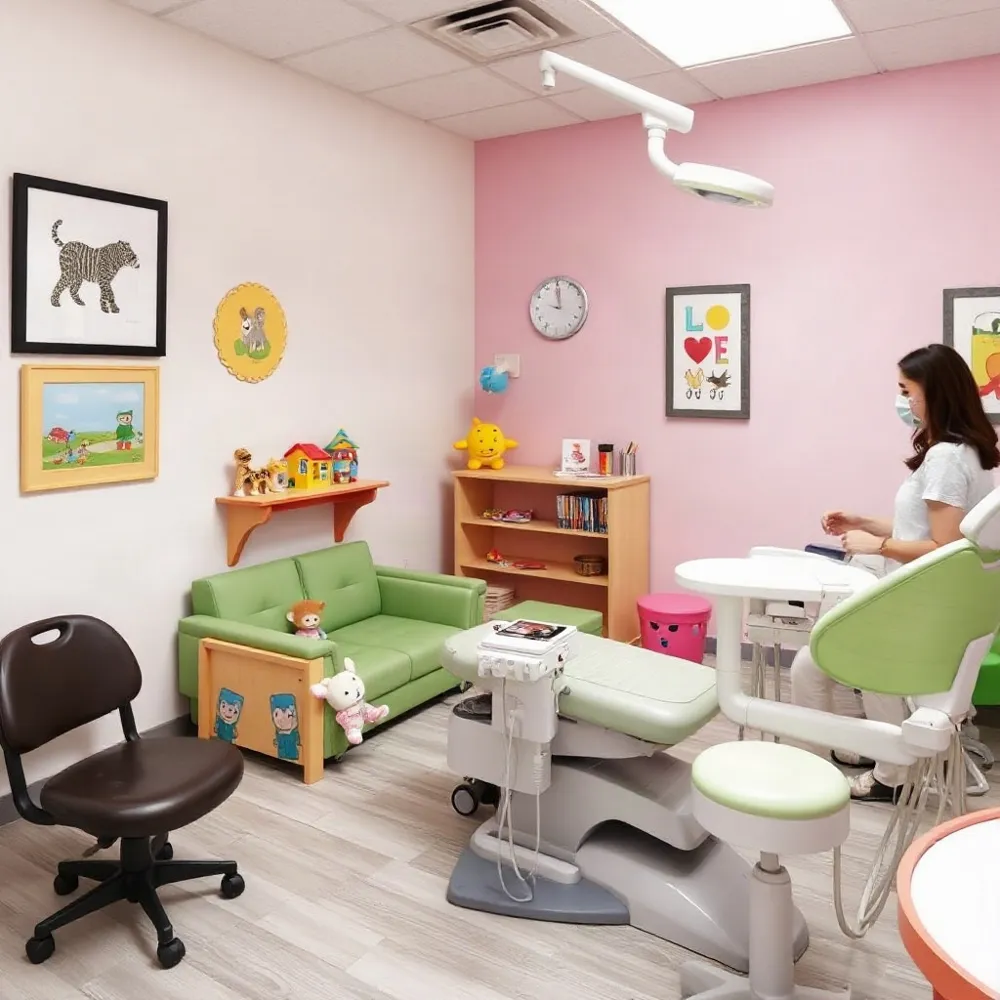
A well-rounded dental care team combines the expertise of general dentists, hygienists, assistants, and support staff to provide comprehensive oral health services. Each member plays a specialized role, from diagnosis and treatment planning to patient education and preventive care. Such teamwork ensures that oral health concerns are addressed efficiently and effectively.
Impact on Patient Comfort, Trust, and Treatment Outcomes
A compassionate, patient-centered approach from a skilled team fosters trust and reduces dental anxiety. Clear communication and personalized care plans help patients feel valued and understood. This supportive environment enhances patient comfort during procedures and encourages regular visits, ultimately improving treatment success and overall well-being.
Key Facts List: Dental Care Qualities and Principles
- A compassionate dentist prioritizes empathy and kindness to build trust with patients.
- Choosing a dentist involves evaluating qualifications, advanced training, and continuing education to ensure competence.
- Effective communication, including clear explanations and active listening, is essential for patient understanding and trust.
- A strong dental team requires collaboration, professionalism, and effective communication among staff.
- Modern dental practices benefit from advanced technology like laser dentistry and digital X-rays for precision and efficiency.
- A clean, accessible dental office enhances patient comfort, promotes safety, and inclusive care.
- The 80/20 rule in dentistry emphasizes focusing on high-impact activities to improve efficiency and patient care.
- The five principles of dentistry include autonomy, nonmaleficence, beneficence, justice, and veracity to guide ethical practice.
- Early dental visits by age 7 support healthy growth, early detection of issues, and long-term oral health.
- A good dentist beyond skills demonstrates approachability, willingness to learn, community engagement, and dependability.
1. Compassionate and Patient-Centered Care

What are the essential qualities a dentist should have?
A compassionate general dentist prioritizes empathy and kindness in every patient interaction. This approach helps build a trusting relationship where patients feel comfortable sharing their concerns.
Reducing patient anxiety is vital. Dentists who focus on comfort use gentle techniques and create a welcoming environment, easing the stress often associated with dental visits.
Effective communication is crucial. Good dentists listen carefully and explain treatments clearly, ensuring patients understand procedures and feel involved in their care decisions.
By combining a friendly demeanor with attentive listening and clear explanations, dentists foster a patient-centered dental care atmosphere that promotes overall well-being and trust throughout the dental experience.
2. Expertise and Commitment to Continued Learning
What should I look for when choosing a dentist?
When choosing a dentist, it is important to consider their qualifications, including their education and specialized training. In the United States, general dentists complete four years of advanced education beyond their bachelor’s degree, including comprehensive clinical and lecture components. They must also pass rigorous licensing exams specific to their state to ensure competence. This foundation enables them to manage a wide range of dental health issues effectively.
Advanced education and licensing
General dentists maintain their expertise by participating in continuing education courses each year. This commitment to lifelong learning is essential to stay current with evolving dental care standards, techniques, and safety protocols. Regular updates ensure that dentists can offer the highest quality care tailored to individual patient needs.
Staying updated with dental technology and treatments
Modern dental practices often incorporate Advanced Dental Technology, such as laser dentistry and same-day dental restorations. Adopting such innovations allows dentists to perform procedures with greater precision, reduce discomfort, and shorten treatment times. When selecting a dentist, look for those who prioritize integrating these advancements to enhance patient outcomes.
Technical proficiency and manual dexterity
Dentistry requires a high level of technical skill and manual dexterity. Dentists must perform detailed work in a small oral space, where even minor misalignments can impact oral health. Those with refined Artistic Skills in Dentistry and a steady hand can restore both function and aesthetics, improving smiles while preventing complications.
Choosing a dentist with solid qualifications, a passion for ongoing education, and adept use of modern techniques ensures professional, personalized care that supports long-term oral and overall health.
3. Effective Communication and Patient Education

Why Is Clear Explanation of Procedures and Treatments Important?
Good dentists excel at breaking down complex dental procedures into simple, understandable language. This not only demystifies dental care but also helps patients feel more comfortable and in control of their treatment choices. For example, explaining a dental implant procedure step-by-step can alleviate anxiety and boost confidence in the care being provided, reflecting the importance of Effective Dentist Communication.
How Does Listening to Patient Concerns Enhance Care?
Listening carefully to patients’ worries and questions builds trust. Dentists who actively engage with patients understand their unique needs better, allowing for more personalized treatment plans. This Patient-Centered Dental Care communication improves health outcomes and increases treatment acceptance, embodying traits like Building trust with patients.
Why Should Dentists Encourage Questions and Shared Decision-Making?
Dentists who invite questions foster an open dialogue that empowers patients. Shared decision-making means the patient is involved in choosing among treatment options based on clear information and personal preferences. This respectful partnership promotes satisfaction and helps patients commit to their oral health journey, embodying the qualities highlighted in Qualities of a Good Dental Provider.
What Makes a Good Dental Team?
A strong dental team uses effective communication within the team and with patients to ensure consistent, high-quality care. Clear interactions reduce misunderstandings and build trust. When every member—from the dentist to hygienists and assistants—communicates well, patients experience a smooth, reassuring visit that addresses their questions and concerns fully. This reflects the Composition of ideal dental team and highlights the role of Effective Communication in Dentistry.
4. Strong Teamwork and Professionalism Across Roles
What are the traits of an effective dental healthcare team?
An effective dental healthcare team is built on close collaboration among dentists, dental hygienists, assistants, and office staff. Each team member brings specialized skills that support comprehensive patient care. Dentists diagnose and treat oral conditions, while hygienists perform cleanings and screenings for systemic diseases like diabetes and hypertension. Dental assistants manage procedural support, sterilization, and patient comfort, and office staff ensures smooth appointment scheduling and billing. Composition of ideal dental team
Organizational skills are fundamental within the practice to guarantee timely appointments and effective communication. This smooth operation minimizes patient wait times, reduces anxiety, and enhances overall satisfaction. Qualities of a Good Dental Provider
Professionalism is demonstrated through maintaining a clean, welcoming office environment that respects patient privacy and cultural needs. Empathy and clear communication foster trust and help ease patient nerves during visits. top-rated dental practice
Together, these factors create a patient-centered atmosphere where well-qualified professionals work harmoniously with high ethical standards. This teamwork ensures excellent care outcomes while promoting a friendly, supportive space for patients of all ages. Dental professionals roles
5. Utilization of Advanced Technology and Quality Facilities
How does modern technology benefit dental treatments?
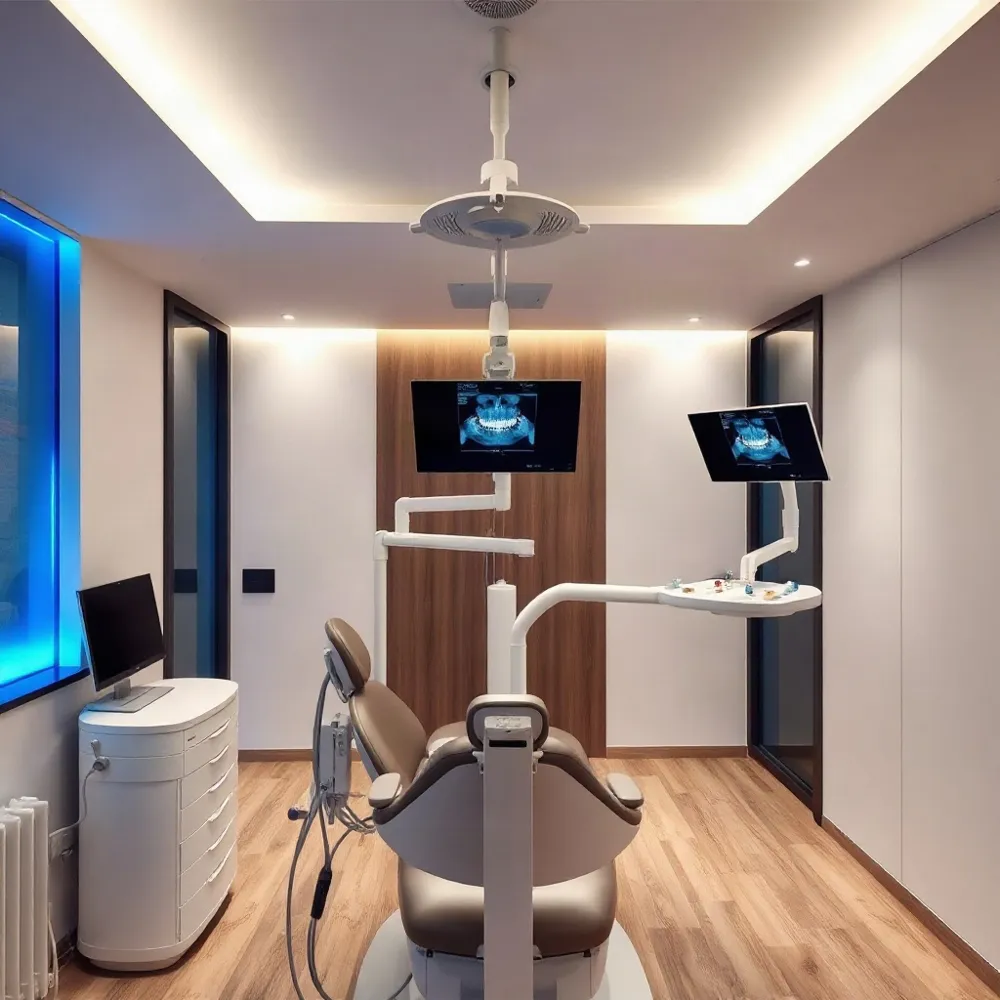
Modern dental technology significantly enhances treatment precision and patient outcomes. Techniques such as same-day dental restorations and laser dentistry allow for minimally invasive procedures, reduced discomfort, and faster recovery times. Advanced imaging tools, like digital X-rays in dentistry, provide detailed views of oral structures, enabling dentists to diagnose issues earlier and plan treatments more effectively. For more details on Advanced Dental Technology, visit this resource.
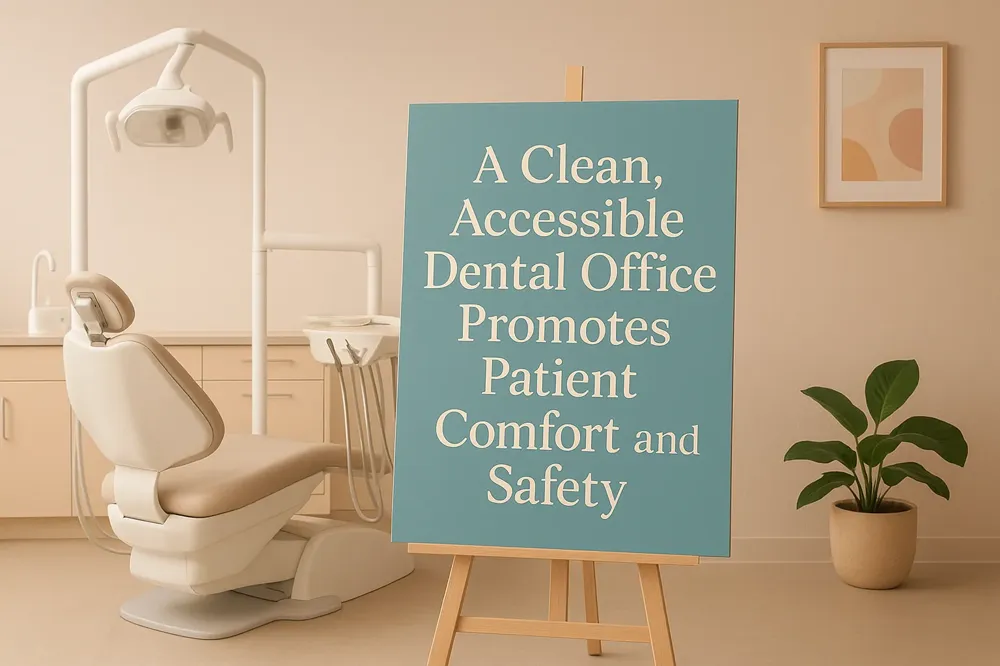
What features define a clean, safe, and accessible dental office?
A top dental office maintains a spotless, hygienic environment that assures patient safety. Accessibility features cater to individuals with mobility aids and language needs, promoting inclusivity. A friendly, welcoming atmosphere contributes to patient comfort and reduces anxiety, fostering a positive dental experience. Learn more about Clean and Accessible Dental Office features.
How do facilities and technology impact patient comfort and treatment precision?
Combining advanced technology with a thoughtfully designed facility creates a Patient-Centered Dental Care setting. The integration of innovative tools supports efficient, accurate treatments, while a safe, accessible office environment ensures ethical care and respect for patient needs. This blend facilitates Effective Dentist Communication and preserves patients' well-being throughout their visits.
What are signs of a good dental office?
A clean, hygienic, and welcoming environment paired with advanced technology and clear communication highlights a practice's commitment to High-Quality Dental Care. Such offices, exemplified by practices like Dee for Dentist in Las Vegas, emphasize both technical expertise and Compassionate Dental Practice service to deliver exceptional dental care.
Understanding the 80/20 Rule in Dentistry
What is the 80/20 rule in dentistry?
In dentistry and small business, the 80/20 Principle posits that 80% of results come from just 20% of efforts. Applying this rule helps dental practices prioritize the most impactful tasks to maximize success and efficiency.
Principle of focusing efforts on high-impact activities in a dental practice
The 80/20 rule encourages dental teams to identify the key procedures, patient interactions, and administrative tasks that yield the greatest benefits. By focusing on these high-impact activities, dentists can improve patient outcomes, enhance practice productivity, and reduce unnecessary workload. This might mean prioritizing treatments that prevent serious dental issues or investing more time in Patient-Centered Dental Care and communication, which increases treatment acceptance and oral health maintenance.
How it influences efficiency and patient care
Using the 80/20 rule, dental practices streamline workflows, ensuring that crucial care and resources reach patients who need it most. Efficiency gains allow dentists and their teams to spend more quality time addressing patients’ unique needs with a personalized, Compassionate Dental Practice approach. This leads to improved patient comfort and trust, better clinical results, and a more welcoming Clean and Accessible Dental Office atmosphere. Ultimately, the principle supports delivering High-Quality Dental Care while optimizing time and resources for maximum patient satisfaction.
The Five Fundamental Principles of Dentistry Explained

What are the five fundamental principles of dentistry?
Dental professionals follow a clear ethical framework built around five essential principles that guide their care and decision-making.
-
Patient Autonomy: Dentists respect each patient's right to make informed decisions about their own treatment, supporting their choices and involving them in planning their care.
-
Nonmaleficence: This principle means "do no harm." Dentists must avoid causing unnecessary pain or injury during treatment.
-
Beneficence: Dentists actively promote patients' well-being and health, providing treatments that improve oral and overall health outcomes.
-
Justice: Fairness is vital; dentists provide equal care to all patients, regardless of background or circumstances, ensuring equitable access to dental services.
-
Veracity: Honesty and transparency are central to building trust. Dentists give truthful information about diagnoses, treatment options, and costs.
Together, these principles create an ethical foundation that helps dental professionals deliver compassionate, trustworthy, and high-quality dental care personalized to each patient’s needs.
The Rule of 7: Importance of Early Dental Visits for Children

What is the Rule of 7 in dentistry?
The Rule of 7 recommends that children should visit a dentist by the age of 7. This timing aligns with the eruption of important adult teeth, which is crucial for assessing a child's dental development.
Why schedule the first dental visit by age 7?
Early dental visits allow dentists to detect bite and alignment issues promptly. Catching these problems early can prevent complex treatment later and supports healthy growth of the jaws and teeth.
How does early detection help plan for healthy dental development?
Dentists use early visits to evaluate the alignment of teeth and jaw structure. This helps in creating personalized care plans that guide proper tooth eruption and prevent future orthodontic needs, enhancing a child’s overall oral health.
Regular dental visits starting with the Rule of 7 ensure a strong foundation for lifelong dental health, promoting both function and aesthetics from a young age. For more information on the Dental Services Offered and High-Quality Dental Care, consulting with an experienced dentist is vital. Early dental care reflects Successful dentists and personal interaction and emphasizes Building trust with patients, which lays the foundation for effective dental health management. To understand the role of General dentists in the United States and why Choosing a General Dentist is important, review resources available from trusted dental health organizations.
Key Skills for Dental Office Managers

What skills and qualities are important for a dental office manager?
Successful dental office managers possess several essential skills that contribute to the smooth operation of a practice. Organizational capabilities are critical, allowing managers to coordinate appointments, oversee patient records, and ensure timely communication within the team.
Excellent communication and leadership skills foster a supportive and efficient work atmosphere. Managerial staff must clearly convey expectations, resolve conflicts, and motivate a diverse dental team, emphasizing compassion and empathy in dental care and professionalism to promote a welcoming environment.
Familiarity with dental office technology, including practice management software and digital tools, enhances workflow efficiency and patient data management. This competence supports effective scheduling, billing, and patient interaction.
Creating a Clean and Accessible Dental Office is another vital skill, as this helps put patients at ease and encourages regular visits. By combining these qualities, dental office managers play a key role in delivering High-Quality Dental Care.
Recognizing a Good Dentist Beyond Technical Skills

What makes a good dentist beyond technical skills?
A good dentist is more than just a skilled technician; Personality and attitude in dental associates play a vital role in delivering exceptional care. Dentists with a warm, approachable demeanor help patients feel comfortable and confident during visits, which is essential for fostering trust.
Value of willingness to learn in dentistry is another critical quality. Dentistry evolves continually, so openness to ongoing education ensures dentists stay up-to-date with the latest techniques and technologies, benefiting patient outcomes.
Community orientation in dental practice reflects a commitment to understanding and engaging with the local population. This connection can improve patient trust, case acceptance, and enhance the overall health of the community.
A strong Work ethic and dependability in dental associates support consistent, high-quality care, helping build long-term relationships with patients and contributing to the growth and success of the dental practice.
Together, these traits—personality, continuous learning, community engagement, and work ethic—create a foundation for excellent dental care that extends beyond technical expertise.
Building a Strong Relationship With Your Dental Care Team
Importance of Qualities for Positive Patient Experiences
A successful dental care team combines professional expertise with personal qualities that prioritize your comfort and health. Traits such as effective communication, empathy, and attention to detail help build trust and reduce anxiety during visits. Dentists and their teams who listen carefully and explain treatments clearly make it easier for patients to understand and stay engaged in their dental care.
Encouraging Consideration of These Traits for Better Outcomes
When choosing your dental care provider, looking beyond credentials to the qualities of kindness, reliability, and professionalism can lead to better oral health outcomes. A caring, well-coordinated team that values patient-centered care will foster ongoing relationships, making regular checkups and treatments more effective and enjoyable. Exploring these factors helps create a supportive environment where your dental health and overall well-being are prioritized.