Introduction to Cutting-Edge Dental Technology
Overview of modern dental technology advancements
Dentistry in the USA is rapidly evolving thanks to innovations such as digital X-rays, 3D imaging, AI diagnostics, and 3D printing. These technologies have transformed the way dental issues like cavities, gum disease, and bone loss are detected and treated.
Improving patient care with precision and comfort
Modern tools ensure faster, more comfortable visits through minimally invasive procedures like laser dentistry and same-day crowns. Digital impressions eliminate messy molds, enhancing accuracy and patient experience.
Trends driving innovation in US dentistry
Preventive, patient-centered care is emphasized, with personalized plans based on individual risks and lifestyles. Advances also include teledentistry for remote care access, improved implant materials, and virtual reality for anxiety management, all focused on better oral health outcomes.
These cutting-edge technologies combine precision, efficiency, and compassion to elevate dental care for patients of all ages in a welcoming environment.
Advanced Diagnostic Tools and AI Integration
What is the newest technology in dentistry?
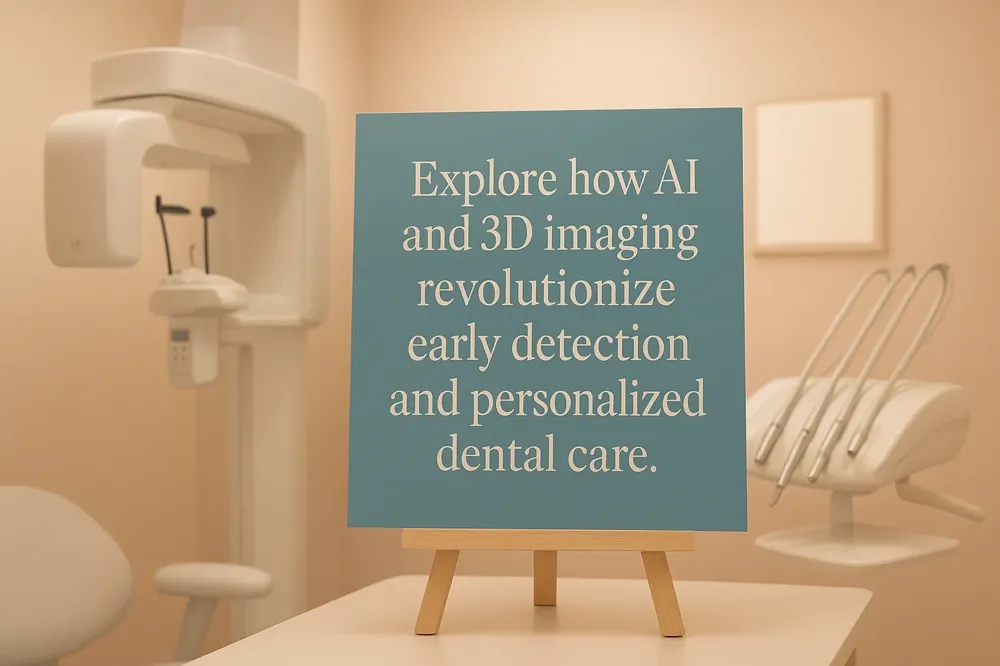
Modern dentistry in the USA 2025 is revolutionized by cutting-edge dental technologies in 2024 designed to improve accuracy and patient care. Among the most significant advances are AI-assisted dental diagnostics, 3D imaging in dentistry including Cone Beam Computed Tomography (CBCT), and advanced intraoral scanners. AI systems analyze Digital X-rays and 3D imaging swiftly and with high precision, enabling earlier detection of dental issues like cavities, gum disease, and bone loss. Simultaneously, 3D imaging provides comprehensive views of teeth, jaws, and surrounding tissues, surpassing conventional X-rays in detail. These technologies support dentists in formulating personalized treatment plans that enhance outcomes while minimizing invasive procedures.
What are the newest dental instruments?
The newest dental instruments focus on delivering detailed diagnostics and improved patient comfort. AI-powered diagnostic tools integrate smoothly with imaging devices to analyze clinical data, reducing human error and speeding up diagnosis. Intraoral cameras and Digital dental impressions replace traditional molds, capturing accurate 3D digital impressions that increase precision and patient comfort. Cone Beam Computed Tomography (CBCT) scanners offer three-dimensional images crucial for planning complex treatments such as implants and orthodontics with unparalleled accuracy. Together, these instruments equip dental professionals with real-time data, facilitating informed decisions and tailored care.
How do AI and 3D imaging improve early detection of dental diseases?
AI algorithms enhance diagnostic capability by detecting subtle patterns and early signs of oral diseases invisible to the naked eye, such as micro-cavities or initial gum inflammation. When combined with high-resolution 3D images from CBCT and intraoral scanners, dentists gain a comprehensive view, enabling timely intervention that prevents disease progression. Early detection minimizes treatment complexity and improves long-term oral health.
How does AI contribute to personalized treatment planning?
AI analyzes patient-specific data including imaging, medical history, and lifestyle factors to predict treatment outcomes and risks. This advanced predictive capability allows dentists to design individualized care plans that optimize success, safety, and patient satisfaction. AI can assist with implant placement, orthodontic adjustments, and restorative procedures, ensuring precision and adaptability throughout the treatment process.
These advanced diagnostics and AI integration reflect the forefront of Modern dentistry in the USA 2025, offering patients more comfortable, precise, and personalized treatment experiences.
Minimally Invasive Treatments and Laser Dentistry
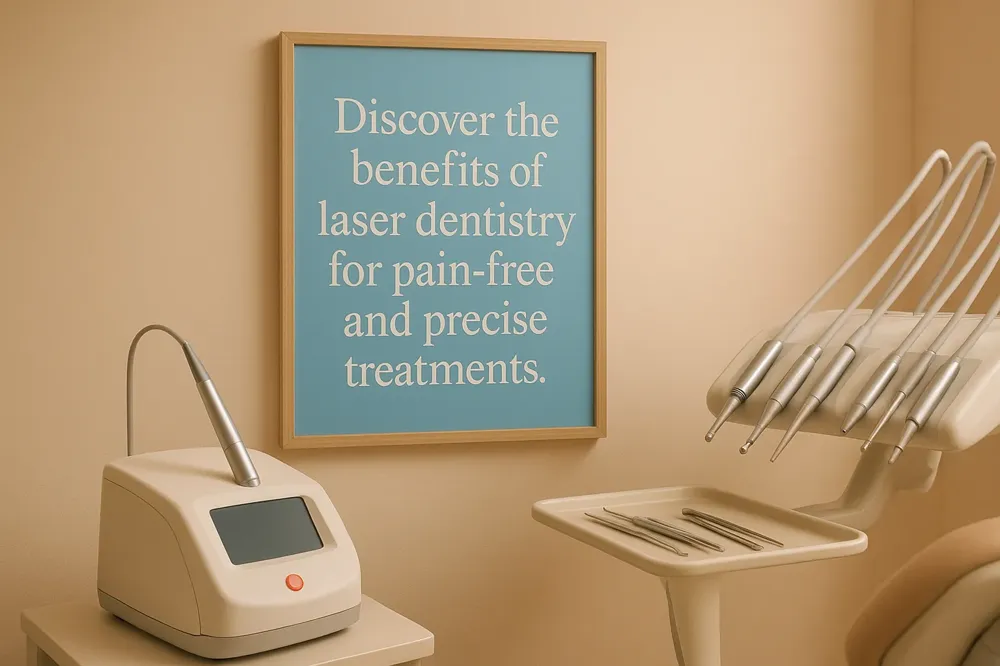
What Benefits Does Laser Dentistry Offer?
Laser dentistry uses focused beams of light to perform dental procedures with high accuracy and minimal tissue damage. This approach reduces bleeding, swelling, and discomfort compared to traditional methods, often eliminating the need for anesthesia.
How Does Laser Dentistry Enhance Patient Comfort?
By minimizing pain and accelerating healing, laser treatments lead to faster recovery times. The precise nature of laser application reduces trauma to soft tissues and cavities, resulting in less post-operative discomfort and fewer complications.
What Types of Minimally Invasive Dental Procedures Are Available?
Laser dentistry is effective for soft tissue treatments such as gum reshaping, periodontal therapy, and cavity preparation. These procedures avoid invasive cutting and suturing, preserving healthy tissue and promoting quicker healing.
How Does Laser Technology Help Reduce Dental Anxiety?
The less invasive nature of laser treatments, combined with reduced noise and vibration compared to traditional drills, creates a more comfortable and less stressful environment. Additionally, clinics might use relaxation methods enhanced by modern dental technology to ease patient anxiety.
Overall, minimally invasive laser dentistry prioritizes patient comfort by offering precise, gentle treatments that decrease pain and recovery time, supporting a positive dental experience for patients of all ages.
3D Printing and Same-Day Restorations
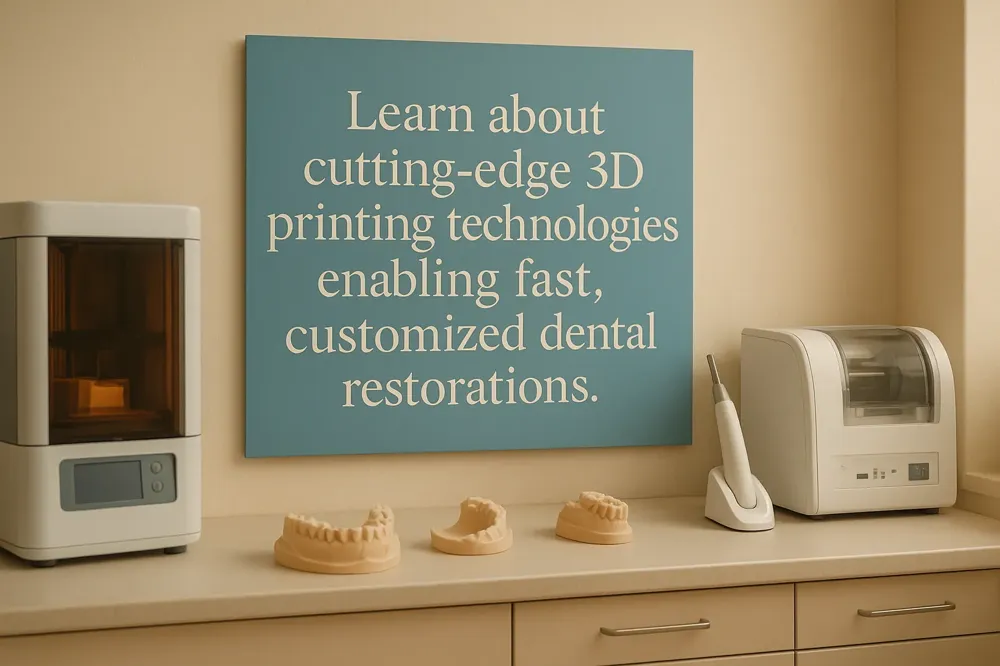
What is in-house 3D printing for crowns, bridges, and veneers?
Modern dental practices increasingly utilize 3D printing in dentistry technology to fabricate crowns, bridges, and veneers. This technique allows dentists to produce precise and customized restorations directly in the clinic, eliminating the need to outsource to external labs.
How does 3D printing customize dental prosthetics and appliances?
3D printing in dentistry enables the creation of dental prosthetics and appliances tailored specifically to each patient's unique oral anatomy. Using digital impressions and CAD/CAM software, restorations are designed for optimal fit, function, and aesthetics.
What are the benefits of faster turnaround and fewer appointments?
One of the major advantages is the significant reduction in treatment time. Patients can often receive same-day dental restorations, minimizing multiple visits. This convenience improves patient satisfaction and compliance with treatment plans.
In what ways do 3D printed restorations improve fit, durability, and aesthetics?
3D printing produces highly accurate restorations with optimized internal structures for strength and natural appearance. The technology supports materials that offer durable, comfortable, and tooth-like aesthetics, ensuring long-lasting results that blend seamlessly with the patient’s natural dentition.
Overall, the integration of 3D printing in dental prosthetics care enhances precision, speeds up procedures, and delivers personalized restorations, fitting well in patient-centered practices focused on comfort and quality.
Teledentistry and Digital Communication
What is Teledentistry and How Does it Enhance Dental Care?
Teledentistry uses telecommunications technology to offer remote dental consultations, follow-ups, and preventive care advice, increasing convenience for patients who may have difficulty attending in-person visits.
How Does Teledentistry Improve Access to Care?
This approach is especially beneficial for underserved populations, including rural residents, seniors, and individuals with mobility challenges, as well as busy professionals seeking timely dental advice without travel.
Integration with Electronic Health Records (EHRs) in dentistry
Modern teledentistry platforms are often integrated with electronic health records, allowing seamless sharing of patient information. This integration streamlines treatment planning and ensures comprehensive dental histories are accessible to clinicians.
Enhancing Patient Engagement
Digital platforms facilitate interactive communications, enabling patients to view imaging results and treatment plans remotely. This transparency fosters patient understanding and involvement in oral health decisions.
Overall, teledentistry represents a patient-centered evolution that complements traditional in-office care by improving accessibility, continuity, and personalized communication across the dental care journey in the United States.
Cutting-Edge Materials and Implant Innovations
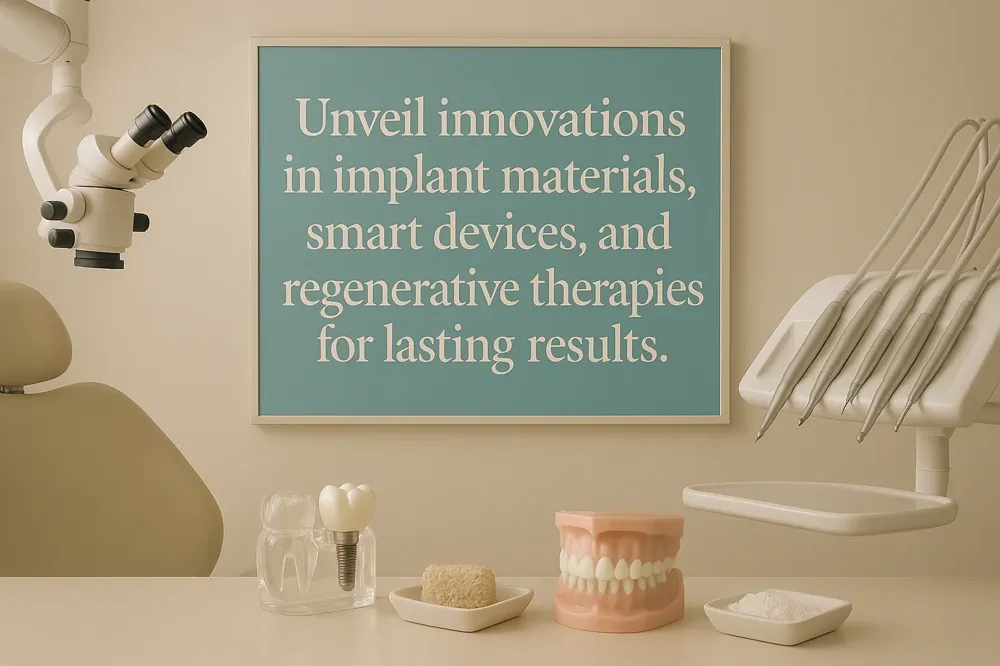
What Are Zirconia and Titanium Implants?
Zirconia and titanium dental implants are the primary materials used in modern dental implants, each offering distinct advantages. Zirconia implants are metal-free and highly biocompatible, making them an excellent choice for patients seeking a natural tooth-colored option with superior aesthetics, especially in visible areas. Titanium implants, on the other hand, are known for their high durability and long clinical success record, providing strength and reliable integration with the jawbone.
How Do Smart Dental Implants Enhance Care?
Smart dental implants with sensors embedded represent a breakthrough in implant technology. These sensors monitor parameters like bite force and temperature, providing real-time data on the implant's condition and surrounding oral environment. This innovation allows for early detection of complications, proactive maintenance, and tailored care to extend implant longevity and improve overall patient outcomes.
What Role Does Nanotechnology Play in Implant Materials?
Nanotechnology nano-textured implant surfaces improve dental implant surfaces at the molecular level, enhancing osseointegration—the secure bonding of the implant to the bone. These nano-textured surfaces promote faster healing, greater stability, and reduce the risk of implant failure. Additionally, nanomaterials contribute to the development of stronger, more durable implant coatings that resist bacterial buildup and inflammation.
How Are Stem Cell and Regenerative Therapies Changing Dentistry?
Stem cell therapy for bone regeneration and regenerative dentistry innovations aim to naturally restore soft and hard dental tissues, such as gums, bone, and even tooth structures. By harnessing the body's healing potential, these treatments could reduce reliance on conventional implants and invasive procedures. This cutting-edge field holds promise for more effective and less intrusive dental restorations in the coming years, supporting personalized and holistic patient care.
Oral Hygiene Guidelines and Efficient Practice Management
What is the 2-2-2 rule in dentistry?
The 2-2-2 rule recommends brushing your teeth twice a day, each for two minutes, and visiting the dentist twice annually. This simple guideline helps maintain oral health by preventing plaque build-up and detecting dental problems early, ensuring timely treatment. For more on 2-2-2 rule in dentistry, see resources on Preventive dental care approaches.
What is the 80/20 rule in dentistry?
The 80/20 rule suggests that 80% of dental treatment success stems from 20% of focused efforts. Dentists apply this principle to prioritize care for patients who benefit most, reduce practitioner stress, and streamline workflow, which enhances the overall quality and efficiency of dental services. This approach aligns with 80/20 rule in dentistry, Patient-centered oral health plans, and optimizing practice management software to improve efficiency.
Enhancing patient compliance and care efficiency
Encouraging patients to follow the 2-2-2 rule supports preventive care, reducing the need for invasive procedures. Dental practices employing the 80/20 rule optimize appointment scheduling and resource management, maximizing outcomes with less time and effort. Clear communication, personalized oral health plans, and using modern technology like digital reminders and teledentistry improve patient adherence and care delivery.
Combined, these strategies guide patients towards better oral health habits while enabling dental teams to provide compassionate, efficient care tailored to individual needs. Embracing Modern dental technology and Patient-centered dental treatments ensures dental care that is both advanced and personalized.
Looking Ahead: The Future of Dental Technology
Anticipated advancements in regenerative and AI-driven dentistry
The future of dental care is promising with breakthroughs in regenerative dentistry, including stem cell therapies aimed at gum, bone, and tooth regeneration. These innovations hold potential to reduce invasive procedures and improve natural healing.
Artificial intelligence (AI) will continue advancing diagnostic accuracy and personalized treatment planning by analyzing detailed imaging and patient data, helping to predict and prevent dental issues before they become serious.
Importance of equitable access and patient-centered care
As new technologies emerge, ensuring equitable access remains critical. Efforts to improve teledentistry and hybrid care models help reach rural, elderly, and underserved populations, supporting healthier communities.
Patient-centered care, with tailored treatment plans based on individual needs and risk factors, remains central, ensuring that technology enhances rather than replaces compassionate, personalized services.
Ongoing commitment to comfort, precision, and innovation
Modern dentistry will keep prioritizing patient comfort through minimally invasive procedures such as laser dentistry, same-day restorations enabled by CAD/CAM and 3D printing, and anxiety management tools like virtual reality.
These innovations are designed to deliver precise, efficient, and gentle care, reflecting a welcoming atmosphere where patients of all ages receive professional, high-quality dental treatments optimized for their unique needs.