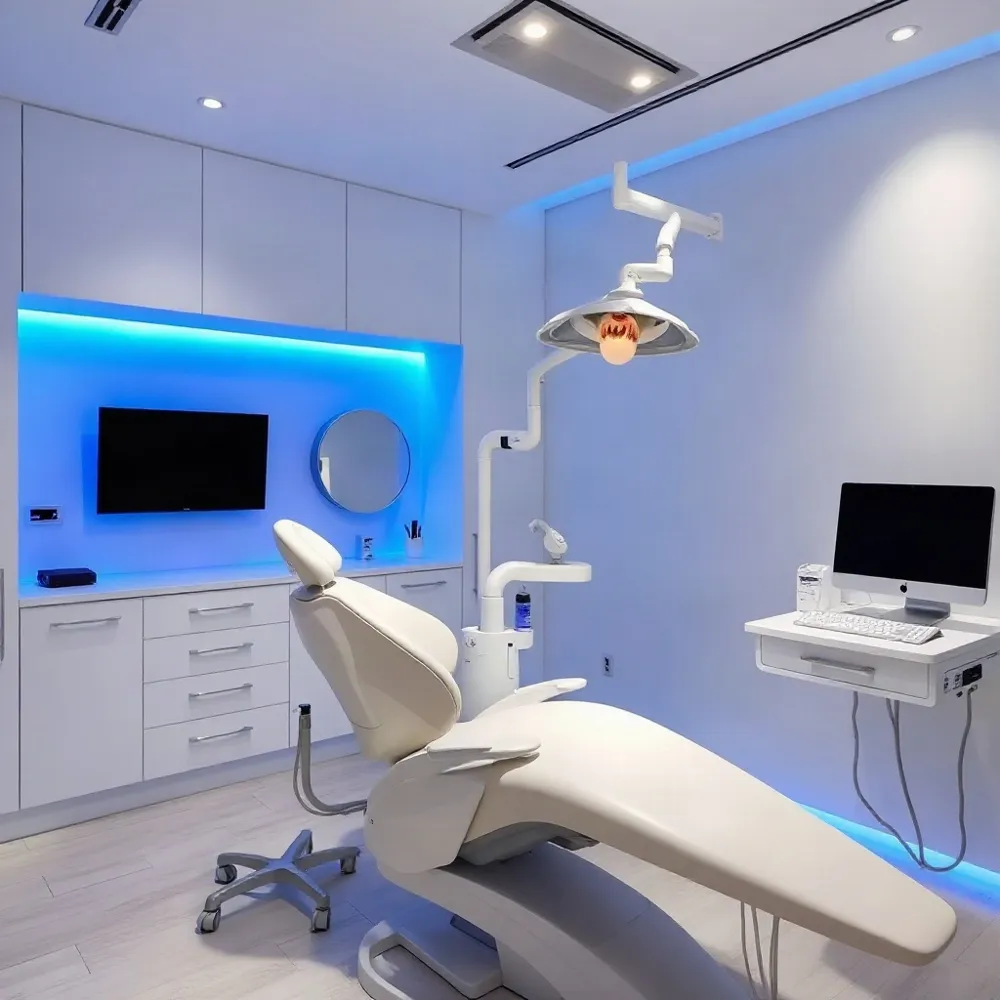
A Gentle Start for Little Smiles
Many parents assume the first dental visit should happen around preschool age, but pediatric experts recommend a much earlier start. The American Academy of Pediatric Dentistry advises that a child's first visit should occur within six months of their first tooth erupting, or by their first birthday, whichever comes first. This early timing isn't just about checking for cavities; it's a chance to establish a dental home, educate parents on proper oral hygiene for infants, and prevent future problems before they start.
Delaying the first visit past age one can allow undetected issues, like early childhood caries or alignment problems, to progress. The Mayo Clinic's fact sheet reinforces that a first visit by age one is a critical step. At this appointment, the dentist will examine the gums and any erupted teeth, assess the risk of decay, and demonstrate cleaning techniques. You'll also get personalized advice on diet, fluoride, and habits like thumb-sucking, setting the stage for a lifetime of healthy smiles.
When Should Your Child First See the Dentist?
 Many parents ask when the right time is to schedule that first dental visit. The answer is earlier than most families expect. According to the American Academy of Pediatric Dentistry, which sets the standard for children's oral health, the first visit should happen by age one or within six months of the first tooth erupting. This guidance is supported by resources like the A Child's First Dental Visit Fact Sheet from Stanford Children's Health.
Waiting until a child is older or until a problem appears is common, but it can allow issues to develop quietly. Early visits focus on prevention, education, and helping your child build a comfortable relationship with the dental team. The American Dental Association's First Dental Visit for Baby page explains that these appointments are about more than checking for cavities; they are about setting the stage for a lifetime of good oral health.
Why the First Visit Happens So Early
The first birthday might seem young, but it is an ideal time for a dental checkup. By age one, most children have several teeth, and the habits that affect oral health, such as brushing, diet, and bottle use, are already forming. The appointment gives the dentist a chance to assess growth and development, check for early signs of decay, and offer guidance tailored to your child's needs. It also provides a low-pressure introduction to the dental office, which can make future visits easier. For practical steps, you can read about how to prepare your child for their first dental visit on our site.
What Happens at That First Appointment
The first dental visit is typically short and gentle. It often includes a thorough examination of your child's mouth, jaw, and gums, a gentle cleaning if needed, and a conversation about brushing, flossing, fluoride, and diet. The dentist will also discuss habits like thumb sucking or using a pacifier. The goal is to make the experience positive and educational. If you want to know what to expect in more detail, our guide on what parents should know walks through the entire process.
How to Make the First Visit a Success
Preparation makes a big difference. Choose a time when your child is well-rested and not hungry, and keep your own attitude relaxed and positive. Talk about the visit in a simple, non-scary way, and avoid using words like "needle" or "drill." For more detailed strategies, the Tips for a Smooth First Dental Visit for Your Child on our blog offers practical advice, including the importance of morning appointments and bringing a comfort item.
Your family dentist in Midland Park, NJ, at Veenstra Dental, is here to make that first visit a positive milestone. We focus on personalized, compassionate care for patients of all ages, and we're happy to help you and your child feel at ease from the moment you walk through the door.
What Happens at a Toddler’s First Appointment?
 The short answer is that your child should see a dentist by their first birthday or within six months of their first tooth erupting, whichever comes first. This timing is not arbitrary. It follows recommendations from organizations like the American Academy of Pediatric Dentistry and Stanford Children’s Health, which stress that early visits set the stage for a lifetime of good oral health.
Why so early? Many parents assume there’s little to check before the baby teeth all come in, but those first few teeth are vulnerable to decay as soon as they appear. A first dental visit at this age lets the dentist monitor how teeth are erupting, check your child’s bite and gums, and catch any early signs of problems like baby bottle tooth decay. It’s also a chance for you to ask questions about brushing, fluoride, and diet.
Why the First Birthday Matters
By their first birthday, most children have several teeth and are starting to eat a wider variety of foods. That’s why the “first tooth or first year” rule exists. Waiting until all the baby teeth are in, or until your child is older and more anxious, can make the first visit harder than it needs to be. Early visits help your child build positive associations with the dental office, which matters because children who are comfortable with dental visits tend to have less anxiety during later appointments.
Some parents worry that a toddler won’t cooperate during an exam. That’s normal, and it’s exactly why we keep these first appointments gentle and short. We’re not expecting a perfect, still-open-mouth exam. The goal is simply to give your child a positive introduction to the dental chair, the instruments, and the people in the office.
What to Expect During the First Appointment
At Veenstra Family Dental, we follow the same general structure recommended by pediatric dental experts. The first visit typically includes a gentle examination of your child’s teeth, gums, bite, and oral tissues to check growth and development. This is the same gentle exam described in our guide to what happens during a toddler’s first appointment.
The appointment is also about education. We’ll talk with you about proper brushing techniques for baby teeth, the role of fluoride, and how diet affects dental health. You’ll get practical tips you can apply at home, and we’ll answer any questions you have. For more on preparing your child ahead of time, see our tips for a smooth first dental visit.
What About Older Toddlers and Preschoolers?
If your child is past their first birthday and hasn’t seen a dentist yet, don’t worry. It’s never too late to start. The earlier you schedule, the sooner we can establish a baseline for your child’s oral health and create a positive routine. Many parents find that helping kids love their dental visits becomes easier once they have a consistent dentist they trust.
For toddlers and preschoolers, we use a tell-show-do approach to explain what we’re doing in simple, non-scary terms. We let them hold the mirror, count their teeth, and show them how the instruments work before we ever put anything in their mouth. This reduces anxiety and helps them feel in control, which makes the visit more pleasant for everyone.
What Counts as a Dental Emergency?
While we recommend scheduling regular checkups every six months or as recommended, we’re also here for those unexpected moments. A knocked-out tooth is one example. Accidents happen, especially with active kids. If a baby tooth is knocked loose or out, call us right away. In the meantime, keep the tooth moist in milk or saliva, and handle it only by the crown (the part that shows in the mouth), never the root. For a permanent tooth that’s been knocked out, the situation is time-sensitive. Rinse it gently without scrubbing, place it back in the socket if possible, or keep it in a container of milk, and contact your dentist immediately.
Our team at Veenstra Family Dental is trained to handle both routine and urgent pediatric dental issues. If you’re ever in doubt, call us. We’re here to help your child’s smile stay safe and healthy, whether it’s a scheduled visit or an unplanned one.
Smart Scheduling for a Happy Child
Most parents assume dental visits begin once baby teeth start falling out, but pediatric experts recommend a much earlier start. According to the American Academy of Pediatric Dentistry, a child should have their first dental visit within six months of the first tooth erupting, or by their first birthday, whichever comes first. This early milestone matters more than many families realize.
The first dental visit for baby isn't just about checking for cavities. It's an opportunity for the dentist to assess gum health, monitor tooth eruption patterns, and guide parents on oral hygiene habits, fluoride needs, and diet. Catching early signs of decay or alignment issues before they escalate can save discomfort and more complex treatment later.
Many parents wonder if waiting until age two or three is acceptable. Delaying the first visit can allow problems to develop unnoticed. Even before all primary teeth have emerged, issues like baby bottle tooth decay, tongue-tie, or early crowding can be identified. A child's first dental visit provides a baseline for healthy development, establishing a professional monitor alongside daily home care.
Signs It's Time to Schedule Sooner
While the one-year guideline is a general rule, certain situations warrant an earlier appointment. If you notice white spots or brown discoloration on your child's teeth, difficulty eating or chewing, persistent sensitivity, or unusual swelling in the gums, don't wait. These can be early indicators of decay or infection requiring prompt attention.
What Happens at That First Visit
A first dental appointment is typically short, gentle, and focused on education. The dentist will examine your child's mouth while they sit on your lap or in the chair, clean the teeth, and apply a protective fluoride varnish. Most of the visit involves talking with you about feeding habits, pacifier use, and brushing techniques. This relaxed approach helps your child build positive associations with the dental office from the very beginning.
How to Make the First Appointment Easier
Preparation goes a long way in reducing anxiety. Here are a few practical steps that work well for young children:
- Schedule in the morning when your child is alert and well-rested, not tired or hungry.
- Talk about the visit in a positive, calm way, using simple words like "the dentist will count your teeth."
- Bring a comfort item like a favorite toy or blanket.
- Keep your own demeanor relaxed; children sense parental stress.
For more detailed guidance on preparing your little one, check out resources on preparing your toddler for a positive first dental visit. A little advance thought can turn a potentially scary experience into a positive step toward lifelong oral health.
Why Early Visits Set the Foundation for a Lifetime of Healthy Smiles
Children who see a dentist early are more likely to become comfortable with routine care and less likely to develop dental anxiety as they grow. Establishing a dental home by age one allows for continuous monitoring and personalized guidance, reducing the risk of complex procedures down the road. Early visits also educate parents on age-appropriate oral care, from cleaning a baby's gums to managing thumb-sucking.
At Veenstra Family Dental, we focus on making every child's visit gentle, informative, and positive. We take time to answer your questions and tailor care to your child's unique developmental stage, all in a welcoming environment designed to put families at ease.
A Quick Reference for Parents
| Age/Stage | Recommended Visit | What to Expect |
|---|---|---|
| Before first tooth | By 12 months | Gum care guidance, diet advice |
| First tooth erupts | Within 6 months | Exam, cleaning, fluoride varnish |
| Toddler (1-3 years) | Every 6 months | Monitoring eruption, decay prevention |
| Early signs of trouble | Immediately | Evaluation, possible early intervention |
Preparing Your Child with Positive Words
The words you choose before the appointment shape how your child feels about it. Simple, reassuring phrases build trust, while scary words like "pain" or "needle" can create anxiety before the visit even starts. Experts recommend using positive language to frame the dental visit as an exciting adventure rather than a medical event. For example, saying "the dentist will count your teeth and take pictures of your smile" feels much friendlier than describing tools or procedures.
Children pick up on your tone and body language, especially toddlers. If you stay calm and upbeat, they'll mirror that attitude. Avoid using the visit as a threat or a reward, and never mention past negative experiences. Instead, focus on the fun parts: the big chair, the special mirror, and the chance to show off a clean smile. Pair your words with a consistent routine, like the strategies in this guide to prepare your child for their first dental visit, so the experience feels familiar and safe.
Before. Use positive words while getting ready. Say "we're going to visit the tooth doctor who will help keep your teeth strong" instead of "we're going to the dentist." Emphasize the adventure and the new things they'll see.
During. Keep your language simple and calm. Let the dentist do the talking when possible, and use short phrases like "open wide" or "show me your big smile." Your presence and a steady, confident tone help your child stay relaxed.
After. Praise your child for being brave, regardless of how it went. Say "you did such a great job sitting still!" and talk about the next visit positively. This reinforcement lays the groundwork for a lifetime of comfortable dental care.
Incorporating positive language into your preparation is one of the most effective ways to ease first-visit nerves. Along with choosing the right words, scheduling visits early and practicing at home make a big difference. For more ideas on building a positive mindset, check out these tips for a smooth first dental visit that focus on communication and mental preparation.
What to Expect During the Visit and Beyond
Comfort and Special Needs Accommodations
 Every child deserves a visit to the dentist that feels calm, safe, and even fun. Yet many children carry some natural anxiety about the unknown. Preparing ahead of time can transform that worry into confidence. Experts recommend scheduling your child's first dental visit within six months of their first tooth erupting, or by age 12 months at the latest. Starting early helps your child become familiar with the dental environment before any discomfort has a chance to take hold.
If your child has special needs, extra planning makes an even bigger difference. A practice that welcomes every child, like Veenstra Family Dental, takes time to understand each patient's unique sensitivities and communication style. Bringing a favorite toy, blanket, or soothing song helps a child feel anchored in a familiar sensory world during the appointment. Many parents find that sharing these comfort items with the dental team ahead of time supports a smoother, more relaxed visit.
What to Bring and How to Prepare
Comfort items. Pack a small bag with a beloved stuffed animal, a soft blanket, or a quiet toy. These familiar objects give your child something to hold and focus on while in the dental chair.
Calming routines. Schedule the appointment when your child is well-rested and not hungry. A morning slot often works best for younger kids, as recommended in tips for a smooth first dental visit.
Communication. Tell the dental team about any sensory sensitivities, triggers, or communication preferences. This allows them to adjust their pace, lighting, and language to match your child's needs.
Parents often worry about their child's reaction, but a relaxed parent sets the tone. Children pick up on your energy. If you stay calm and positive, your child is far more likely to feel at ease. Rehearsing what will happen, reading a social story, or simply counting teeth at home can all reduce the unknown.
At Veenstra Family Dental, we create a comfort-first environment where every child, including those with special needs, receives gentle, personalized care. Our team welcomes your questions and works alongside you to make each visit a positive experience. Whether it's your child's very first appointment or a routine checkup, we are here to help.
Building Lifelong Healthy Smiles
The American Academy of Pediatric Dentistry and the American Dental Association both recommend that a child's first dental visit should happen within six months of the first tooth erupting, or by their first birthday at the latest. This early timing isn't about finding problems; it's about establishing a dental home where your child can grow comfortable with regular checkups from the start.
Scheduling that first appointment by age one gives the dentist a chance to check tooth development, assess habits like thumb-sucking, and offer guidance on cleaning and feeding. It also lets your child meet the dental team in a relaxed, pressure-free setting long before any treatment is needed.
Why Age One Works Best
Waiting until a child is older often means the first visit happens alongside a cavity or a more serious concern, which can turn a routine checkup into a stressful experience. Starting early builds familiarity, so your child learns that the dental office is a normal, friendly place rather than something to fear.
At Veenstra Family Dental in Midland Park, NJ, we welcome children from their very first tooth. Our team focuses on gentle, personalized care that helps kids feel at ease, and we take time to explain each step so both parent and child know what to expect.
Many parents wonder what actually happens during that initial visit. It's usually short and positive: the dentist counts teeth, checks gums and bite, and offers practical advice on brushing and diet. There's typically no cleaning or drilling involved, just a quick and friendly introduction to good oral health.
What to Expect at the First Appointment
- A gentle visual exam of the teeth, gums, and bite
- A discussion of brushing, flossing, and fluoride needs
- Guidance on feeding habits and thumb-sucking
- Answers to any questions you have about your child's oral health
- A plan for the next visit and a schedule for regular checkups
During this visit, you'll also learn how to care for your child's growing smile at home, from cleaning the first tooth to managing the transition to a full brushing routine. The dentist can also spot early signs of decay or alignment issues, which are much easier to address when caught early.
You can read more about Preparing Your Toddler for a Positive First Dental Visit in our guide, which covers everything from scheduling to what to say on the drive over.
How to Prepare Your Child for the Visit
Preparation starts at home. Keep your language positive and simple: tell your child the dentist will "count" their teeth and help keep their smile healthy. Avoid using words like "pain" or "shot," which can create unnecessary worry.
A few practical steps can help the day go smoothly. Choose a time when your child is well-rested and not hungry, bring a comfort item like a favorite toy, and let them sit on your lap during the exam if that helps them feel secure. You can find more detailed tips in our article on Helping Kids Love Their Dental Visits.
Parents often ask whether they should stay in the room. Yes, for the first visit we encourage parents to stay close. Your presence provides comfort and signals that the dental office is a safe place. As your child grows more confident, you can gradually step back and let them build independence.
Making the First Visit a Positive Memory
The goal of that first appointment isn't just a clean bill of health; it's to create a positive association that lasts a lifetime. Children who have pleasant early dental experiences are more likely to keep up with regular checkups as they grow.
At Veenstra Family Dental, we make it easy for families to start strong. We schedule visits at times that work for your child, answer every question you have, and keep the tone light and encouraging. We're here to support you and your little one every step of the way.
If it's time for your child's first visit, we'd love to see you. Reach out to Veenstra Family Dental to book an appointment, and let's give your child a smile they'll be proud to share for years to come.