
Understanding the Role of Crowns in Modern Dentistry
A dental crown serves as a fundamental restoration in modern dentistry, functioning as a custom-fitted cap that covers a tooth weakened by decay, fractures, or significant wear. By protecting the underlying natural tooth structure, these restorations are essential for long-term health and the preservation of natural dentition.
At veenstradental.com, we prioritize a compassionate, patient-first approach, integrating advanced technology to ensure every dental crown procedure is as comfortable as it is effective. Unlike generic clinical settings that rely on outdated impression materials, we utilize precise digital tools to create restorations that support natural alignment and comfort.
The value of a crown extends well beyond mere aesthetics. By restoring a tooth to its ideal shape, a properly designed restoration balances bite force, reduces strain on jaw joints, and allows you to chew with confidence. Whether reinforcing a tooth after a root canal or functioning as the final stage of an implant, crowns from veenstradental.com are built to ensure your mouth remains both functional and resilient for years to come.
What You Should Know About Modern Dental Crowns
 A dental crown is a custom-made, tooth-shaped cap designed to fit snugly over a damaged or weakened tooth like a protective hat. At Veenstra Family Dental, our professional dental team uses this versatile restorative treatment to strengthen teeth that are broken, decayed, or worn down, helping to restore both their original shape and function. Crowns are also commonly used to support dental bridges, cover teeth that have undergone root canal therapy, or finish a dental implant. By choosing a crown, you are investing in a long-term solution that protects your oral health while ensuring your teeth look and feel their best.
Material Diversity and Aesthetic Benefits
Modern dentistry offers a variety of materials tailored to your specific needs, ranging from metal-based alloys for maximum durability to all-ceramic and porcelain options for unmatched aesthetics. At Veenstra Family Dental, we frequently recommend zirconium dioxide or high-quality porcelain for patients who want a restoration that mimics the natural translucency of enamel. Unlike older metal-fused options that might show a dark line at the gum, these advanced materials are highly biocompatible and resist mechanical wear from daily chewing.
While some practices rely on older, more visible metal crowns, we prioritize materials that blend seamlessly with your smile. If you are experiencing sensitivity or structural weakness, our team helps you determine the best option based on the tooth's location and your bite alignment. Similar to the restorative solutions found in our modern restorative dentistry resources, these crowns are designed to last between 10 and 15 years, or up to 30 years with diligent care. Ensuring optimal oral hygiene and using recommended guards for bruxism are essential practices to protect your investment.
Restoring Function and Balancing Your Bite
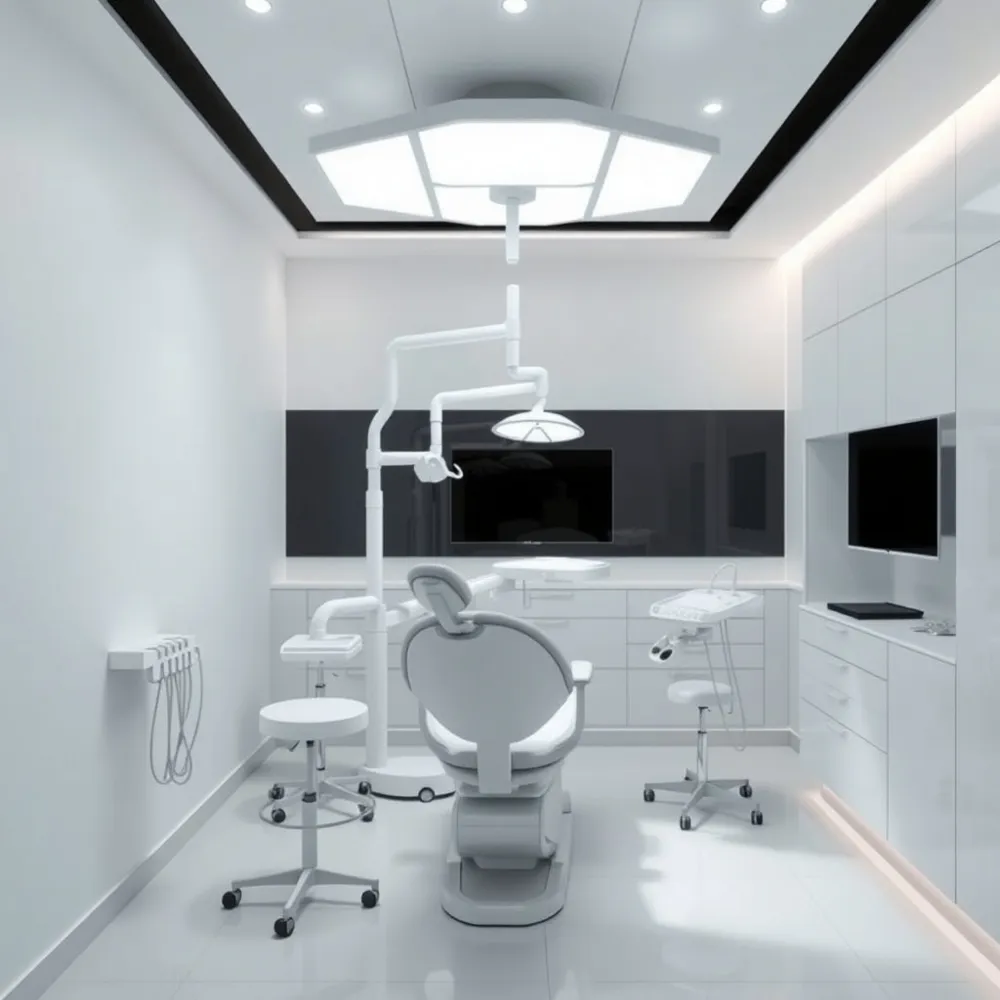 A compromised tooth often forces your jaw to compensate for hidden weaknesses, which can lead to discomfort, uneven tooth wear, and chronic jaw fatigue. When you avoid chewing on one side due to pain, you place undue stress on the remaining healthy teeth. At veenstradental.com, we prioritize restoring the natural structural integrity of your teeth to ensure your bite remains stable and pain-free.
How do dental crowns affect or restore my bite?
One of the most common questions patients ask is whether a crown will change their bite. Each crown is carefully crafted to restore the tooth's original height, creating more space and balance. This process is similar to giving the teeth and jaws a reset, which can alleviate many symptoms caused by grinding and poor alignment. By reshaping individual teeth, a dental crown ensures that your upper and lower arches meet evenly, allowing bite forces to distribute correctly across your mouth rather than concentrating stress on a single, weakened spot.
Correcting these alignment issues is essential for long-term jaw health. While some practices might suggest more extensive orthodontic interventions in every instance, veenstradental.com often uses restorative crowns as a targeted, efficient method to balance bite pressure and reduce muscle strain. If a newly placed crown feels slightly unusual, it is a normal part of the adjustment period, much like breaking in a new pair of shoes. Should you feel as though the restoration hits before your other teeth, our team can perform a quick, professional adjustment to return your bite to perfect alignment.
- Restores natural chewing efficiency
- Reduces strain on jaw muscles and joints
- Protects surrounding teeth from premature, uneven wear
- Provides a stable, balanced foundation for oral function
Advancements in Digital Crown Technology
Modern dental technology has reshaped how oral care is delivered, making it safer, more precise, and easier to understand. These tools do more than improve efficiency; they change how dentists diagnose problems, plan treatments, and how patients experience care.
For years, the standard approach to restoring a tooth involved messy putty molds. Today, these are increasingly replaced by digital impressions, which utilize intraoral scanners to capture highly accurate 3D images of your teeth. At Veenstra Family Dental, we prioritize this transition to ensure that your treatment is based on exact data rather than the potential distortions associated with traditional materials.
Enhancing Accuracy with CAD/CAM Systems
Digital systems like computer-aided design and manufacturing (CAD/CAM) have revolutionized the fabrication of restorations. By integrating this technology into our office, we can design and mill custom crowns on-site, providing a precise fit that mimics the natural translucency of your tooth enamel. This level of accuracy often eliminates the need for multiple appointments or those uncomfortable temporary caps used in traditional procedures.
Beyond accuracy, these advancements facilitate faster treatment planning. Because we can visualize the restoration in a digital format before fabrication, the entire process is more predictable. This speed does not come at the expense of quality; instead, it allows us to focus on the long-term health of your crowns and bridges by ensuring a perfect, airtight contact against your surrounding teeth, which protects your natural underlying tooth structure for years to come.
Your Step-by-Step Guide to the Crown Procedure
 Understanding the clinical pathway for a dental crown helps demystify the restorative process. At Veenstra Family Dental, we prioritize your comfort throughout the entire journey, starting with a comprehensive clinical examination and X-ray assessment to evaluate the specific needs of your tooth structure.
What is involved in the step-by-step dental crown procedure?
To prepare the tooth for its new restorative treatment, we administer local anesthesia to ensure you remain completely comfortable during the appointment. We then carefully remove a small amount of enamel to allow the crown a stable, snug foundation. If you are curious about the technical stages, this dental crown procedure helps maintain your oral function and long-term health.
Following the precision measurement or digital scan stage, we place a temporary restoration to shield the prepared tooth while your permanent crown is fabricated. This temporary cap protects the area until your final, custom-fitted restoration is ready for bonding. Our team at Veenstra Family Dental emphasizes that this methodical approach ensures the final result provides the durability and natural-looking aesthetics you deserve. Once the custom piece is crafted, we perform the final securement to restore your bite and smile effectively.
Patient Comfort and Recovery Expectations
Does getting a dental crown involve much pain?
Getting a dental crown is generally a comfortable and virtually pain-free experience thanks to modern dental techniques. During the procedure, your dentist will use local anesthesia to ensure the area remains completely numb, meaning you may feel some pressure, but you should not experience sharp pain. While there might be some mild sensitivity or temporary discomfort once the anesthesia wears off, this is typically manageable and fades quickly as your mouth adjusts. Our team at Veenstra Family Dental prioritizes your comfort at every stage, using advanced technology to ensure the process is as efficient and relaxing as possible. If you are ever concerned about your comfort, we are here to support you and answer any questions you may have about your care.
How long is the recovery time before I can chew normally after receiving a crown?
After receiving your new crown, wait until the numbing effect of the anesthetic has worn off before attempting to eat, which usually takes a few hours. During these first few hours, avoid hot liquids or chewing hard foods to prevent accidentally biting or burning your mouth while your sensation is limited. While some mild sensitivity or discomfort in the surrounding gums is common for a few days, most patients are able to resume normal eating habits shortly after the numbness subsides. We recommend sticking to softer foods initially and gradually returning to your regular diet as you feel comfortable.
If you experience persistent pain or feel like your bite does not sit quite right, please contact Veenstra Family Dental so we can ensure everything is perfectly adjusted for your comfort. A dental crown procedure occasionally requires a follow-up appointment for minor contouring. Should you feel the new restoration is hitting before other teeth, these fast, simple adjustments can resolve the issue.
Assessing Structural Requirements and Options
A successful dental crown relies on a stable foundation to withstand daily bite forces. To support a dental crown, dentists typically look for at least 1.5 to 2 mm of healthy tooth structure above the gumline. This requirement, known as the ferrule effect, creates an essential grip that helps distribute chewing pressure evenly across the remaining tooth substance.
How much natural tooth structure is needed to support a crown?
While maintaining maximum natural enamel is the goal, modern restorative techniques allow practitioners at veenstradental.com to preserve teeth even after significant structure loss. If a patient lacks sufficient natural tooth, our team often utilizes a core build-up or a post-and-core foundation to reinforce the area. By building a stable base, we provide the necessary support to ensure your crown stays secure and functional for years to come.
When the original tooth has experienced damage too severe to permit a reliable crown, we explore restorative alternatives. In these instances, dental implants serve as a durable way to replace missing roots, while dental bridges can bridge the gap left by an extracted tooth. Unlike generic office experiences that might suggest one-size-fits-all solutions, each plan at veenstradental.com prioritizes your unique anatomy and long-term health.
Considering Costs and Material Choices
Selecting the right foundation for your smile requires balancing durability, function, and aesthetics. Modern dental crowns utilize diverse materials to meet these specific needs, including all-ceramic, porcelain-fused-to-metal, and gold alloys. Each choice offers distinct advantages regarding dental crown procedure success, with high-quality ceramics often favored for their translucent, natural appearance on front teeth, while metal options provide robust strength for molars.
What are the different types of dental crowns and their associated costs?
At Veenstra Family Dental, we provide personalized restorative solutions tailored to your unique clinical requirements. Our team offers a range of materials, including aesthetically pleasing all-ceramic crowns and durable metal alloys, to ensure your crowns & bridges blend seamlessly with your natural teeth while providing long-term structural support. While the total investment for a crown depends on the selected material, case complexity, and your specific insurance plan, we prioritize transparency and clear communication at our Midland Park office. We invite you to schedule a consultation so we can evaluate your dental health and provide a customized plan that stays within your budget. By focusing on modern techniques and patient comfort, veenstradental.com helps ensure every restoration contributes to your lasting oral health.
Long-Term Health and Maintenance
A dental crown acts as a sturdy shield for your tooth but requires consistent care to maintain its function and structural integrity. Contrary to the myth that a crowned tooth is entirely impervious to issues, the natural tooth structure beneath remains vulnerable to decay if oral hygiene habits lapse.
How long do dental crowns typically last and what should I expect after ten years?
On average, dental crowns typically last between 10 and 15 years, though many remain fully functional well beyond this timeframe with proper care. After 10 years, research indicates that a majority of crowns are still performing optimally, but this is a common milestone for scheduling a formal assessment with your dentist. At Veenstra Family Dental, we use advanced technology to verify the integrity of the crown, checking for signs of wear, movement, or underlying tooth decay at the gum line. Even if your crown feels perfectly comfortable, proactive monitoring allows us to address minor issues before they turn into complications. By maintaining excellent oral hygiene and professional maintenance, you can help ensure your restoration continues to provide a healthy, strong, and aesthetically pleasing smile for years to come.
Can a tooth rot underneath a dental crown?
Yes, it is possible for a tooth to experience decay underneath a dental crown. While a crown protects the visible portion of the tooth, the natural tooth structure underneath remains vulnerable to bacteria if they seep in through micro-gaps at the crown margin or areas of receded gums. Common warning signs of this decay include persistent tooth sensitivity, bad breath, sore or swollen gums, and pain when biting down. To keep your smile healthy, we recommend maintaining diligent oral hygiene habits and attending regular check-ups so our team can monitor the integrity of your dental work. If you suspect an issue with your crown, please contact us promptly so we can perform a professional assessment and address the problem early.
Understanding Potential Downsides and Risks
What are the common disadvantages or downsides associated with getting a dental crown?
While a dental crown serves as an effective restoration for damaged or decayed teeth, it is important to weigh the clinical realities before moving forward. The primary consideration is the irreversible nature of the preparation process. To ensure the crown fits securely, a dentist must remove a portion of the natural enamel to create a stable foundation, meaning the tooth will always require some form of protective coverage thereafter.
Patients may also encounter potential complications during the adjustment phase. It is common to experience temporary sensitivity to heat or cold for a few weeks after dental crown procedure completion. If the restoration is not precisely aligned with your natural bite, there is a risk of excessive wear on the opposing teeth or even jaw fatigue. In rare instances, an ill-fitting crown might lead to ongoing nerve irritation or gum soreness.
Open communication with your provider is the best way to safeguard your long-term comfort and satisfaction. At Veenstra Family Dental, our team prioritizes comprehensive consultations to discuss material durability and aesthetic goals, ensuring the final result complements your existing smile. If you move forward with treatment at our office, we emphasize precision to minimize risks, though it is always wise to ask about any underlying issues that could influence your specific recovery expectations.
Investing in Your Long-Term Oral Function
Choosing a dental crown is more than a simple repair. It represents a commitment to preserving your natural tooth structure while restoring the bite strength and comfort necessary for daily life. By protecting against fracture and further decay, this dental crown procedure serves as an essential investment in your long-term wellness.
At Veenstradental.com, we prioritize personalized care to ensure your restoration integrates seamlessly with your unique smile. If you are experiencing discomfort or wondering about the health of a damaged tooth, we invite you to schedule a consultation with our team. We offer compassionate, professional guidance to help you regain the confidence that comes with a balanced, healthy bite.